Why Do Toenails Turn Yellow? Signs & Treatment 2026
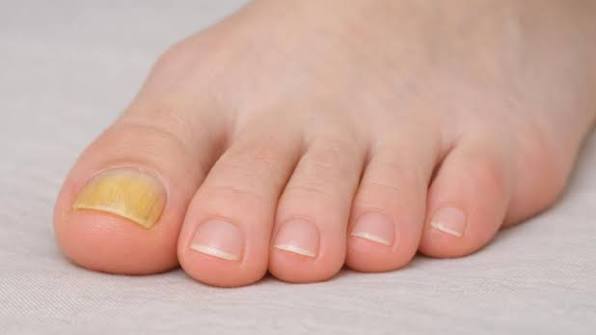
Glancing down and noticing yellow toenails can be unsettling, especially if you didn’t expect it. In most cases, though, the cause is far simpler than people assume.
Yellow toenails usually come from nail polish staining, fungal infection, or normal aging changes. Less often, they signal an underlying medical condition worth checking out.
Why Do Toenails Turn Yellow?
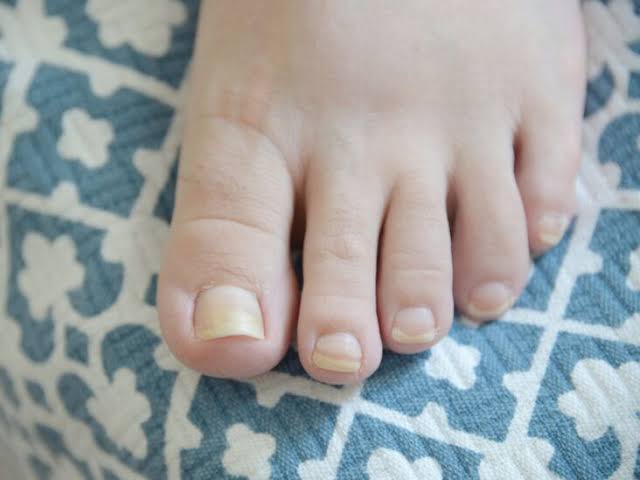
Toenails most often turn yellow from nail polish staining, a fungal infection, or natural aging of the nail plate. Polish staining is harmless and fades as the nail grows out, while fungal infections usually need active treatment.
If only one nail is affected, injury or fungus is more likely. If nails are yellow alongside other symptoms like swelling or breathing issues, a medical evaluation is worth pursuing.
Common Causes of Yellow Toenails
There isn’t a single explanation. The cause ranges from cosmetic staining to infections that need medical care.
Nail Polish Staining
Dark and bright pigmented polishes, especially reds and oranges, can bond to the keratin in your nails. The longer polish stays on, the more time the dye has to soak in and cause staining.
This type of yellowing is harmless and temporary. Taking a break from polish for a few weeks usually lets your natural nail color return as the nail grows out.
Fungal Nail Infection (Onychomycosis)
Fungal infection is the most common medical cause of yellow toenails. It happens when fungi, most often a species called Trichophyton rubrum, invade the nail and feed on keratin.
Infected nails often turn yellowish-brown, become thick or brittle, and may start separating from the nail bed. Feet are especially prone to fungal infections because socks and shoes create a warm, damp environment fungi thrive in.
Natural Aging
As nails age, they naturally change in color, thickness, and texture. It’s common for toenails to develop a more yellow tint over time, even without infection or polish involved.
Aging-related yellowing tends to develop gradually and affects nails more uniformly than an infection would.
Nail Trauma or Repeated Pressure
Tight shoes, running, or accidental impact can damage the nail bed and lead to discoloration as the nail grows out. This is especially common on the big toe, since it absorbs the most pressure while walking.
Trauma-related yellowing usually affects a single nail rather than several at once.
Yellow Nail Syndrome
Yellow nail syndrome is a rare condition where nails become yellow, thickened, and curved, and often grow more slowly than normal. It’s frequently linked to respiratory issues and lymphedema rather than being a standalone nail problem.
Because the exact cause isn’t fully understood, this condition is often misdiagnosed and should be evaluated by a doctor if suspected.
Underlying Medical Conditions
In less common cases, yellow nails can be linked to conditions like diabetes, psoriasis, thyroid disorders, or liver-related jaundice. These typically come with additional symptoms beyond nail color alone.
If yellowing appears alongside unexplained symptoms elsewhere in the body, that combination is a stronger signal to see a doctor than nail color by itself.
Nail Polish Staining vs Fungal Infection

These two causes are the most common, and they’re often confused with each other.
| Factor | Polish Staining | Fungal Infection |
|---|---|---|
| Nail texture | Normal, smooth | Often thick or brittle |
| Nail separation | Not present | May separate from nail bed |
| Number of nails affected | Often several, evenly | Can start with one nail |
| Odor | None | Sometimes present |
| Resolves on its own | Yes, as nail grows out | No, usually needs treatment |
How to Tell If It’s Fungus
A few signs point more strongly toward a fungal infection rather than simple staining.
- Nail becomes noticeably thicker over time
- Nail edges look crumbly, ragged, or distorted
- Debris builds up beneath the nail
- An unpleasant odor develops
- Pain or discomfort when wearing shoes
When to See a Doctor
Most yellow toenails aren’t a medical emergency, but a few situations call for professional evaluation.
- Yellowing doesn’t improve after stopping nail polish use
- The nail thickens, crumbles, or separates from the nail bed
- Only one nail is affected without any clear injury
- Yellow nails appear alongside swelling, breathing issues, or fatigue
- You have diabetes or a weakened immune system and notice new nail changes
A podiatrist or dermatologist can determine whether the cause is cosmetic, fungal, or linked to an underlying condition.
How Yellow Toenails Are Treated
Treatment depends entirely on the underlying cause.
- Polish staining: Stop using polish and let the nail grow out naturally.
- Fungal infection: Prescription antifungal medication is typically needed, since over-the-counter options often aren’t strong enough alone.
- Nail trauma: Protect the nail while it heals and wear properly fitted shoes.
- Yellow nail syndrome or underlying conditions: Treatment targets the root medical cause, not just the nail itself.
How to Prevent Yellow Toenails

A few habits lower your risk of both cosmetic staining and fungal infection.
- Give your nails polish-free breaks between manicures
- Use a base coat before applying dark or bright nail polish
- Wear moisture-wicking socks and breathable shoes
- Avoid walking barefoot in locker rooms, showers, or pool decks
- Keep toenails trimmed and dry, especially after workouts
Mistakes to Avoid
A few habits make yellow toenails worse or delay proper treatment.
- Continuing to wear dark polish without any breaks
- Assuming all yellow nails are just cosmetic without checking for thickening or odor
- Trying to self-treat suspected fungus for months without medical evaluation
- Ignoring yellow nails that appear alongside unrelated new symptoms
Frequently Asked Questions (FAQs)
Why are my toenails yellow all of a sudden?
Sudden yellowing is often linked to recent nail polish use, injury, or the early stages of a fungal infection.
Is yellow toenails always a fungal infection?
No, nail polish staining and natural aging are common non-fungal causes of yellow toenails.
How can I tell if my yellow toenail is fungus?
Look for thickening, crumbling edges, nail separation, or odor, which point more toward fungus than simple staining.
Will yellow toenails go away on their own?
Polish-related yellowing usually fades as the nail grows out, but fungal infections typically need treatment.
Can nail polish permanently stain toenails?
No, the discoloration isn’t permanent and improves as the stained portion of the nail grows out.
Why is only one of my toenails yellow?
A single yellow nail is often linked to injury, repeated pressure, or an early localized fungal infection.
Can diabetes cause yellow toenails?
Yes, diabetes can be associated with nail changes, including yellowing, and may also increase infection risk.
What is yellow nail syndrome?
It’s a rare condition involving yellow, thickened, slow-growing nails, often linked to respiratory or lymphatic issues.
Do toenails naturally turn yellow with age?
Yes, aging can cause gradual yellowing along with thickening and texture changes in nails.
Can toenail fungus spread to other nails?
Yes, fungal infections can spread to nearby nails if left untreated.
Are over-the-counter treatments effective for toenail fungus?
They can help mild cases, but many fungal infections respond better to prescription antifungal treatment.
Can yellow toenails be a sign of liver problems?
In rare cases, yellowing linked to jaundice may indicate a liver issue, especially alongside yellowing skin or eyes.
How long does it take for a yellow toenail to grow out?
Toenails typically take several months to fully grow out, depending on individual nail growth rate.
Should I stop wearing nail polish if my toenails are yellow?
Yes, taking a break from polish helps confirm whether staining is the cause and allows the nail to recover.
Is toenail fungus contagious?
Yes, fungal nail infections can spread through shared surfaces like showers, pools, and locker rooms.
Can wearing tight shoes cause yellow toenails?
Yes, repeated pressure from tight or ill-fitting shoes can damage the nail bed and cause discoloration.
What does a healthy toenail look like compared to a yellow one?
Healthy nails are typically clear, smooth, and free of ridges, while yellow nails often show discoloration with or without texture changes.
Can smoking affect nail color?
Yes, smoking is linked to nail discoloration, including yellowing, in some people.
Do podiatrists treat yellow toenails?
Yes, podiatrists can diagnose the cause and provide treatment, especially for fungal infections or nail trauma.
When should yellow toenails be considered an emergency?
Yellow toenails alone are rarely an emergency, but sudden yellowing with pain, swelling, or spreading infection should be evaluated promptly.
Conclusion
Yellow toenails are usually caused by something simple, like polish staining or the natural aging of the nail. Fungal infections are the most common medical cause and typically need targeted antifungal treatment rather than home remedies alone.
Paying attention to nail thickness, whether one nail or several are affected, and any accompanying symptoms helps you figure out which cause fits your situation. When in doubt, a podiatrist or dermatologist can confirm the cause and recommend the right treatment.