Why Do People Throw Rice at Weddings? The Real Reason 2026

You have probably seen the classic wedding exit scene, with guests tossing handfuls of rice as the newlyweds rush to their car. But have you ever wondered why do people throw rice at weddings, and where this playful tradition actually began?
The custom is far older than most people realize, stretching back to ancient Rome and evolving across cultures for centuries. Rice was never chosen at random. It carried deep symbolic meaning tied to fertility, prosperity, and protection.
Why Do People Throw Rice at Weddings?

People throw rice at weddings to symbolize fertility, prosperity, and good fortune for the newlyweds. The tradition dates back to ancient Rome and medieval Europe, where grains were believed to bless couples with abundance and ward off evil spirits.
The Ancient Origins of the Rice-Throwing Tradition
The custom of throwing grain at newlyweds predates Christianity and traces back to ancient agricultural societies. In these communities, fertility was not just symbolic, it was essential for survival, since successful harvests and growing families were deeply intertwined.
Ancient Romans are widely credited with starting this tradition, though they originally used wheat rather than rice. Grain-tossing was even connected to a Roman wedding custom of crumbling a sweet cake made of wheat or barley over the bride’s head to bless her marriage.
How Wheat Turned Into Rice
Long before rice arrived in Europe, communities used native grains like wheat, oats, and barley in wedding rituals. It was not until the Middle Ages that rice specifically began appearing in wedding customs.
Rice was originally considered a luxury item, rare and expensive, and reserved mostly for the wealthy. As trade expanded and rice became more widely available, it started replacing older native grains in wedding ceremonies across Europe.
By the 19th century, throwing rice at weddings had become a widespread and much-loved tradition throughout Western culture.
What Does Throwing Rice at a Wedding Symbolize?
Rice carries several layers of symbolic meaning in wedding traditions, and cultures throughout history have interpreted it in slightly different ways.
- Fertility and the wish for children
- Prosperity, abundance, and future wealth
- Good luck and blessings for the marriage
- Protection from evil spirits believed to threaten new couples
- A wish for a fruitful, productive life together
Some historians even suggest that early grain-throwing was a practical form of protection, meant to appease spirits believed to gather at weddings hoping to bring bad luck to the couple.
The Celtic Connection to Grain-Throwing
Celtic communities also had their own version of this tradition, using grains like barleycorn, wheat, oats, rye, and millet as blessing foods during ceremonies. This practice symbolized growth, health, fertility, and overall prosperity for the newly married couple.
In Celtic weddings, leftover grain was often collected afterward and donated to a family in need within the community, adding a layer of generosity to the ritual.
Rice Traditions Around the World
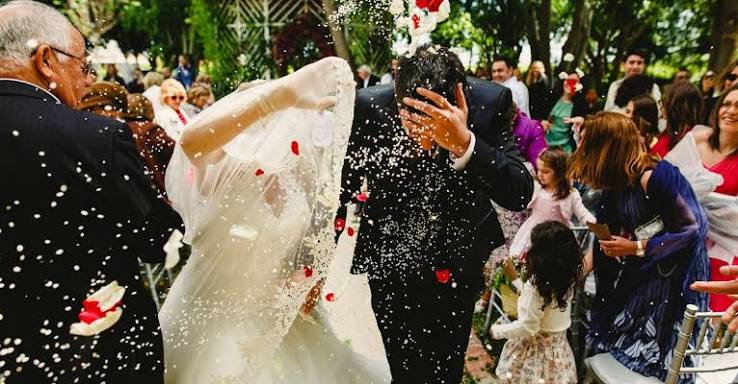
Different cultures developed their own unique twists on the rice-throwing custom, often swapping rice for other symbolic foods.
| Culture | Item Thrown | Symbolic Meaning |
|---|---|---|
| Ancient Rome | Wheat, later replaced by rice | Fertility, abundance, blessing |
| Italy | Candy and sugared nuts | Sweetness of marriage |
| Morocco | Figs, dates, and raisins | A fruitful, prosperous union |
| Eastern India | Flower petals | Beauty and blessing |
| Poland | Rice combined with coins | Wealth and prosperity |
| France | Wheat | Traditional grain blessing |
The Myth About Rice and Birds
One of the most persistent rumors surrounding this tradition claims that birds who eat thrown rice will explode because the rice expands in their stomachs. This myth became so widespread that a Connecticut state legislator passed a bill in 1985 banning rice at weddings due to the unfounded concern.
In reality, this rumor is not true. Uncooked rice does not harm birds, and there is no evidence supporting the idea that it causes any physical danger to them.
Why Did the Rice-Throwing Tradition Decline?
Despite being harmless to birds, rice-throwing became less common for a few practical reasons rather than safety concerns about wildlife.
- Rice can get uncomfortably lodged in a bride or groom’s ears or hair
- Cleanup at venues became a common complaint among wedding staff
- Many couples began seeking more photogenic or eco-friendly alternatives
- Some venues started banning rice due to slip hazards on hard flooring
Modern Alternatives to Throwing Rice
Couples today have embraced a wide range of substitutes that keep the same celebratory spirit while addressing practical concerns.
- Blowing bubbles as the couple exits
- Waving sparklers for a dramatic, photogenic send-off
- Tossing biodegradable confetti or dried flower petals
- Ringing bells to signal celebration and joy
- Releasing small paper airplanes or streamers
Rice vs Modern Alternatives

| Option | Symbolic Meaning | Common Concern |
|---|---|---|
| Rice | Fertility, prosperity, good luck | Can get stuck in hair or ears |
| Flower petals | Beauty and blessing | May be less biodegradable if dyed |
| Bubbles | Joy and celebration | Can create a slippery surface |
| Sparklers | Dramatic, romantic farewell | Requires careful safety planning |
| Confetti | Festive celebration | Cleanup can be time-consuming |
Is It Still Okay to Throw Rice at a Wedding Today?
Yes, throwing rice remains a legal and widely accepted tradition at most venues. It is a matter of personal preference rather than any real safety restriction, since the bird-related myth has long been debunked.
Couples who want to honor the historical symbolism often still choose rice, sometimes opting for smaller, softer grains to reduce discomfort during the toss.
Key Takeaways
- The rice-throwing tradition dates back to ancient Rome, where wheat was originally used before rice became popular in the Middle Ages.
- Rice symbolizes fertility, prosperity, good luck, and protection from evil spirits.
- Different cultures have their own version of the tradition, using items like sugared nuts, dates, or flower petals.
- The popular myth about rice harming birds has been thoroughly debunked and has no scientific basis.
- Modern alternatives like bubbles, sparklers, and confetti have grown popular for practical and aesthetic reasons.
Frequently Asked Questions (FAQs)
Why did ancient Romans throw wheat instead of rice at weddings?
Wheat was more readily available in ancient Rome, and rice did not become common in European wedding customs until the Middle Ages.
Does throwing rice at weddings really hurt birds?
No, this is a myth. Uncooked rice does not harm birds, and there is no scientific evidence supporting the rumor that it causes birds to explode.
What does rice symbolize at a wedding?
Rice traditionally symbolizes fertility, prosperity, good luck, and protection for the newlyweds as they begin their married life together.
Why do some cultures throw candy or dried fruit instead of rice?
Different cultures adapted the same symbolic idea using local, meaningful foods, such as candy in Italy or dates and figs in Morocco.
Is it still legal to throw rice at weddings?
Yes, throwing rice is legal in nearly all locations, though some individual venues may restrict it due to cleanup or slip hazards.
When did people stop throwing rice at weddings?
Rice-throwing began declining in popularity around the late 1990s and early 2000s, largely due to the bird myth and practical cleanup concerns.
What are the most popular modern alternatives to throwing rice?
Popular alternatives include blowing bubbles, waving sparklers, tossing biodegradable confetti, and ringing bells during the wedding exit.
Why was a law passed banning rice at weddings in Connecticut?
A Connecticut legislator passed the 1985 bill based on the unfounded rumor that rice harmed birds, though the claim was later proven false.
Do any cultures still traditionally use wheat instead of rice?
Yes, some cultures, including parts of France, have historically continued using wheat rather than switching to rice.
Why does rice sometimes get stuck in the bride’s hair or ears?
Because rice is thrown at close range and in large quantities, small grains can easily become lodged in hair, ears, or clothing.
Is rice-throwing connected to any religious traditions?
While often associated with fertility rituals, the tradition predates many major religions and is rooted primarily in ancient agricultural symbolism.
What did Celtic communities use instead of rice?
Celtic wedding ceremonies commonly used native grains like barleycorn, wheat, oats, rye, and millet as blessing foods.
Why do some couples still choose to throw rice today?
Many couples enjoy honoring the historical symbolism and photogenic tradition, especially when venue rules allow it.
Are there eco-friendly rice options for weddings?
Yes, some couples choose biodegradable rice or smaller grain alternatives designed specifically for easier cleanup and reduced environmental impact.
What is the connection between rice and good harvests in wedding symbolism?
Historically, a good harvest and a strong marriage were seen as connected, since both represented prosperity, growth, and stability for a community.
Conclusion
So, why do people throw rice at weddings? At its heart, the tradition is a centuries-old wish for fertility, prosperity, and happiness, passed down from ancient Rome through countless cultures around the world.
While many couples today choose modern alternatives, rice remains a meaningful nod to wedding history for those who want to keep the tradition alive. Whatever a couple chooses to throw, the sentiment behind it has stayed remarkably the same throughout time.