Why Do People Cheat in Relationships? 10 Real Reasons 2026
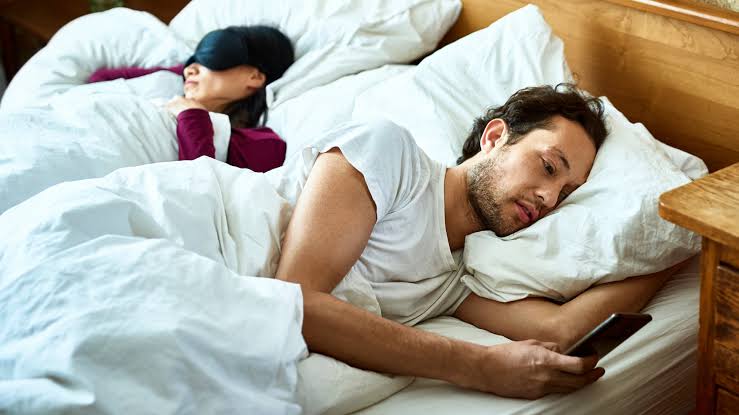
Cheating rarely happens for just one reason. It’s usually a mix of unmet emotional needs, personality, opportunity, and how safe a person feels in their relationship.
If you’re asking why do people cheat in relationships, you’re probably trying to make sense of pain, confusion, or a fear that it could happen to you. This guide breaks down the real, research-backed reasons behind infidelity.
Why Do People Cheat in Relationships
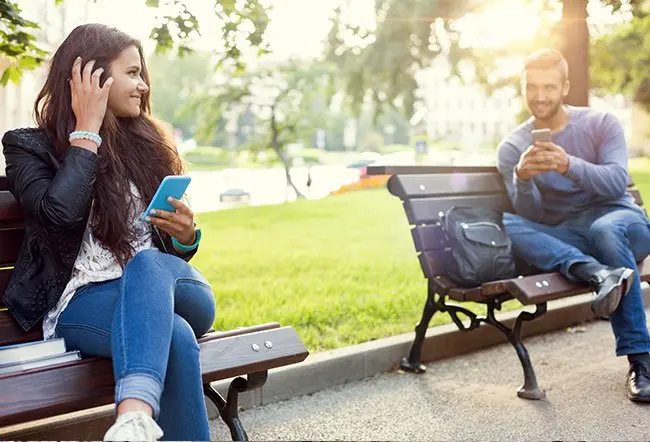
People cheat in relationships mainly due to emotional disconnection, sexual dissatisfaction, low commitment, opportunity, revenge, low self-esteem, or a desire for variety.
Attachment style and personality traits also play a major role. Cheating is almost never about one single cause.
What Counts as Cheating in a Relationship
Before looking at motives, it helps to define the behavior itself. Couples don’t always agree on where the line is.
Physical Infidelity
This is sexual contact with someone outside the relationship. It’s the most commonly recognized form of cheating.
Emotional Infidelity
This happens when someone forms a deep emotional bond, intimacy, or romantic attachment with another person. No physical contact needs to occur for it to feel like a betrayal.
Online or Micro-Cheating
Flirting, sexting, secret messaging, or maintaining a dating profile while committed can all count. Many couples consider these a breach of trust even without in-person contact.
The Main Reasons People Cheat in Relationships
Researchers who study infidelity have identified a consistent set of motives. Here are the ones that show up again and again.
Emotional Disconnection and Neglect
A 2024 study on infidelity motives found that neglect and lack of love were among the strongest predictors of cheating. People who feel emotionally unseen often look for that connection elsewhere.
Partners who reported this motive tended to form real emotional attachments to their affair partner. The affair filled a gap rather than being purely physical.
Lack of Sexual Satisfaction
Sexual desire is one of the eight core motives identified by relationship researchers. When physical intimacy drops off or feels unfulfilling, some partners seek it outside the relationship instead of addressing it directly.
This doesn’t mean the relationship lacked love. It often reflects a communication gap around needs.
Low Commitment to the Relationship
Some people cheat simply because they were never fully committed. Low commitment predicts both the likelihood of cheating and whether the primary relationship survives afterward.
This motive is common in relationships that started casually or moved too fast without a clear mutual agreement.
Desire for Variety or Novelty
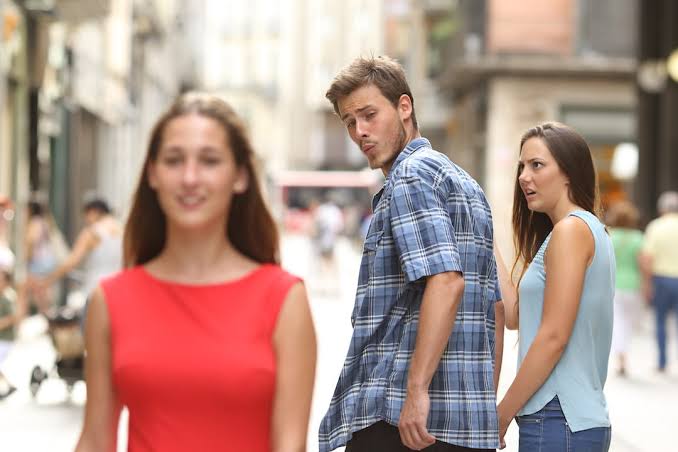
Some people cheat purely out of curiosity or a wish for new experiences. This motive isn’t necessarily tied to relationship problems at all.
It’s more about personal restlessness than dissatisfaction with a partner.
Anger or Revenge
Cheating can be a way to retaliate after feeling hurt, disrespected, or betrayed. In these cases, the affair is less about desire and more about evening the score.
Revenge affairs tend to be short-lived and are rarely emotionally intimate.
Low Self-Esteem and Need for Validation
Attention from someone new can feel like proof of desirability. People struggling with self-worth sometimes use an affair to feel wanted again.
This validation-seeking pattern is often tied to insecurity that existed before the relationship even began.
Opportunity and Circumstance
Travel, work trips, late nights, and anonymous social settings all increase opportunity. Research consistently shows that access and privacy raise the odds of infidelity, independent of how happy the relationship is.
Situational cheating can happen even to people who never intended to stray.
Falling Out of Love
When romantic feelings fade but the relationship continues out of habit or obligation, some partners look elsewhere for the connection they no longer feel at home. This is one of the more emotionally complicated motives.
It often overlaps with long-term neglect.
Boredom or Feeling Stuck
A relationship that has become routine and predictable can leave one partner feeling trapped. Cheating becomes an escape from monotony rather than a rejection of the partner.
Couples therapists frequently describe this as “drifting” rather than active dissatisfaction.
Fear of Confrontation, or the Exit Affair
Some people cheat as an indirect way to end a relationship they’re too afraid to leave honestly. Getting caught forces a breakup neither partner has to formally initiate.
Therapists call this pattern an “exit affair.”
The Psychology Behind Infidelity
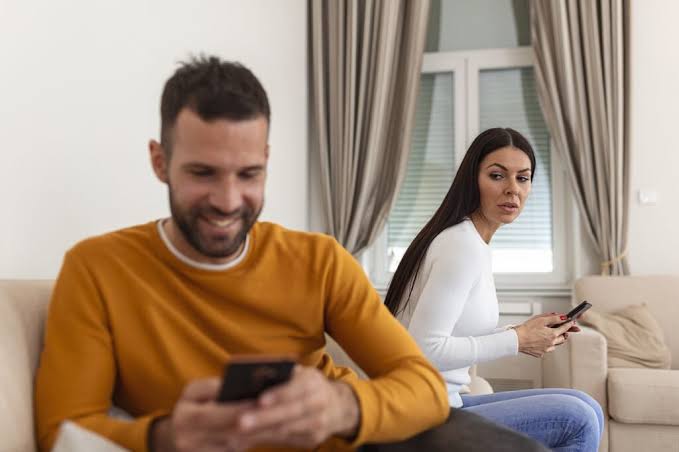
Motives explain the trigger. Psychology explains why some people are more vulnerable to acting on it than others.
Attachment Styles and Cheating
A 2024 systematic review covering over 13,000 participants found that higher attachment anxiety and avoidance were significantly linked to marital infidelity. Both dismissive and fearful attachment styles showed measurable correlations with cheating.
People with avoidant attachment often feel uncomfortable with closeness, which can push them toward less intimate outside connections. People with anxious attachment may cheat out of a fear of abandonment or a need for reassurance.
Personality Traits Linked to Cheating
Traits from the so-called “Dark Triad,” narcissism, Machiavellianism, and psychopathy, have been linked to higher infidelity rates in multiple studies. Narcissistic individuals may feel entitled to extra attention outside the relationship.
High neuroticism and low conscientiousness are also associated with a greater likelihood of cheating.
Brain Chemistry and Desire
Some researchers describe infidelity as a collision of brain chemistry, dissatisfaction, and attachment wounds rather than a single moral failure. Novelty and desire activate reward pathways that can override commitment in vulnerable moments.
This doesn’t excuse the behavior, but it helps explain why cheating can happen even in relationships that look happy from the outside.
Does Gender Affect Who Cheats More
Men have traditionally been assumed to cheat more often. Recent research from the University of Montreal found the gender gap in infidelity has narrowed significantly, and avoidant attachment predicted cheating equally in both men and women.
Demographic research also shows that people who are less religious, more educated, or higher earning report somewhat higher infidelity rates, likely tied to greater opportunity rather than gender itself.
How Common Is Cheating? Key Statistics
| Statistic | Data Point |
|---|---|
| Lifetime probability of cheating in a relationship | Estimated between 40% and 76% |
| Older Americans (55+) reporting extramarital relations | Around 20% |
| Americans under 55 reporting extramarital relations | Around 14% |
| Marriages affected by infidelity at some point | Close to 1 in 4 |
| Cheaters who felt emotional attachment to affair partner | The majority of surveyed participants |
Figures vary by study and definition of infidelity used, so treat these as general ranges rather than fixed numbers.
Signs Someone May Be Cheating
No single sign confirms infidelity on its own. But a cluster of these changes is worth an honest conversation.
- Sudden increase in privacy around phone or laptop
- Emotional distance or reduced affection
- Unexplained changes in schedule or spending
- Defensiveness when asked simple questions
- New attention to appearance without a clear reason
- Decreased interest in physical intimacy at home
Can a Relationship Survive Infidelity
Yes, many relationships do recover, though it takes sustained effort from both partners. Outcomes tend to depend heavily on the original motive behind the affair.
Relationships damaged by neglect or low commitment are statistically less likely to survive than those affected by a single situational lapse. Professional couples counseling significantly improves the odds of rebuilding trust.
How to Affair-Proof Your Relationship
Prevention is less about surveillance and more about closing the gaps that create vulnerability in the first place.
- Address emotional or sexual dissatisfaction early instead of letting it build
- Keep regular, honest check-ins about the state of the relationship
- Set clear boundaries around opposite- or same-attraction friendships
- Avoid letting routine replace genuine connection and date nights
- Seek couples therapy at the first sign of chronic disconnection
Frequently Asked Questions (FAQs)
Why do people cheat in relationships when they still love their partner?
Love and cheating aren’t mutually exclusive. Someone can still love a partner while acting on unmet needs like validation, novelty, or unresolved anger.
What is the number one reason people cheat?
There isn’t a single top reason, but emotional disconnection and neglect are among the most frequently cited motives in relationship research.
Do men or women cheat more?
Historically men reported higher rates, but recent research shows the gender gap has narrowed substantially, especially among younger adults.
Is emotional cheating as serious as physical cheating?
Many partners consider it equally serious, since it involves secrecy and diverted intimacy, even without physical contact.
Can a happy relationship still experience cheating?
Yes. Even relationships that appear stable from the outside can be affected, often due to opportunity, personality traits, or personal insecurity rather than relationship quality alone.
What personality traits are linked to cheating?
Narcissism, low conscientiousness, high neuroticism, and impulsivity have all been associated with higher infidelity rates in research.
Does attachment style really predict cheating?
Research shows a measurable link. People with anxious or avoidant attachment styles report higher rates of infidelity than those with secure attachment.
Is cheating ever a symptom of an underlying issue rather than the main problem?
Often, yes. It frequently signals deeper issues like chronic neglect, poor communication, or fear of directly ending the relationship.
How common is infidelity in long-term relationships?
Estimates suggest lifetime infidelity risk in a relationship ranges widely, roughly between 40% and 76% depending on the study and definition used.
Can therapy help after someone cheats?
Yes. Couples counseling that addresses the root motive behind the affair significantly improves the chances of rebuilding trust.
Why do people cheat instead of ending the relationship first?
Fear of confrontation, guilt, or uncertainty about the decision can lead some people toward an “exit affair” instead of an honest breakup.
Is cheating always a planned decision?
No. Situational opportunity, like travel or unsupervised social settings, can lead to unplanned infidelity even without prior intent.
Does low self-esteem cause cheating?
It can be a contributing factor. Attention from someone new can temporarily boost self-worth, which is why validation-seeking is a common motive.
Are affair partners usually strangers?
Not always. Affairs frequently develop with coworkers, friends, or people already inside a person’s social circle, since familiarity builds trust faster.
What percentage of relationships recover after infidelity?
There’s no universal number, but relationships recover more often when both partners commit to therapy and the affair stemmed from a situational rather than chronic cause.
Is boredom a valid reason people cheat?
Boredom is a documented motive, tied closely to a desire for variety or escaping a relationship that feels stagnant.
Do dating apps increase the likelihood of cheating?
They can increase opportunity and access, which research links to higher infidelity rates, though they aren’t a direct cause on their own.
How can I tell if my relationship is at risk of infidelity?
Warning signs include chronic emotional distance, unresolved resentment, mismatched intimacy needs, and increased unsupervised opportunity, such as frequent travel or secrecy.
Conclusion
Cheating almost never comes down to one clean explanation. It’s usually a combination of emotional needs, personality, attachment style, and circumstance colliding at the wrong moment.
Understanding why do people cheat in relationships won’t undo the hurt, but it can help you make sense of what happened and decide what comes next, whether that’s healing together or moving forward separately.
If infidelity has affected your relationship, a licensed couples therapist can help you unpack the root cause and rebuild trust in a way that’s realistic for your situation.