Why Do My Teeth Hurt When I Have a Cold? Here’s Why 2026
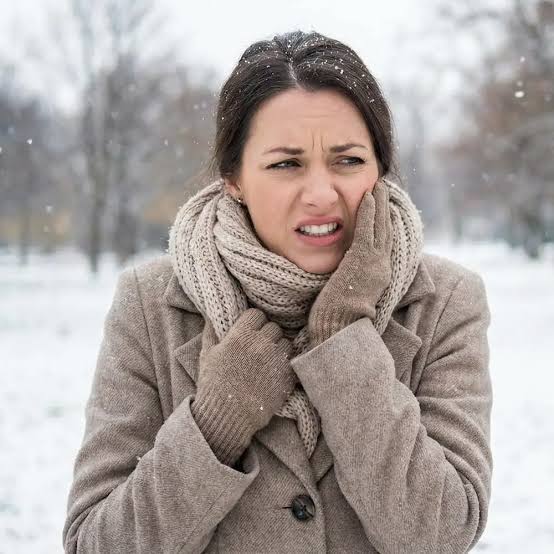
Why do my teeth hurt when I have a cold? It’s one of the most confusing symptoms of being sick, because teeth and colds don’t seem related at all.
Yet thousands of people search for this answer every month, and the reason is almost always the same: your sinuses, not your teeth, are the real problem.
When a cold inflames the tissue inside your sinuses, the pressure sits right on top of the roots of your upper teeth and creates an ache that feels exactly like a toothache.
What Causes Teeth to Hurt During a Cold

The maxillary sinuses sit directly above your upper back teeth. When a cold causes these sinuses to swell, the extra pressure presses down on the tooth roots below.
This is why the pain usually shows up in the upper molars and premolars rather than the front teeth or lower jaw. The lower teeth are simply too far away from the sinuses to be affected the same way.
Congestion also thickens mucus inside the sinus cavity. As that mucus builds up with nowhere to drain, pressure keeps climbing and the ache in your teeth gets worse throughout the day.
The Sinus and Tooth Connection Explained
Your face contains four pairs of sinuses, but the maxillary sinuses are the largest and sit closest to your teeth. Their floor is often only a thin layer of bone away from the tooth roots.
Because of this closeness, any swelling or fluid buildup inside the maxillary sinus transmits pressure almost directly onto the nerves at the tip of each tooth root.
That is why several teeth can hurt at once instead of just one. Sinus-related pain rarely stays confined to a single tooth, which is one of the biggest clues that it isn’t a cavity.
Common Symptoms of Sinus-Related Tooth Pain
| Symptom | What It Feels Like | Why It Happens |
|---|---|---|
| Multiple upper teeth aching | Dull, spread-out pain across several molars | Sinus pressure presses on many roots at once |
| Pain when bending forward | Sharp increase in ache when leaning down | Gravity pulls fluid and pressure downward |
| No single tooth pinpointed | Hard to identify exactly which tooth hurts | Pressure is diffuse, not localized like decay |
| Pain with nasal congestion | Ache rises and falls with stuffiness | Sinus swelling directly drives the pressure |
| Ear or jaw discomfort | Aching that spreads toward the ear | Sinuses, jaw joint, and ear sit close together |
Most people notice this pattern within a day or two of their cold symptoms starting. It tends to build gradually rather than appearing suddenly like a cracked tooth would.
Why Only the Upper Teeth Are Usually Affected
The lower jaw has no sinus cavities sitting above it, so sinus pressure has nothing to press against there. This is one of the clearest signs separating cold-related pain from dental pain.
If your lower teeth hurt during a cold, it is more likely linked to jaw clenching, dry mouth, or an unrelated dental issue rather than sinus pressure itself.
Dentists often use this exact detail, upper versus lower jaw, as a first quick check when patients call in confused about sudden tooth pain during a cold.
Sinus Pressure Versus a Dental Problem
Telling the difference matters because one resolves on its own while the other needs treatment. Sinus pain tends to affect a wide area, while dental pain usually points to one specific tooth.
Sinus-related pain often improves once you blow your nose, use a decongestant, or the congestion clears. Tooth decay or infection pain does not improve with these measures.
If the pain lingers well after your cold symptoms are gone, or if one tooth is clearly worse than the rest, that is a signal to book a dental check rather than wait it out.
Signs the Pain Is From Your Sinuses
Here are the patterns dentists and doctors most commonly look for when confirming sinus involvement.
Several upper teeth hurt together rather than one isolated tooth. The pain worsens when you bend over, jump, or lie down flat.
You also have other cold symptoms present at the same time, such as a blocked nose, facial pressure, or reduced sense of smell.
Signs the Pain Might Be Dental
A few warning signs suggest the issue is your tooth itself rather than your sinuses, and these deserve prompt attention.
Sharp, localized pain in one specific tooth that does not shift or spread is a common red flag for decay or a cracked tooth.
Visible swelling on the gum, a pimple-like bump, bad taste in the mouth, or pain that continues long after the cold has cleared all point toward a dental cause.
Why Cold Air and Hot Drinks Suddenly Hurt
Colds increase general inflammation throughout the head and face, and this can temporarily make nerve endings inside your teeth more reactive than usual.
As a result, cold air, hot coffee, or sweet snacks may sting in a way they normally wouldn’t, especially in teeth that already have thinner enamel or old fillings.
This heightened sensitivity is usually short-lived and fades naturally as your body’s inflammation settles down once the cold passes.
Dry Mouth and Mouth Breathing During a Cold
A blocked nose forces many people to breathe through their mouth, especially at night, and this dries out the mouth far more than usual.
Saliva plays a protective role by neutralizing acids and rinsing away bacteria, so less saliva means teeth and gums become more exposed to irritation and sensitivity.
Cold medications containing antihistamines or decongestants can make this dryness worse, adding another layer to the discomfort you feel in your teeth and gums.
Jaw Clenching and Bruxism When You’re Sick
Many people unconsciously clench or grind their teeth when they feel unwell, tired, or stressed, and being sick with a cold is a common trigger for this habit.
This clenching, known as bruxism, places extra strain on the jaw muscles and teeth, producing an ache that feels muscular rather than sharp and can affect both the upper and lower teeth.
Restless sleep caused by congestion often makes nighttime clenching worse, so people frequently notice the ache is stronger first thing in the morning.
Dehydration and Its Effect on Tooth Discomfort

Fevers, sweating, and reduced fluid intake during a cold can quickly lead to mild dehydration, which lowers saliva production even further.
Less saliva means your teeth lose one of their main natural defenses, making them feel more sensitive to temperature and pressure changes than they would normally.
Simply increasing water intake throughout the day is one of the easiest ways to reduce this particular source of discomfort.
Home Remedies to Relieve Cold-Related Tooth Pain
Most sinus-driven tooth pain responds well to simple home care rather than needing dental treatment, since the root cause is congestion and not decay.
A warm, damp towel pressed against the cheeks and nose can ease pressure within the sinus cavities and bring noticeable relief within minutes.
Saline nasal sprays, steam inhalation, and staying upright rather than lying flat also help drain the sinuses and reduce the pressure sitting on your tooth roots.
Hydration and Humidity Tips That Help
Drinking water consistently throughout the day keeps mucus thin, which helps it drain more easily instead of thickening and adding pressure inside the sinuses.
A humidifier in your bedroom adds moisture to dry indoor air, which can prevent nasal passages from drying out further and worsening congestion overnight.
Warm herbal teas and broths offer a similar benefit, combining hydration with the soothing warmth that many people find helpful during a cold.
Over-the-Counter Options for Relief
Decongestants can reduce swelling inside the sinus lining, which often brings quick relief to the pressure affecting your teeth, though they should be used as directed.
Standard pain relievers such as ibuprofen or acetaminophen can ease both the sinus pressure and any related jaw or facial discomfort in the short term.
Always check with a pharmacist if you’re combining cold medication with other prescriptions, since some decongestants aren’t suitable for everyone.
When Sinus-Related Tooth Pain Usually Fades
In most cases, tooth pain linked to a cold begins improving as soon as sinus congestion starts clearing, often within the same timeframe as the rest of the cold.
If the cold symptoms have fully resolved but the tooth pain continues on its own, that is no longer typical sinus behavior and deserves a closer look.
Tracking whether the ache rises and falls alongside your other cold symptoms is one of the simplest ways to judge whether it’s still sinus-related.
When You Should See a Dentist
While cold-related tooth pain is usually harmless, a few situations call for a dental visit rather than waiting things out at home.
Persistent pain after the cold has cleared, pain isolated to a single tooth, visible gum swelling, or a fever with facial swelling are all reasons to book an appointment.
A dentist can use a simple exam or digital X-ray to quickly confirm whether the sinuses or the tooth itself is the true source of the pain.
Booking this kind of check-up costs little time but offers real peace of mind, especially if the pain has made eating or sleeping difficult.
How Dentists Diagnose the Cause
Dentists typically start by asking whether the pain affects several teeth or just one, and whether it worsens when you bend forward, both classic sinus indicators.
Digital X-rays help rule out decay, infection, or a cracked tooth, giving a clear answer when the pain pattern alone isn’t conclusive enough.
If the exam shows the teeth are healthy, the dentist will usually suggest managing the cold itself and following up with a doctor if sinus symptoms persist.
Preventing Tooth Discomfort During Future Colds
Staying hydrated from the very first sign of a cold can reduce both sinus pressure and dry mouth before they become uncomfortable.
Using a humidifier, sleeping with your head slightly elevated, and treating congestion early with saline rinses can all limit how much pressure builds up in the sinuses.
Maintaining regular brushing and flossing during a cold also matters, since reduced saliva flow already raises the risk of plaque buildup during this time.
Rinsing with an alcohol-free mouthwash can also help offset dryness from mouth breathing without further irritating already sensitive teeth and gums.
Quick Comparison Table: Sinus Pain vs Dental Pain
| Feature | Sinus-Related Pain | Dental Pain |
|---|---|---|
| Location | Multiple upper teeth | Usually one specific tooth |
| Trigger | Worsens when bending forward | Worsens with hot, cold, or sweet foods |
| Timing | Rises and falls with cold symptoms | Present regardless of cold symptoms |
| Other signs | Nasal congestion, facial pressure | Gum swelling, bad taste, visible damage |
| Resolution | Improves as cold clears | Needs dental treatment to resolve |
Sinusitis Versus a Simple Cold
A common cold usually causes mild sinus congestion that clears up within a week to ten days without extra treatment.
Sinusitis, on the other hand, involves deeper inflammation of the sinus lining and can last much longer, sometimes needing antibiotics if it’s bacterial.
If your tooth pain and facial pressure stretch beyond two weeks, or come back repeatedly, sinusitis rather than a passing cold may be the real trigger.
Does Flu Cause the Same Tooth Pain as a Cold?

Flu and cold viruses both trigger similar sinus inflammation, so the tooth pain pattern is nearly identical between the two illnesses.
Because flu often comes with a higher fever and stronger body aches, some people notice the tooth and jaw discomfort feels more intense during flu than during a mild cold.
The same home remedies, hydration, warm compresses, and rest, apply whether the underlying illness is a cold, flu, or general sinus infection.
Cold-Related Tooth Pain in Children
Children can experience the same sinus-driven tooth pain as adults, though they may describe it as a general face or head ache rather than pointing to a tooth.
Since children’s sinuses are still developing, pressure symptoms can sometimes feel milder, but persistent complaints about tooth pain during a cold still deserve a pediatric dentist’s opinion.
Encouraging fluids and using a cool-mist humidifier in a child’s room are simple, safe ways to ease congestion-related discomfort at home.
Natural Ways to Ease Sinus Pressure Fast
Several natural methods can bring quick relief alongside standard home care, especially for people who prefer to avoid medication when possible.
Inhaling steam from a bowl of hot water, using a neti pot with saline solution, or applying a warm compress across the cheeks are all effective, low-cost options.
Sleeping with an extra pillow to keep your head elevated also reduces overnight sinus pressure, which often lessens morning tooth discomfort.
Common Myths About Cold-Related Tooth Pain
One common myth is that a cold can directly damage teeth, but the virus itself never touches the tooth structure at all.
Another myth is that any tooth pain during illness always signals a cavity, when in most cases it’s simply sinus pressure resolving on its own.
Some also believe cold medications don’t affect oral health, yet decongestants and antihistamines both commonly contribute to the dry mouth that worsens tooth sensitivity.
Related Searches People Also Ask
People searching this topic often also look up terms like sinus toothache remedy, upper teeth pain and congestion, toothache with flu, and sinus pressure home treatment.
Other related queries include why do my back teeth hurt when sick, tooth pain after cold goes away, and maxillary sinusitis tooth pain.
Understanding these related searches helps confirm the same underlying cause, sinus pressure on the upper molars, applies across nearly all of them.
Foods and Drinks to Avoid While Recovering
Very hot beverages, ice-cold drinks, and heavily sugary snacks can all irritate teeth that are already more sensitive from sinus inflammation.
Acidic foods like citrus fruits or soda may also sting sensitive gums and enamel, so it’s worth easing off them until the cold fully clears.
Soft, lukewarm foods and plenty of water are usually the most comfortable choice while your teeth and sinuses are still settling down.
Key Takeaways Before the FAQs
Tooth pain during a cold is common, and in the vast majority of cases it comes from sinus pressure rather than a dental problem.
Watching for patterns, multiple teeth affected, pain linked to bending, and improvement alongside cold symptoms, helps you judge whether home care is enough.
If anything feels off from that pattern, a quick dental visit provides clarity and rules out anything that needs proper treatment.
Frequently Asked Questions (FAQs)
1. Why do my teeth hurt when I have a cold?
Sinus inflammation from the cold presses on the roots of your upper teeth. This pressure creates an ache that mimics a toothache.
2. Which teeth are usually affected by sinus pressure?
Upper back teeth, especially molars and premolars, are affected most. Lower teeth are rarely involved since no sinuses sit above them.
3. How do I know if it’s sinus pain or a real toothache?
Sinus pain usually affects several upper teeth and worsens when bending forward. A single aching tooth points more toward a dental issue.
4. Can a cold cause tooth sensitivity to hot and cold?
Yes, increased inflammation during a cold can heighten nerve sensitivity in teeth. This makes hot drinks or cold air feel sharper than usual.
5. Does dry mouth from a cold make teeth hurt more?
Mouth breathing and cold medications reduce saliva flow. Less saliva means less protection, which can increase tooth sensitivity and discomfort.
6. Can jaw clenching during a cold cause tooth pain?
Yes, many people clench or grind their teeth when unwell. This bruxism adds muscular strain that feels like tooth or jaw pain.
7. How long does cold-related tooth pain usually last?
It typically fades as sinus congestion clears, often within the same one to two weeks as the cold itself.
8. What home remedies help with sinus-related tooth pain?
Warm compresses, saline sprays, steam inhalation, and staying hydrated all help reduce sinus pressure and ease related tooth discomfort.
9. When should I see a dentist about cold-related tooth pain?
See a dentist if pain is localized to one tooth, persists after the cold clears, or comes with gum swelling or fever.
10. Can sinusitis from a cold turn into a dental infection?
Sinusitis itself doesn’t cause decay, but a pre-existing dental infection can sometimes trigger or worsen sinus inflammation, so persistent pain should always be checked.
Conclusion
Teeth hurting during a cold feels alarming, but in most cases the real cause is sinus pressure, not a dental problem.
Because the maxillary sinuses sit so close to the roots of your upper molars, ordinary congestion can create an ache that feels exactly like a toothache.
Dry mouth, jaw clenching, mild dehydration, and heightened nerve sensitivity can all add to the discomfort while you’re sick.
The good news is that simple steps, staying hydrated, using a humidifier, applying warm compresses, and treating the congestion itself, usually bring relief within days. Pay attention to the pattern: pain spread across several upper teeth that eases as your cold improves is almost always sinus-related.
If the pain stays isolated to one tooth, lingers after the cold clears, or comes with swelling, it’s time to see a dentist for a proper check rather than assuming it will pass on its own.