Why Do Men’s Swim Trunks Have Netting? Here’s Why 2026
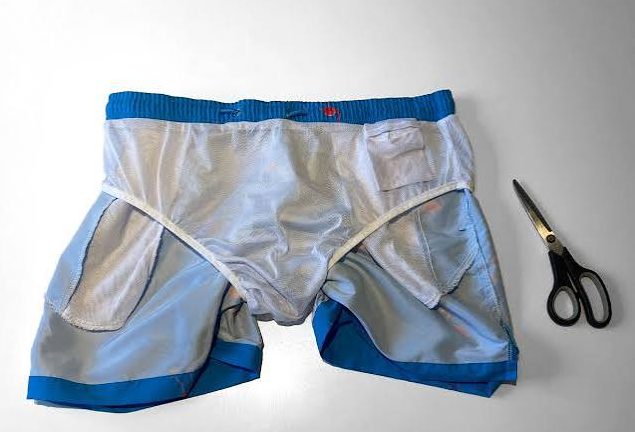
Why Do Men’s Swim Trunks Have Netting? Reach into a new pair of swim trunks and you’ll usually find a scratchy layer of mesh sewn inside. It’s not a manufacturing accident. It’s a deliberate design choice that’s been standard in men’s swimwear for decades.
Why Do Men’s Swim Trunks Have Netting?

Swim trunk netting, also called a mesh liner, exists to provide built-in support, help water drain quickly, and reduce see-through fabric when the shorts get wet. It was designed as a lightweight substitute for wearing underwear underneath.
What Is Swim Trunk Netting?
The netting is a loose, net-like liner sewn into the interior of swim trunks, typically along the crotch and hip area. It’s usually made from polyester or nylon mesh.
Unlike the outer shell of the shorts, the mesh liner isn’t meant to be seen. Its job is entirely functional, sitting between your skin and the outer fabric.
Why Manufacturers Add Mesh Liners
Built-In Support
The mesh liner was originally designed to mimic brief-style underwear. It holds everything in place so you don’t need to wear anything underneath the trunks.
Faster Water Drainage
Mesh is full of small holes, which lets water pass through quickly. This keeps the trunks lighter and helps them dry faster than a solid fabric liner would.
Reduced Transparency
Wet swim fabric can become see-through, especially in lighter colors. A mesh liner adds a layer of coverage that reduces this risk.
Cost and Manufacturing
Mesh liners are cheap and simple to produce, which is part of why they became the industry default. Most budget and mid-range swim trunks still use this construction.
The Problems With Mesh Netting
| Issue | Why It Happens |
|---|---|
| Itching and irritation | Rough mesh fibers rub against sensitive skin |
| Sand and grit buildup | Netting traps small particles that don’t rinse out easily |
| Stretching over time | Repeated wear and washing loosens the weave |
| Bunching | Loose mesh can shift and bunch during movement |
| Slower drying in practice | Trapped moisture in bunched mesh can offset the drainage benefit |
Reddit and product review threads are full of complaints comparing the sensation to sitting on rough, abrasive material, particularly after exposure to saltwater and sand.
Mesh Liner vs Compression Liner
Not all swim trunks use mesh anymore. Many modern brands now offer a compression liner instead.
| Feature | Mesh Liner | Compression Liner |
|---|---|---|
| Material | Loose polyester or nylon netting | 4-way stretch fabric |
| Fit | Loose, non-fitted | Snug, body-hugging |
| Chafing risk | Higher | Lower |
| Support level | Moderate | High |
| Sand/grit trapping | Common | Rare |
| Drying speed | Fast when not bunched | Fast and consistent |
A compression liner works more like a built-in athletic short. It replaces the need for underwear the same way mesh does, but without the loose netting that can bunch or trap debris.
Unlined Swim Trunks: The Third Option
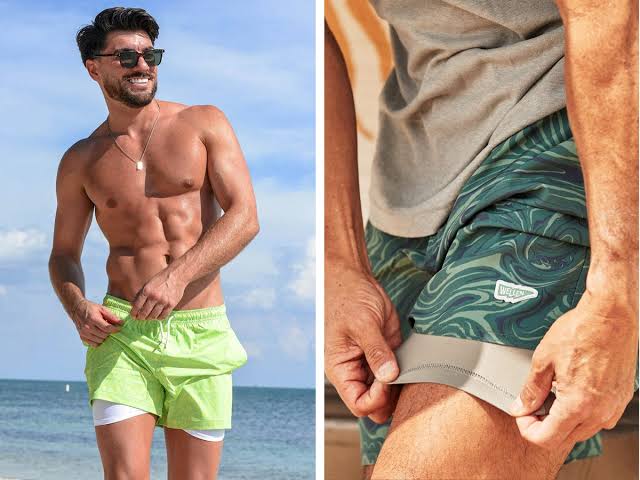
Some brands skip the liner entirely. Unlined trunks are the most lightweight option and offer the most airflow.
Pros of Unlined Trunks
- Maximum breathability and coolness
- No itching or mesh irritation
- Lighter overall feel
Cons of Unlined Trunks
- Less built-in support
- Seams and fabric may rub directly against skin
- Usually requires wearing underwear or boxer briefs underneath
Do You Actually Need the Netting?

Whether you need a liner depends on how you use the trunks and what feels comfortable to you. Casual beach days have different demands than active swimming or watersports.
When Mesh Liners Make Sense
- Budget swimwear where cost matters most
- Casual, low-activity beach wear
- If you’ve never had irritation issues with mesh before
When to Consider a Compression Liner Instead
- Frequent swimming, surfing, or watersports
- History of chafing or skin irritation
- Preference for a snug, athletic fit
When Unlined Trunks Make Sense
- You already wear boxer briefs or a swim brief underneath
- You prioritize breathability over built-in support
- You want the most minimalist, streamlined fit
How to Reduce Mesh Liner Irritation
- Rinse trunks thoroughly after beach or ocean use to remove trapped sand
- Avoid letting trunks air-dry while bunched, since this stretches the mesh unevenly
- Hand wash when possible to slow down wear and stretching
- Size up slightly if the netting feels tight against the skin
- Replace trunks once the mesh has visibly stretched or lost shape
Can You Remove the Mesh Liner Yourself?
Yes, some people cut the netting out of their swim trunks entirely. This is a common workaround for those who find mesh uncomfortable but don’t want to buy new swimwear.
Removing the liner does mean you’ll likely want to wear something underneath for support and coverage.
Frequently Asked Questions (FAQs)
Why do men’s swim trunks have netting inside?
The netting, or mesh liner, provides built-in support, helps water drain quickly, and reduces see-through fabric when the trunks get wet.
Is the mesh liner supposed to be uncomfortable?
No, but cheaper or worn-out liners often feel rough or scratchy against the skin, which is a common complaint.
Can I wear underwear with mesh-lined swim trunks?
Yes, though many people choose not to since the mesh liner is designed to provide support on its own.
What is a compression liner in swim trunks?
A compression liner is a fitted, stretchy inner short built into the trunks, offering more support and less chafing than loose mesh netting.
Are unlined swim trunks better than mesh-lined ones?
It depends on preference. Unlined trunks are more breathable but offer less built-in support than mesh or compression liners.
Why does mesh netting trap sand?
The small holes in the mesh weave catch and hold sand and grit, which can be uncomfortable if not rinsed out after use.
Can I cut the netting out of my swim trunks?
Yes, some people remove the liner entirely, though this typically means wearing something underneath for support.
Do all swim trunks have a liner?
No. Swim trunks come in mesh-lined, compression-lined, and unlined varieties, depending on the brand and style.
Why does mesh liner stretch out over time?
Repeated wear, washing, and exposure to sun and saltwater gradually loosen the weave of the mesh fabric.
What material is swim trunk netting usually made from?
Mesh liners are typically made from polyester or nylon, chosen for their quick-drying properties.
Does mesh netting help swim trunks dry faster?
Yes, in theory, since the mesh holes allow water to pass through quickly. In practice, bunched or stretched mesh can trap moisture instead.
Is a compression liner better for swimming and watersports?
Many active swimmers prefer compression liners since they reduce chafing and stay in place better during movement.
Why do some brands avoid mesh liners now?
Some modern swimwear brands have moved to compression liners or removed liners entirely to address common complaints about mesh comfort.
Do women’s swim shorts have the same netting issue?
Yes, mesh liners are also common in women’s swim shorts and carry similar comfort trade-offs.
Conclusion
The netting inside men’s swim trunks isn’t an oversight. It’s a decades-old design meant to add support, speed up drying, and reduce transparency in the water.
Whether that trade-off is worth it depends on how you use your swimwear, and today’s options range from classic mesh to compression liners to no liner at all.