Why Did Van Gogh Cut Off His Ear? Facts & Myths 2026
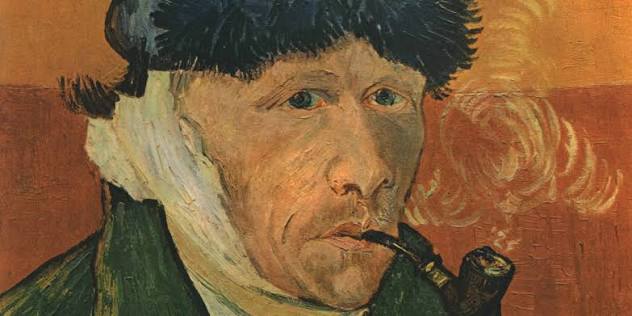
Why did Van Gogh cut off his ear is one of the most searched questions in art history, and the honest answer is that no one knows for certain.
What we do know is that on the night of December 23, 1888, in the French town of Arles, Vincent van Gogh injured his left ear during a mental health crisis following a tense confrontation with fellow painter Paul Gauguin.
The most common story says he did it to himself with a razor, though newer research has raised doubts.
The Basic Story Most Historians Accept
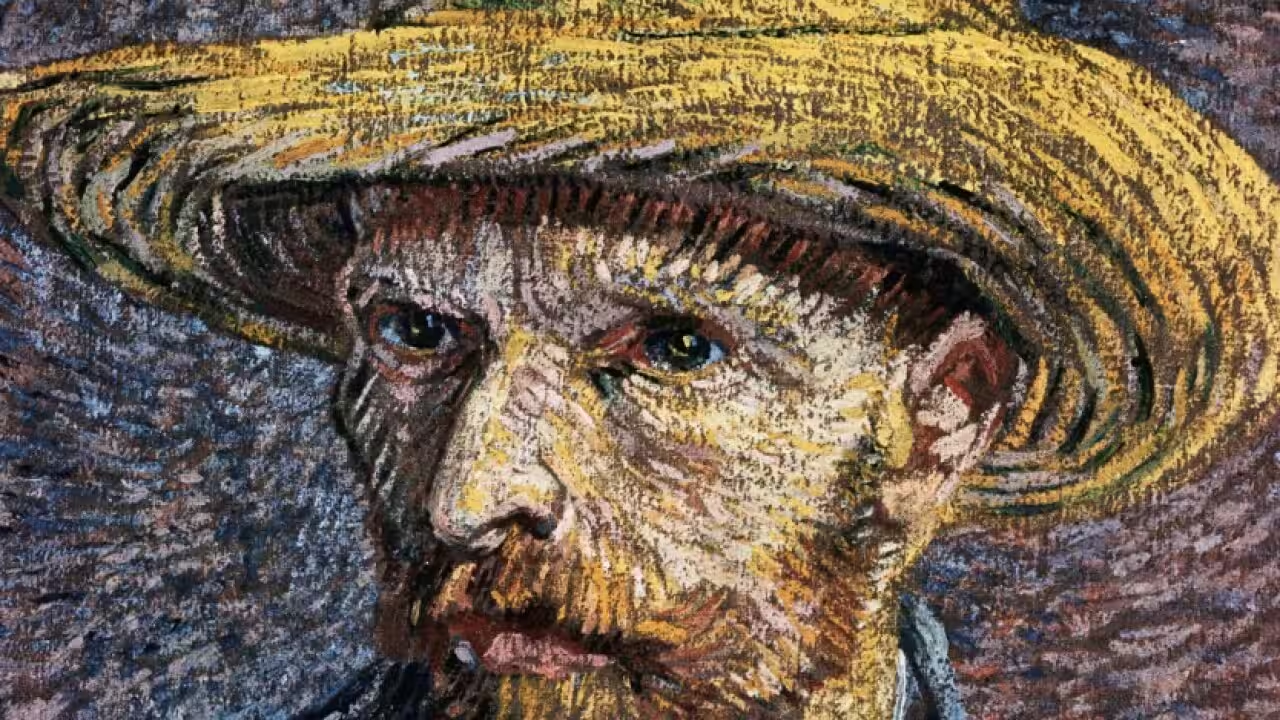
Van Gogh was living in the Yellow House in Arles, sharing the space with painter Paul Gauguin for several intense weeks in late 1888.
The two artists had grown increasingly tense with each other, arguing over art, money, and lifestyle. Their friendship was collapsing under the pressure of living together.
On the evening of December 23, the conflict reached a breaking point, and later that night Van Gogh suffered a severe episode that ended with part of his ear being cut.
What Happened on the Night of December 23
According to the most widely told account, Van Gogh threatened Gauguin during an argument, and Gauguin decided to leave and spend the night elsewhere rather than escalate things further.
Sometime after that, alone and in extreme distress, Van Gogh cut off part of his own left ear using a razor.
He then wrapped the wound and carried the severed piece of ear to a nearby brothel, where he handed it to a woman and asked her to keep it safe.
The Aftermath and Hospitalization
Police found Van Gogh unconscious at the Yellow House the next morning, surrounded by blood, and rushed him to the Hôtel-Dieu hospital in Arles.
Gauguin left Arles almost immediately afterward, effectively ending the two artists’ short but famous collaboration in the south of France.
Van Gogh could not remember much of what had happened during the episode itself, and he reportedly wanted to move past the incident quickly.
Table: Key Facts About the Incident
| Detail | Information |
|---|---|
| Date | December 23, 1888 |
| Location | The Yellow House, Arles, France |
| Companion present | Paul Gauguin |
| Injury | Part of the left ear |
| Aftermath | Hospitalized at Hôtel-Dieu, Arles |
| Later event | Admitted to Saint-Paul-de-Mausole asylum in 1889 |
This timeline is the version most museums and encyclopedias present as the standard account, though the exact motive behind the act remains debated.
Theory One: A Mental Health Crisis
The most widely accepted explanation is that Van Gogh was in the middle of a severe psychological breakdown, likely worsened by exhaustion, poor diet, and heavy drinking.
His physicians at the time described the episode using terms like acute mania and generalized delirium, reflecting how disturbed his condition appeared to those around him.
Modern researchers still debate the exact underlying condition, but nearly all agree that some form of psychiatric crisis played a central role in the event.
Theory Two: The Argument With Gauguin
Tension between Van Gogh and Gauguin had been building for weeks before the incident, driven by clashing personalities and disagreements over artistic direction.
Some historians believe the final argument on December 23 pushed Van Gogh past his breaking point, triggering the self-harm episode that followed hours later.
Gauguin’s decision to leave Arles for good right after the event only reinforced the idea that their fractured friendship was closely tied to what happened that night.
Theory Three: News About His Brother Theo
A more recent theory, put forward by art historian Martin Bailey, suggests Van Gogh may have received word that his brother Theo was planning to marry.
Theo was Vincent’s closest confidant and main financial supporter, so the news of his engagement may have triggered fear of abandonment and financial insecurity.
Bailey has argued this news arrived on the very day of the incident, suggesting it may have been an emotional trigger layered on top of the ongoing tension with Gauguin.
Theory Four: Gauguin Was Involved
A more controversial theory, proposed by two German academics in 2009, argues that Gauguin, a trained fencer, may have injured Van Gogh’s ear himself during a heated confrontation.
Under this theory, both men then agreed to keep the truth hidden, allowing the public story of self-mutilation to stand instead of implicating Gauguin.
This theory remains disputed and is not accepted by most mainstream art historians, though it continues to resurface in documentaries and popular retellings.
Theory Five: Absinthe and Alcohol Use
Van Gogh was known to drink absinthe regularly, a strong alcoholic drink that was popular among artists in Paris and southern France during that era.
Some researchers believe heavy alcohol use may have intensified his underlying mental health symptoms, contributing to the severity of the December episode.
While absinthe alone is unlikely to have caused the incident, most experts agree that alcohol use was one of several factors affecting his overall condition at the time.
Did Van Gogh Cut Off His Whole Ear?
Contrary to popular belief, most historical accounts suggest Van Gogh removed only part of his ear rather than the entire ear.
Descriptions from the time and later medical analysis point toward the lower portion of the ear lobe and surrounding area being affected rather than the whole outer ear.
This detail is often lost in retellings, where the story is simplified into the dramatic idea that he sliced off his ear completely.
What Illness Did Van Gogh Actually Have?
There is no single agreed diagnosis for Van Gogh’s condition, and researchers have proposed nearly thirty different theories over the past century.
Leading candidates include temporal lobe epilepsy, bipolar disorder, and borderline personality traits, often discussed together rather than as a single standalone explanation.
Other historical theories, including Ménière’s disease and lead poisoning, have mostly been ruled out by modern researchers examining his letters and medical records.
Table: Major Theories on Van Gogh’s Condition
| Proposed Condition | Key Supporting Idea |
|---|---|
| Temporal lobe epilepsy | Matches his described seizure-like episodes and confusion |
| Bipolar disorder | Explains alternating periods of intense energy and deep depression |
| Borderline personality traits | Fits his emotional instability and relationship struggles |
| Alcohol use disorder | Absinthe and heavy drinking likely worsened symptoms |
| Ménière’s disease | Once popular but now largely dismissed by researchers |
Life Before the Ear Incident
Van Gogh moved to Arles in early 1888, hoping the bright southern light would inspire a new phase of his artistic career.
He rented the Yellow House and invited Gauguin to join him, dreaming of forming an artists’ collective in the region.
During this period, he produced an extraordinary number of paintings, including well-known works like The Bedroom, showing just how productive he was despite his fragile mental state.
Life After the Ear Incident
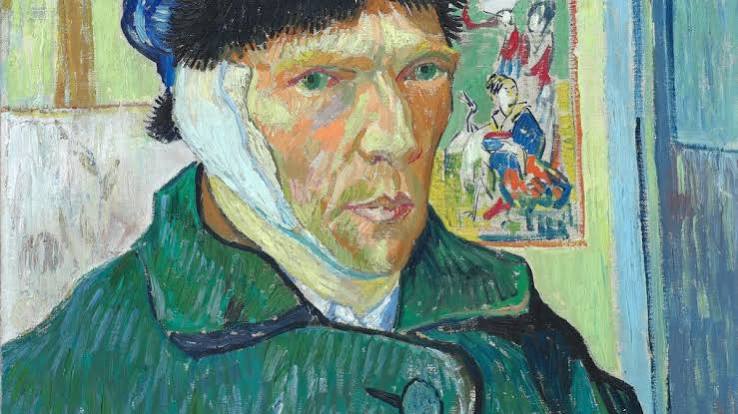
After a short hospital stay, Van Gogh returned home and resumed painting within weeks, producing his now-famous Self-Portrait with Bandaged Ear.
He suffered additional psychological episodes in the months that followed, eventually deciding to admit himself voluntarily to the Saint-Paul-de-Mausole asylum in Saint-Rémy-de-Provence.
During his time at the asylum, he continued painting prolifically, creating some of his most celebrated works, including versions of Starry Night.
The Self-Portraits With Bandaged Ear
Van Gogh painted at least two self-portraits showing himself with a bandage covering the injured ear, created shortly after the incident.
These paintings are now considered some of the most striking and psychologically revealing works in his entire catalog.
Art historians often study these portraits for clues about his emotional state, noting the calm expression contrasted against the visible trauma of the bandage.
Why This Story Still Fascinates People Today
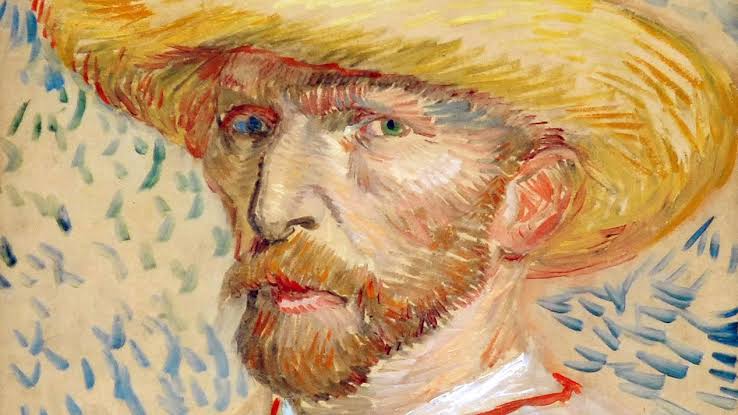
The ear incident has become shorthand for the idea of the tortured genius, an artist whose suffering and creativity seem inseparably linked.
This narrative has been repeated in books, films, and documentaries for over a century, cementing it as one of the most recognizable stories in art history.
Newer research complicating the traditional story has only added to the public fascination, since it shows how much of the accepted history still rests on incomplete evidence.
Common Myths About the Incident
One persistent myth is that Van Gogh cut off his ear specifically over a woman, though there is little solid evidence supporting this version.
Another myth claims the act was a calculated artistic statement rather than a genuine mental health crisis, an idea most historians reject.
A third myth suggests the story was invented entirely by newspapers of the time, though hospital and police records confirm the core event did happen.
What the Woman at the Brothel Did With the Ear
According to the traditional account, the woman fainted upon seeing the wrapped ear and later handed it over to authorities.
Some versions of the story name her, though details about her identity and later life remain uncertain and vary between historical sources.
This part of the story is often used to illustrate just how disoriented and disconnected from reality Van Gogh was during the episode itself.
How Historians Piece Together What Happened
Because Van Gogh could not clearly recall the event, historians rely heavily on police reports, hospital records, and newspaper accounts from the time.
Letters written by Van Gogh, his brother Theo, and people who knew them also provide valuable context about his mental state in the weeks before and after.
Even with all these sources combined, gaps remain, which is why so many competing theories continue to circulate among researchers and art historians.
Timeline Leading Up to the Incident
Van Gogh arrived in Arles in February 1888, drawn by the promise of vivid Provençal light and a fresh start away from Paris.
He invited Gauguin to join him that autumn, hoping to build a small community of artists working together in the Yellow House.
Gauguin arrived in late October 1888, and within weeks the two men’s differing habits, opinions on art, and personalities began creating friction between them.
The Relationship Between Van Gogh and Gauguin
Before Arles, Van Gogh and Gauguin had corresponded as friends and admired each other’s work from a distance, which made the reality of living together especially disappointing.
Gauguin was known for a more confident, assertive personality, while Van Gogh tended to be more emotionally intense and easily unsettled by conflict.
Letters from the time show growing frustration on both sides, with disagreements over painting styles, household routines, and how to spend their limited money.
How the Incident Was Reported at the Time
Local newspapers picked up the story within days, though early reports varied in detail and sometimes got basic facts wrong, including Van Gogh’s nationality.
These inconsistent early accounts are part of why historians still debate certain specifics of the night, since the original reporting wasn’t entirely reliable.
Despite the confusion in the press, the core outline, an injured ear, a visit to a brothel, and a hospital admission, remained consistent across most sources.
Van Gogh’s Own Words About the Incident
In letters written afterward, Van Gogh rarely discussed the event directly and seemed reluctant to revisit what had happened that night.
He focused instead on his recovery and his desire to keep painting, treating the incident as something to move past rather than dwell on.
This reluctance to explain himself is one reason so much of the story relies on outside accounts rather than his own testimony.
Legacy of the Incident in Popular Culture
The ear-cutting story has appeared in countless books, biopics, and documentaries, often dramatized well beyond what the historical record actually supports.
Films like Lust for Life and more recent portrayals have shaped public perception of the event, sometimes blurring the line between fact and dramatic license.
This constant retelling has helped make the incident one of the most recognized stories in art history, even among people unfamiliar with Van Gogh’s paintings.
Museums today often use the story as an entry point to discuss his broader struggles with mental health, rather than treating it as an isolated shocking event.
Where to See the Bandaged Ear Self-Portraits Today
One version of the self-portrait with a bandaged ear is held at The Courtauld Gallery in London, where it remains a popular piece for visitors.
A second version is part of a private collection, and reproductions of both are widely available in museum archives and art history resources.
Seeing these portraits in person is often described as a powerful experience, given how directly they connect viewers to this well-known moment in Van Gogh’s life.
Related Searches and LSI Terms
People researching this topic often also search for terms like Van Gogh ear story, Van Gogh Gauguin argument, Van Gogh mental illness, and Van Gogh asylum paintings.
Other common related searches include Van Gogh self portrait bandaged ear, Van Gogh Arles Yellow House, and theories about Van Gogh’s death.
These related terms all connect back to the same period of Van Gogh’s life, spanning his time in Arles through his final years at Saint-Rémy and Auvers-sur-Oise.
Van Gogh’s Final Years After Arles
After leaving the asylum in Saint-Rémy in 1890, Van Gogh moved to Auvers-sur-Oise, a village near Paris, to be closer to his brother Theo.
He continued painting at an extraordinary pace during this period, producing dozens of works in just a few short months under the care of Dr. Paul Gachet.
This late burst of work is now considered one of the most productive stretches of his entire career, despite the emotional weight he was carrying at the time.
Despite this burst of creativity, his emotional struggles never fully resolved, and he died in July 1890 from a self-inflicted gunshot wound, just two years after the ear incident.
Why the Full Truth May Never Be Known
Much of what we know comes from secondhand accounts, police reports, and letters rather than a clear firsthand explanation from Van Gogh himself.
This gap in direct evidence is exactly why new theories, from Gauguin’s possible involvement to family stress over Theo’s engagement, continue to surface even more than a century later.
Without additional primary sources, historians are left interpreting fragments, which means the true motive behind that night in Arles will likely remain partly speculative.
Key Takeaways Before the FAQs
Van Gogh’s ear injury in December 1888 followed weeks of tension with Gauguin and was almost certainly tied to a serious mental health crisis.
While the razor and self-harm story remains the standard account, alternative theories involving Gauguin’s involvement and family stress continue to be debated by historians.
No single explanation is universally accepted, which is part of why this single night in Arles remains one of the most discussed events in art history.
Frequently Asked Questions (FAQs)
1. Why did Van Gogh cut off his ear?
Most historians point to a severe mental health crisis following a heated argument with Paul Gauguin. The exact trigger remains debated among researchers.
2. Did Van Gogh cut off his whole ear or just part of it?
Most accounts agree he removed only part of his left ear. The full-ear version is a common exaggeration in retellings.
3. What happened to the piece of ear he cut off?
He reportedly wrapped it and gave it to a woman at a nearby brothel. She is said to have fainted upon seeing it.
4. Did Paul Gauguin actually cut off Van Gogh’s ear?
A disputed theory claims Gauguin, a skilled fencer, injured the ear during a confrontation. Most mainstream historians still reject this version.
5. What mental illness did Van Gogh have?
There’s no confirmed diagnosis, but theories include temporal lobe epilepsy, bipolar disorder, and borderline personality traits. Researchers still debate the exact condition.
6. Did absinthe cause Van Gogh’s ear incident?
Heavy alcohol use, including absinthe, likely worsened his symptoms. Most experts don’t consider it the sole cause of the event.
7. What happened to Van Gogh after the incident?
He was hospitalized, then later admitted himself to the Saint-Rémy asylum. He continued painting prolifically during his recovery there.
8. Why did Gauguin leave Arles after the incident?
Gauguin left almost immediately after the event, ending their brief artistic partnership. The tense relationship had already been deteriorating for weeks.
9. Did Van Gogh’s brother Theo play a role in the incident?
Some historians believe news of Theo’s engagement may have triggered emotional distress. This theory adds another possible layer to the crisis.
10. Is the ear-cutting story confirmed by historical records?
Yes, police and hospital records confirm the core event occurred. However, the precise motive and exact circumstances remain historically uncertain.
Conclusion
Van Gogh’s ear injury on December 23, 1888 remains one of art history’s most debated moments, and the full truth may never be completely settled.
The widely told story involves a razor, a severe mental health crisis, and a tense falling-out with Paul Gauguin, but newer research has introduced serious alternative theories, including possible involvement from Gauguin himself and emotional distress linked to his brother Theo’s engagement.
What’s clear is that Van Gogh was struggling with a serious psychological condition that researchers still can’t pin to a single diagnosis, whether epilepsy, bipolar disorder, or something else entirely. The incident didn’t end his art; if anything, the months that followed produced some of his most iconic paintings.
Understanding this event means separating the dramatic legend from the documented facts, and accepting that some mysteries about that night in Arles may never be fully resolved.