Why Did My Rolex Stop Working? Troubleshooting 2026

Why did my Rolex stop working is a question many owners ask the first time their precision Swiss timepiece suddenly goes silent. In most cases, the cause is far simpler than a mechanical failure and can be fixed within minutes at home.
The Most Common Cause: Depleted Power Reserve
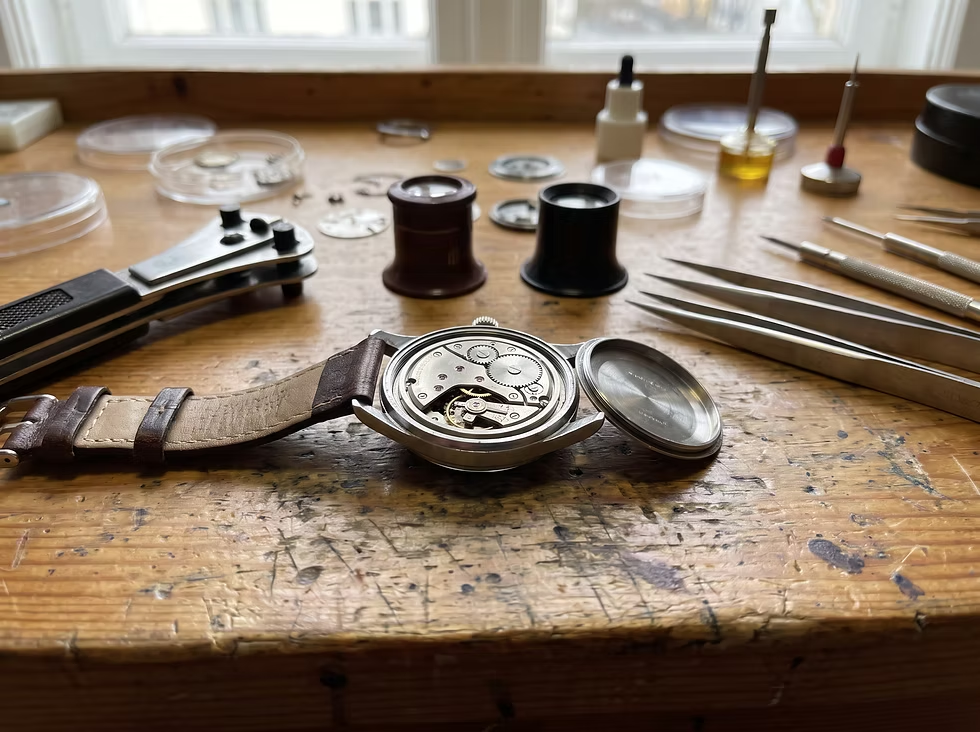
The overwhelming majority of Rolex stoppages happen simply because the watch has run out of stored energy.
Rolex uses an automatic “Perpetual” movement powered by the natural motion of your wrist throughout the day.
When the watch sits still longer than its power reserve allows, it will naturally stop running without any damage occurring.
How The Automatic Movement Works
Inside every Rolex, a rotor spins with your wrist movement and winds an internal mainspring.
This stored energy, known as the power reserve, typically lasts between 48 and 72 hours depending on the model.
Once this energy is depleted, the watch simply stops until it receives more motion or a manual wind.
Power Reserve By Model
| Rolex Model | Approximate Power Reserve |
|---|---|
| Oyster Perpetual | 48 hours |
| Datejust | 48 to 55 hours |
| Submariner | 70 hours |
| GMT-Master II | 70 hours |
| Sea-Dweller | 70 hours |
How To Manually Wind Your Rolex
Locate the crown on the side of the case and unscrew it counter-clockwise until it pops out to the winding position.
Turn the crown clockwise for approximately 30 to 40 full rotations until you feel slight resistance building.
Once wound, gently push the crown back in and screw it down fully to maintain water resistance.
Understanding Crown Positions
Most Rolex crowns have three positions, each serving a different function for winding, quick-setting, or time-setting.
Position 0 is fully screwed down against the case, protecting the watch from moisture and dust.
Position 1 allows manual winding, while position 2 typically enables time and date adjustment depending on the model.
Why Overwinding Is Not A Real Concern
Many owners worry about overwinding their Rolex, but modern movements include a safety clutch mechanism to prevent this.
This slip clutch disengages once the mainspring reaches full tension, protecting the movement from damage.
You can safely wind your Rolex fully without risk, as long as you avoid forcing the crown against resistance.
The Watch Stopped After Setting The Time
If your Rolex appears stopped right after setting the time, check whether the crown was left in the time-setting position.
Most automatic movements include a “hacking” function that stops the seconds hand while the crown is pulled out for setting.
Simply pushing the crown back in and screwing it down should resolve this immediately.
Magnetism And Its Effects
Modern life is filled with magnetic sources like smartphones, laptop speakers, and tablet covers that can affect mechanical watches.
If your Rolex movement becomes magnetized, it may run erratically fast or stop working altogether.
A professional demagnetization service can quickly resolve this issue without requiring a full repair.
Signs Your Watch May Be Magnetized
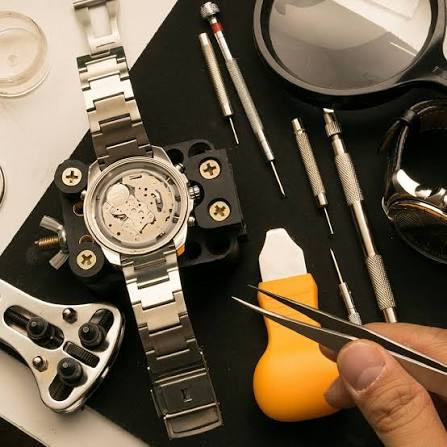
A Rolex affected by magnetism often gains significant time, sometimes several minutes per day, rather than stopping completely.
This erratic timekeeping is one of the clearest indicators that magnetism, rather than a power issue, is the cause.
Jewelers and watch shops can test for magnetism using specialized equipment before recommending demagnetization.
Moisture And Water Damage
Despite their reputation for water resistance, Rolex watches can occasionally allow moisture inside due to worn gaskets or seals.
Signs of moisture include cloudiness or visible droplets forming under the crystal.
If moisture is detected, professional assessment is essential, as continued exposure can lead to rust and further internal damage.
Preventing Water-Related Issues
Screwing the crown down fully after every use helps maintain the watch’s water-resistant seal over time.
Avoiding pressing the crown or adjusting the date while the watch is wet also reduces the risk of water entering the case.
Routine servicing helps replace worn gaskets before they become a source of moisture-related problems.
Aging Lubricants And Internal Wear
Over time, the lubricants inside a mechanical movement can dry up, increasing friction between tiny moving parts.
This natural aging process can cause a Rolex to run inaccurately or stop working altogether if left unaddressed.
Regular servicing every few years helps replace these lubricants before wear becomes a larger mechanical issue.
Recommended Servicing Intervals
Watchmakers generally recommend servicing a Rolex every three to four years with regular daily wear.
For watches worn only occasionally, a service interval of five to six years is typically sufficient.
Sticking to these intervals helps prevent minor lubrication issues from developing into costly mechanical repairs.
Worn Or Damaged Components
Like any mechanical device, individual components inside a Rolex movement can wear down after years of continuous use.
This wear can affect the balance wheel, escapement, or other small parts responsible for keeping accurate time.
A professional watchmaker can identify and replace worn components during a routine service appointment.
Effects Of Unauthorized Repairs
Watches repaired by unauthorized or inexperienced watchmakers sometimes use aftermarket parts not designed for the original movement.
These non-genuine parts can affect the balance and timing of the watch, leading to frequent stoppages or inaccuracies.
Always use authorized Rolex service centers or reputable watchmakers to avoid this type of issue.
Insufficient Wrist Movement
If you only wear your Rolex briefly each day or wear it loosely, it may not receive enough motion to stay fully charged.
This is especially common for people with lower daily activity levels or those who primarily sit at a desk.
Wearing the watch more consistently or using a watch winder can help maintain a full power reserve.
Using A Watch Winder
A watch winder mimics natural wrist motion, keeping an automatic Rolex fully wound even when it is not being worn.
This is particularly useful for collectors who rotate between multiple watches throughout the week.
Choosing a quality winder with the correct rotation settings helps avoid unnecessary strain on the movement.
Turns Per Day And Winder Settings
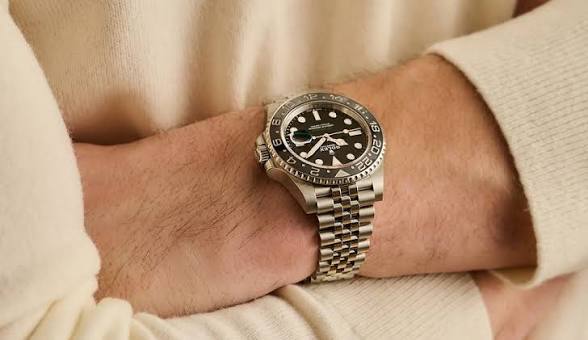
Different Rolex calibers require a specific number of turns per day to stay properly wound on a watch winder.
Using incorrect winder settings can result in insufficient winding, causing the watch to run low on power despite being on a winder.
Checking your specific caliber’s recommended turns per day ensures the winder keeps the watch fully charged.
Stuck Or Jammed Date Function
A Rolex date that will not change or feels stuck can indicate an internal gear issue rather than a simple power problem.
Attempting to force the date-setting mechanism, especially during the restricted 9 PM to 3 AM window, can damage internal gears.
If resistance is felt while adjusting the date outside this window, professional assistance is strongly recommended.
Watch Running Too Fast Or Too Slow
A Rolex that gains or loses noticeable time each day may be affected by magnetism, temperature changes, or mechanical wear.
This issue differs from a complete stoppage but still indicates the movement needs attention.
A watchmaker can test accuracy and identify whether demagnetization or a full service is needed.
Troubleshooting Steps In Order
| Step | Action | Likely Fix |
|---|---|---|
| 1 | Manually wind the crown 30-40 times | Resolves depleted power reserve |
| 2 | Check crown position | Resolves hacking function confusion |
| 3 | Test for magnetism symptoms | Requires professional demagnetizing |
| 4 | Inspect for moisture under crystal | Requires professional assessment |
| 5 | Consider watch age and last service | May require professional servicing |
When A Stopped Watch Is Not A Malfunction
If your Rolex stops after sitting unworn for a few days, this is completely normal and not a sign of damage.
Manually winding the watch or wearing it for several hours should restore normal function immediately.
Understanding this distinction can save owners unnecessary trips to a watch repair shop.
When To Seek Professional Help
If manual winding does not restart the watch, or if it stops again within 24 to 48 hours of regular wear, professional help is needed.
Persistent stoppages, erratic timekeeping, or visible moisture are all signs that go beyond a simple power reserve issue.
Authorized Rolex service centers or trusted watchmakers can accurately diagnose and repair deeper mechanical issues.
What Happens During Professional Servicing
A full service typically involves disassembling the movement, cleaning all components, and replacing worn parts and lubricants.
Watchmakers also test water resistance, accuracy, and power reserve after reassembly to ensure the watch meets original specifications.
This thorough process helps extend the life of the movement for many more years of reliable use.
Cost Considerations For Servicing
Servicing costs vary depending on the model, the extent of wear, and whether any parts need replacement.
While servicing represents an investment, it is essential for maintaining both the function and long-term value of a luxury watch.
Skipping regular servicing can lead to more expensive repairs down the line due to accumulated wear.
Preventive Care Tips
Wearing your Rolex regularly or using a properly configured watch winder helps maintain consistent power reserve levels.
Avoiding exposure to strong magnetic fields, such as speakers or laptop covers, reduces the risk of magnetism-related issues.
Following recommended servicing intervals ensures lubricants and components remain in optimal working condition over time.
Why This Issue Is So Common
Many Rolex owners mistakenly believe a stopped watch indicates a serious malfunction, when in most cases it simply needs winding.
This misunderstanding stems from unfamiliarity with how automatic movements rely on consistent motion to stay powered.
Understanding this basic mechanism can save owners both time and unnecessary repair costs.
Comparing Automatic And Quartz Watches
Unlike automatic Rolex watches, quartz watches rely on a battery to send electrical current through a crystal for timekeeping.
Quartz movements require far less maintenance but lack the mechanical craftsmanship associated with automatic luxury watches.
Since nearly all modern Rolex watches use automatic movements, understanding power reserve behavior is essential for owners.
Temperature And Environmental Factors
Extreme temperature changes can affect the lubricants and metal components inside a mechanical Rolex movement.
Exposing your watch to very hot or cold environments for extended periods may temporarily affect its accuracy or performance.
Storing your Rolex at room temperature when not worn helps maintain consistent, reliable timekeeping over the long term.
Impact Damage And Shocks
A sudden impact or drop can potentially disturb the delicate internal components of an automatic movement.
While Rolex movements are built to withstand daily wear and typical activity, significant shocks may still affect timekeeping accuracy.
If your watch stops or behaves oddly after an impact, a professional inspection is the safest next step.
Altitude And Air Pressure Considerations
Rapid changes in altitude, such as during air travel, can occasionally affect the performance of mechanical watch movements.
Most modern Rolex watches are designed to handle typical altitude changes without any noticeable impact on function.
However, if timekeeping issues arise shortly after air travel, it is worth monitoring the watch closely over the following days.
Understanding The Perpetual Rotor System
The perpetual rotor is a weighted, semi-circular component that swings freely with wrist movement to wind the mainspring.
This ingenious system, pioneered by Rolex in 1931, remains the foundation of modern automatic watchmaking today.
Understanding how this rotor functions helps explain why consistent wrist motion is so essential for keeping the watch powered.
Why Rolex Chose Automatic Movements
Rolex has built its reputation around precision automatic movements rather than relying primarily on battery-powered quartz mechanisms.
This choice reflects the brand’s commitment to traditional watchmaking craftsmanship and long-term mechanical reliability.
While automatic movements require more attentive care than quartz watches, they are widely valued for their engineering and heritage.
Common Myths About Rolex Stoppages
A common myth suggests that a stopped Rolex always indicates a serious internal failure requiring expensive repairs.
In reality, the vast majority of stoppages are simply due to a depleted power reserve after periods without wear.
Dispelling this myth helps owners approach troubleshooting calmly rather than assuming the worst about their watch’s condition.
Another Common Misconception
Some owners believe that manually winding an automatic Rolex is unnecessary or could somehow damage the watch.
In fact, manual winding is a normal, safe function built into these movements and is often the fastest way to restart a stopped watch.
Understanding this can help owners feel more confident handling their watch without unnecessary worry.
The Value Of Understanding Your Specific Model
Different Rolex models have varying power reserves, crown configurations, and winding requirements based on their movement caliber.
Familiarizing yourself with your specific model’s specifications can help you troubleshoot issues more accurately and confidently.
Referring to your watch’s official documentation or an authorized dealer can provide model-specific guidance when needed.
How To Tell If Your Watch Needs Servicing
Signs that servicing may be needed include noticeable time loss, difficulty winding, or a reduced power reserve compared to when the watch was new.
Unusual sounds, resistance while winding, or a date function that no longer changes smoothly are also common indicators.
If you notice any of these signs alongside a stoppage, scheduling a professional inspection sooner rather than later can prevent further wear.
Final Thoughts On Troubleshooting Your Rolex
Diagnosing why a Rolex stopped working starts with ruling out the simplest and most common cause, a depleted power reserve.
Working through the troubleshooting steps in order, from manual winding to checking for magnetism and moisture, helps identify the true underlying issue.
For most owners, patience and a basic understanding of how automatic movements function will resolve the majority of stoppage concerns quickly.
Key Takeaways About A Stopped Rolex
Most stoppages are caused by a depleted power reserve and can be fixed with a simple manual wind.
Persistent issues may involve magnetism, moisture, aging lubricants, or worn components requiring professional attention.
Regular wear, proper winding habits, and routine servicing help prevent future stoppages and maintain long-term accuracy.
Quick Summary Before FAQs
A Rolex stopping is usually a normal result of the power reserve running out after periods without wear.
Persistent or repeated stoppages, erratic timekeeping, or visible moisture point toward issues that require professional diagnosis and repair.
Below are the most frequently asked questions about a stopped Rolex, answered briefly for quick reading.
Frequently Asked Questions (FAQs)
Why did my Rolex stop working overnight?
Most Rolex models have a 48 to 72 hour power reserve. If left unworn overnight or longer, the watch simply runs out of stored energy.
How do I restart a stopped Rolex?
Unscrew the crown, wind it clockwise 30 to 40 times until you feel resistance, then set the time and push the crown back in.
Can I overwind my Rolex?
No, modern Rolex movements include a safety clutch that prevents damage from overwinding, so a full manual wind is always safe.
Why does my Rolex run fast or lose time?
This is often caused by magnetism from nearby electronic devices. A professional demagnetizing service usually resolves the issue.
Is a stopped Rolex a sign of damage?
Not usually. In most cases, it simply needs winding after sitting unworn longer than its power reserve allows.
Should I use a watch winder for my Rolex?
Yes, a watch winder with correct settings can keep your Rolex fully wound when not worn regularly.
What if moisture appears under the crystal?
This indicates water may have entered the case. Seek professional assessment immediately to prevent rust or further damage.
How often should I service my Rolex?
Experts recommend servicing every 3 to 4 years with regular wear, or 5 to 6 years with occasional use.
Why is my Rolex date function stuck?
A stuck date may indicate an internal gear issue, especially if forced during the restricted setting window. Seek professional help.
When should I take my Rolex to a professional?
If manual winding doesn’t fix it, or the watch stops again within 24 to 48 hours of regular wear, professional service is needed.
Conclusion
A Rolex that suddenly stops working is often far less concerning than it first appears, with the vast majority of cases caused simply by a depleted power reserve rather than any real mechanical fault. A quick manual wind of 30 to 40 rotations is usually enough to bring the watch back to life within minutes.
However, if the stoppage persists, or if you notice erratic timekeeping, moisture under the crystal, or a stuck date function, these are signs that point toward deeper issues like magnetism, water damage, or worn components.
In these cases, professional servicing from an authorized Rolex center or trusted watchmaker is the safest path forward.
With proper winding habits, regular wear, and routine servicing every few years, most Rolex owners can avoid unexpected stoppages and enjoy decades of reliable, precise timekeeping from their investment.