Why Can’t Babies Have Water? Baby Hydration Facts 2026
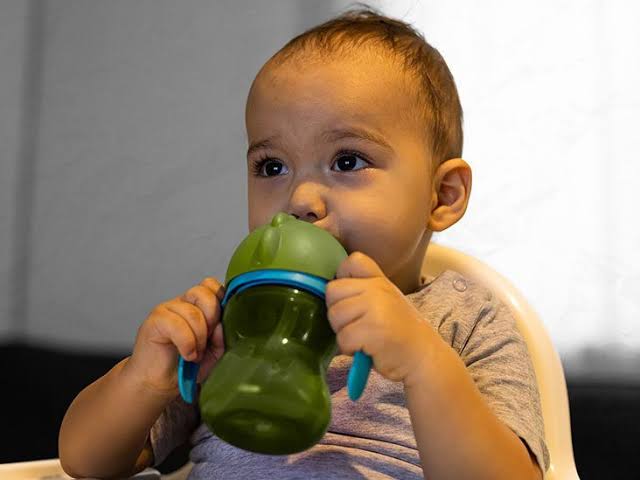
Why can’t babies have water is one of the most common questions new parents ask their pediatrician. It sounds harmless, even helpful, especially on a hot day when your little one looks flushed and fussy.
But babies under 6 months old have tiny stomachs, immature kidneys, and very specific nutritional needs that plain water can actually disrupt.
Breast milk and formula are already made up mostly of water, along with the calories, sodium, and nutrients your baby needs.
What Happens When Babies Drink Water Too Early
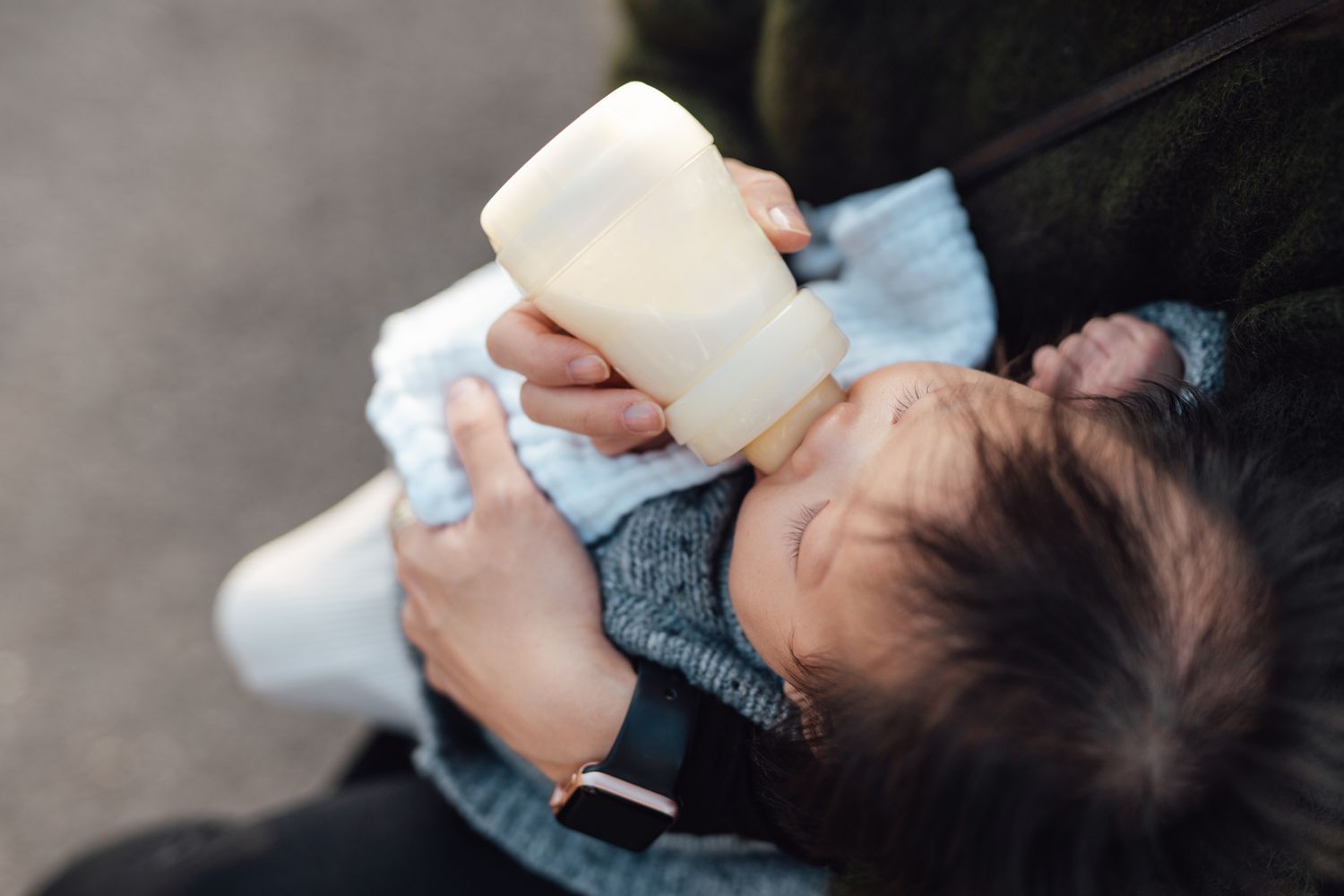
A newborn’s body is built around one job in the first six months: growing fast on a liquid-only diet. Adding plain water into that system throws off a delicate balance.
Water has zero calories, zero protein, and none of the vitamins a growing baby needs. When it fills a tiny stomach, it pushes out room that should go to breast milk or formula.
This is why doctors say water isn’t just unnecessary before 6 months, it’s potentially harmful. The two biggest concerns are lost nutrition and a condition called water intoxication.
Why Babies’ Tiny Stomachs Can’t Handle Water
At birth, a baby’s stomach holds only about 5 to 10 milliliters, roughly the size of a small marble or a cherry. There simply isn’t room for anything that doesn’t nourish them.
By one month, the stomach grows to about 80 to 150 milliliters, still tiny compared to an adult stomach. Every ounce that goes in needs to count toward growth.
If water takes up that limited space, your baby drinks less breast milk or formula. Over days and weeks, this can lead to slower weight gain and lower blood sugar.
Table: Baby Stomach Capacity By Age
| Baby’s Age | Approximate Stomach Capacity | What This Means |
|---|---|---|
| Day 1 (newborn) | 5–10 mL (size of a cherry) | Needs frequent, tiny feeds only |
| Day 3 | 22–27 mL (size of a walnut) | Still very limited capacity |
| 1 week | 45–60 mL (size of an apricot) | Growing but still small |
| 1 month | 80–150 mL (size of an egg) | No room to spare for water |
| 6 months | 150–200 mL | Small water sips can be introduced |
The Real Risk: Water Intoxication (Hyponatremia) in Infants
The most serious danger of giving a young baby water is a condition called water intoxication, medically known as hyponatremia. It happens when there’s too much water and not enough sodium in the bloodstream.
A newborn’s kidneys are still developing and can’t filter out excess water quickly. Even a few ounces can overwhelm their system in a way an adult’s body never would.
When sodium gets diluted too far, it disrupts how cells function throughout the body, especially in the brain. This is why pediatricians treat the “just a little water” idea so seriously.
Symptoms of Water Intoxication in Babies
Water intoxication can escalate quickly, so knowing the warning signs matters for every caregiver. Early symptoms are easy to miss if you don’t know what to look for.
Table: Signs of Water Intoxication in Infants
| Symptom | What It Looks Like |
|---|---|
| Puffy or swollen face | Face appears rounder or bloated than usual |
| Irritability | Unusual fussiness that doesn’t settle with feeding |
| Low body temperature | Skin feels cooler than normal |
| Drowsiness or lethargy | Baby is unusually hard to wake or keep alert |
| Seizures | A medical emergency requiring immediate care |
If you notice any of these signs after your baby has had water, seek emergency medical attention right away. This is not a wait-and-see situation.
How Babies Get Enough Hydration Without Water
Here’s the reassuring part: breast milk and formula are roughly 80 to 90 percent water already. Your baby is getting plenty of fluid every time they feed.
These liquids are specifically balanced with the right amount of water, sodium, sugar, and fat for an infant’s body. Nothing needs to be added, not even on the hottest days.
Frequent feeding, not extra water, is the answer to keeping a baby hydrated. More milk at the breast or bottle does the job water cannot.
Breast Milk vs Formula vs Water: A Quick Comparison
Understanding what each liquid actually provides makes it much clearer why water falls short for infants under 6 months.
Table: Breast Milk vs Formula vs Plain Water
| Feature | Breast Milk | Formula | Plain Water |
|---|---|---|---|
| Water content | About 87% | About 85–90% (when mixed correctly) | 100% |
| Calories | Yes, roughly 20 kcal/oz | Yes, roughly 20 kcal/oz | None |
| Sodium & electrolytes | Balanced for infants | Balanced for infants | None |
| Protein, fat, vitamins | Yes, complete | Yes, complete | None |
| Safe before 6 months | Yes | Yes | No |
When Can Babies Start Drinking Water
Most pediatric guidelines, including the American Academy of Pediatrics, agree that water can be introduced around 6 months. This lines up with when solid foods typically start.
At this stage, a baby’s kidneys are more mature and better equipped to process extra fluid. Their stomach capacity has also grown enough to handle small sips without displacing nutrition.
Even then, water should stay a small addition, not a replacement for breast milk or formula. Milk feedings remain the primary source of nutrition through the first year.
Table: Recommended Water Introduction Timeline
| Age | Water Recommendation |
|---|---|
| 0–6 months | No water at all |
| 6 months | A few sips with meals, offered in an open cup |
| 6–12 months | Up to 4–8 ounces total per day, alongside milk feeds |
| 12+ months | Water can be offered more freely alongside whole milk |
How Much Water Can a Baby Have at 6 Months
Once solids are introduced, small amounts of water help babies get used to drinking from a cup. Think teaspoons and tablespoons, not full bottles.
Experts generally suggest no more than 4 to 8 ounces of water spread across the entire day for babies between 6 and 12 months. Breast milk or formula should still make up the bulk of daily fluid intake.
Offering water at mealtimes in an open or sippy cup also helps build a lifelong healthy habit. It’s more about learning the skill than meeting a hydration need at this stage.
Signs Your Baby Is Getting Enough Hydration
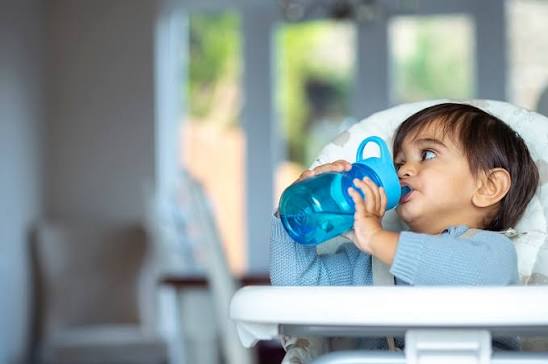
Parents often worry their baby is thirsty, especially in warm weather, but there are simple ways to check hydration status without giving water.
Wet diapers are the easiest indicator. A well-hydrated baby typically has 6 or more wet diapers in a 24-hour period, with pale yellow urine.
A moist mouth, tears when crying, and a soft (not sunken) fontanelle are also good signs. Alert, active behavior between feeds is reassuring too.
Table: Hydration Check Signs
| Sign | Well Hydrated | Possibly Dehydrated |
|---|---|---|
| Wet diapers per day | 6 or more | 3 or fewer |
| Urine color | Pale yellow | Dark yellow or strong-smelling |
| Mouth | Moist | Dry or sticky |
| Fontanelle (soft spot) | Flat, soft | Sunken |
| Behavior | Alert, active | Lethargic, unusually sleepy |
What To Do If Your Baby Accidentally Drank Water
A tiny accidental sip, like a drop from a shared cup, usually isn’t cause for panic. The real risk comes from larger, repeated amounts of plain water.
If your baby swallowed a small amount once, simply continue normal feeding and watch for unusual symptoms. Call your pediatrician if you’re ever unsure.
If your baby drank several ounces of water, or shows any signs of water intoxication like puffiness or extreme sleepiness, seek medical care immediately. It’s always better to check than to wait.
Common Mistakes Parents Make With Baby Water
A few well-meaning habits can accidentally put babies at risk, and it’s worth knowing them before they happen in your own home.
Diluting formula to save money. Adding extra water to stretch formula powder reduces calories and nutrients while raising the risk of water intoxication. Always mix formula exactly as directed on the package.
Offering water on hot days “just in case.” More frequent breastfeeding or formula feeds cool and hydrate a baby better than water ever could. Skip the water bottle, add another feed instead.
Using water to settle a fussy baby. Fussiness is rarely about thirst in babies under 6 months. Offering the breast or bottle addresses both hunger and comfort at once.
Giving water with medication too early. Some medicines are mixed with water for older kids, but infant doses are usually formulated to be given directly. Always follow your pediatrician’s specific instructions.
Baby Hydration Facts 2026: Quick Reference
Keeping all the key numbers in one place makes it easier to remember the essentials when you’re a sleep-deprived new parent.
Table: Baby Hydration Facts At A Glance
| Fact | Detail |
|---|---|
| Water-free period | Birth to 6 months |
| Main hydration source (0–6 months) | Breast milk or formula only |
| Newborn stomach size | About 5–10 mL |
| Main infant hydration risk | Water intoxication (hyponatremia) |
| Safe water introduction age | Around 6 months, with solids |
| Recommended daily water (6–12 months) | 4–8 ounces total |
| Normal wet diaper count | 6 or more per day |
| Leading medical guidance source | American Academy of Pediatrics |
What Pediatricians and Health Bodies Say About Baby Water
Major health organizations are aligned on this topic, which is unusual for parenting advice that often varies by source. Their guidance gives parents a clear, consistent answer.
The American Academy of Pediatrics advises exclusive breast milk or formula feeding for the first 6 months, with no water needed in between. This recommendation is echoed by the World Health Organization and most national pediatric associations.
Pediatricians repeat this guidance often because the “just a sip won’t hurt” myth is so common. Consistent messaging helps prevent accidental water intoxication cases in emergency rooms.
Doctors also point out that healthy, well-fed babies never actually need water for hydration before 6 months. The body’s fluid needs are already fully met through milk feeds.
Water Used To Mix Baby Formula
There’s an important distinction between giving a baby water to drink and using water to prepare formula. The water used in formula prep should always be safe and properly measured.
Tap water is generally fine for formula in most areas with regulated water supplies, but check local advisories. Some pediatricians recommend boiling and cooling water for newborns under 3 months, especially if the water source isn’t well tested.
Bottled water isn’t automatically safer and doesn’t need added minerals for babies. Follow your formula’s exact mixing instructions rather than adding extra water for any reason.
Table: Formula Water Preparation Quick Tips
| Situation | What To Do |
|---|---|
| Newborn under 3 months | Boil water, let it cool to lukewarm, then mix formula |
| Tap water in a regulated area | Generally safe; check local water advisories |
| Well water at home | Have it tested for safety before regular use |
| Bottled water | Fine to use, but not required or automatically “safer” |
| Mixing ratio | Always follow the exact instructions on the formula label |
Traveling and Hot Weather Tips for Newborn Hydration
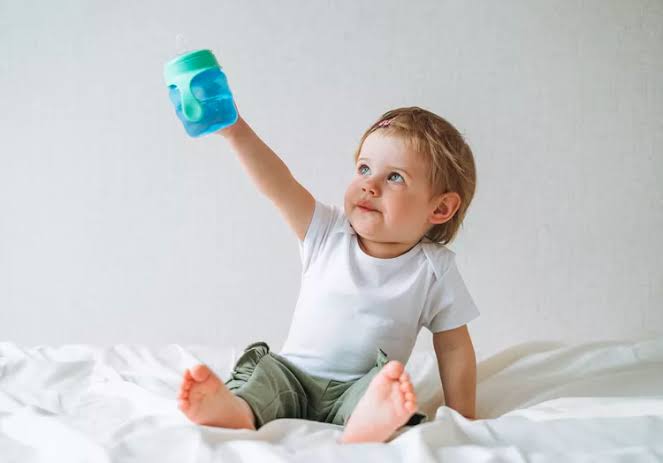
Long car rides, flights, or summer outings can make parents nervous about their baby’s fluid needs. The good news is the same rule applies everywhere: more milk, not water.
Offer breast or bottle feeds more frequently when it’s hot outside or during travel. Shorter, more frequent feeds keep hydration steady without overloading the stomach at once.
Dress your baby in light, breathable clothing and keep them in shade whenever possible. Avoid direct sun exposure, especially during the hottest parts of the day.
Watch for early dehydration cues like fewer wet diapers, a dry mouth, or unusual fussiness during travel. If these appear, increase feeding frequency and contact your pediatrician if they don’t improve.
Baby Water Myths vs Facts
Misinformation about baby hydration spreads easily between generations, especially from well-meaning relatives. Separating the myths from facts protects your baby’s health.
Table: Baby Water Myths vs Facts
| Myth | Fact |
|---|---|
| “A little water never hurt anyone.” | Even small repeated amounts can dilute sodium levels in infants. |
| “Water helps with baby constipation.” | Extra breast milk or formula, or a pediatrician’s guidance, is the safer fix. |
| “Formula needs extra water to be gentler on the tummy.” | Diluting formula removes needed calories and nutrients. |
| “Babies get thirsty just like adults.” | Milk feeds fully cover hydration needs before 6 months. |
| “Bottled water is safe for any age baby.” | Age matters more than water source; under 6 months, avoid water entirely. |
Overhydration vs Dehydration in Infants
It helps to understand that both too little and too much fluid can cause problems, just in very different ways. Babies need balance, not extremes.
Dehydration happens when a baby loses more fluid than they take in, often from illness, fever, or inadequate feeding. It shows up as fewer wet diapers and a dry mouth.
Overhydration, or water intoxication, happens when too much plain water enters a system built for concentrated, nutrient-rich milk. It shows up as puffiness, low sodium, and neurological symptoms.
Table: Dehydration vs Overhydration Comparison
| Condition | Common Cause | Key Signs |
|---|---|---|
| Dehydration | Illness, fever, low milk intake | Fewer wet diapers, dry mouth, sunken fontanelle |
| Overhydration (water intoxication) | Giving plain water or over-diluted formula | Puffy face, low body temperature, seizures |
Building Healthy Water Habits After 6 Months
Once your baby crosses the 6-month mark, introducing water the right way sets the stage for good habits later on. Small, consistent steps work best.
Offer water in an open cup or a straw cup rather than a bottle. This supports oral development and avoids building a habit of bottle-feeding water.
Pair water with mealtimes rather than offering it constantly throughout the day. This keeps milk feeds as the main source of nutrition while water plays a supporting role.
Avoid flavored water, juice, or sweetened drinks in the first year. Plain water is the only appropriate option alongside breast milk or formula.
Talking to Family Members About Baby Water Rules
Grandparents and relatives often grew up in a time when giving babies water was common advice. It can be tricky to explain updated guidelines without causing tension.
Frame the conversation around updated medical research rather than criticism of past practices. Most relatives simply want to help and will understand once they hear the reasoning.
Keep it simple: explain that breast milk and formula already provide all the water a baby needs. Mention that pediatricians now link early water intake to real health risks like water intoxication.
Sharing a quick fact, like the AAP’s no-water-before-6-months guidance, often settles the conversation quickly. Most caregivers are happy to follow the safest, most current advice once they know it.
Frequently Asked Questions (FAQs)
1. Why can’t babies have water before 6 months?
Their tiny stomachs and immature kidneys can’t safely process extra water. It also displaces the calories and nutrients they need from breast milk or formula.
2. What happens if a baby drinks water too early?
Small accidental sips are usually fine, but larger amounts can dilute sodium levels. This may lead to water intoxication, a serious medical condition.
3. Is water intoxication in babies really dangerous?
Yes, it can cause swelling, seizures, and in severe cases, brain injury. It requires immediate medical attention if symptoms appear.
4. Can babies have water on hot summer days instead of milk?
No, extra breastfeeding or formula feeds hydrate a baby better than water. Water does not replace the electrolytes and nutrition babies need in heat.
5. When can babies start drinking water safely?
Most pediatricians recommend introducing small sips around 6 months. This usually lines up with the start of solid foods.
6. How much water can a 6-month-old baby have?
Generally no more than 4 to 8 ounces spread across the day. Breast milk or formula should still be the primary fluid source.
7. Does formula already contain enough water for my baby?
Yes, formula mixed correctly is about 85 to 90 percent water. It’s specifically balanced to meet all hydration needs.
8. Can I dilute formula with extra water to make it last longer?
No, diluting formula reduces essential nutrients and raises the risk of water intoxication. Always mix formula exactly as the label directs.
9. How do I know if my baby is dehydrated without giving water?
Check for 6 or more wet diapers a day, a moist mouth, and tears when crying. Fewer wet diapers or a sunken soft spot can signal dehydration.
10. What should I do if my baby accidentally swallowed water?
A single small sip is rarely a concern; just continue normal feeding. Watch for puffiness, unusual sleepiness, or seizures, and call your pediatrician if worried.
Conclusion
Understanding why can’t babies have water comes down to two simple facts: their stomachs are too small to spare room for empty calories, and their kidneys aren’t ready to filter out extra fluid safely.
Breast milk and formula already supply everything a baby needs, including the water itself, in a perfectly balanced form.
Introducing plain water before 6 months risks displacing nutrition and, in more serious cases, triggering water intoxication.
Once your baby reaches 6 months and starts solid foods, small sips of water become safe and even helpful for building healthy habits.
Until then, frequent breastfeeding or formula feeding is the only hydration your baby needs, even during hot weather or illness.
When in doubt about your baby’s fluid intake, your pediatrician remains the best resource for personalized, evidence-based guidance.