What Is a Pun? Meaning, Definition & Examples 2026

What Is a Pun? A pun is a form of wordplay that uses the multiple meanings of a word, or words that sound alike, to create a humorous or clever effect. Puns are everywhere, from casual conversations and stand-up comedy to classic literature and modern advertising.
They work by surprising the listener with an unexpected double meaning, often making people groan and laugh at the same time.
Whether you’ve heard someone say “I’m reading a book on anti-gravity, it’s impossible to put down” or seen a pun in a movie title, you’ve experienced this clever linguistic trick firsthand.
The Core Definition of a Pun
A pun is a literary and rhetorical device that plays with the sound or meaning of words to produce humor, irony, or cleverness.
1. Simple Definition for Beginners
At its simplest, a pun is a joke that uses a word with two meanings, or two different words that sound the same, to create a funny twist.
1. The Word “Pun” Comes From Paronomasia
The formal term for a pun is “paronomasia,” a word borrowed from Greek that essentially means “to call by a slightly different name.”
2. Why Puns Are Considered Wordplay
Puns fall under the broader category of wordplay because they require manipulating language itself, rather than just the situation or characters, to generate humor.
3. Dictionary Definitions of a Pun
Major dictionaries define a pun as the humorous use of a word to suggest two or more meanings, or to suggest the meaning of another similar-sounding word.
How Puns Actually Work
Understanding the mechanics behind puns helps explain why they’re funny and how writers use them effectively.
1. The Element of Surprise
Puns rely on a moment of surprise. The brain expects one meaning of a word, then suddenly has to process a second, unexpected meaning.
2. Double Meaning Creates the Punchline
The humor in a pun comes from the gap between what’s expected and what’s actually said, where a single word or phrase suddenly carries two valid interpretations.
3. Context Sets Up the Joke
A pun only works if the surrounding context makes both meanings plausible at the same time, which is why timing and setup matter so much.
4. The “Groan” Factor
Many puns are intentionally cheesy, often called “dad jokes,” because the humor comes partly from how obvious or forced the wordplay feels.
The Main Types of Puns
Puns can be broken down into several distinct categories based on how the wordplay is constructed.
1. Homophonic Puns
Homophonic puns use words that sound identical but are spelled differently and have different meanings, such as “flower” and “flour.”
1. Example of a Homophonic Pun
“The pony couldn’t speak because he was a little hoarse.” This plays on “hoarse” (a raspy voice) and “horse” (the animal).
2. Homographic Puns
Homographic puns use words that are spelled the same but have different meanings or pronunciations depending on context.
1. Example of a Homographic Pun
“I don’t know how to polish shoes, I’m not from Poland.” Here, “polish” (to shine) and “Polish” (relating to Poland) look identical but mean very different things.
3. Homonymic Puns
Homonymic puns use words that are identical in both spelling and sound but carry different meanings entirely.
1. Example of a Homonymic Pun
“Time flies like an arrow; fruit flies like a banana.” The word “flies” works as both a verb and a noun referring to insects.
4. Compound Puns
Compound puns combine two or more individual puns into a single statement, layering multiple jokes on top of each other.
1. Example of a Compound Pun
“One hundred hares have escaped from the zoo, so police are combing the area.” This combines “hares/hairs” with “combing,” which relates to both searching and grooming hair.
5. Recursive Puns
Recursive puns require the listener to remember an earlier part of the joke for the second part to make sense, creating a layered punchline.
1. Example of a Recursive Pun
A common example involves a setup joke that only becomes funny once a second, related pun is added on top of it later in the conversation.
Puns vs Other Forms of Wordplay
It’s easy to confuse puns with other literary devices, so here’s how they differ.
1. Pun vs Double Entendre
A double entendre is a phrase with two interpretations, one of which is often suggestive or risqué, while a pun doesn’t always carry that connotation.
2. Pun vs Idiom
An idiom is a fixed expression with a meaning that isn’t literal, while a pun deliberately plays with literal and figurative meanings at the same time.
3. Pun vs Malapropism
A malapropism is the unintentional misuse of a word that sounds similar to the intended word, whereas a pun is intentional wordplay used for effect.
4. Pun vs Spoonerism
A spoonerism involves switching the initial sounds of two words by accident or for comic effect, which is a narrower form of wordplay than a general pun.
Famous Examples of Puns in Literature
Some of history’s greatest writers have used puns to add depth, humor, and irony to their work.
1. Shakespeare’s Use of Puns
Shakespeare frequently used puns, often to add wit even in tragic moments, blending humor with deeper meaning.
1. Example From Romeo and Juliet
In the play, the character Mercutio says, “Ask for me tomorrow, and you shall find me a grave man,” using “grave” to mean both “serious” and “burial site” right before his death.
2. Lewis Carroll’s Wordplay
Lewis Carroll, author of “Alice’s Adventures in Wonderland,” was famous for using puns to highlight absurdity and add humor to nonsensical scenes.
1. Example From Alice in Wonderland
A famous exchange involves a character explaining that lessons are called lessons because they “lessen” from day to day, playing on the similarity between the two words.
3. Puns in Poetry
Poets often use puns to add layers of meaning, allowing a single line to be interpreted multiple ways depending on the reader’s focus.
Everyday Examples of Puns
Puns aren’t just for literature, they show up constantly in daily conversation, jokes, and humor.
1. Classic One-Liner Puns
“I used to be a banker, but I lost interest.” This plays on “interest” as both a banking term and a personal feeling.
2. Puns About Numbers
“I wondered why the ball was getting bigger. Then it hit me.” This uses “hit me” both literally (the ball hitting the person) and figuratively (a sudden realization).
3. Puns About Geography
“Denial isn’t just a river in Egypt.” This plays on the similarity between “denial” and “the Nile,” a river located in Egypt.
4. Food-Related Puns
“I knew someone who collected candy canes, they were all in mint condition.” This uses “mint” to mean both “like new” and the flavor of the candy.
Puns in Modern Media and Pop Culture
Puns continue to thrive in contemporary entertainment, advertising, and online content.
1. Puns in Movie Titles
Many comedy films use punny titles to immediately signal their tone, often combining a familiar phrase with an unexpected twist.
1. Example From Animated Films
In Disney’s “Finding Nemo,” characters use “fronds” and “anemones” as stand-ins for “friends” and “enemies,” creating a memorable pun for young audiences.
2. Puns in Advertising
Brands often use puns in slogans and campaigns because wordplay makes messaging more memorable and shareable.
3. Puns on Social Media
Social media platforms are filled with pun-based memes, captions, and jokes, since short, clever wordplay performs especially well in limited character formats.
4. Puns in Headlines
News outlets and blogs frequently use puns in headlines to grab attention, especially for lighter or entertainment-related stories.
Why Puns Are Effective Communication Tools
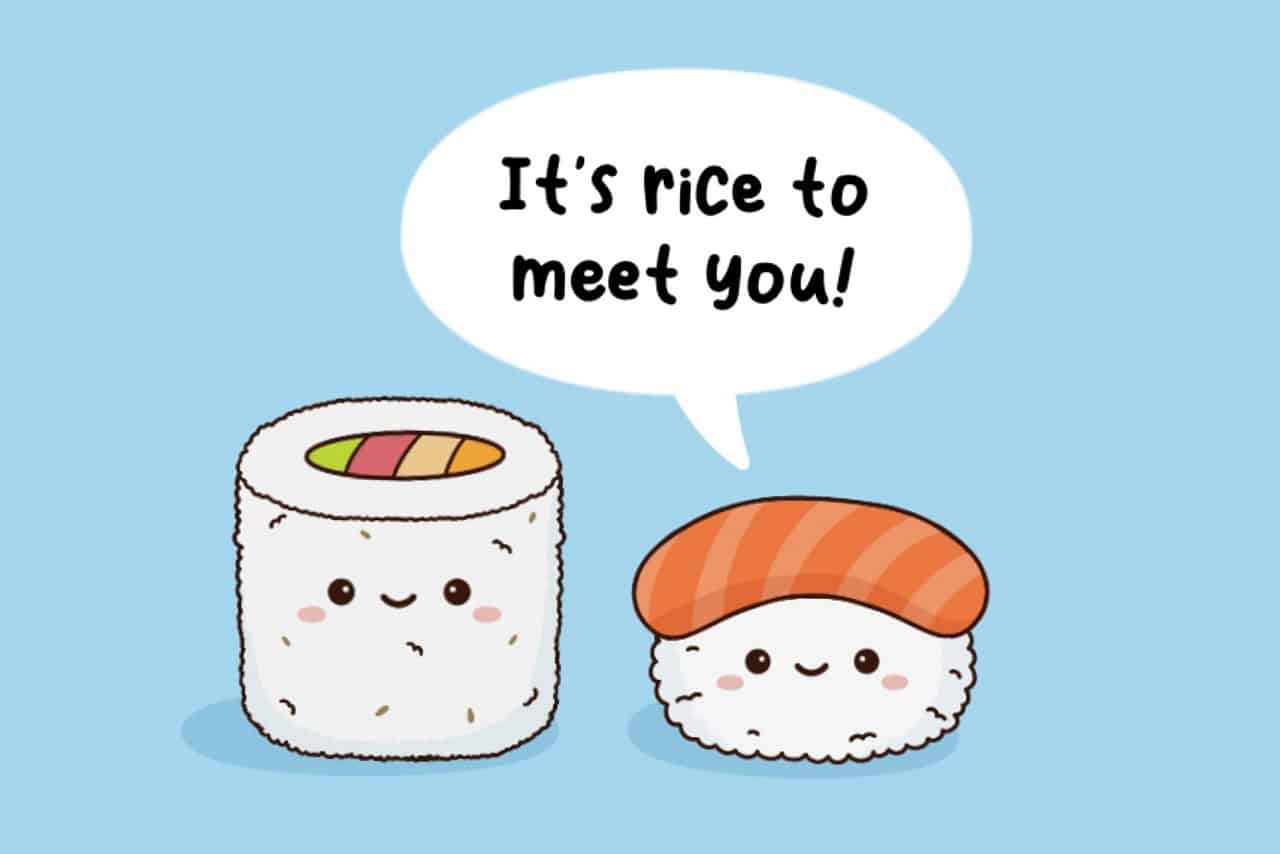
Beyond just being funny, puns serve several practical purposes in writing and speech.
1. Puns Make Content More Memorable
Because puns require the brain to process two meanings at once, they tend to stick in memory longer than straightforward statements.
2. Puns Add Personality to Writing
Using puns can make a writer’s voice feel more playful, approachable, and engaging to readers.
3. Puns Can Soften Difficult Topics
Writers sometimes use puns to add levity to otherwise heavy or serious subjects, making the content easier to digest.
4. Puns Encourage Active Reading
Because understanding a pun requires a moment of mental processing, readers become more actively engaged with the text.
How to Create Your Own Puns
If you want to start writing puns yourself, there are a few simple techniques to follow.
1. Start With a Word That Has Multiple Meanings
Pick a word with at least two distinct definitions, then think about how both meanings could apply to the same sentence.
2. Find Words That Sound Similar
Brainstorm pairs of words that sound alike but have completely different meanings, then build a sentence where both could logically fit.
3. Use Common Phrases as a Base
Take a well-known idiom or phrase and replace one word with a similar-sounding word that changes the meaning entirely.
4. Test the Pun Out Loud
Puns often work better when spoken aloud, since the humor frequently depends on how the words sound rather than how they’re spelled.
5. Keep the Setup Simple
The best puns usually have a short, clear setup so the audience can quickly grasp both meanings without confusion.
A Quick Reference Table of Pun Types
For easy reference, here’s a simple breakdown of the main pun categories covered in this guide.
| Pun Type | Based On | Example |
|---|---|---|
| Homophonic | Words that sound alike, spelled differently | Hoarse vs Horse |
| Homographic | Words spelled alike, different meanings | Polish (shine) vs Polish (nationality) |
| Homonymic | Words identical in sound and spelling | Flies (insects) vs Flies (moves through air) |
| Compound | Multiple puns combined | Hares/Combing the area |
| Recursive | Builds on an earlier pun | Two-part layered jokes |
Common Mistakes People Make When Identifying Puns
Not every clever sentence is technically a pun, and a few common mix-ups are worth clearing up.
1. Confusing Puns With Simple Jokes
Not all jokes are puns, a pun specifically requires wordplay based on sound or meaning, not just an unexpected punchline.
2. Mistaking Sarcasm for a Pun
Sarcasm relies on tone and context to convey an opposite meaning, while a pun relies on the actual words themselves having multiple meanings.
3. Overlooking Subtle Puns
Some puns are subtle enough that readers might miss them entirely on a first read, especially in formal or literary writing.
The Cultural Role of Puns Across Languages
Puns aren’t just an English-language phenomenon, they appear in humor across many cultures and languages.
1. Puns in Non-English Languages
Many languages have their own traditions of wordplay, though puns often don’t translate well because they depend on the specific sounds of the original language.
2. Puns as a Form of Linguistic Skill
In some cultures, the ability to create clever puns is seen as a sign of wit, intelligence, and mastery of language.
3. Puns in Riddles and Trivia
Many traditional riddles rely on puns, where the “trick” to solving the riddle involves recognizing a hidden double meaning in the question.
The History and Origins of Puns
Puns have a long history that stretches back thousands of years across multiple civilizations.
1. Ancient Roots of Wordplay
Wordplay similar to puns has been found in ancient texts, including religious scriptures, classical poetry, and early comedic plays.
2. Puns in Ancient Greek and Roman Texts
Greek and Roman writers often used wordplay involving names and meanings, sometimes as a form of subtle political or social commentary.
3. Puns During the Renaissance
The Renaissance period saw a surge in punning, particularly in English literature, as writers experimented with the flexibility of the English language.
4. Puns in Religious and Sacred Texts
Some religious texts contain wordplay based on names or terms, often used to highlight deeper symbolic meanings within the original language.
5. Evolution Into Modern Comedy
Over time, puns shifted from being a respected literary device to also becoming a staple of casual humor, stand-up comedy, and everyday jokes.
Psychological Reasons Why Puns Make Us Laugh (or Groan)
There’s actual science behind why puns trigger such strong reactions, whether it’s laughter or an eye-roll.
1. The Brain’s Reaction to Ambiguity
When the brain encounters a word with two possible meanings, it briefly experiences confusion before resolving which meaning applies, and that resolution can trigger laughter.
2. Puns and Cognitive Flexibility
Understanding puns requires cognitive flexibility, the ability to quickly switch between different interpretations of the same information.
3. Why Some People Love Puns and Others Don’t
Research suggests that appreciation for puns may be linked to personality traits, with people who enjoy wordplay often scoring higher on measures of openness and creativity.
4. The “So Bad It’s Good” Effect
Many people enjoy puns specifically because they’re bad, the predictability and cheesiness become part of the joke itself, creating an ironic enjoyment.
Puns in Education and Language Learning
Beyond entertainment, puns play a surprisingly useful role in how people learn and remember language.
1. Puns Help With Vocabulary Retention
Because puns require connecting two meanings of a word, they can help learners remember vocabulary more effectively than rote memorization alone.
2. Puns as a Teaching Tool
Teachers sometimes use puns to make lessons more engaging, especially when introducing new vocabulary or grammar concepts to students.
3. Puns in Language Learning Apps
Some language learning platforms incorporate puns and wordplay as a fun way to demonstrate how words can have multiple meanings in a target language.
4. Challenges of Translating Puns
Translating puns between languages is notoriously difficult, since the wordplay often depends on specific sounds or spellings that don’t exist in other languages.
Puns in Branding and Business Names
Many businesses rely heavily on puns to create names that are catchy, memorable, and easy to share.
1. Why Businesses Use Punny Names
A punny business name can instantly communicate personality, humor, and approachability, helping a brand stand out from competitors.
2. Common Industries That Use Puns
Industries like hair salons, bakeries, pet grooming, and coffee shops are especially known for using puns in their business names.
3. Risks of Using Puns in Branding
While puns can be memorable, overly obscure or confusing wordplay can sometimes make a business name harder to understand or search for online.
Tips for Using Puns Without Overdoing It
Like any stylistic tool, puns work best in moderation and in the right context.
1. Match the Tone of Your Audience
Consider whether your audience appreciates wordplay, since puns might not land well in serious or highly formal settings.
2. Use Puns Sparingly for Maximum Impact
A single well-placed pun often has more impact than several puns crammed into the same piece of writing.
3. Avoid Forcing a Pun Into Every Sentence
If a pun doesn’t fit naturally, forcing it can make writing feel awkward rather than clever.
4. Read the Room Before Using a Pun
In spoken conversation, pay attention to the mood and context before dropping a pun, since timing greatly affects how well it’s received.
Frequently Asked Questions (FAQs)
1. What is a pun in simple terms?
A pun is a joke or clever phrase that uses a word’s multiple meanings, or similar-sounding words, for humorous effect.
2. What is another word for pun?
The formal term for a pun is “paronomasia,” though “wordplay” is also commonly used as a general synonym.
3. What is an example of a pun?
“I’m reading a book on anti-gravity, it’s impossible to put down” is a classic example, playing on “put down” as both literal and figurative.
4. What are the main types of puns?
The main types are homophonic, homographic, homonymic, compound, and recursive puns, each based on different sound or spelling patterns.
5. Why are puns called “dad jokes”?
Puns are often called “dad jokes” because they’re seen as predictable, cheesy, and groan-worthy, a style commonly associated with fathers.
6. Is a pun the same as a double entendre?
No, a double entendre specifically involves a second meaning that’s often suggestive, while a pun doesn’t require that element.
7. Why do writers use puns in literature?
Writers use puns to add humor, irony, or deeper meaning, often making serious moments feel lighter or more memorable.
8. Can puns be used in formal writing?
Yes, though sparingly, puns can add personality to formal writing when used appropriately, especially in titles or headlines.
9. Are puns considered good or bad humor?
This depends on personal taste, some people find puns clever and witty, while others see them as the “lowest form of humor.”
10. How can I get better at making puns?
Practice by playing with words that have multiple meanings or similar sounds, and try building short sentences where both meanings fit naturally.
Conclusion
A pun is one of the simplest yet most powerful tools in language, turning ordinary words into moments of surprise and humor. Whether it’s a homophonic pun based on sound, a homographic pun based on spelling, or a compound pun layering multiple jokes together, the core idea stays the same: one word, two meanings, instant wit.
From Shakespeare’s tragedies to modern memes, business names, and movie titles, puns have remained a constant feature of how people communicate, entertain, teach, and connect through language across centuries and cultures.
Now that you understand what a pun is, the different types, the psychology behind them, and how they work, you can start spotting them everywhere, and maybe even start crafting a few clever ones of your own today.