Why Trust Is Now the Most Expensive Thing to Build in the Beauty Industry
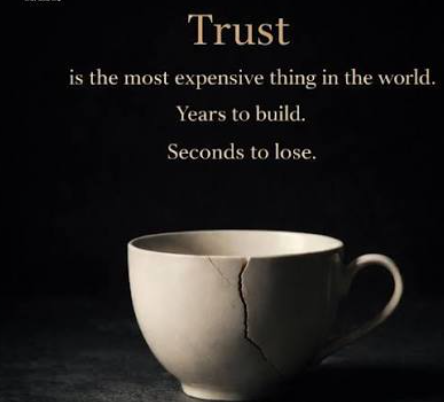
The beauty industry is becoming cheaper and more effective. So many products have high ratings for their effectiveness and become easily viral through user-generated content and influencers’ contributions. Even in the TikTok era, when Gen Z is rebuilding the customer journey, short-form content from a generic lifestyle influencer is not enough to build trust.
This scenario is typical for beauty products. Beauty products come into direct contact with our skin, which raises many concerns from the buyer’s perspective. These concerns can only be addressed through a good marketing campaign, user-generated content, and accreditations that usually cost more than the product itself.
Skincare becomes premium when there’s trust behind it, and several factors have made this happen.
Customer Awareness: Viral Does not Mean Good
The beauty industry has historically invested heavily in advertising: popular cinema faces, impactful claims, and strong flashing lights are all part of a typical TV advert from the previous decade. The perspective has changed as brands adapt their communication to the latest social media trends. During this decade, we are seeing how short-form content has been optimised to satisfy promotional needs, while also supporting the new entrepreneurial model of the influencer.
Influencer marketing rests on simple communication and an expensive lifestyle, and influencers can make a product go viral. The truth behind their role, though, is that they get paid by the marketing agency to promote that brand once, and you’ll never know whether they are doing this for income or genuinely because they like the brand.
Nowadays, beauty brands are still trying to shift their promotional behaviour by trust. Simple influencers are no longer enough compared to closer peer reviews, and more customers always read product ingredients before purchase.
Clinical Tests Count More than Brand Name
Accreditation as a clinically tested product has always held great value in beauty industry campaigns. Right now, it has even more impact than a premium brand backed by a notorious luxury brand, but it lacks clinical tests.
Clinical testing builds skincare credibility by validating product efficacy, enhancing safety and allergy warnings, and offering a different value than customer tests. In fact, the impact of a product on a given skin type is entirely subjective, whereas clinical testing evaluates it across all skin types.
Online Reviews and Transparency
Industry research shows that more than 90% of consumers read online reviews before trying a product and value brands that encourage real customer reviews and respond to them. Non-filtered photos, before and after treatment pictures, prove that real people tried a product and worked, and if it didn’t, there is something the brand should respond to.
To avoid any unfortunate experiences with a beauty product, transparency is key. Including on your website a simple, clear two-column table with good and not good for, a clear ingredient table with their effects on skin, highlighted content on pain points, and resolution is the type of information potential customers now expect to see before purchasing a product.
The Role of Marketing in Brand Trust Building
Promoting a beauty product is more challenging than promoting other products, especially when it comes to building credibility and long-term customer loyalty.
This is where a beauty marketing agency can help brands bridge the gap between awareness and genuine trust. Marketing is not a trust builder per se, but it gives your brand the tools to educate customers, tell its story, and project authority.
Here’s your marketing checklist to build trust in the beauty product consumer:
- Ingredient transparency and educational blog posts: be clear on the ingredients you use, their effects and eventual side effects, and use long-form content to show up your expertise and educate customers
- Authentic influencer partnerships: when opting for influencer marketing, think strategically and choose a creator who communicates with their niche authentically and already invests in your products privately
- Community engagement: make sure you use social media thoughtfully and never exclude community management. Use it purposefully, staying consistent with your brand values and tone of voice
- Include ethical messages: inclusive marketing that highlights cruelty-free practices and sustainability, especially in the beauty industry, makes your customers feel respected by your brand and well reflected in its values.