
Building a Bleeding Response Kit That Fits the Workplace
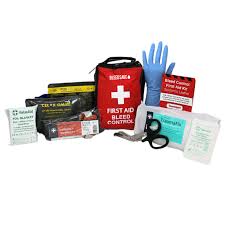
The first question about an emergency kit should be what the team needs to achieve with it. A workplace may already have supplies for minor injuries while lacking a clear arrangement for a severe bleeding incident. Adding a specialist pouch can help, but only when its contents, location, and intended users are considered together.
An effective programme starts with a needs assessment and ends with a maintained response capability. The case, number of compartments, and product count are secondary to whether the equipment supports the expected tasks. This approach helps managers avoid both unnecessary complexity and gaps hidden inside an impressive-looking bag.
Define the kit’s role
Decide whether the kit is intended for a trained workplace first aider, a specialist response team, or another clearly defined group. These users may have different responsibilities and levels of instruction. The specification should describe the role rather than assume that everyone opening the pouch has the same knowledge.
For buyers specifying a bleeding control medical kit, MERE Supplies’ catastrophic haemorrhage category provides examples of equipment types to discuss with a competent adviser. The page includes haemostatic products, trauma dressings, and tourniquets. It is a category of products, so buyers should verify the contents of any selected pack rather than assume that every listed item forms one complete kit.
Write a short purpose statement for the proposed provision. It might explain that the kit supports trained staff responding to severe external bleeding until professional assistance arrives. A clear statement makes later decisions about training, placement, and additional equipment easier to judge.
Use the assessment to guide provision
The Health and Safety Executive’s first-aid needs assessment guidance links workplace provision to hazards, organisational size, and other relevant factors. It asks employers to consider equipment, facilities, and personnel together. A useful assessment therefore looks beyond a shopping list and examines whether the response can function in the actual workplace.
Review the locations and activities where serious injury is credible. Consider site layout, isolation, changing shifts, and how quickly another person can bring help. An urban office and a dispersed maintenance operation may need very different arrangements even if their total staff numbers are similar.
Include the people responsible for daily work in the discussion. They may know that a nominal access route is routinely blocked, that a remote area has unreliable phone coverage, or that a vehicle is unavailable during part of the shift. These details help turn a policy into a workable response.
Specify functions before product quantities
Ask what each proposed item contributes and who is trained to use it. Suitable protective gloves, dressings, and limb bleeding equipment may form part of the discussion, depending on the assessment. Quantity should reflect the scenario and response arrangements rather than a desire to maximise the number of items advertised on the package.
Different supplies can have different purposes. A haemostatic dressing contains material intended to help control bleeding, while a pressure dressing helps maintain pressure as directed by training and product instructions. Product names alone do not establish that staff understand the differences or can use the items appropriately.
Keep advanced equipment outside a general kit unless its inclusion is supported by the intended users’ competence and a defined clinical role. More complex contents can increase the training and maintenance burden. They can also make it harder to find basic supplies quickly when compartments become crowded.
The emergency plan should make clear that life-threatening bleeding requires immediate emergency assistance. In the UK, call 999 and follow the call handler’s instructions. Equipment supports the response while professional help is sought; it does not remove the need for that call or replace hands-on training.
Design the layout for retrieval
A kit should be organised around recognition and access. Labels need to make sense to the intended users, including staff who have not handled the pouch recently. Avoid relying only on a single experienced person’s memory of where each item belongs.
Consider whether opening the kit presents the most relevant items clearly or releases several loose components. Check the arrangement with the actual pouch and packaged supplies. A diagram of compartments cannot fully reveal what happens when someone opens the kit while wearing gloves.
A practical readiness review should check:
- Who can access the kit on every operating shift.
- Whether its location and signage are clear from likely incident areas.
- Whether users can identify supplies without unpacking everything.
- Whether packaging remains intact and instructions are readable.
- Who replaces used, damaged, or expired stock.
Include retrieval in an exercise, but use dedicated training supplies for practice procedures. Keep operational stock ready for real use and follow manufacturer instructions about storage and handling. Clearly labelled training equipment reduces the risk of an opened or repeatedly handled item returning to an emergency pouch.
Match training to the supplied equipment
Choose instruction that addresses the risks identified by the assessment and the specific products issued. A general first-aid course may need supplementary content for the organisation’s planned severe bleeding response. Ask the training provider to explain what practical competence is assessed and what further instruction may be needed.
Build team roles into the exercise. One person may provide first aid while another calls for assistance, retrieves equipment, or meets the ambulance crew. Practising those supporting tasks can reveal weaknesses that remain invisible during a classroom demonstration of individual products.
Arrange opportunities to refresh familiarity and check new starters’ understanding. Changes in pouch location or product design should be communicated and, where necessary, practised. A response plan becomes less reliable when the equipment evolves but the training record stays unchanged.
Create a restocking system that works
Appoint someone to manage inspection and replacement, with cover for absence. A checklist should reflect the kit’s agreed contents and relevant manufacturer information. It should record exceptions clearly enough for another person to resolve them without reconstructing the original purchase.
Use product identifiers when ordering replacements. An item described only as a large dressing may be replaced with something different from the version used in training. Substitutions should be reviewed where they change handling, intended use, or storage requirements.
After use, replace supplies promptly and document what was removed. Consider whether cleaning or replacement of the pouch is required under the organisation’s procedures. A kit that looks complete from the outside may still be unavailable for the next incident.
Review the system as the workplace changes
Check the arrangement after exercises, incidents, and significant changes to operations. Ask whether equipment was accessible, whether staff understood their roles, and whether professional help could locate the casualty. Record the improvements and assign responsibility for completing them.
A well-planned kit is a maintained part of workplace readiness. Its value comes from suitable contents, familiar users, clear access, and reliable replenishment. Those everyday arrangements are what make the equipment useful when the need is urgent.