How Social Proof Shapes the Way People Judge Social Media Profiles
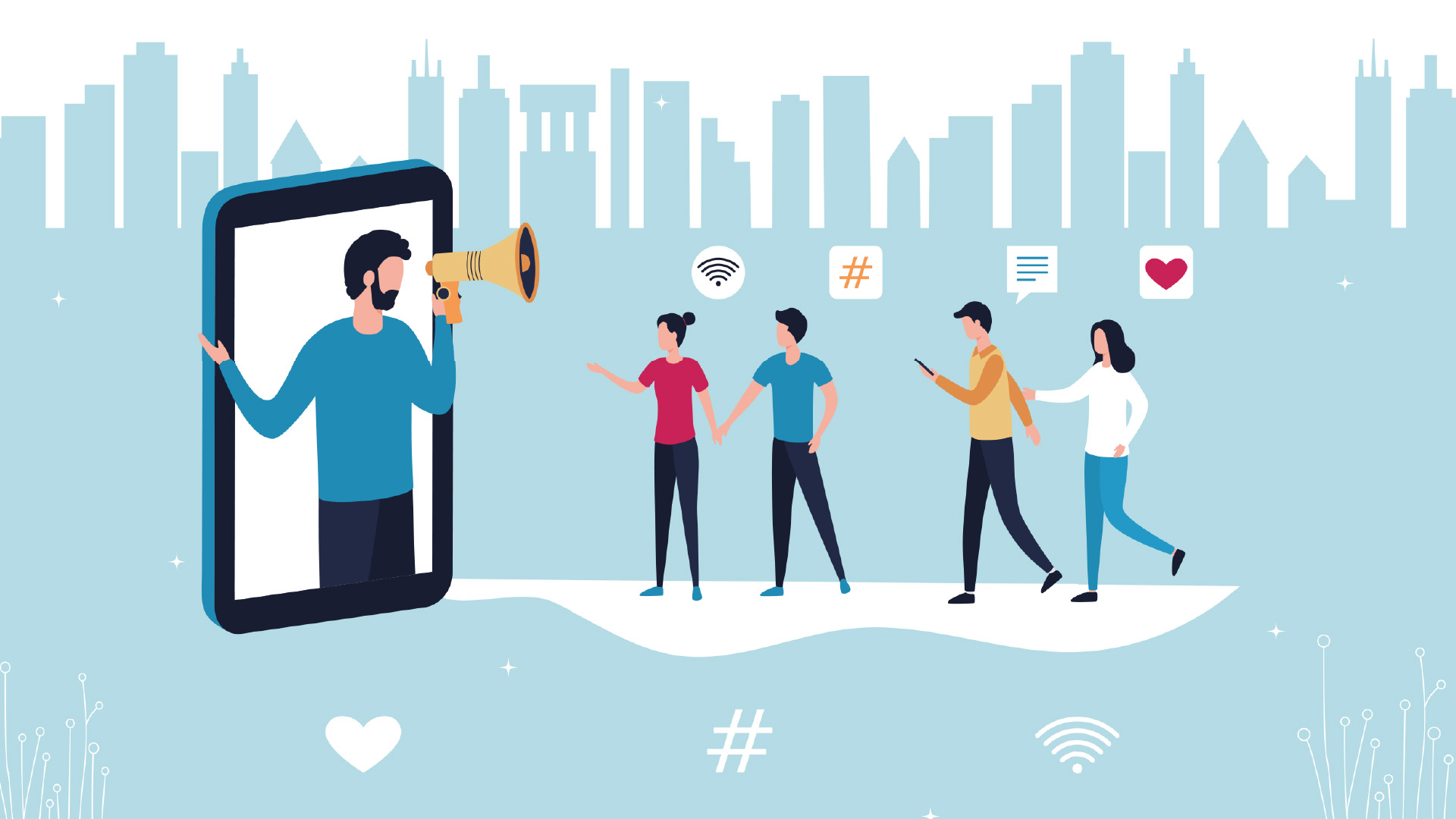
You have done it. Seen a big follower count and assumed authority. That is how our brains work. Check your own habits. Before meeting someone, you peek at their profile. Before buying a product, you check the likes. Before trusting a brand, you look at their following. Everyone does this.
Numbers create quick judgments. High follower count signals credibility. Lots of likes suggest value. Active comments mean community. All in seconds. Your brain processes these clues automatically.
But the problem is that numbers can deceive. Having many followers doesn’t necessarily mean that there is actual engagement. Likes may have been posted by inactive users. The comments can be generic. Everything looks perfect. But it is not necessarily true.
What does it mean? Visibility is important and creates possibilities. However, it cannot substitute for the actual connection.
What Is Social Proof on Social Media?
What Is Social Proof on Social Media?
The crowd rules us. This is social proof at play. On social media, we are guided by the number of followers, likes, views, and comments on something. The higher the number of followers, the better the profile.
What makes this happen? People seek safety in numbers. Once we see that others believe in the same profile, we also believe in it. It just feels safer that way. Consumer decisions are affected by this factor more often than one may think.
Instagram, TikTok, YouTube – all platforms show these signals instantly. A profile with half a million followers feels different from one with 500. That impression forms before anyone reads a single bio or watches a single video.
Social proof also works through other people’s content. When an expert shares something, their authority transfers to that content. When many people comment on a post, new visitors pay more attention. The crowd provides validation.
This creates a cycle. Higher numbers attract more attention. More attention leads to more engagement. More engagement pushes numbers even higher. That is why social proof marketing has become such a focus for creators and brands alike.
Why People Pay Attention to Follower Counts
Follower counts give us a quick read on credibility. We see big numbers and assume trustworthiness. That is how most people operate.
Think about your own choices. You check follower counts before following back. You look at numbers before engaging with content. You even consider them before making a purchase. The math helps reduce uncertainty. A profile with serious followers simply feels safer.
Video-based content generates more engagement as compared to image-based content. Video-based posts of TikTok generate higher median engagement as compared to the images used. People will tend to watch what other people are watching. Numbers will guide them.
The power of follower counts extends beyond individual profiles. Instagram has 699 million followers. Cristiano Ronaldo has 671 million followers, while Lionel Messi has 511 million followers. Such numbers create their own force of momentum since people follow because others are following them.
However, there is a subtle part to it. Follower counts cannot guarantee credibility. There are some additional aspects of social media credibility that must be looked into. The profile must complement the numbers by having engaging content.
Followers, Likes and Views: Which Signals Matter?
Different engagement signals tell us different things. Followers show long-term interest. People decided to stay connected. That is sustained social proof, not a one-time reaction. High follower counts reveal broader reputation and reach.
Likes signal immediate approval. Visitors see that people found the content valuable. Thousands of likes make a post more credible than one with few. Likes also push content higher in algorithms. More exposure follows.
Views measure attention, not approval. A video might have a million views but few comments or likes. People watched but did not feel compelled to interact. Views show reach. Likes show resonance. They serve different purposes.
Comments indicate active discussion. Lots of comments mean people feel invested enough to speak up. This creates stronger social proof because conversations keep happening around the content.
What works for engagement does not always work for trust. Reciprocity often beats social proof for getting people to interact. But combining both builds trust faster.
People do not always know what they really think. Their eyes sometimes reveal the truth. Social proof works below conscious awareness. That is exactly why it is so effective.
Each metric has its own role. The most credible profiles perform well across all of them.
Social Proof vs Genuine Audience Engagement
Social proof and genuine engagement are different things. That difference matters for anyone who cares about social media credibility.
Social proof means visible numbers that signal popularity. Follower counts. Total likes. View numbers. Static metrics on profiles and posts. They create that first impression.
Genuine engagement requires active participation. Comments. Shares. Direct messages. Continued attention over time. Engagement shows whether people actually care. Not just whether they noticed.
Here is the problem: a profile with a million followers might have terrible engagement. Those followers are not interested. Another profile with 10,000 followers gets hundreds of comments per post. That is a devoted audience.
Younger audiences do not trust promotional content easily. Trust comes from personal experience with a brand. Or from information they already have. Social proof alone cannot build lasting trust. People need more than numbers.
Genuine engagement also protects you from algorithm changes. Platforms shift their rules constantly. Accounts with real interaction handle those shifts better than accounts with just big numbers.
Look at the comments, and you see the difference. Generic comments like “nice post” suggest bots or passive followers. Detailed comments that reference specific points mean real engagement. That distinction shapes how credible you appear.
How Creators Can Build Credibility
You want people to trust your profile. Here are practical ways to make that happen:
- Post consistently. Top performers post more often than average accounts. Consistency builds expectations. Audiences come back when they know what to expect.
- Reply to comments. This one action changes everything. Responding shows you care. It also pushes your content to more people through algorithms.
- Mix up your formats. Video performs better than images on most platforms. Different formats keep content fresh. They also reach different audience preferences.
- Collaborate with other creators. Shared content taps into multiple audiences. Social proof transfers between profiles when creators share each other’s work. Credibility grows through association.
- Show what you know. Profiles that demonstrate expertise in one area earn more trust than general accounts. Niche authority signals deep understanding. That builds stronger social proof.
- Polish your profile. A complete bio, quality images, and relevant information look more professional. People decide within seconds whether to take you seriously. Your profile shapes how everything else gets viewed.
Some creators explore additional options to speed up their social proof. SocialWick provides services across major social networks. Followers, likes, and views are available to support growth. These services can complement organic strategies for those who want an extra push.
Common Social Proof Mistakes
Many creators hurt their own social proof without knowing it. Watch out for these common mistakes:
- Fake engagement. Bots and manufactured activity leave obvious patterns. They get detected eventually. Credibility takes a hit when that happens.
- Inconsistent branding. Profiles that jump between topics confuse people. Audiences want consistency. Changing focus without explanation erodes the trust you have built.
- Ignoring comments. Engagement drops when creators do not reply. People notice when their input gets ignored. The whole thing starts looking one-sided.
- Wrong signals. Some creators chase follower count without checking if those followers fit their audience. A million followers who never interact are worth less than 10,000 who actually participate.
- Misplaced social proof. Adding social proof signals in the wrong place reduces their effect. Product pages need different social proof than profile pages. Context matters for how people interpret numbers.
- Negative social proof. Messages like “most people scroll past without liking” actually decrease engagement. They normalize the behavior you want to prevent. Always frame social proof positively.
Final Takeaway
Social proof drives how people evaluate social media profiles. Follower counts, likes, views, and comments form those quick judgments. They shape trust and credibility in seconds.
Here is what matters most. Numbers alone cannot build lasting credibility. A strong reputation comes from consistent content, real audience interaction, and clear expertise. Visible signals bring people in. Authentic engagement makes them stay.
The data confirms what many creators have learned through experience. Video content performs best. Reply to comments. Stay consistent. Build a clear focus. These actions produce stronger social proof than chasing numbers alone.
Social media credibility requires both visible signals and real audience connection. The most successful profiles have both. They show impressive numbers and demonstrate genuine engagement. They balance social proof with substance.
The creators who understand this distinction will build a more resilient social media presence in the long run.