Why Is My Dog Scooting Her Butt? Causes & Solutions 2026
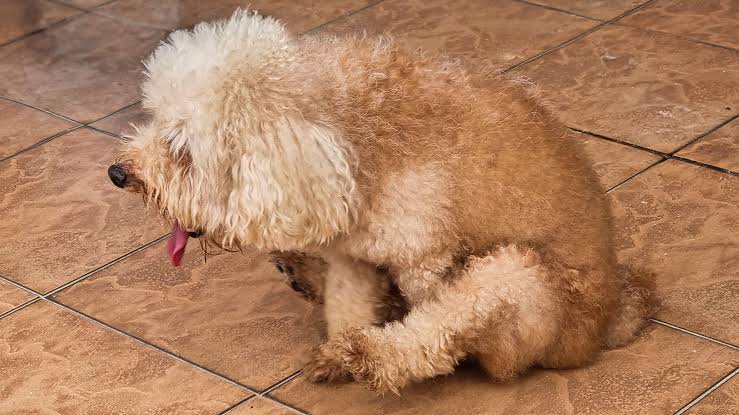
Why Is My Dog Scooting Her Butt? Watching your dog drag her rear end across the carpet is one of those moments that’s equal parts funny and worrying. It’s a strange sight, but it’s also your dog’s way of telling you something back there feels wrong.
Why Is My Dog Scooting Her Butt?
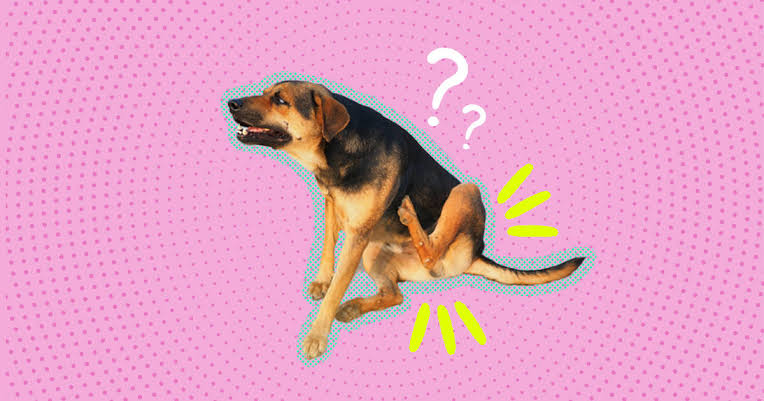
Scooting almost always means irritation or pressure around your dog’s anus. The most common cause is impacted anal glands, followed by intestinal parasites, allergies, and skin irritation.
Occasional scooting isn’t usually an emergency. But frequent or repeated scooting, especially with odor, swelling, or blood, needs a vet visit.
What Is Scooting, Exactly?
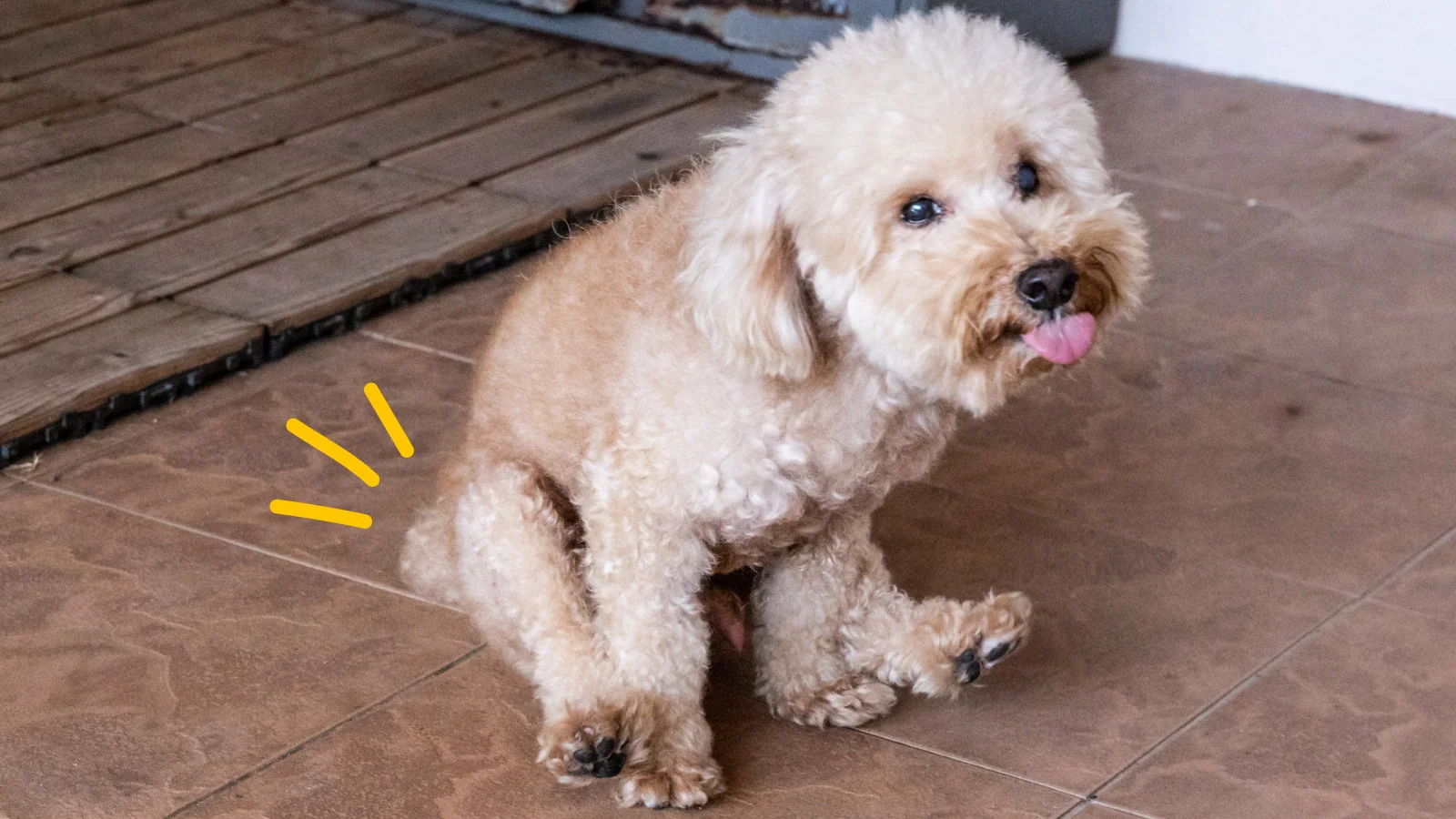
Scooting is when a dog drags her bottom across the floor while sitting, using her front legs to pull herself forward. It looks like she’s trying to itch or wipe something away.
It’s a physical response to discomfort, not a behavioral quirk. Dogs scoot because something around their rear end itches, stings, or hurts.
Impacted or Infected Anal Glands
Anal glands are two small sacs located just inside your dog’s anus. They normally empty a small amount of fluid every time she poops, which is part of how dogs mark territory.
When these glands don’t empty properly, they become full or impacted. That pressure is uncomfortable, and scooting is often your dog’s attempt to relieve it.
Signs of Anal Gland Problems
- A strong, fishy odor near the rear
- Excessive licking of the anal area
- Visible swelling or redness
- Scooting paired with straining to poop
If the glands become infected, they can form a painful abscess. This requires prompt veterinary treatment, usually involving draining and antibiotics.
Intestinal Parasites
Worms, especially tapeworms, are one of the leading causes of scooting. Tapeworm segments can look like small grains of rice around your dog’s anus or in her stool.
Roundworms, hookworms, and whipworms can also cause itching and irritation as they pass through the digestive tract. A fecal exam at the vet confirms which parasite, if any, is involved.
| Parasite | Visible Signs | How It’s Diagnosed |
|---|---|---|
| Tapeworms | Rice-like segments near anus or in stool | Visual check or fecal test |
| Roundworms | Diarrhea, bloated belly | Fecal exam |
| Hookworms | Weight loss, pale gums | Fecal exam |
| Whipworms | Watery diarrhea, weight loss | Fecal exam (may need repeat testing) |
Allergies
Food allergies and environmental allergens can both trigger itching around a dog’s rear end. Common culprits include certain proteins, grains, pollen, and dust mites.
If your dog is also licking her paws, scratching her ears, or has a rash elsewhere, allergies are a likely contributor. Managing allergies usually takes a combination of diet changes and vet guidance.
Skin Irritation and Leftover Fecal Matter
Sometimes the cause is simpler than a medical issue. Fecal matter can get stuck in fur around the anus, especially in dogs with longer or curlier coats.
This trapped residue irritates the skin and makes your dog want to scoot it away. Keeping the area trimmed and clean often resolves this quickly.
Rectal Prolapse
This is less common but more serious. Rectal prolapse happens when part of the rectum pushes outward through the anus, usually from straining due to diarrhea or constipation.
It looks like a red, fleshy bulge near the anus and requires immediate veterinary attention. Don’t try to treat this at home.
Foreign Objects or Debris
Grass awns, sticks, or other debris can sometimes get lodged near the anus. This causes sudden, sharp irritation that leads to scooting.
Checking the area carefully, without forcing anything, can help you spot an obvious foreign object before your vet visit.
Breeds More Prone to Scooting
Some dogs are simply built in ways that make scooting more likely. This doesn’t mean these breeds always have anal gland problems, but they’re worth watching more closely.
- Bulldogs, due to skin folds that trap irritation
- Chihuahuas and other small breeds
- Poodles, whose curly coats trap fecal matter
- Breeds prone to allergies and skin sensitivity
Comparing the Most Common Causes
| Cause | Typical Signs | Home Care vs Vet Visit |
|---|---|---|
| Anal gland impaction | Odor, licking, scooting after pooping | Vet expression recommended |
| Intestinal parasites | Rice-like segments, diarrhea | Vet treatment required |
| Allergies | Itching, paw licking, skin rash | Vet-guided diet/medication |
| Fecal residue | Visible debris in fur | Home cleaning usually enough |
| Rectal prolapse | Red bulge near anus | Emergency vet visit |
What You Can Do at Home
For mild, occasional scooting without other symptoms, a few simple steps can help. These aren’t a substitute for diagnosis if the behavior continues.
- Check the anal area for visible debris or matted fur.
- Gently clean the area with a pet-safe wipe.
- Keep hair trimmed short around the rear if your dog has a long coat.
- Monitor stool for parasites or changes in consistency.
When to See a Vet
Occasional scooting after a messy bowel movement usually isn’t a red flag. But certain signs mean it’s time to book an appointment.
- Scooting happens repeatedly over several days
- Your dog seems lethargic or in pain
- There’s swelling, discharge, or a foul smell
- Scooting is paired with vomiting, diarrhea, or weight loss
- You notice a red bulge near the anus
Treatment Options a Vet May Recommend
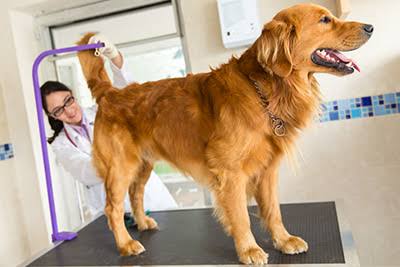
Treatment depends entirely on the underlying cause identified during the exam. A vet will typically start with a physical check and may order a fecal test.
- Manual anal gland expression
- Antibiotics for infected or abscessed glands
- Deworming medication for parasites
- Dietary changes for suspected food allergies
- Antihistamines or other allergy management
Can Diet Help Prevent Scooting?
Diet plays a role, particularly for dogs with recurring anal gland issues. Adding more fiber can help produce firmer stools, which naturally help express the glands during bowel movements.
Talk to your vet before making major diet changes, especially if allergies might be involved. The right adjustment depends on your dog’s specific triggers.
Mistakes to Avoid
- Ignoring scooting that happens more than once or twice
- Trying to express anal glands yourself without guidance
- Assuming it’s “just worms” without a fecal test
- Overlooking allergy symptoms elsewhere on the body
Frequently Asked Questions (FAQs)
Why is my dog scooting her butt?
The most common reasons are impacted anal glands, intestinal parasites, allergies, or leftover fecal matter irritating the skin.
Is scooting always a sign of worms?
No. While tapeworms are a common cause, anal gland problems and allergies are just as likely, so a vet check is the best way to confirm the cause.
How often is normal for anal glands to need expressing?
Many dogs never need help, but some need manual expression every few weeks to a few months, depending on their individual gland function.
Can I express my dog’s anal glands at home?
It’s possible but risky without training, since improper technique can cause pain or injury. Most vets recommend leaving this to a professional.
What does it mean if my dog’s scooting smells bad?
A strong, fishy odor usually points to anal gland fluid or a possible infection, and it’s worth having a vet check the area.
Can food allergies cause scooting?
Yes. Certain proteins or ingredients can trigger itching and inflammation around the anus in dogs with food sensitivities.
Is scooting painful for dogs?
It can be, especially if the glands are impacted, infected, or if there’s a rectal prolapse. Persistent scooting often means real discomfort.
Should I be worried if my dog only scoots once?
A single instance, especially after a messy stool, usually isn’t concerning. Repeated scooting is the bigger warning sign.
Can grooming reduce scooting in long-haired dogs?
Yes. Trimming fur around the rear end reduces trapped fecal matter, which is a common and simple cause of irritation.
What breeds scoot the most?
Bulldogs, Chihuahuas, Poodles, and other breeds prone to skin folds, small size, or allergies tend to scoot more often.
Can puppies scoot too?
Yes, and parasites are a particularly common cause in puppies, so a fecal exam is often recommended early on.
How is rectal prolapse different from anal gland issues?
Rectal prolapse involves visible tissue protruding from the anus and is a medical emergency, unlike gland impaction, which doesn’t cause visible bulging.
Will scooting go away on its own?
Mild irritation from fecal residue might resolve with cleaning, but issues like impacted glands or parasites usually need treatment to fully stop.
Can stress cause a dog to scoot?
Stress itself doesn’t directly cause scooting, but stress-related digestive upset can lead to diarrhea, which increases anal gland problems.
What tests will a vet run for scooting?
A vet will typically do a physical exam of the anal area and may recommend a fecal test to rule out parasites.
Conclusion
Scooting is your dog’s clear signal that something around her rear end is uncomfortable, whether it’s impacted anal glands, parasites, allergies, or simple irritation. Most causes are treatable once identified.
Watch for how often it happens and whether other symptoms show up alongside it. When in doubt, a vet visit is the fastest way to get your dog real relief and rule out anything more serious.