
Why Is My Pinky Toe Sideways? Causes & Treatment 2026
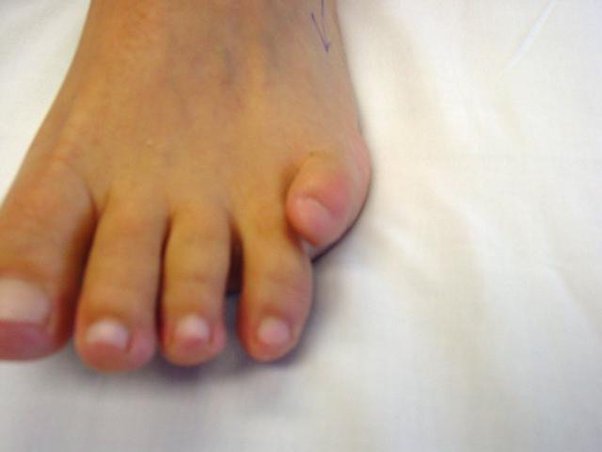
Why Is My Pinky Toe Sideways? Noticing your little toe angled off to one side can be surprising, especially if you can’t remember it always looking that way. For most people, though, a pinky toe turned sideways isn’t a medical emergency.
It’s usually inherited, structural, and something you’ve likely had for years without realizing it. In other cases, footwear, foot mechanics, or joint changes are the real cause.
Why Is My Pinky Toe Sideways?
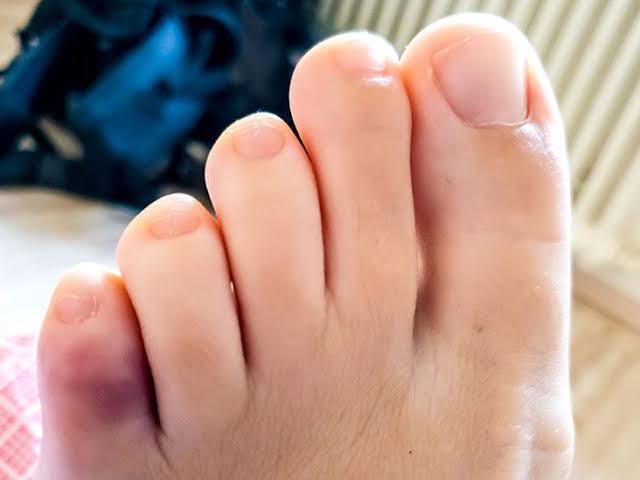
A sideways pinky toe is most often inherited and caused by the natural bone or tendon structure of the foot. It’s frequently harmless and needs no treatment unless it causes pain, rubbing, or visible progression over time.
If the toe changed noticeably in adulthood without an injury, or if you have diabetes, it’s worth having it checked by a doctor rather than assuming it’s simply genetic.
Why the Pinky Toe Turns Sideways
Several structural and mechanical factors can cause the fifth toe to rotate, tilt, or shift out of alignment. In many cases, more than one factor is involved.
Genetics and Inherited Foot Structure
For most people, a sideways pinky toe is simply a feature they inherited. A meaningful number of people have only two bones in the pinky toe instead of the usual three, which naturally affects its position and angle.
If your toe has looked this way for as long as you can remember, genetics is by far the most likely explanation. This type of sideways toe generally doesn’t need correction unless it starts causing symptoms.
Tight or Narrow Footwear
Shoes with a narrow or pointed toe box can gradually crowd the toes together. Over time, this repeated pressure can push the smallest toe out of its natural alignment.
High heels add to this effect by shifting more body weight forward onto the toes. Years of this pressure can contribute to a toe that drifts inward, outward, or underneath its neighbor.
Tendon and Muscle Imbalance
The pinky toe relies on a balance of small tendons and muscles to stay properly aligned. When those tendons become weak, tight, or imbalanced, the toe can rotate into an inward, downward-curling position sometimes called an adductovarus posture.
This imbalance can develop gradually from years of standing, walking, or unsupportive footwear, even without a specific injury.
Bunions and Toe Crowding
Changes at the front of the foot, like a bunion on the big toe, can shift how weight and pressure distribute across the entire foot. This crowding effect can push the smaller toes, including the pinky, out of their normal position.
When a bunion is the underlying cause, the sideways pinky toe is often just one visible sign of a broader alignment issue.
Hammertoe
Hammertoe causes a toe to bend abnormally at the joint rather than lying flat. When this affects the pinky toe, it can create a rotated or angled appearance in addition to the bend.
Left unaddressed, hammertoe-related changes tend to progress gradually rather than staying the same.
Trauma or Old Injury
A past fracture, sprain, or repetitive strain can permanently alter how a toe joint sits. Even a minor injury from years ago can leave lasting changes in alignment.
Arthritis
Joint inflammation and stiffness from arthritis can gradually shift a toe’s position over time. This cause is more likely if the change happened later in life rather than being present from childhood.
Obesity and Added Foot Pressure
Extra body weight increases pressure on the feet, which can contribute to structural changes over time. This is rarely the sole cause but can accelerate misalignment alongside other factors.
Is a Sideways Pinky Toe Something to Worry About?
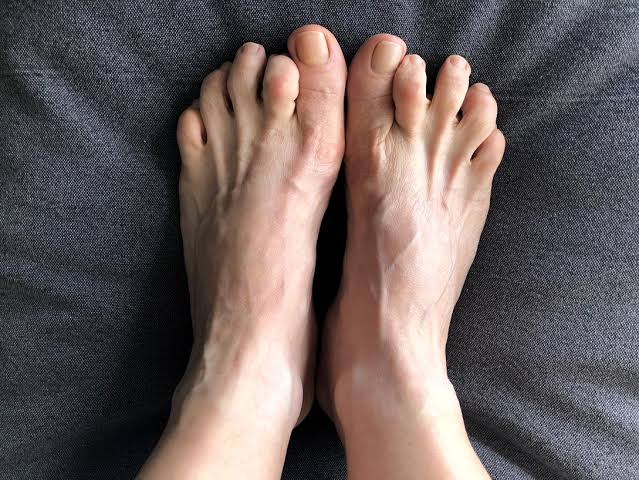
For most people, no. If the toe has looked this way consistently without pain, it’s typically a structural feature rather than a medical problem.
It becomes more worth addressing if it starts causing corns, calluses, blisters, rubbing inside shoes, or ongoing discomfort. It also matters more if you have diabetes, since reduced sensation can hide developing foot problems.
A Simple Way to Understand Your Toe’s Flexibility
Whether a sideways pinky toe can be improved often depends on one key factor: flexibility.
- Flexible toe: Still bends and moves at the joint, which may respond to stretching, toe spacers, or footwear changes
- Rigid toe: Stiff and doesn’t bend easily, which typically requires more involved treatment, sometimes including surgery
- Bony prominence: A firm bump at the base of the toe generally can’t be reduced without a surgical procedure
Common Causes at a Glance
Different causes tend to show different patterns.
| Cause | Typical Onset | Usually Painful? |
|---|---|---|
| Genetics/inherited structure | Lifelong | Often not |
| Narrow footwear | Gradual, over years | Sometimes |
| Tendon imbalance | Gradual | Sometimes |
| Bunion-related crowding | Gradual | Often yes |
| Hammertoe | Gradual, progressive | Often yes |
| Trauma | Sudden, then lasting | Varies |
| Arthritis | Later in life | Often yes |
When to See a Doctor
Most sideways pinky toes don’t need medical attention, but a few situations call for an evaluation.
- The toe changed noticeably in adulthood without an obvious injury
- You’re experiencing pain, rubbing, or recurring blisters
- Corns or calluses keep forming near the toe
- You have diabetes or reduced sensation in your feet
- The toe is stiffening or worsening over time
How to Manage a Sideways Pinky Toe
If the toe is bothersome but not severe, a few conservative steps often help.
- Choose shoes with a wider, rounder toe box
- Avoid high heels or tightly pointed footwear for extended periods
- Try toe spacers or padding to reduce rubbing
- Use moleskin or cushioning over areas prone to blisters
- Gently stretch the toe if it’s still flexible
Mistakes to Avoid
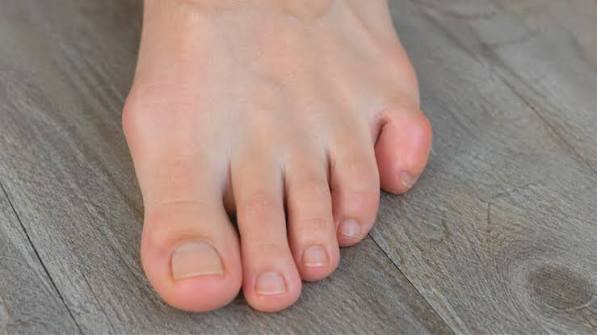
A few habits can make symptoms worse or delay proper care.
- Continuing to wear narrow shoes despite ongoing irritation
- Assuming all sideways toes are identical without checking flexibility
- Ignoring new changes in adulthood, especially without injury
- Delaying care as a person with diabetes due to reduced foot sensation
- Trying to force-straighten a rigid toe without professional guidance
Frequently Asked Questions (FAQs)
Is it normal for a pinky toe to be sideways?
Yes, it’s common and usually inherited, especially if it’s looked that way for as long as you remember.
Why did my pinky toe suddenly turn sideways?
Sudden changes are less common and may be linked to injury, arthritis, or another underlying condition worth checking.
Can shoes cause a pinky toe to turn sideways?
Yes, narrow or pointed footwear can gradually push the toe out of its natural alignment over time.
Does a sideways pinky toe need treatment?
Not always. Treatment is usually only needed if it causes pain, rubbing, or noticeable progression.
Can a sideways pinky toe be straightened without surgery?
It depends on flexibility. Flexible toes may improve with stretching or footwear changes, while rigid ones often need more involved treatment.
Is a sideways pinky toe linked to bunions?
Yes, bunions can shift weight distribution and crowd the smaller toes, contributing to misalignment.
Can arthritis cause a pinky toe to shift position?
Yes, joint inflammation and stiffness from arthritis can gradually alter toe alignment over time.
Should I worry about a sideways pinky toe if I have diabetes?
Yes, it’s worth having it evaluated, since reduced sensation can hide developing foot problems.
Is a sideways pinky toe genetic?
Yes, it’s frequently inherited and related to the natural bone structure of the foot.
Can weight loss help with a sideways pinky toe?
It may reduce overall pressure on the feet, though it usually isn’t a standalone fix for structural misalignment.
What is an adductovarus toe?
It refers to a pinky toe that has rotated into an inward and downward curled position, often due to tendon imbalance.
Can a sideways pinky toe cause pain when walking?
Yes, especially if it rubs against shoes or nearby toes, leading to irritation or discomfort.
How do I know if my sideways pinky toe is flexible or rigid?
Gently check if the toe can still move and bend at the joint, or ask a podiatrist to assess it.
Can hammertoe affect the pinky toe specifically?
Yes, hammertoe can affect any toe, including the pinky, causing it to bend or rotate abnormally.
Is surgery the only option for a severely sideways pinky toe?
No, mild cases can often be managed with footwear changes and padding, though rigid or bony deformities may need surgery.
Can a past injury cause a permanently sideways pinky toe?
Yes, fractures or sprains can permanently change how a toe joint sits, even after healing.
Do toe spacers help with a sideways pinky toe?
They can help reduce rubbing and provide mild support, especially for flexible toes.
Can a sideways pinky toe get worse over time?
Yes, especially if the underlying cause, like a bunion or tendon imbalance, isn’t addressed.
Is it safe to ignore a sideways pinky toe with no pain?
Generally yes, as long as there’s no pain, rubbing, or noticeable progression.
When should I see a podiatrist about my pinky toe?
If it’s painful, changing shape, rubbing against shoes, or you have diabetes, a podiatrist visit is worthwhile.
Conclusion
A sideways pinky toe is usually inherited, structural, and harmless, especially if it’s looked that way your whole life. Footwear, tendon imbalance, bunions, hammertoe, and past injuries can all contribute to it shifting further over time.
Paying attention to whether the toe is flexible or rigid helps clarify what treatment options, if any, make sense. When in doubt, especially with new changes, pain, or diabetes involved, a podiatrist can confirm the cause and recommend the right next step.