Why Does My Car Shake at High Speeds? Causes & Fixes 2026

A smooth highway drive can turn stressful fast when your steering wheel or seat starts trembling. Vibration that shows up specifically at speed is your car’s way of flagging a mechanical problem.
If you’re asking why does my car shake at high speeds, the cause usually traces back to your wheels, tires, suspension, or drivetrain.
Why Does My Car Shake at High Speeds?

Car shaking at high speeds is most often caused by unbalanced or damaged tires, bent wheels, misalignment, worn suspension components, or a bad wheel bearing. Where you feel the shake and when it starts both help narrow down the cause.
Vibration that worsens with speed or braking should never be ignored, since it can affect handling and safety.
Why Speed Makes Vibration Worse
At low speeds, small imperfections in your wheels or tires often go unnoticed. As speed increases, centrifugal force multiplies even minor imbalances, turning a subtle wobble into a noticeable shake.
This is why you might feel a mild tremble at 45 mph that becomes a serious shake by 65 mph.
Common Causes of Car Shaking at High Speeds
Several systems can produce this symptom, and they often overlap. Here are the most frequent culprits.
Unbalanced Tires
Unbalanced tires are one of the leading causes of highway vibration. When weight isn’t evenly distributed around the tire, that imbalance grows stronger as speed increases.
This typically shows up as a vibration in the steering wheel if the front tires are affected, or in the seat if it’s the rear.
Bent or Damaged Wheels
Hitting a pothole or curb can bend a wheel just enough to throw off its balance. Even a minor bend can create a noticeable shake once you reach highway speed.
Uneven or Damaged Tire Tread
Tires with uneven wear, flat spots, or internal structural damage can vibrate even after balancing. In these cases, balancing alone won’t fix the problem, and the tire may need replacement.
Wheel Misalignment
Misaligned wheels cause uneven tread wear and can make your car pull to one side or feel shaky at speed. Alignment issues often follow hitting a pothole or curb, or develop gradually from worn suspension parts.
Worn Suspension Components
Shocks, struts, control arms, and bushings all work together to keep your tires stable on the road. When these parts wear out, vibration can travel through the entire vehicle, especially over bumps or at higher speeds.
Worn Ball Joints or Tie Rods
If shaking is concentrated in the front end, ball joints are worth checking. A wandering steering wheel or clunking sound from the front often points here.
Worn tie rod ends can cause similar symptoms even after a proper alignment.
Bad Wheel Bearings
A failing wheel bearing typically produces a grinding or humming sound that changes with speed. It can also cause the car to shake, especially as the bearing wears further.
CV Axle or Driveshaft Problems
Worn CV axles or driveshaft U-joints often cause shaking that appears while accelerating hard toward highway speed, then eases off. This vibration can feel inconsistent, coming and going rather than staying constant.
Warped Brake Rotors
If the shaking gets noticeably worse when you brake, warped rotors or worn brake pads are the likely cause. This is different from constant highway vibration and points specifically to the brake system.
Engine Misfires
Shaking that happens specifically during acceleration, rather than at a steady cruising speed, often points to an engine issue. Common causes include a bad ignition coil, worn spark plug, or a fuel delivery problem.
How to Narrow Down the Cause
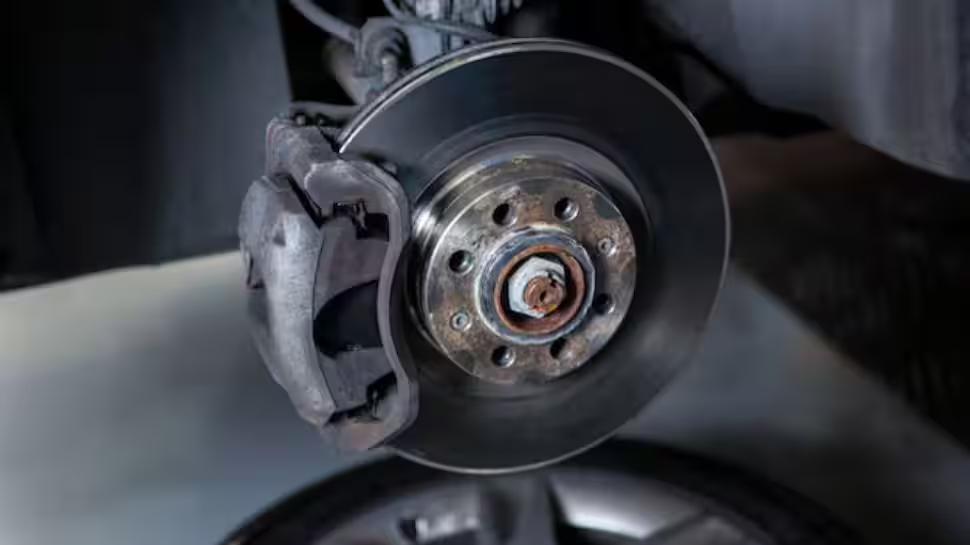
Where and when you feel the shake gives real diagnostic clues. Use this table as a starting point before your mechanic visit.
| Symptom Pattern | Likely Cause |
|---|---|
| Shake starts around 30-45 mph and continues at highway speed | Tire balance issue |
| Vibration mainly in steering wheel | Front tire or front-end suspension issue |
| Vibration mainly in seat or floor | Rear tire or rear suspension issue |
| Shake worsens when braking | Warped rotors or worn brake pads |
| Shake appears during hard acceleration, then fades | CV axle or driveshaft problem |
| Grinding or humming sound with the shake | Failing wheel bearing |
| Car pulls to one side along with vibration | Wheel alignment issue |
| Shaking during acceleration specifically, not steady speed | Engine misfire |
Tire Balance vs Wheel Alignment
These two issues get confused often, but they’re not the same problem. Understanding the difference saves time and unnecessary repair costs.
| Feature | Tire Balance | Wheel Alignment |
|---|---|---|
| What it fixes | Uneven weight distribution on the tire | Angle of the wheels relative to the road |
| Main symptom | Vibration at specific speeds | Car pulling to one side, uneven tread wear |
| How common as vibration cause | Very common | Rarely causes vibration on its own |
| Fix | Tire balancing | Wheel alignment service |
Steps to Diagnose Car Shaking Yourself
A simple observation log can speed up your mechanic visit significantly. Try tracking these details before your appointment.
- Note the exact speed range where the shaking starts and stops
- Identify where you feel it most, steering wheel, seat, or floor
- Check if the shake changes when braking, accelerating, or turning
- Listen for any unusual sounds like grinding, humming, or clunking
- Inspect tires visually for uneven wear, bulges, or obvious damage
Warning Signs That Need Immediate Attention
Some symptoms alongside shaking mean you shouldn’t keep driving until it’s checked. Vibrations paired with any of these deserve prompt attention.
- Burning smells while driving
- New clunking, grinding, or squealing sounds
- Dashboard warning lights appearing
- Steering wheel that feels loose or wanders
- Shaking that suddenly gets noticeably worse
How Mechanics Fix High-Speed Vibration
Once the cause is identified, the fix is usually straightforward. Common repairs include tire balancing and rotation, wheel alignment, replacing bent wheels, or swapping worn suspension parts.
For persistent vibration that standard balancing doesn’t resolve, some shops use a road force balancer to detect internal tire imperfections that a normal balance machine can miss.
How to Prevent Future Vibration Issues
Regular maintenance goes a long way toward avoiding this problem altogether. A few consistent habits help catch issues early.
- Rotate and balance tires every 5,000 to 6,000 miles
- Get your alignment checked annually or after hitting a significant pothole
- Inspect tires regularly for bulges, uneven wear, or visible damage
- Address unusual noises or vibrations early instead of waiting for them to worsen
Frequently Asked Questions (FAQs)
Why does my car shake only at highway speeds?
This usually points to a tire balance issue, since small imperfections become more noticeable as centrifugal force increases with speed.
Is it safe to drive with a shaking car?
It’s not recommended. Vibration can indicate a developing problem that worsens over time and may affect handling or safety.
Can bad alignment cause my car to shake?
Rarely on its own. Alignment issues more commonly cause pulling to one side or uneven tire wear, though it often accompanies other vibration causes.
What does it mean if my steering wheel shakes at high speed?
This typically points to an unbalanced or damaged front tire, or a front-end suspension component like a ball joint or tie rod.
Why does my car shake when I brake at high speed?
This is a classic sign of warped brake rotors or worn brake pads, separate from general highway vibration.
Can a bent wheel cause vibration?
Yes, even a minor bend from hitting a pothole or curb can throw off wheel balance and cause noticeable shaking at speed.
How do I know if it’s my tires or my wheel bearing?
A wheel bearing issue usually comes with a grinding or humming sound that changes with speed, unlike typical tire vibration.
What speed does car shaking usually start at?
It varies, but many tire balance issues appear between 30 and 60 mph and often worsen as speed increases further.
Can worn CV joints cause shaking at high speed?
Yes, worn CV axles or driveshaft U-joints often cause shaking during hard acceleration toward highway speed.
Does tire rotation help prevent shaking?
Yes, regular rotation and balancing helps distribute tire wear evenly, reducing the chances of vibration developing over time.
Can an engine problem cause my car to shake at speed?
Yes, though this usually happens during acceleration specifically, and often points to a misfire from spark plugs, coils, or fuel delivery.
How much does it cost to fix car vibration?
Costs vary widely depending on the cause, from an inexpensive tire balance to more costly suspension or axle repairs.
Is vibration always caused by the tires?
No, while tires are the most common cause, suspension, brakes, wheel bearings, and drivetrain components can all cause similar symptoms.
Can hitting a pothole cause delayed vibration issues?
Yes, a pothole impact can bend a wheel or damage a tire internally, sometimes causing vibration that appears gradually afterward.
Should I get an alignment or a balance first for vibration?
Start with a tire balance and inspection, since that’s the more common cause. An alignment addresses different symptoms like pulling or uneven wear.
Conclusion
Most of the time, the answer to why does my car shake at high speeds comes down to your tires, wheels, or suspension components. Paying attention to where and when the shake happens makes it much easier to pinpoint the cause.
Getting it checked early prevents a minor tire imbalance from turning into a costly suspension or drivetrain repair. If the shaking is new, worsening, or paired with unusual sounds, a trusted mechanic should take a look as soon as possible.