
Why Are the Bottoms of My Feet Red? Causes Explained 2026
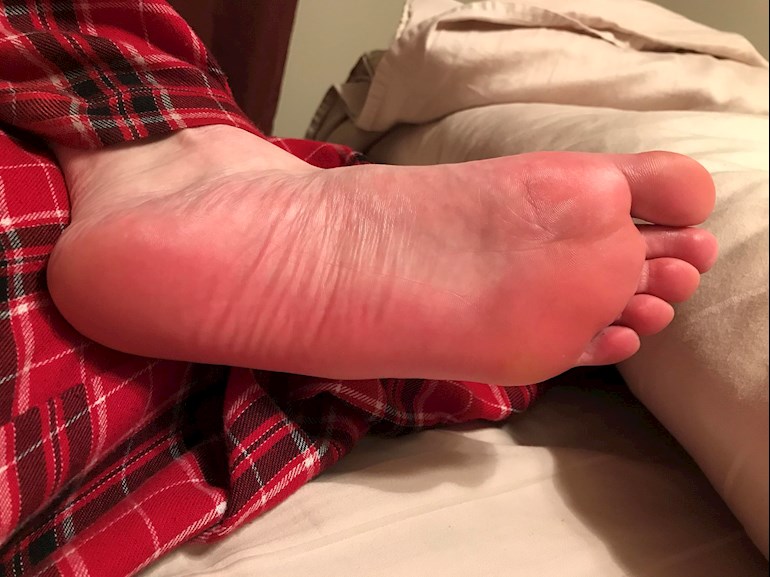
Red soles after a long day on your feet are usually harmless. But redness that lingers, spreads, or comes with other symptoms deserves a closer look.
If you’re asking why are the bottoms of my feet red, the cause can range from simple friction to a circulation or skin condition.
Why Are the Bottoms of My Feet Red
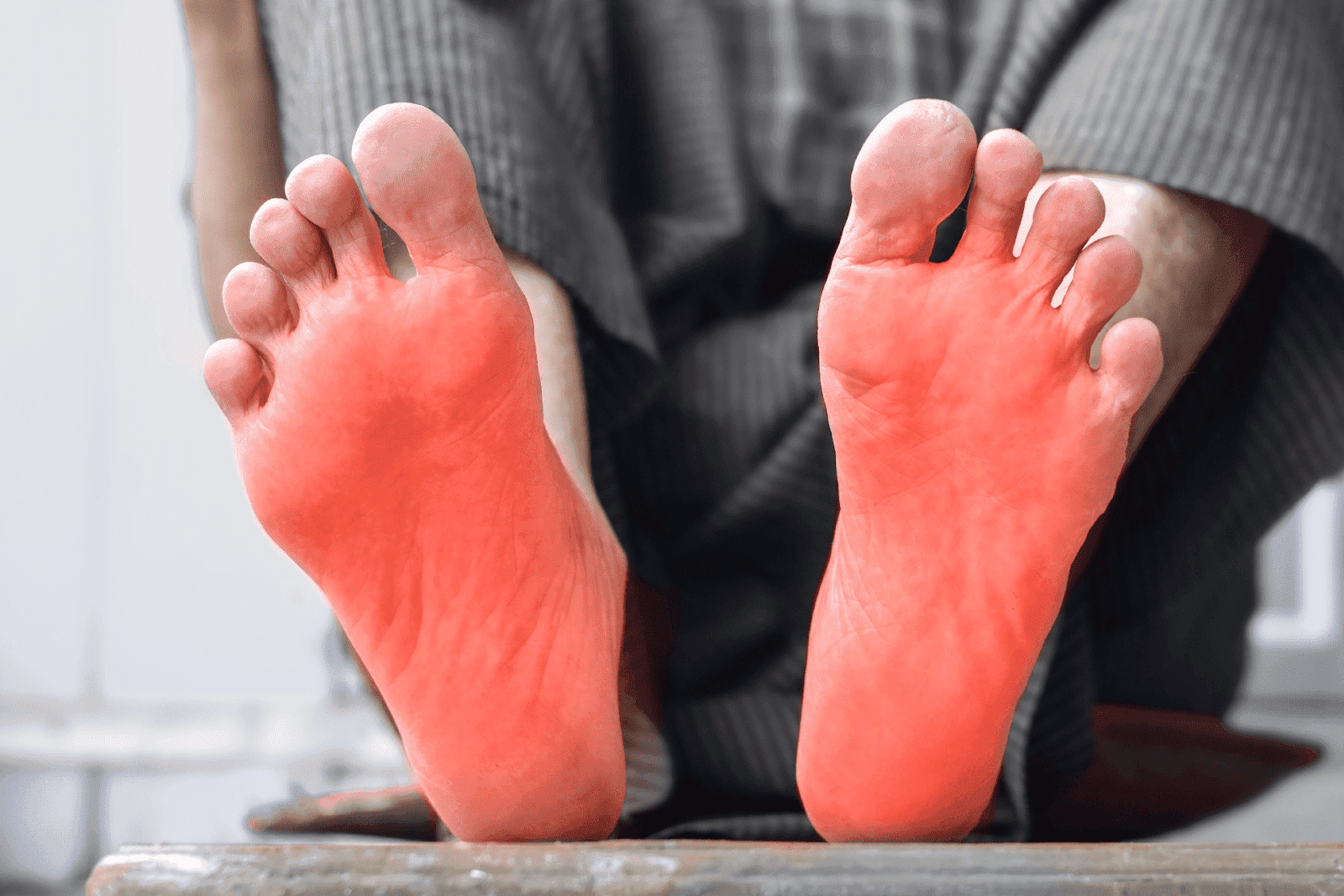
Red soles are most often caused by friction, pressure from standing or walking, contact dermatitis, or fungal infections like athlete’s foot. Less commonly, circulation problems or diabetes-related changes can be the cause.
Persistent redness with swelling, warmth, or pain is worth a medical evaluation.
What Causes Red Feet Most Often
Several everyday factors explain most cases of sole redness. Most resolve on their own with simple changes.
Friction and Pressure
Spending long hours standing or walking, especially on hard surfaces, increases blood flow to the soles. This mild inflammation is your body’s normal response to repeated pressure.
This type of redness usually appears in the areas that bear the most weight and improves with rest.
Ill-Fitting Shoes
Shoes that are too tight, too loose, or lack cushioning can create friction points on the sole. Over time, this friction leads to redness, and sometimes blisters, in specific spots.
Heat and Sweat Glands
Your soles have more sweat glands than almost anywhere else on the body. Heat and activity increase blood flow to this area, which can make the skin appear noticeably redder than surrounding areas.
Skin Conditions That Cause Red Soles
Beyond simple friction, several skin conditions specifically target the soles of the feet. These often come with additional symptoms beyond just color change.
Contact Dermatitis
This is an allergic or irritant reaction to something touching your skin, like soap, detergent, or shoe materials. Redness from contact dermatitis often comes with itching, swelling, or a mild rash.
Athlete’s Foot (Moccasin-Type)
Most people associate athlete’s foot with itching between the toes, but a plantar form known as moccasin-type tinea pedis affects the entire sole. This fungal infection causes diffuse redness, dryness, and scaling across the bottom of the foot.
Eczema
Eczema can affect the soles just like other parts of the body, causing red, itchy, and sometimes cracked skin. Flare-ups are often triggered by dry weather, harsh soaps, or known allergens.
Psoriasis

Psoriasis on the feet typically appears as pink-red or dark brown patches on the sole. The affected skin may feel thick, raised, and itchy compared to unaffected areas.
Blisters
If the red area is filled with clear fluid or blood, it’s likely a blister rather than general redness. Blisters form from continued friction and usually heal on their own without popping.
Circulation-Related Causes of Red Feet
In some cases, red soles point to how blood is moving through your body rather than a surface-level irritation. These causes are less common but more important to rule out.
Peripheral Artery Disease (PAD)
PAD reduces blood flow to the legs and feet due to narrowed arteries. This can cause redness, along with pain during activity that improves with rest.
Venous Insufficiency
When vein valves don’t work properly, blood can pool in the lower legs and feet instead of flowing back toward the heart. This often causes redness along with swelling and a heavy feeling in the legs.
Blood Clots
A blood clot in the leg can cause localized redness, swelling, and warmth. Clots are more common after long periods of sitting, immobility, or recent surgery, and need prompt medical attention.
Erythromelalgia
This rare condition causes intense burning pain along with redness in the feet, often triggered by heat or activity. It’s caused by episodes of excessive blood flow to the affected area.
Redness Linked to Diabetes
People with diabetes should pay closer attention to any new or changing redness on the feet. Diabetes can affect both circulation and nerve sensation in the lower legs, making foot changes easier to miss and slower to heal.
Redness in a diabetic foot, especially with warmth or swelling, can sometimes signal infection and should be checked by a doctor promptly.
Common Causes at a Glance
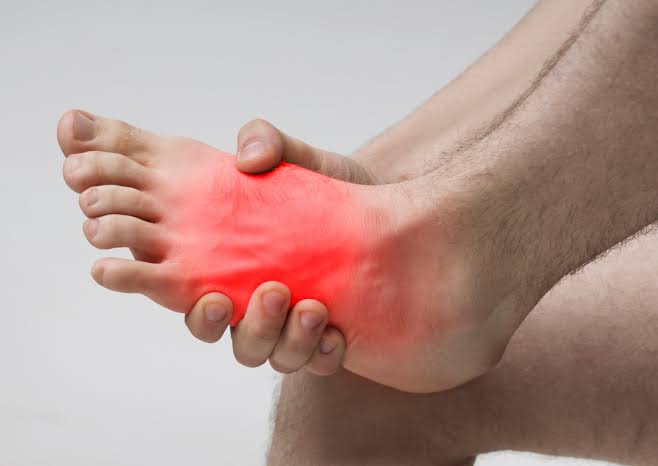
| Cause | Key Signs | Typically Serious? |
|---|---|---|
| Friction or pressure | Redness after standing or walking, improves with rest | No |
| Contact dermatitis | Itching, rash, recent exposure to soap or shoes | No |
| Athlete’s foot | Diffuse redness, dryness, scaling | No, but needs treatment |
| Eczema or psoriasis | Itchy, thick, or scaly patches | No, but chronic |
| Peripheral artery disease | Pain with activity, poor circulation | Yes |
| Blood clot | Sudden swelling, warmth, localized redness | Yes, emergency |
| Cellulitis | Warmth, swelling, spreading redness, possible fever | Yes |
When Red Feet Signal an Infection
Cellulitis is a bacterial skin infection that can develop from a small cut or crack in the skin. It typically causes redness that spreads, along with warmth, swelling, and sometimes fever.
Red streaks extending from the affected area are a warning sign that the infection may be spreading and need urgent care.
When to See a Doctor
Most cases of red soles are minor and improve on their own. But certain signs point to something that needs professional evaluation.
- Redness that persists or worsens without a clear cause
- Swelling, warmth, or tenderness alongside the redness
- Fever or red streaks extending from the affected area
- New or changing redness in a foot affected by diabetes
- Recurring redness that keeps coming back without explanation
- No improvement after adjusting footwear or reducing activity
How to Treat Red Feet at Home

For mild, non-infectious causes, a few simple steps often bring relief. These work well for friction, dryness, or mild irritation.
- Rest and elevate your feet to reduce pressure and swelling
- Apply a cold compress to soothe pain and reduce redness
- Switch to hypoallergenic soap or lotion if irritation is suspected
- Wear supportive, breathable footwear with proper cushioning
- Keep feet clean and dry, especially between the toes, to prevent fungal growth
How to Prevent Recurring Redness
A few consistent habits can reduce how often red soles show up. These are especially useful if you’re on your feet often.
- Choose well-fitting shoes with adequate arch support and cushioning
- Moisturize feet regularly to prevent dryness and cracking
- Wash and thoroughly dry feet daily, particularly between the toes
- Rotate footwear to avoid repeated friction in the same spots
- Manage underlying conditions like diabetes or circulation issues with your doctor
Frequently Asked Questions (FAQs)
Why are the bottoms of my feet red after walking?
This is usually caused by increased blood flow and mild inflammation from pressure and friction, and it typically fades with rest.
Is red skin on the soles always a sign of infection?
No, most redness comes from friction, dryness, or mild irritation rather than infection, though persistent or spreading redness should be checked.
Can shoes cause my feet to turn red?
Yes, ill-fitting shoes or materials that irritate your skin can cause friction-related redness or contact dermatitis on the soles.
What does athlete’s foot on the sole look like?
The moccasin-type form causes diffuse redness, dryness, and scaling across the entire bottom of the foot, unlike typical toe-area itching.
Can diabetes cause red feet?
Yes, diabetes can affect circulation and nerve sensation, making foot redness more significant and worth monitoring closely.
When should I worry about red feet?
Worry if redness persists, spreads, or comes with swelling, warmth, fever, or red streaks, since these can indicate infection or a circulation issue.
Is red soles from standing all day serious?
No, this is typically a normal response to pressure and improves with rest, elevation, and better footwear.
Can allergies cause redness on the bottom of the feet?
Yes, contact dermatitis from soaps, detergents, or shoe materials is a common cause of red, itchy soles.
What is erythromelalgia?
It’s a rare condition causing burning pain and redness in the feet, often triggered by heat, warmth, or physical activity.
Can a blood clot cause red feet?
Yes, a blood clot can cause localized redness, swelling, and warmth, and it requires prompt medical evaluation.
How can I tell if my red feet are from an infection?
Look for spreading redness, warmth, swelling, fever, or red streaks, which suggest cellulitis rather than simple irritation.
Does poor circulation cause red feet?
Yes, conditions like peripheral artery disease or venous insufficiency can cause visible redness due to abnormal blood flow.
Can psoriasis affect the bottom of the feet?
Yes, plantar psoriasis causes pink-red or dark brown patches that may feel thick, raised, and itchy on the soles.
Is it normal for feet to be redder than the rest of the body?
Somewhat, since the soles have a high concentration of sweat glands and blood vessels, making mild redness more noticeable.
What home remedies help with red feet?
Rest, elevation, cold compresses, hypoallergenic skincare, and supportive footwear help relieve most mild cases of red soles.
Conclusion
For most people, the answer to why are the bottoms of my feet red comes down to friction, pressure, or a mild skin reaction that clears up on its own. Paying attention to accompanying symptoms, like swelling, warmth, or spreading redness, helps you know when it’s something more.
If redness persists, worsens, or you have diabetes or circulation concerns, a podiatrist or doctor can pinpoint the exact cause. This article is for general information and isn’t a substitute for a professional medical evaluation.


