Why Won’t My Car Turn Over? Causes & Fixes 2026
Turning the key and hearing nothing, or just a click, is one of the most frustrating car problems. The good news is the sound your car makes actually tells you a lot about the cause.
If you’re asking why won’t my car turn over, this guide breaks down what each symptom means, from rapid clicking to total silence. You’ll also learn what to check yourself before calling for help.
Why Won’t My Car Turn Over
A car that won’t turn over is usually caused by a dead or weak battery, a faulty starter, corroded battery terminals, or a bad ignition switch. The exact sound you hear when turning the key narrows down the likely cause significantly.
Rapid clicking almost always points to the battery, while a single loud click often means the starter.
What “Turn Over” Actually Means
When a car turns over, the starter motor spins the engine fast enough for it to fire up and run on its own. This process is called cranking.
If the engine doesn’t crank at all, or barely moves, that’s a no-crank condition rather than a fuel or spark problem.
Crank-No-Start vs No-Crank-No-Start
Mechanics separate no-start problems into two categories. Knowing which one you have changes where the problem likely lives.
Crank-No-Start
This happens when the engine turns over normally but never fires up. It usually points to a fuel delivery, spark, or compression issue rather than the starting system.
No-Crank-No-Start
This is when the engine barely moves or doesn’t move at all when you turn the key. This is the classic “won’t turn over” situation, and it almost always traces back to the starting circuit.
What the Sound Tells You
The exact noise, or lack of one, when you turn the key is the fastest diagnostic clue available. Here’s how to read it.
| Sound When Starting | Likely Cause |
|---|---|
| Rapid clicking, multiple clicks per second | Weak or dead battery |
| Single loud click, then silence | Faulty starter or starter relay |
| Complete silence, no click at all | Blown fuse, broken connection, or bad ignition switch |
| Starter spins but engine doesn’t catch | Fuel, spark, or compression problem |
Common Reasons Your Car Won’t Turn Over
Several parts work together in the starting circuit. A failure in any one of them can leave your engine silent.
Dead or Weak Battery
A dead battery is the single most common cause of a no-crank condition. Car batteries typically last three to five years and can be drained by extreme temperatures, a bad alternator, or lights left on overnight.
If your dashboard lights are dim or your accessories barely work, the battery is a strong suspect.
Corroded or Loose Battery Terminals
Even a battery with a good charge can fail to start the car if its terminals are loose or corroded. This creates resistance that stops enough current from reaching the starter.
Road vibration over time is a common reason cables loosen at the terminals.
Faulty Starter Motor
The starter is a small motor responsible for physically cranking the engine. Worn brushes, internal damage, or a failing solenoid can stop it from working, usually producing a single loud click.
Bad Starter Relay
The starter relay acts as a switch that sends power from the battery to the starter. If it fails, the starter may not receive enough power to engage, even with a healthy battery.
Blown Fuse or Broken Wiring
A blown fuse or a broken connection in the starting circuit can cause complete silence with no click at all. This points to an electrical break rather than a weak power source.
Faulty Ignition Switch
The ignition switch sends the initial signal to start the cranking process. If it fails, turning the key may produce no response anywhere in the system.
Weak Ground Connection
Corrosion or damage on the ground wire between the battery and engine block can also cause a no-start with clicking. This is easy to overlook without a proper inspection.
Seized or Locked Engine
In more serious cases, internal engine components can seize due to overheating, running out of oil, or major mechanical failure. The starter engages and clicks, but the engine physically can’t turn.
How to Diagnose the Problem Yourself
A few basic checks can narrow things down before you call for help. Work through these in order.
- Turn the key and listen carefully to the exact sound, or lack of sound
- Check whether your dashboard lights and interior electronics work normally
- Inspect the battery terminals for visible corrosion or looseness
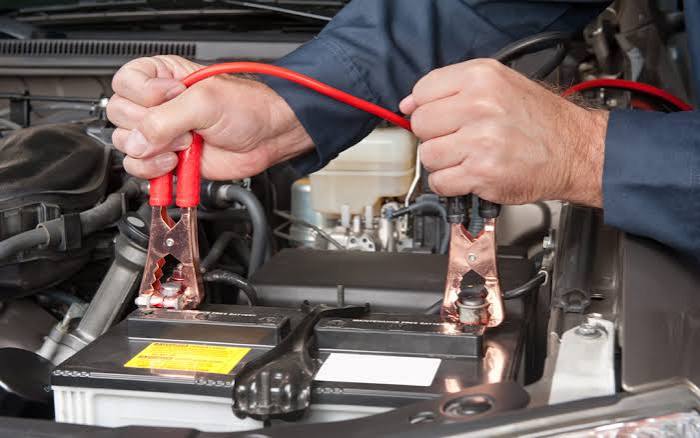
- Try a jump-start if the battery seems weak
- If jump-starting doesn’t help, the issue likely lies with the starter, relay, or wiring
Dead Battery vs Bad Starter
These two causes are the most common, and they’re easy to mix up. A simple check can usually tell them apart.
If your lights and electronics work fine but the engine won’t crank, the starter is the more likely culprit. If everything feels weak, including interior lights, the battery is usually to blame.
What to Do If Your Car Clicks But Won’t Start
Start with the safest, easiest fix first. A jump-start resolves the issue immediately if the battery is the cause.
If jump-starting gets the car running, drive straight to a shop to get the battery properly tested. If the engine still won’t turn over after a jump, the vehicle likely needs a tow for professional diagnosis.
When You Should Stop and Call a Mechanic
Some symptoms mean you shouldn’t keep trying to start the car yourself. Stop immediately if you notice any of the following.
- A burning smell or visible smoke near the engine
- The engine won’t turn even slightly when checked by hand
- Repeated attempts produce the exact same click with no change
- You’re unsure whether the issue is electrical or mechanical
How to Prevent a No-Crank Situation
A few maintenance habits reduce your odds of getting stranded. None of these require special tools.
- Have your battery tested annually once it passes the three-year mark
- Clean battery terminals periodically to prevent corrosion buildup
- Avoid leaving headlights or accessories on when the engine is off
- Address dimming lights or slow cranking early instead of waiting for a full failure
Frequently Asked Questions (FAQs)
Why won’t my car turn over but the battery isn’t dead?
If the battery has a charge but the car still won’t crank, a faulty starter, bad relay, or corroded terminals are the most likely causes.
What does rapid clicking mean when starting a car?
Rapid clicking almost always points to a weak or dead battery that can’t supply enough steady current to the starter.
What does a single loud click mean?
A single click, followed by silence, typically points to a faulty starter motor or starter relay rather than the battery itself.
Why is there no sound at all when I turn the key?
Complete silence usually indicates a blown fuse, a broken electrical connection, or a failed ignition switch.
Can a bad alternator cause a car not to turn over?
Yes, a failing alternator can leave the battery undercharged, which eventually causes the same symptoms as a dead battery.
How do I know if it’s the battery or the starter?
If interior lights and electronics work normally but the engine won’t crank, suspect the starter. If everything feels weak, suspect the battery.
Is it safe to jump-start a car that won’t turn over?
Yes, in most cases. If the car starts after a jump, the battery was likely the cause, and it should be tested afterward.
What if jump-starting doesn’t fix the problem?
If a jump-start doesn’t get the engine cranking, the issue is likely the starter, relay, or wiring, and a tow for diagnosis is usually needed.
Can corroded battery terminals cause a no-start?
Yes, corrosion creates resistance that can prevent enough current from reaching the starter, even with a fully charged battery.
How long do car batteries usually last?
Most car batteries last between three and five years, depending on climate, usage, and maintenance.
What does it mean if the starter clicks but the engine doesn’t move?
This can point to a failing starter, a weak ground connection, or in rare cases, a seized engine that physically can’t turn.
Why does tapping the starter sometimes make the car start?
Gently tapping a worn starter can temporarily reseat internal components, but it’s a short-term workaround, not a real fix.
Can extreme cold cause a car not to turn over?
Yes, cold temperatures reduce battery efficiency and thicken engine oil, making it harder for a weak battery or starter to crank the engine.
Is a clicking noise always a bad sign?
Yes, in the context of trying to start a car, any clicking instead of normal cranking indicates a problem in the starting system.
Should I keep trying to start my car if it won’t turn over?
Repeated attempts can drain the battery further or damage the starter, so it’s better to diagnose the cause before trying again.
Conclusion
The sound your engine makes, or doesn’t make, is the fastest clue to why won’t my car turn over. Rapid clicking usually means the battery, a single click points to the starter, and total silence suggests a wiring or ignition problem.
A jump-start is always worth trying first, since it’s quick and rules out the most common cause. If that doesn’t work, getting the vehicle to a trusted mechanic is the safest next step.