Why Can’t Horses Throw Up? The Surprising Reason 2026

It sounds like an odd trivia fact until you learn how serious it actually is. Horses genuinely cannot vomit, and understanding why can’t horses throw up reveals a lot about how fragile their digestion really is.
Unlike humans, dogs, or cats, a horse’s body is built as a one-way system. Once food goes down, there’s no biological mechanism to send it back up.
Why Can’t Horses Throw Up
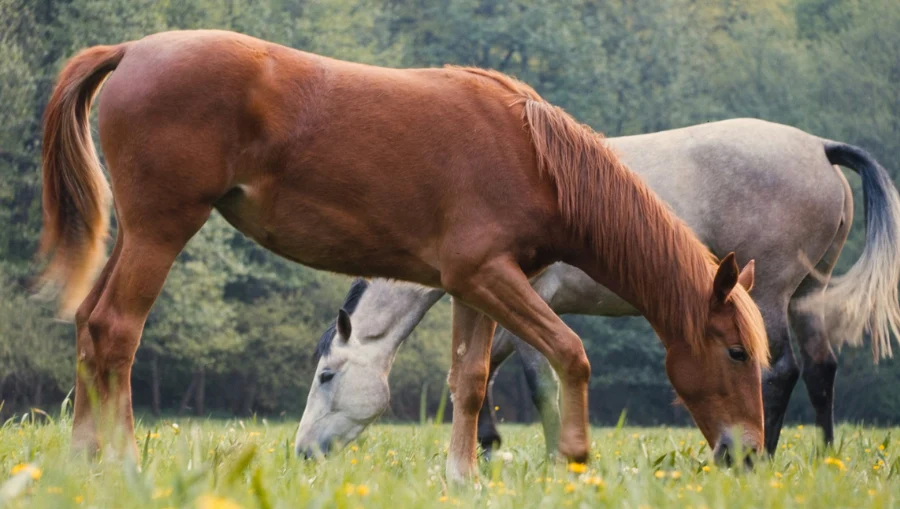
Horses can’t throw up because of a powerful lower esophageal sphincter, a steep esophagus-to-stomach angle, and a one-directional swallowing action. Together, these features make it physically very difficult for stomach contents to move back upward.
This isn’t a training issue or a rare exception. It’s a structural feature of every healthy horse’s digestive system.
The Anatomy Behind a Horse’s One-Way Digestive System
Vomiting requires several coordinated body movements working together. Horses lack the physical setup needed to complete that sequence.
A Powerful Lower Esophageal Sphincter
The lower esophageal sphincter is the muscular valve where the esophagus meets the stomach. In horses, this sphincter is unusually strong and closes tightly once food passes through.
That strength makes it extremely difficult for stomach pressure to force the valve back open. In most other animals, this same muscle relaxes more easily to allow vomiting.
A Steep Esophagus-to-Stomach Angle
The horse’s esophagus connects to the stomach at a sharp angle rather than a straight one. As the stomach fills or becomes distended, that angle actually presses the opening shut even tighter.
This design reinforces the one-way seal instead of weakening it under pressure, which is the opposite of what would be needed for vomiting to occur.
One-Directional Esophageal Contractions
Muscular waves called peristalsis move food along the esophagus. In horses, these contractions only move in one direction, toward the stomach.
Without reverse peristalsis, there’s no mechanical way to push contents back up toward the mouth, even if a horse tried.
A Small Stomach Built for Constant Grazing
A horse’s stomach is relatively small for its body size, typically holding only a few gallons. It’s designed to process small amounts of forage steadily throughout the day rather than large infrequent meals.
This structure supports near-constant grazing, but it also means there’s little room to accommodate backed-up material if digestion slows down.
Why Did Horses Evolve This Way?
Scientists don’t have a definitive answer, but there are a few widely discussed theories. Since horses are prey animals, some researchers believe retaining food securely was more important than the ability to expel toxins.
- Horses evolved as selective grazers, rarely ingesting large amounts of toxic material at once
- A sealed one-way digestive tract may support sustained running speed without spillage risk
- Retaining swallowed food may have offered a stronger survival advantage than vomiting ability
None of these explanations are proven with certainty. They remain reasonable evolutionary theories rather than confirmed facts.
Horses vs Other Animals: Why Some Species Can Vomit and Others Can’t
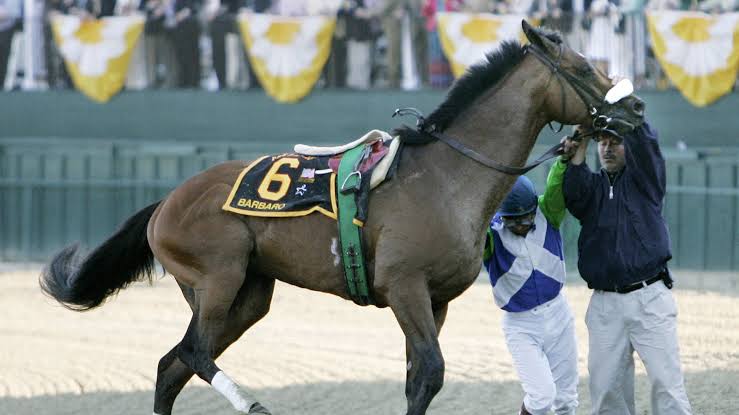
Most vertebrates, including humans, dogs, cats, birds, and reptiles, can vomit. Horses belong to a smaller group of animals that cannot.
| Animal | Can Vomit? | Digestive Structure |
|---|---|---|
| Horses | No | One-way esophagus, strong lower sphincter |
| Humans | Yes | Two-way esophagus with a relaxable sphincter |
| Dogs and cats | Yes | Flexible sphincter, coordinated vomiting reflex |
| Rats and rabbits | No | Similar one-way structural limitations |
| Cows (ruminants) | Partial | Regurgitate to chew cud, not true vomiting |
What Happens If a Horse Can’t Relieve Stomach Pressure
Because horses can’t vomit, gas or fluid buildup in the stomach has nowhere to go. This is a major reason certain digestive problems become emergencies so quickly in horses.
Colic
Colic is a general term for abdominal pain in horses, often caused by gas buildup, blockages, or disrupted gut motility. Since horses can’t vomit, colic can escalate rapidly into a life-threatening condition.
Stomach Rupture
In severe, untreated cases, pressure inside the stomach can become so extreme that the stomach wall ruptures instead of the contents escaping upward. This is a rare but serious outcome connected directly to the horse’s inability to vomit.
Choke
Choke happens when material becomes lodged in the esophagus rather than the stomach. It can sometimes look like vomiting from the outside, but it’s a different physical event entirely.
Signs That Look Like Vomiting But Aren’t
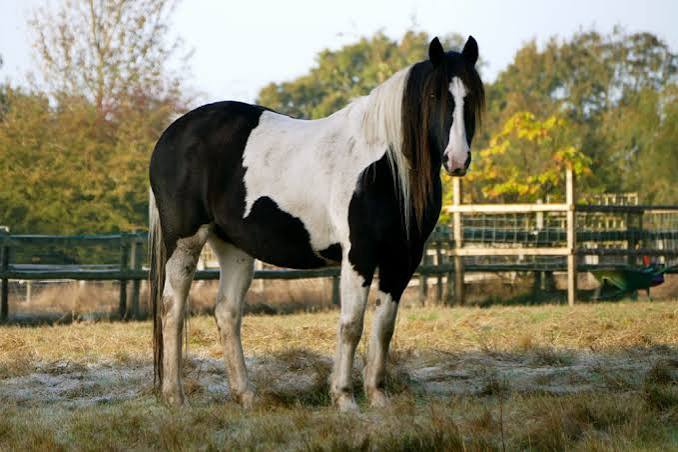
A few situations can be mistaken for a horse throwing up, even though true vomiting isn’t occurring.
- Material coming back up during a choke episode
- Fluid or food leaking from the nostrils due to blocked airway pressure
- Regurgitated material following a ruptured stomach, which is a medical emergency
Any of these signs should be treated as urgent and reported to a veterinarian immediately.
Why This Matters for Horse Owners
Understanding this anatomy changes how digestive symptoms should be handled in horses. What might be a minor stomach upset in a dog can become critical in a horse within hours.
- Feed small, consistent portions throughout the day rather than large infrequent meals
- Introduce diet changes gradually to avoid digestive disruption
- Watch closely for early colic signs like pawing, restlessness, or lack of appetite
- Treat any nasal discharge involving food or fluid as a veterinary emergency
- Avoid sudden access to large amounts of grain or lush pasture
Mistakes to Avoid
A few misconceptions commonly come up around this topic.
- Assuming a horse showing distress will simply vomit and feel better
- Waiting to see if colic symptoms improve on their own before calling a vet
- Confusing choke or nasal discharge with normal vomiting
- Believing this trait is unique to horses when other animals share it too
Frequently Asked Questions (FAQs)
Can horses throw up at all, even a little?
No, true vomiting is essentially impossible for horses due to their digestive anatomy.
Why can’t horses vomit like dogs or humans?
Their lower esophageal sphincter is much stronger, and their esophagus only allows one-directional movement toward the stomach.
Is it dangerous that horses can’t vomit?
Yes, it makes conditions like colic more dangerous, since stomach pressure has no way to be relieved upward.
What is colic in horses?
Colic is abdominal pain caused by gas, blockages, or disrupted gut movement, and it can become life-threatening quickly.
Can a horse’s stomach actually rupture?
Yes, in severe untreated cases, extreme pressure can cause the stomach wall to rupture instead of contents moving back up.
What does it mean if fluid comes out of a horse’s nose?
It may indicate choke or a serious digestive emergency and should be treated as urgent.
Do other animals besides horses lack the ability to vomit?
Yes, rats, mice, and rabbits also share this limitation due to similar digestive anatomy.
Why did horses evolve without the ability to vomit?
The exact reason isn’t confirmed, but researchers believe retaining food securely may have offered a stronger survival advantage than expelling toxins.
What is choke in horses, and is it the same as vomiting?
Choke is a blockage in the esophagus, not the stomach, and it can look similar to vomiting without being true vomiting.
How can I tell if my horse has colic?
Common signs include restlessness, pawing at the ground, reduced appetite, and repeated lying down and getting up.
Can feeding habits help prevent colic in horses?
Yes, consistent small meals, gradual diet changes, and steady access to forage can reduce colic risk.
Why is a horse’s stomach so small compared to its body size?
Their stomach is built for continuous grazing in small amounts rather than large infrequent meals.
Should I call a vet if I think my horse is vomiting?
Yes, since horses can’t vomit normally, any sign resembling it should be treated as an emergency.
Do cows vomit the way horses can’t?
Not exactly. Cows regurgitate food to chew cud, which is a different process from true vomiting.
Can a horse choke on food and recover on its own?
Some mild cases resolve, but choke should always be evaluated by a veterinarian to rule out complications.
Is a horse’s inability to vomit related to its running ability?
Some researchers believe a sealed digestive tract may support sustained running without spillage, though this remains a theory.
Conclusion
Horses can’t throw up because of a powerful lower esophageal sphincter, a steep stomach-entry angle, and a strictly one-directional esophagus. These features work together to create a digestive system built for forward movement only.
This isn’t just a quirky biological fact. It’s the reason digestive issues like colic can turn dangerous so quickly in horses compared to animals that can vomit.
If you own or care for horses, recognizing early signs of digestive distress and calling a vet promptly is one of the most important things you can do for their safety.