
Why Do Men Have Longer Eyelashes? The Real Science 2026

It’s a common observation: some men seem to have thick, dark lashes without ever trying. But the science behind this isn’t as simple as gender alone.
If you’re asking why do men have longer eyelashes, the honest answer involves genetics, hormones, and hair damage patterns rather than a strict biological rule. This guide breaks down what actually influences eyelash length.
Why Do Men Have Longer Eyelashes

There’s no confirmed biological rule that men universally have longer eyelashes than women. What looks like a gender pattern is mostly genetics, testosterone’s effect on hair growth, and less mascara-related damage in men.
Eyelash length is primarily inherited, the same way hair color or texture is passed down.
Is It Actually True That Men Have Longer Eyelashes
Despite the popular belief, researchers haven’t found solid evidence that men’s eyelashes are objectively longer than women’s. It’s more of a perception shaped by a few real biological factors working together.
The Perception vs the Biology
Many people notice long lashes on men specifically because it contrasts with expectations. Long lashes on a man’s face without mascara stand out, which reinforces the idea that it’s a male trait.
What Actually Varies by Person
Eyelash length differs from person to person regardless of gender. Genetics is the strongest predictor, much like height or eye color within a family.
The Real Reasons Some Men Appear to Have Longer Eyelashes
A few overlapping factors explain why certain men have noticeably fuller lashes. None of them apply to all men equally.
Genetics Sets the Baseline
Eyelash length runs in families, just like other hair traits. If a parent has naturally long lashes, their children are more likely to inherit that trait, regardless of gender.
Testosterone Influences Hair Growth
Testosterone affects body and facial hair growth broadly, which can extend to eyelash follicles. Higher testosterone levels are associated with denser, more robust hair growth in general.
This is the same hormone linked to increased body hair and facial hair in men.
A Longer Anagen (Growth) Phase Can Help
Eyelashes grow in cycles made up of three stages: anagen (growth), catagen (transition), and telogen (rest). Research shows the anagen phase for eyelashes typically lasts around 4 to 10 weeks.
The longer a lash stays in this growth phase, the longer it can ultimately grow before shedding.
Less Mascara and Curler Damage
Women who regularly use mascara, eyelash curlers, or false lashes put daily mechanical stress on their natural lashes. Over time, this repeated pulling and product buildup can weaken and shorten lashes.
Men typically skip these routines entirely, which may let their natural lash length show through more clearly.
Facial Structure and Contrast
Eye shape and brow position can make eyelashes appear longer or more prominent. Since men often have less makeup contrast around the eyes, natural lash length is simply more visible.
How the Eyelash Growth Cycle Works
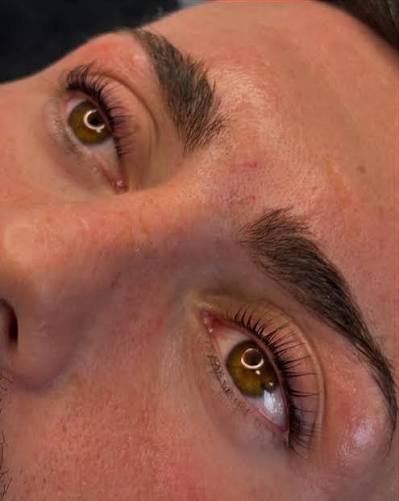
Understanding the growth cycle explains why lash length varies so much between individuals. It has nothing to do with gender directly.
| Phase | What Happens | Typical Duration |
|---|---|---|
| Anagen | Active growth from the follicle | 4 to 10 weeks |
| Catagen | Growth stops, lash detaches from blood supply | About 2 to 3 weeks |
| Telogen | Resting phase before the lash sheds | Several months |
Only a portion of your lashes are in the growth phase at any given time. This is why lashes never grow indefinitely and rarely exceed about 12mm in length.
Do Eyelashes Get Shorter With Age
Yes, the anagen phase tends to shorten as people age. Shorter growth phases lead to thinner, less robust lash growth over time, for both men and women.
This age-related change is separate from any gender-based difference.
What the Research Says About Eyelash Attractiveness
Interestingly, longer isn’t always considered more attractive. A study on eyelash length and attractiveness found ratings peaked around one-third of the eye’s width, following an inverted-U pattern.
Lashes noticeably longer than that sweet spot were rated less attractive on male faces specifically, while very short or absent lashes were rated least attractive on female faces.
Can Women Have Naturally Longer Eyelashes Than Men
Yes, absolutely. Since eyelash length is primarily genetic, it’s entirely possible, and common, for women to have naturally longer lashes than the men in their own family.
Any perceived gender gap comes from averages influenced by lash care habits, not a hard biological rule.
How to Support Healthy Eyelash Growth
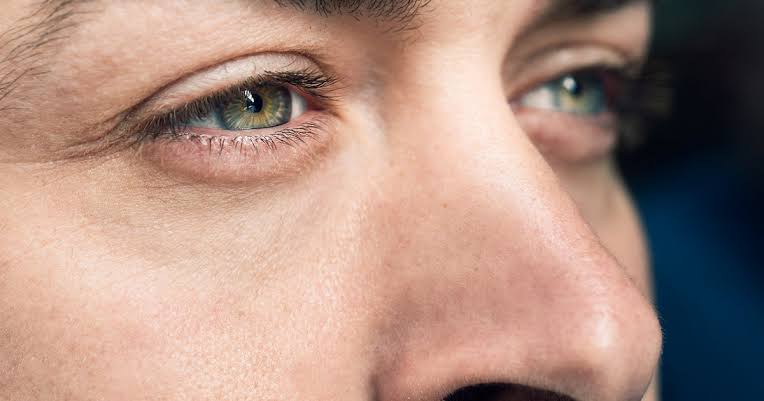
Whether you want to protect existing length or encourage fuller growth, a few habits make a measurable difference. None of these change your genetics, but they reduce unnecessary damage.
- Remove eye makeup gently instead of scrubbing or pulling
- Avoid daily use of eyelash curlers, which stress the hair shaft
- Let lash extensions be applied and removed by a trained professional
- Eat a balanced diet, since nutrition affects hair growth generally
- Manage stress, since chronic stress can push hairs into the resting phase early
Frequently Asked Questions (FAQs)
Why do men have longer eyelashes than women?
There’s no proven biological rule that they do. The appearance often comes from testosterone’s effect on hair growth and less mascara-related lash damage in men.
Is eyelash length determined by genetics?
Yes, eyelash length is largely inherited, similar to hair color and texture, and it isn’t strictly tied to gender.
Does testosterone make eyelashes longer?
Testosterone influences hair growth broadly, which can contribute to fuller lash growth, but it isn’t the only factor involved.
Does mascara damage eyelashes over time?
Yes, daily application and removal, along with curling, can weaken and shorten lashes through repeated mechanical stress.
How long is the eyelash growth cycle?
A full eyelash cycle typically takes 4 to 11 months, including the growth, transition, and resting phases.
Can eyelashes grow back after falling out?
Yes, each follicle cycles through growth and rest phases repeatedly, so shed lashes are naturally replaced.
Do eyelashes get shorter as you age?
Yes, the active growth phase shortens with age, which can lead to thinner and shorter lashes over time.
What is the longest recorded human eyelash?
The longest documented single eyelash measured slightly over 8 centimeters, according to record-keeping sources.
Are longer eyelashes always considered more attractive?
Not necessarily. Studies suggest attractiveness peaks at a moderate length, with extremely long lashes rated less appealing on male faces.
Can women have longer eyelashes than men naturally?
Yes, since genetics is the main driver, women in many families naturally have longer lashes than the men around them.
Do eyelash serums actually work?
Some serums use ingredients shown to extend the anagen growth phase, though individual results vary based on genetics and consistency of use.
Why do some children have very long eyelashes?
Children haven’t experienced years of mascara use or curling, so their natural genetic lash length is fully visible.
Does diet affect eyelash growth?
Yes, like all hair, eyelashes benefit from adequate protein, vitamins, and overall nutrition to support healthy growth cycles.
Is it true that eyelashes protect the eyes?
Yes, eyelashes act as a physical barrier that helps block dust, debris, and small particles from reaching the eye.
Can stress cause eyelash loss?
Yes, chronic stress can push hair follicles, including eyelashes, into the resting phase prematurely, leading to increased shedding.
Conclusion
The idea that men simply have longer eyelashes than women isn’t fully backed by strong biological evidence. Genetics decides most of it, with testosterone and reduced mascara damage adding to the appearance in some men.
So if you’re still wondering why do men have longer eyelashes, the real story is about hair growth cycles and habits, not gender itself. Anyone’s lash length ultimately comes down to their own genetic blueprint.


