Why Did Cain Kill Abel in the Bible? Key Reasons 2026
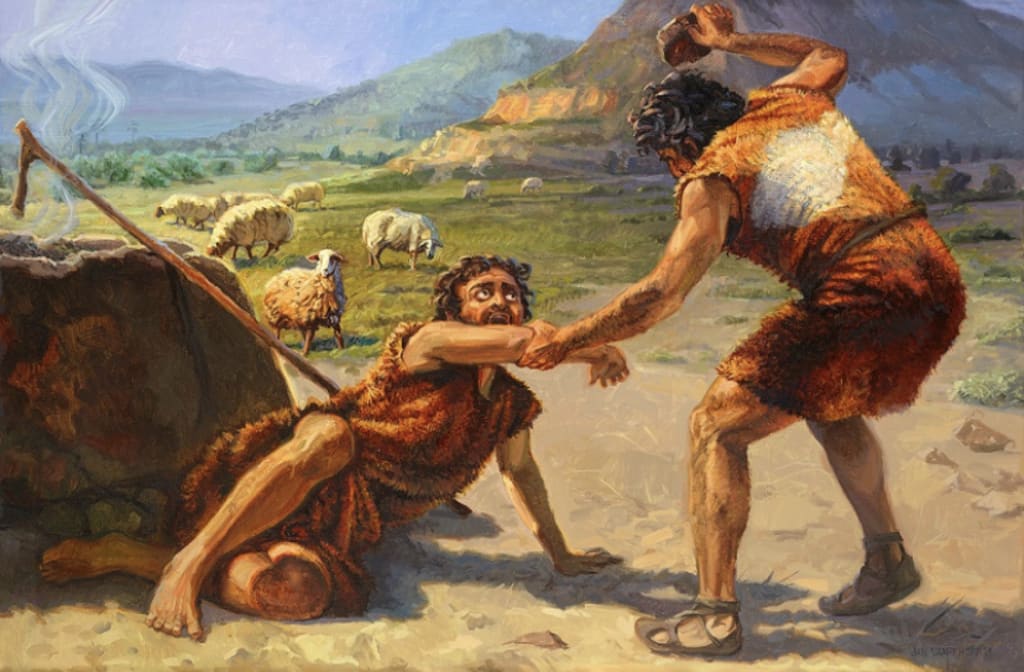
The story of Cain and Abel is the first murder recorded in the Bible. It sits in Genesis 4, right after Adam and Eve leave the Garden of Eden.
Millions still ask the same question today: Why Did Cain Kill Abel in the Bible? The short answer is jealousy over a rejected offering. The full answer runs much deeper.
Why Did Cain Kill Abel in the Bible?
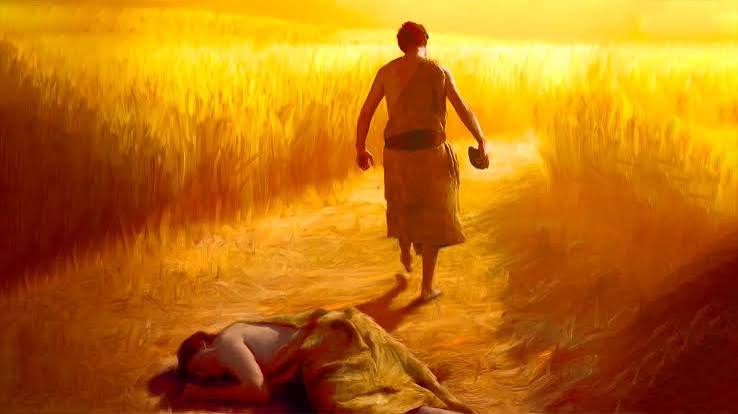
Cain killed Abel because God accepted Abel’s offering but rejected Cain’s. Cain’s jealousy turned into resentment, and his resentment turned into violence.
Genesis 4:7 shows God warning Cain directly that sin was “crouching at the door.” Cain ignored the warning.
The Biblical Account of Cain and Abel (Genesis 4)
Cain and Abel were the first two sons born to Adam and Eve after they left Eden.
Genesis 4 describes them bringing offerings to God. One offering was accepted. One was not. That single moment set the entire tragedy in motion.
Who Were Cain and Abel?
Cain was the firstborn son of Adam and Eve. Abel was his younger brother.
Cain – The Firstborn Farmer
Cain worked the soil. He grew crops and tended the land for a living.
The Bible describes him as a “worker of the ground,” which was considered honest, ordinary labor.
Abel – The Shepherd
Abel kept flocks. He raised sheep and cared for livestock.
Shepherding was common in the ancient Near East and carried its own daily discipline.
The Offerings to God
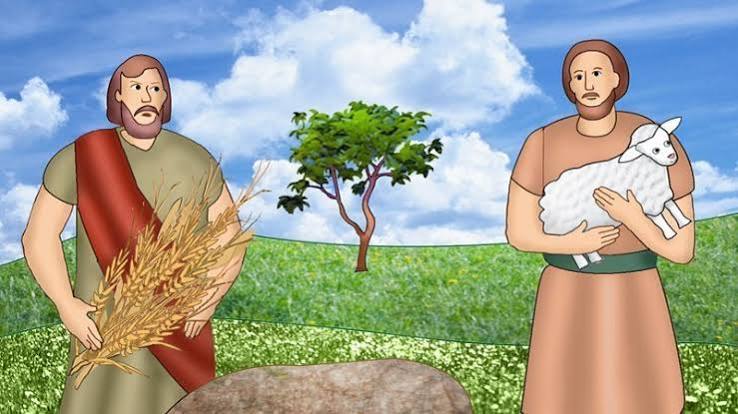
Genesis 4:3-4 says both brothers brought offerings “in the course of time.” This appears to have been a normal act of worship, not a one-time event.
What Cain Offered
Cain brought “some of the fruits of the soil.” Many scholars note the text doesn’t say he brought his best or firstfruits.
What Abel Offered
Abel brought “the firstborn of his flock and their fat portions.” The text specifically highlights quality and choice cuts.
| Offering Detail | Cain | Abel |
|---|---|---|
| Occupation | Farmer | Shepherd |
| Offering Type | Fruit of the ground | Firstborn of the flock |
| Described Quality | Not specified | Firstborn, fat portions (best parts) |
| God’s Response | Rejected | Accepted |
Why God Rejected Cain’s Offering
The Bible does not give one single, explicit reason. This has led to several long-standing interpretations.
Theory 1: Attitude of the Heart
Many theologians argue the offering itself wasn’t the issue. Cain’s inner disposition was.
1 Samuel 16:7 says God looks at the heart, not outward appearance. Under this view, Cain’s worship was half-hearted.
Theory 2: Quality of the Offering
Genesis specifically praises Abel’s offering as the “firstborn” and “fat portions.” Cain’s offering has no such description.
This suggests Cain may have given a average or partial offering, not his very best.
Theory 3: Faith (Hebrews 11:4)
Hebrews 11:4 says Abel offered “a more excellent sacrifice” by faith. Under this reading, Abel’s faith is what pleased God, not the offering type.
Cain’s offering, by contrast, is not linked to faith anywhere in the text.
Cain’s Anger and God’s Warning (Genesis 4:6-7)
After the rejection, Genesis says Cain became “very angry” and his face fell.
God spoke directly to Cain, asking why he was angry and warning him that sin was “crouching at the door,” desiring to control him.
This is one of the most striking moments in the passage. God gave Cain a direct chance to master his anger before it turned violent.
The Murder of Abel
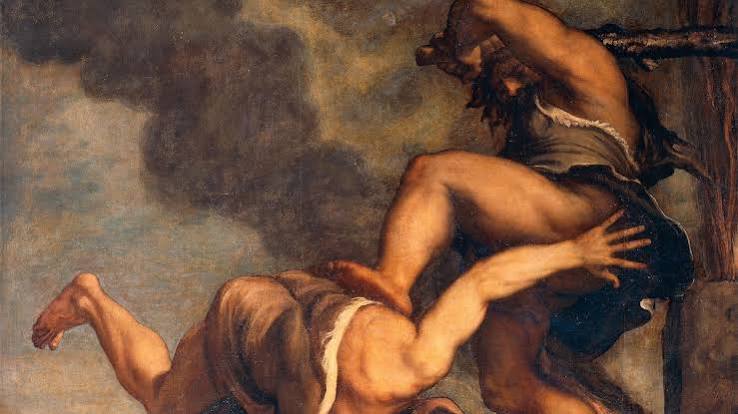
Genesis 4:8 says Cain spoke to Abel, and while they were in the field together, Cain attacked and killed him.
The Bible does not describe the method in detail. It states plainly that Cain rose against his brother and killed him.
Root Causes: Why Did Cain Kill Abel?
Scholars generally point to four overlapping causes rather than one single motive.
Jealousy and Rejection
Cain saw his brother favored and himself rejected. That contrast is widely viewed as the emotional spark for the murder.
Unchecked Anger
Genesis shows God warning Cain before the murder happened. Cain had a chance to control his anger and didn’t.
Spiritual Rebellion
1 John 3:12 states Cain’s deeds were evil, while Abel’s were righteous. This frames the murder as a deeper spiritual failure, not just an emotional outburst.
Comparison and Pride
Several commentators describe this as the first recorded case of destructive sibling comparison. Cain measured himself against Abel and couldn’t accept the result.
God’s Judgment on Cain
God confronts Cain immediately after the murder, asking where Abel is. Cain famously replies, “Am I my brother’s keeper?”
The Curse
God curses Cain from the ground he worked. Genesis says the ground would no longer yield its full strength to him, and he would become a restless wanderer.
The Mark of Cain
Genesis 4:15 says God placed a mark on Cain, not as a symbol of shame, but as protection so no one would kill him in revenge.
This detail is often highlighted as an early example of mercy shown even within judgment.
Jewish, Christian, and Scholarly Interpretations
Different traditions read this story with slightly different emphases.
| Tradition | Primary Focus |
|---|---|
| Jewish commentary (Midrash, Targum) | Explores sibling rivalry and questions why God’s rejection is left unexplained |
| Christian theology | Frames Cain and Abel as symbols of rebellion vs. faithful obedience (1 John 3:12) |
| Biblical scholarship | Notes the text’s brevity and debates whether the story raises questions about divine fairness |
Some modern scholars, including Walter Brueggemann, point out that Genesis never fully explains why Cain’s offering was rejected, and that the story leaves real theological tension unresolved.
Symbolic and Theological Meaning
Beyond the historical narrative, the Cain and Abel story is widely read as a symbol of:
- The danger of unmanaged anger and jealousy
- The consequences of comparing ourselves to others
- The tension between human freedom and personal responsibility
- Divine justice paired with unexpected mercy
Lessons From the Story of Cain and Abel
- Jealousy left unchecked can escalate quickly.
- God offers warning and opportunity before consequences arrive.
- Comparison with others is one of the oldest human struggles.
- Judgment and mercy can exist in the same moment.
Cain and Abel in Art, Literature and Culture
The story has inspired centuries of art, including Peter Paul Rubens’ famous depiction of the murder. It’s also referenced widely in literature, from Byron’s poetry to modern fiction, usually as a symbol of fractured brotherhood.
Frequently Asked Questions (FAQs)
Why did God reject Cain’s offering?
The Bible doesn’t state one explicit reason. The most common view is that Cain’s offering lacked the quality, faith, or heart-attitude that Abel’s offering had.
Did God ever explain the rejection to Cain?
God didn’t explain the rejection itself, but He did warn Cain about his anger and the danger of sin in Genesis 4:6-7.
What does “sin is crouching at the door” mean?
It’s a warning that sin was waiting for an opportunity to control Cain, and that he still had the ability to resist it.
How did Cain kill Abel?
Genesis 4:8 doesn’t describe the method. It simply says Cain attacked Abel while they were in the field.
Where did the murder take place?
The text says it happened “in the field,” a general term without a specific named location.
What was Cain’s punishment?
Cain was cursed from the ground, meaning it would no longer yield produce for him as before, and he became a wanderer.
What was the mark of Cain?
It was a protective sign from God, meant to prevent others from killing Cain in revenge, not a symbol of shame.
Why did God protect Cain after the murder?
Many theologians see this as an example of mercy operating alongside justice, even for the guilty.
Is jealousy the only reason Cain killed Abel?
Jealousy is the most cited reason, but anger, pride, and spiritual rebellion are also widely discussed as contributing factors.
What does 1 John 3:12 say about Cain?
It says Cain “belonged to the evil one” and killed his brother because his own deeds were evil and Abel’s were righteous.
What does Hebrews 11:4 say about Abel’s offering?
It says Abel offered a better sacrifice than Cain by faith, and that his faith is why he was regarded as righteous.
Were Cain and Abel twins?
The Bible doesn’t state this. It simply lists Cain’s birth, then Abel’s, without specifying twins.
What did Cain and Abel do for a living?
Cain farmed the land. Abel raised and kept flocks of sheep.
Why does the Bible mention their occupations?
Their occupations explain why their offerings differed: one from crops, one from livestock.
Is the story of Cain and Abel historical or symbolic?
Views differ widely. Some read it as a literal historical event, others as a symbolic account of humanity’s fall into violence.
What is the moral lesson of Cain and Abel?
Unchecked jealousy and anger can lead to devastating consequences, and personal responsibility matters even when we feel wronged.
Did Cain regret killing Abel?
Genesis 4:13 shows Cain reacting to his punishment as “more than I can bear,” though the text focuses more on consequence than remorse.
What happened to Cain after he was cursed?
He settled in the land of Nod, east of Eden, and later built a city.
Why is this considered the first murder in the Bible?
It’s the first act of one human killing another recorded in Scripture, making it foundational to biblical discussions of sin and violence.
How do Jewish and Christian interpretations differ?
Jewish commentary often explores the ambiguity of God’s rejection and sibling rivalry, while Christian theology frequently frames the story as faith versus rebellion.
Conclusion
Cain killed Abel after his offering was rejected, and jealousy, wounded pride, and unmanaged anger took over from there. Genesis frames it as both a personal failure and a warning about how quickly sin can take hold once it’s given room to grow.
The story still resonates because the core struggle, comparison, resentment, and the choice to act on anger, hasn’t changed in thousands of years.