Why Does Cocoa Beach Glow at Night? Bioluminescence 2026
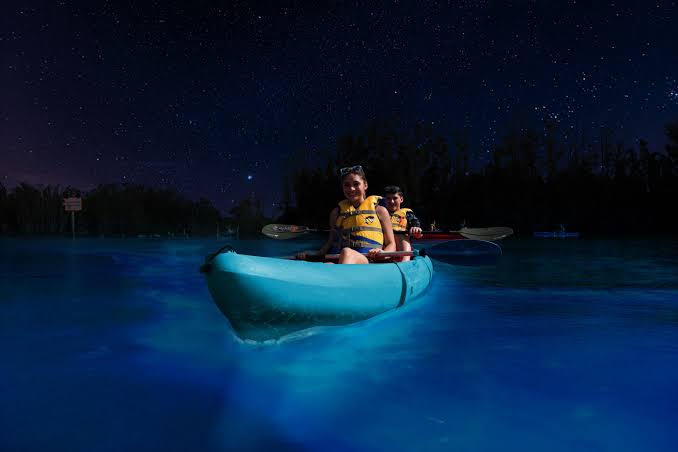
Why does Cocoa Beach glow at night is a question almost every first-time visitor asks after hearing about Florida’s famous glowing waters.
The answer lies in tiny living organisms, not magic or pollution, that light up whenever the water around them is disturbed.
From glowing paddle strokes to sparkling trails left by fish, this natural light show has made Cocoa Beach one of the most talked-about nighttime destinations in Florida.
What Is Bioluminescence?
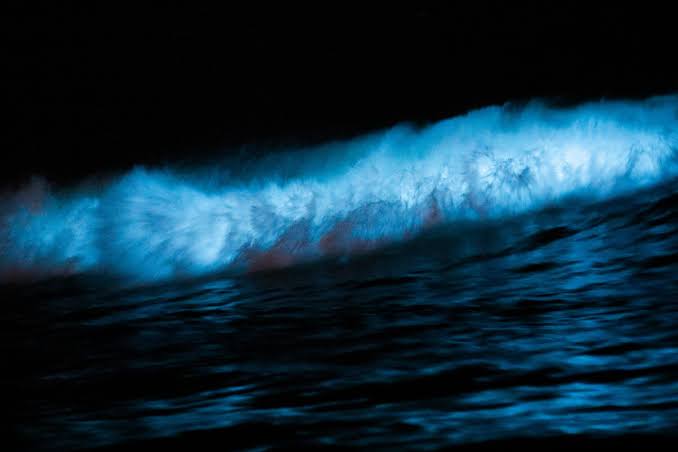
Bioluminescence is the natural production of light by a living organism. It happens through a chemical reaction inside the creature’s body, not through reflected light.
This phenomenon appears in creatures ranging from deep-sea fish to fireflies to microscopic marine plankton. Cocoa Beach’s glow specifically comes from tiny organisms living in its coastal waterways.
Unlike glow sticks or artificial lighting, this light is produced biologically. It’s often described as nature’s own version of fireworks, just underwater.
The Real Reason Cocoa Beach Glows at Night
The glow around Cocoa Beach comes primarily from microscopic organisms called dinoflagellates. These single-celled plankton light up in a bright blue-green color when disturbed.
When water is agitated by a paddle, a fish, or even a human hand, the dinoflagellates react almost instantly. This is the same reaction responsible for glowing “trails” seen in kayak videos.
A second organism, the comb jelly, also contributes to the glow, especially during cooler months. Together, these two creatures create Cocoa Beach’s signature nighttime light show.
The Science Behind the Glow
The glowing effect happens because of a chemical reaction between a compound called luciferin and oxygen. This reaction is triggered by movement or pressure against the organism’s cell wall.
When luciferin reacts with oxygen, it releases energy in the form of visible light. Scientists refer to this specific chemical process as bioluminescence.
This reaction is remarkably fast, which is why even a single paddle stroke can create a glowing streak that fades within seconds.
Why Do These Organisms Glow in the First Place
Bioluminescence isn’t just a random visual effect. For the organisms themselves, it serves several important biological purposes.
Predator Deterrence
A sudden flash of light can startle or confuse a predator, giving the tiny organism a split-second chance to escape. This defensive flash is thought to be one of the primary reasons dinoflagellates glow.
Prey Attraction
Some researchers believe the glow may help attract smaller prey toward the organism, or attract larger predators toward whatever disturbed the water in the first place, indirectly protecting the dinoflagellate.
Communication
In certain marine species, bioluminescence may also play a role in communication, including mating signals between organisms of the same species.
Table: Organisms Behind Cocoa Beach’s Glow
| Organism | Glow Color | Best Season | Trigger |
|---|---|---|---|
| Dinoflagellates | Bright blue-green | Late spring through fall | Water movement/disturbance |
| Comb jellies | Soft green-blue | Fall through winter | Movement, safe to touch |
When Is the Best Time to See the Glow
Timing plays a major role in how bright and visible the glow appears on any given night. A few key factors matter most.
Best Months of the Year
The strongest dinoflagellate activity typically runs from May through October, with peak brightness in June, July, and August. Warmer water temperatures boost plankton concentration significantly during these months.
Moon Phase Matters
Bioluminescence is visible year-round, but a dark sky makes it far more noticeable. Nights close to the new moon offer the darkest skies and the most vivid glow.
Avoiding Full Moon Nights
Full moon nights wash out much of the glow because of strong natural moonlight reflecting off the water’s surface. Many guides recommend avoiding these dates if visibility is your top priority.
Table: Moon Phase and Glow Visibility
| Moon Phase | Sky Darkness | Glow Visibility |
|---|---|---|
| New moon | Very dark | Excellent |
| Few days before/after new moon | Mostly dark | Very good |
| Quarter moon | Moderate light | Good, slightly reduced |
| Full moon | Bright | Poor, often washed out |
Weather Conditions That Affect the Glow
Weather has a direct effect on how easy it is to see bioluminescence during a night tour. Calm, clear conditions are almost always best.
Warm, humid nights with little wind tend to produce the most stable and visible glow. Rough or choppy water can actually reduce visibility by scattering light unpredictably.
Rain and heavy cloud cover can affect comfort during a tour, but light cloud cover on a moonlit night can sometimes help by blocking excess moonlight.
Best Places to See Cocoa Beach’s Glow
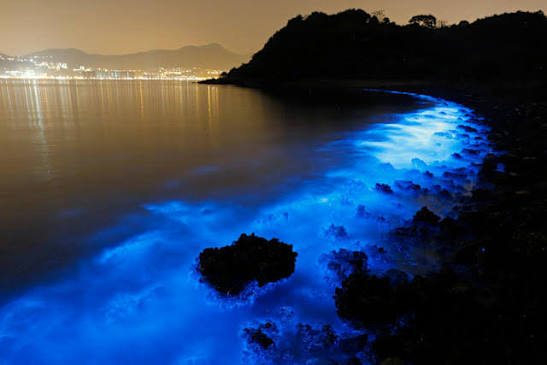
Bioluminescence isn’t usually visible directly on the open beach. It’s most reliably seen in the calmer, more protected waterways nearby.
Indian River Lagoon
This is considered one of the most reliable bioluminescence spots on the entire East Coast. Its calm, nutrient-rich waters support dense plankton populations for much of the year.
Banana River
Located close to Cocoa Beach, the Banana River offers a similarly protected environment where glowing water is frequently reported by kayak and boat tours.
Mosquito Lagoon
Known for exceptionally calm waters, Mosquito Lagoon is a favorite among photographers and first-time visitors hoping for a clear, bright glow.
Merritt Island Waterways
Merritt Island’s quieter channels also see strong seasonal activity, especially during peak summer months when dinoflagellate concentrations are highest.
Table: Popular Viewing Locations
| Location | Known For | Distance from Cocoa Beach |
|---|---|---|
| Indian River Lagoon | Most reliable year-round glow | Very close |
| Banana River | Calm water, frequent sightings | Close |
| Mosquito Lagoon | Exceptionally calm, photogenic | Short drive |
| Merritt Island | Strong summer activity | Short drive |
How to Experience the Glow
There are a few different ways visitors typically experience Cocoa Beach’s bioluminescence, each offering a slightly different perspective.
Guided Kayak Tours
Kayaking is the most popular way to experience the glow up close. Each paddle stroke creates a glowing trail, and passing fish often leave streaks of light beneath the boat.
Clear Kayak Tours
Clear-bottom kayaks let visitors see the glow directly beneath them, adding an extra layer to the experience compared to traditional kayaks.
Boat and Raft Tours
Larger group tours on boats or rafts offer a more relaxed way to see the glow, often better suited for families or larger groups.
Simply Walking the Shoreline
On especially strong nights, some glow can be visible from calm shorelines, though tours in protected lagoons almost always offer a brighter, more reliable show.
What to Bring for a Bioluminescence Tour
A little preparation goes a long way toward making the experience comfortable and enjoyable.
- Insect repellent, since lagoon areas can have mosquitoes at dusk
- A light jacket, as evenings can cool down quickly near the water
- A waterproof phone case if you plan to take photos
- Closed-toe water shoes for launching and landing
- A reusable water bottle to stay hydrated during the tour
Table: Quick Planning Checklist
| Factor | Recommendation |
|---|---|
| Best months | May through October |
| Best moon phase | New moon or a few days before/after |
| Best weather | Warm, calm, minimal wind |
| Best locations | Indian River Lagoon, Banana River, Mosquito Lagoon |
| Booking timing | Reserve early for summer weekends and new moon dates |
How Water Temperature Influences the Glow
Water temperature plays a major role in how many dinoflagellates are present in the lagoon at any given time. Warmer water generally supports larger, more active populations.
As Florida’s waterways warm up in late spring, dinoflagellate numbers begin climbing steadily. This buildup is one of the main reasons summer nights tend to produce the brightest, most consistent glow.
Once water temperatures start cooling in late fall, dinoflagellate activity naturally declines, making way for comb jellies to become the dominant source of nighttime glow instead.
Comparing Cocoa Beach to Other Bioluminescent Destinations
Cocoa Beach is often mentioned alongside a handful of other well-known bioluminescent destinations around the world. Comparing them helps put the local phenomenon into perspective.
| Destination | Organism Type | Best Season |
|---|---|---|
| Cocoa Beach, FL | Dinoflagellates, comb jellies | May–October (peak), year-round comb jellies |
| Puerto Mosquito, Puerto Rico | Dinoflagellates | Year-round, consistently bright |
| Vaadhoo Island, Maldives | Dinoflagellates | Warmer months |
| Toyama Bay, Japan | Firefly squid | Spring |
Unlike some destinations where bioluminescence is only reliable during a narrow seasonal window, Cocoa Beach benefits from having two different glowing organisms active at different times of year, extending its viewing season significantly.
A Closer Look at the Chemical Reaction
The chemical process behind bioluminescence involves more than just luciferin and oxygen. An enzyme called luciferase acts as a catalyst, speeding up the reaction inside the organism’s cells.
This enzyme-driven process is remarkably efficient, converting almost all of the chemical energy into visible light rather than heat. Scientists sometimes call this “cold light” because so little heat is produced.
Researchers continue studying these reactions closely, since similar bioluminescent compounds have been used in medical research, environmental monitoring, and even certain types of biotechnology.
How Guides and Tour Operators Track Conditions
Experienced local guides pay close attention to a combination of factors before recommending the best night for a tour. This goes beyond just checking a calendar.
Water clarity, recent rainfall, wind forecasts, and even recent reports from other tours all factor into a guide’s recommendation. Many operators track these conditions daily during peak season.
Booking with a knowledgeable local outfitter, rather than guessing on your own, significantly increases the likelihood of witnessing a strong, memorable glow during your visit.
Photographing Cocoa Beach’s Glowing Waters
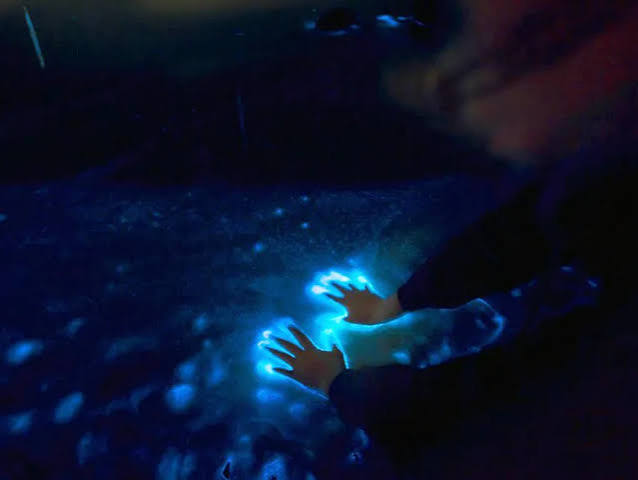
Capturing bioluminescence on camera is notoriously difficult, especially with a standard smartphone camera. The light is often too faint and fleeting for automatic settings to pick up clearly.
Photographers hoping for strong images typically use manual camera settings with a longer exposure time, along with a stable tripod or mount, since even slight movement can blur the glowing trails.
Some visitors choose to simply enjoy the moment without a camera, since the naked-eye experience is often described as more vivid and immersive than what most photos are able to capture.
Family-Friendly Considerations
Bioluminescence tours are often marketed as family-friendly activities, but a few factors are worth considering before booking with children.
Younger children may need extra supervision on kayak tours, and evening start times can run past typical bedtimes. Boat or raft tours are sometimes a more comfortable option for larger family groups.
Many tour operators offer age recommendations and life jacket sizing for children, so checking these details in advance helps ensure a smoother experience for the whole family.
Planning Your Visit Around Other Cocoa Beach Activities
Since bioluminescence tours typically happen after sunset, many visitors pair them with daytime activities elsewhere in Cocoa Beach for a full day-and-night itinerary.
Popular pairings include a morning surf lesson, an afternoon visit to the Kennedy Space Center, and an evening bioluminescence kayak tour to close out the day on the water.
Spacing out activities this way also gives travelers time to rest before an evening tour, since most bioluminescence excursions start at dusk and can run one to two hours.
Table: Sample One-Day Itinerary
| Time | Activity |
|---|---|
| Morning | Beach time or surf lesson |
| Afternoon | Local sightseeing or Kennedy Space Center visit |
| Early evening | Dinner near Cocoa Beach |
| After dusk | Guided bioluminescence kayak or boat tour |
Final Tips for First-Time Visitors
A few last pieces of advice can help first-time visitors get the most out of their bioluminescence experience.
Arrive slightly early to your tour meeting point, since many operators run through a brief safety and paddling orientation before heading out on the water.
Keep expectations flexible, since brightness can vary night to night, and remember that even a moderate glow is still a rare and memorable natural experience.
For many travelers, the anticipation and calm of paddling through a dark lagoon becomes just as memorable as the glow itself, making it a highlight of any Cocoa Beach trip.
Is the Glow Guaranteed Every Night
Bioluminescence is a natural phenomenon, which means it can never be fully guaranteed on any single night. Conditions shift constantly based on temperature, weather, and plankton activity.
Booking during peak season and around a new moon significantly improves your odds. Even so, experienced guides recommend keeping expectations realistic and enjoying the overall nighttime experience regardless.
Comb Jellies vs Dinoflagellates
While dinoflagellates get most of the attention, comb jellies play an important seasonal role in Cocoa Beach’s glowing waters too.
Comb jellies tend to appear more prominently in cooler months, offering a softer, more sustained glow compared to the sharp flashes produced by dinoflagellates.
Unlike dinoflagellates, comb jellies are large enough to see with the naked eye and are generally considered safe to gently touch during guided tours.
Table: Comb Jellies vs Dinoflagellates
| Feature | Dinoflagellates | Comb Jellies |
|---|---|---|
| Size | Microscopic | Visible to the naked eye |
| Glow style | Sharp, bright flashes | Soft, sustained glow |
| Peak season | Late spring to early fall | Fall through winter |
| Visibility | Requires water disturbance | Often glows with gentle movement |
The History of Bioluminescence Sightings in the Area
Reports of glowing waters near Florida’s Space Coast date back many decades, with locals describing the phenomenon long before it became a popular tourist activity.
Word gradually spread as photography and social media made it easier to capture and share the glowing effect, turning a local secret into an internationally known attraction.
Today, bioluminescence tourism supports a growing number of local guides, kayak rental companies, and eco-tour operators throughout the Cocoa Beach area.
Environmental Considerations and Conservation
Because bioluminescent organisms are sensitive to their environment, protecting the lagoon ecosystem is essential for keeping this natural phenomenon healthy for future visitors.
Responsible tour operators typically limit group sizes, avoid harsh lighting, and educate guests on gentle paddling techniques that minimize disturbance to the surrounding wildlife.
Visitors can help by avoiding bright flashlights on the water, not touching wildlife unnecessarily, and following any guidelines provided by local conservation authorities.
Common Misconceptions About the Glow
A few misunderstandings about Cocoa Beach’s bioluminescence tend to circulate among first-time visitors.
Myth: The glow is caused by pollution or chemicals. This isn’t accurate. The glow comes entirely from natural biological organisms, not man-made chemicals.
Myth: You can see the glow from the open beach every night. Sightings are far more reliable in calm, protected lagoons rather than directly on the surf-facing beach.
Myth: Bioluminescence only happens in summer. While summer is peak dinoflagellate season, comb jellies keep the glow active during cooler months too.
Myth: The glow is dangerous to touch. Both dinoflagellates and comb jellies are generally safe to be near, and comb jellies are typically safe to gently touch during guided tours.
Frequently Asked Questions (FAQs)
Why does Cocoa Beach glow at night?
The glow comes from tiny organisms called dinoflagellates and comb jellies that emit light when the water is disturbed. This chemical reaction is entirely natural.
What time of year is best to see bioluminescence in Cocoa Beach?
Peak dinoflagellate season runs from May through October, with June through August offering the brightest displays. Comb jellies are more active in cooler months.
Does the moon phase really affect visibility?
Yes, darker skies near the new moon make the glow far more visible. Full moon nights typically wash out much of the effect.
Where can I see bioluminescence near Cocoa Beach?
The Indian River Lagoon, Banana River, and Mosquito Lagoon are the most reliable nearby locations. Calm, protected waters work best.
Is bioluminescence safe to touch?
Comb jellies are generally safe to touch gently. Dinoflagellates are microscopic and simply create a glowing effect when water is disturbed around them.
Can I see the glow without booking a tour?
It’s possible from very calm shorelines on strong nights, but guided kayak or boat tours in protected lagoons offer far more reliable viewing.
Is bioluminescence guaranteed every night?
No, it’s a natural phenomenon that depends on weather, season, and plankton activity. Sightings can never be fully guaranteed.
What should I bring on a bioluminescence tour?
Bring insect repellent, a light jacket, water shoes, and a waterproof phone case if you plan to take photos of the glow.
Is the glow harmful to the environment?
No, but visitors should paddle gently and avoid bright lights to help protect the sensitive lagoon ecosystem that supports these organisms.
What’s the difference between dinoflagellates and comb jellies?
Dinoflagellates are microscopic and create sharp, bright flashes. Comb jellies are visible to the eye and produce a softer, more sustained glow.
Conclusion
So, why does Cocoa Beach glow at night? The answer comes down to tiny living organisms, mainly dinoflagellates and comb jellies, that produce light through a natural chemical reaction whenever the surrounding water is disturbed.
This glow is strongest during the warm summer months and appears most vivid on dark, new-moon nights in calm, protected waterways like the Indian River Lagoon and Banana River.
While the display can never be fully guaranteed on any single night, planning around the right season, moon phase, and weather conditions dramatically improves your chances of witnessing it.
Whether you experience it through a guided kayak tour or a peaceful evening near the lagoon, Cocoa Beach’s glowing waters remain one of Florida’s most unforgettable natural wonders.