Why Does My Breath Smell Like Poop? Causes & Fixes 2026
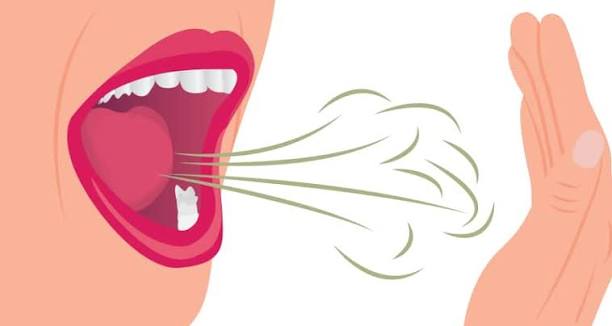
Why does my breath smell like poop is a distressing question many people search when regular brushing doesn’t solve the problem. This unusual odor can be embarrassing and confusing.
In most cases, the cause is related to oral hygiene, dental infections, or digestive issues. However, in rare cases, it may point to a more serious medical condition.
Quick Overview Table
| Category | Common Causes | Usual Fix |
|---|---|---|
| Oral Hygiene | Plaque, gum disease, dry mouth | Brushing, flossing, tongue scraping |
| Dental Issues | Tooth abscess, infection | Dental treatment |
| Digestive Issues | GERD, bowel obstruction | Medical treatment |
| Other Causes | Sinus infection, diabetes, liver issues | Doctor evaluation |
Why Does My Breath Smell Like Poop?

Breath that smells like poop is often linked to bacteria in the mouth producing foul-smelling gases. Certain bacteria near the gums and throat can create odors resembling feces.
In many cases, the cause is simple, such as poor oral hygiene or dry mouth. However, this type of odor can also come from deeper issues in the digestive or sinus system.
Identifying the root cause helps you choose the right treatment and understand when medical attention is necessary.
Common Causes of Poop-Smelling Breath
Several everyday factors can lead to breath that smells like feces. Most of these causes are related to oral health and hygiene habits.
Poor Oral Hygiene
Poor oral hygiene is the most common cause of foul-smelling breath. When food particles remain trapped between teeth, bacteria break them down and release odor.
Skipping brushing, flossing, or tongue cleaning allows bacteria to build up further. This bacterial buildup is often responsible for the fecal-like smell.
Gum Disease (Periodontitis)
Advanced gum disease creates deep pockets between the teeth and gums. These pockets become breeding grounds for anaerobic bacteria.
These bacteria don’t require oxygen and often produce especially foul odors. Left untreated, gum disease can worsen and affect overall oral health.
Tooth Abscess or Dental Infection
A tooth abscess develops when bacteria infect the pulp inside a tooth. This is often caused by untreated decay or injury.
As the infection progresses, pus accumulates and creates an intense foul smell. An abscessed tooth is considered a dental emergency and needs prompt treatment.
Dry Mouth
Saliva helps cleanse the mouth and control bacterial growth. When saliva production is low, bacteria multiply more easily.
This condition, known as dry mouth, is common during sleep and can worsen breath odor. Certain medications can also contribute to dry mouth.
Digestive-Related Causes of Poop-Smelling Breath
Sometimes, the digestive system is the underlying reason behind breath that smells like feces. These causes often require medical evaluation.
GERD (Acid Reflux)
GERD occurs when stomach acid frequently flows back into the esophagus. This acid can carry food particles and odors up toward the mouth.
Common signs include heartburn, a sour taste, and chronic cough. Managing GERD often helps reduce the associated bad breath.
Bowel Obstruction
A bowel obstruction happens when the intestines become blocked, trapping waste inside the body. This can cause fermenting waste to travel back up through the digestive tract.
This condition often leads to severe constipation and abdominal pain. A bowel obstruction is a serious medical emergency requiring immediate care.
Prolonged Vomiting
Extended vomiting can lead to dehydration and dry mouth. Stomach acid passing through the mouth repeatedly can also create a foul odor.
If vomiting continues for several days, medical attention is strongly recommended.
Other Medical Causes of Foul Breath
Beyond oral and digestive issues, certain other health conditions can also cause breath to smell like feces.
Sinus Infection
Sinus infections often cause thick mucus to drain down the back of the throat. This postnasal drip can coat the tongue with bacteria, creating foul-smelling breath.
Other symptoms include facial pressure, congestion, and fatigue. Most sinus infections improve within one to two weeks.
Diabetes and Ketoacidosis
Uncontrolled diabetes can lead to a condition called ketoacidosis. This causes a buildup of ketones in the blood, sometimes affecting breath odor.
Symptoms include excessive thirst, frequent urination, and fatigue. This condition requires immediate medical attention.
Liver Issues
Liver problems can also affect breath odor due to toxin buildup in the body. Other signs may include easy bruising or bleeding gums.
Persistent bad breath alongside these symptoms should be evaluated by a doctor.
Table: Causes and Symptoms Comparison
| Cause | Odor Trigger | Extra Symptoms |
|---|---|---|
| Poor Oral Hygiene | Bacterial buildup | Plaque, tartar |
| Gum Disease | Bacterial pockets | Bleeding gums |
| Tooth Abscess | Pus infection | Facial swelling, pain |
| GERD | Acid reflux | Heartburn, sour taste |
| Bowel Obstruction | Trapped waste | Severe constipation, pain |
| Sinus Infection | Postnasal drip | Congestion, facial pressure |
| Diabetes | Ketone buildup | Excessive thirst, fatigue |
Symptoms That May Accompany Poop-Smelling Breath
Foul breath rarely appears without other signs. Watching for accompanying symptoms can help identify the underlying cause.
Bleeding gums, facial swelling, or tooth pain often point to dental issues. Heartburn or a sour taste may indicate GERD.
Severe abdominal pain, constipation, or vomiting should never be ignored, as these may signal a serious digestive issue.
When It’s a Medical Emergency
While most causes of poop-smelling breath are manageable, certain symptoms require immediate medical attention. A bowel obstruction is one of the most serious possible causes.
If foul breath is paired with severe abdominal pain, persistent vomiting, and an inability to pass stool, seek emergency care right away. This combination could indicate a blocked intestine.
Do not wait to see if these symptoms improve on their own, as a bowel obstruction can become life-threatening without treatment.
Easy Fixes for Bad Breath
Many cases of poop-smelling breath can improve significantly with better hygiene habits. These simple fixes are a good starting point.
Improve Oral Hygiene
Brush your teeth twice daily for at least two minutes each time. Floss daily to remove trapped food particles between teeth.
Use a Tongue Scraper
Bacteria often accumulate on the surface of the tongue. Using a tongue scraper regularly helps reduce odor-causing bacteria.
Stay Hydrated
Drinking plenty of water supports saliva production. This helps naturally cleanse the mouth and reduce bacterial buildup.
Treat Dental Infections
If you suspect a tooth abscess or gum disease, seek dental treatment promptly. Delaying treatment can worsen the infection.
Manage GERD
If acid reflux is the cause, dietary changes and medications can help. Avoiding trigger foods may reduce symptoms significantly.
Table: Home Remedies vs Medical Treatment
| Approach | Best For | Effectiveness |
|---|---|---|
| Brushing and Flossing | Poor oral hygiene | High |
| Tongue Scraping | Bacterial buildup | High |
| Hydration | Dry mouth | High |
| Dental Treatment | Abscess, gum disease | Necessary |
| Medical Evaluation | GERD, bowel obstruction, diabetes | Necessary |
When to See a Doctor or Dentist
If bad breath persists despite good oral hygiene, it’s time to consult a professional. A dentist can check for infections, abscesses, or gum disease.
See a doctor if symptoms include heartburn, abdominal pain, vomiting, or excessive thirst. These may point to digestive or metabolic conditions.
Seek emergency care immediately if you experience severe abdominal pain, persistent vomiting, and inability to pass stool.
Prevention Tips
Maintain a consistent oral hygiene routine, including brushing, flossing, and tongue cleaning. Stay hydrated throughout the day to support saliva production.
Visit your dentist regularly for checkups and cleanings. Manage underlying health conditions like GERD or diabetes with proper medical care.
Avoiding tobacco products can also help reduce the risk of chronic bad breath.

Frequently Asked Questions (FAQs)
1. Why does my breath suddenly smell like poop?
It’s often caused by poor oral hygiene or bacterial buildup. Dental infections or digestive issues can also be responsible.
2. Can poor oral hygiene cause breath to smell like feces?
Yes, trapped food and bacteria are common causes. Regular brushing and flossing usually help.
3. Is poop-smelling breath a sign of a serious condition?
It can be, especially if paired with abdominal pain or vomiting. This may indicate a bowel obstruction.
4. Can GERD cause breath to smell like poop?
Yes, acid reflux can bring stomach contents and odors upward. Managing GERD often improves breath odor.
5. How can I fix bad breath at home?
Brushing, flossing, tongue scraping, and staying hydrated help significantly. Avoiding tobacco also supports fresher breath.
6. Does dry mouth cause foul-smelling breath?
Yes, low saliva allows bacteria to multiply more easily. Staying hydrated helps maintain saliva production.
7. Can a tooth infection cause breath to smell like poop?
Yes, a tooth abscess can create an intense foul odor. This requires prompt dental treatment.
8. When should I worry about poop-smelling breath?
Worry if it’s paired with severe abdominal pain or vomiting. Seek emergency care immediately in these cases.
9. Can sinus infections cause foul breath?
Yes, postnasal drip from sinus infections can create bad odor. Most sinus infections resolve within one to two weeks.
10. Is bowel obstruction a medical emergency?
Yes, it is a serious and potentially life-threatening condition. Immediate medical attention is required.
Conclusion
Why does my breath smell like poop often comes down to simple causes like poor oral hygiene, dry mouth, or dental infections. These issues are usually easy to manage with better hygiene habits and dental care.
However, this type of odor can sometimes point to digestive conditions like GERD, sinus infections, or in rare cases, a bowel obstruction. Paying attention to accompanying symptoms helps determine whether home care is enough or medical attention is needed.
Simple steps like brushing, flossing, tongue scraping, and staying hydrated resolve most mild cases. If the smell persists despite good hygiene, or comes with severe pain or vomiting, seeing a dentist or doctor promptly is essential.
Taking foul breath seriously and addressing it early can help protect both your oral health and your overall well-being.