Why Is My Tongue Sore? Causes, Fixes & When to Worry 2026
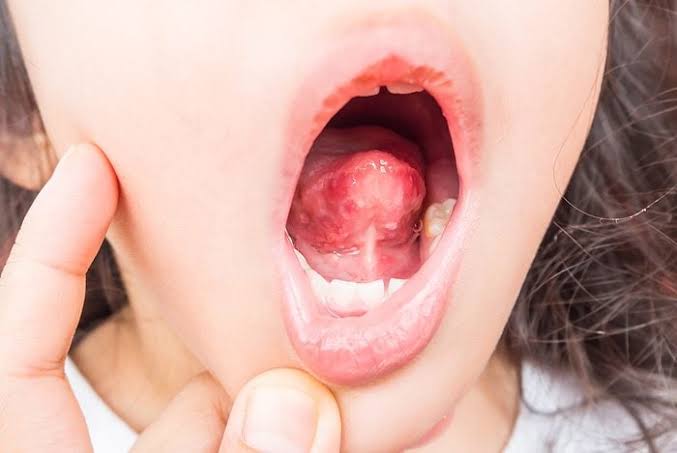
Why is my tongue sore is a common question people search after noticing pain while eating or talking. Tongue soreness can range from mild irritation to a sign of an underlying issue.
In most cases, the cause is simple, such as biting your tongue or eating spicy food. Other times, it may point to an infection or nutritional deficiency.
Quick Overview Table
| Category | Common Causes | Usual Duration |
|---|---|---|
| Injury-Related | Biting, burns, rough teeth | Few days |
| Irritation-Related | Spicy foods, braces, dentures | Few days |
| Infection-Related | Oral thrush, cold sores | 1-2 weeks |
| Health-Related | Vitamin deficiency, glossitis | Until treated |
Why Is My Tongue Sore?
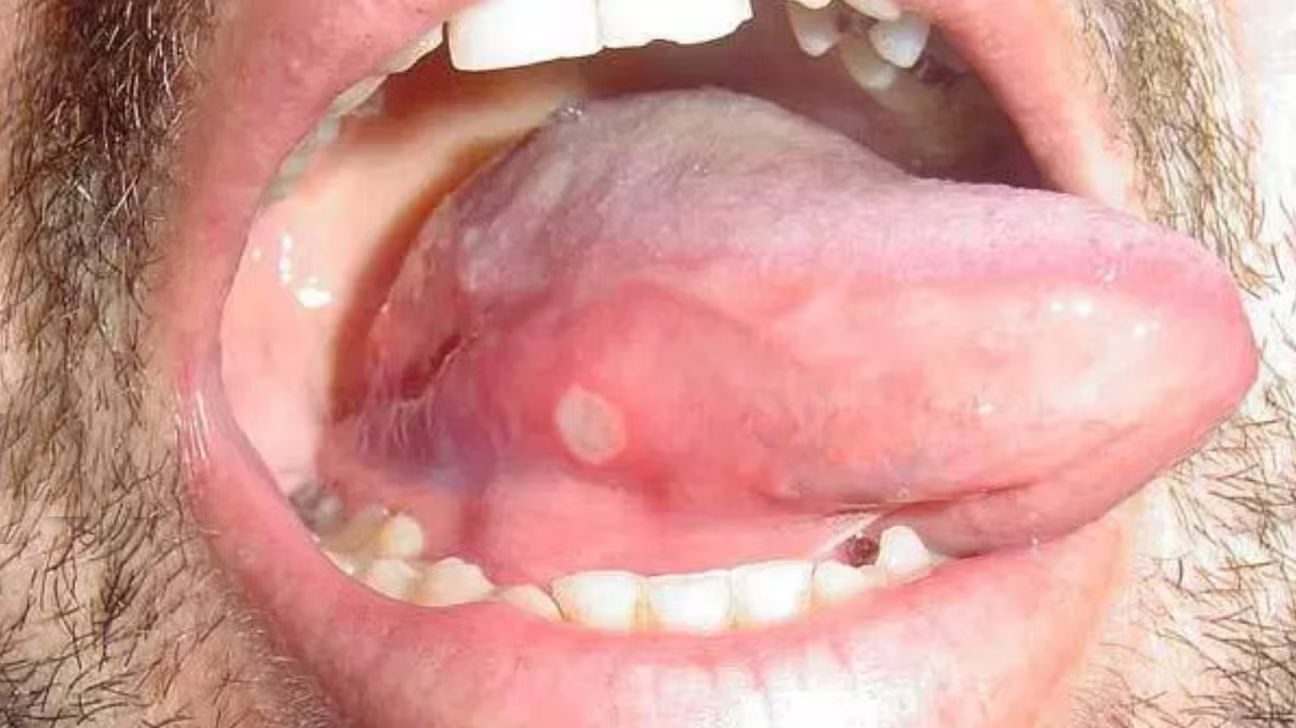
A sore tongue happens when the tissue becomes irritated, injured, or inflamed. The tongue is sensitive, so even small issues can cause noticeable discomfort.
Most sore tongue cases are harmless and resolve within a week or two. However, persistent or recurring soreness may indicate a deeper health issue.
Identifying the exact cause helps you choose the right treatment and know when professional care is needed.
Common Causes of a Sore Tongue
Everyday habits and minor injuries are the most frequent reasons behind tongue soreness. These causes are usually easy to identify and treat.
Biting or Injury
Accidentally biting your tongue while eating or talking is one of the most common causes. This can cause immediate pain and mild swelling.
People prone to teeth grinding or seizures may bite their tongue more often. Minor bites usually heal within a few days.
Burns from Hot Food or Drinks
Eating or drinking something too hot can burn the tongue’s surface. This often leaves it tender for several days afterward.
Avoiding extremely hot foods until the tongue heals can help speed up recovery.
Canker Sores
Canker sores are small ulcers with a white or gray center that can appear on the tongue. They are not contagious and often triggered by stress or certain foods.
These sores usually heal on their own within one to two weeks. Pain relief gels can help manage discomfort.
Irritation from Braces or Dentures
Dental appliances like braces, retainers, or dentures can rub against the tongue. This constant friction often leads to soreness or small sores.
Adjustments by your dentist can help reduce this irritation over time.
Spicy or Acidic Foods
Foods like citrus fruits, pineapple, and spicy sauces can irritate the tongue. This is especially true if eaten frequently or in large amounts.
Reducing intake of these foods often improves soreness within a few days.
Infection-Related Causes of Tongue Soreness
Certain infections can also make the tongue feel sore or painful. These often come with additional symptoms like white patches or redness.
Oral Thrush
Oral thrush is a fungal infection caused by an overgrowth of Candida. It often appears as white, cottage cheese-like patches on the tongue.
This condition is more common in people with weakened immune systems. Antifungal medication is usually needed for treatment.
Cold Sores
Cold sores are caused by the herpes simplex virus and can appear on or near the tongue. They are contagious and often cause itching or burning before appearing.
These sores typically last seven to ten days. Antiviral treatments can help speed up healing.
Bacterial Infections
Bacterial infections, such as strep throat, can also cause tongue soreness. This may present as a red, swollen “strawberry tongue.”
Bacterial infections usually require antibiotics prescribed by a doctor.
Underlying Health Conditions Linked to Tongue Soreness
Sometimes, a sore tongue is connected to a broader health condition. These cases often need medical evaluation for proper diagnosis.
Vitamin Deficiency
A lack of vitamin B12, iron, or folate can cause tongue soreness or swelling. You may also notice cracks at the corners of the mouth.
Blood tests can confirm a deficiency, and supplements are usually recommended.
Glossitis
Glossitis is inflammation of the tongue that can cause swelling, soreness, and color changes. It can be triggered by allergies, infections, or nutrient deficiencies.
Treatment depends on identifying and addressing the underlying cause.
Burning Mouth Syndrome
Burning mouth syndrome causes a persistent burning sensation, often on the tip of the tongue. It is more common in women after menopause.
There is no single treatment, but some relief methods can help manage symptoms.
Lichen Planus
Oral lichen planus is a chronic inflammatory condition that can affect the tongue. It may cause white patches or painful areas.
This condition often requires long-term management with medical guidance.
Table: Causes and Symptoms Comparison
| Cause | Appearance | Extra Symptoms |
|---|---|---|
| Bite or Injury | Red, swollen area | Pain while eating |
| Canker Sore | White or gray ulcer | Tenderness |
| Oral Thrush | White patches | Loss of taste |
| Cold Sore | Blister-like sore | Itching, burning |
| Vitamin Deficiency | Smooth, red tongue | Fatigue, cracked lips |
| Glossitis | Swollen, discolored | Difficulty chewing |
Symptoms That May Accompany Tongue Soreness
Tongue soreness often comes with other noticeable symptoms. Paying attention to these can help identify the underlying cause.
White or red patches, swelling, or a burning sensation are common accompanying signs. Difficulty swallowing or persistent bad taste may also occur.
If symptoms worsen or spread, it’s important to seek medical evaluation.
Easy Fixes for a Sore Tongue
Most minor cases of tongue soreness can be managed with simple home care. These remedies are effective for injury or irritation-related causes.
Salt Water Rinse
Rinsing with warm salt water helps reduce inflammation and cleanses the area. This is one of the simplest and most effective home remedies.
Avoid Trigger Foods
Avoid spicy, acidic, or extremely hot foods while your tongue heals. This prevents further irritation of the affected area.
Use a Soft Toothbrush
Switching to a soft-bristle toothbrush reduces irritation to the tongue. Gentle brushing supports faster healing.
Over-the-Counter Relief
Topical gels and mouth rinses can help numb pain temporarily. Pain relievers may also help manage discomfort.
Stay Hydrated
Drinking plenty of water keeps the mouth moist and supports healing. Dry mouth can worsen tongue soreness.
Table: Home Remedies vs Medical Treatment
| Approach | Best For | Effectiveness |
|---|---|---|
| Salt Water Rinse | Minor injuries, canker sores | High |
| Avoiding Trigger Foods | Irritation-related soreness | High |
| Antifungal Medication | Oral thrush | Necessary |
| Antiviral Treatment | Cold sores | High |
| Vitamin Supplements | Nutrient deficiency | Necessary |
When to Worry – When to See a Doctor
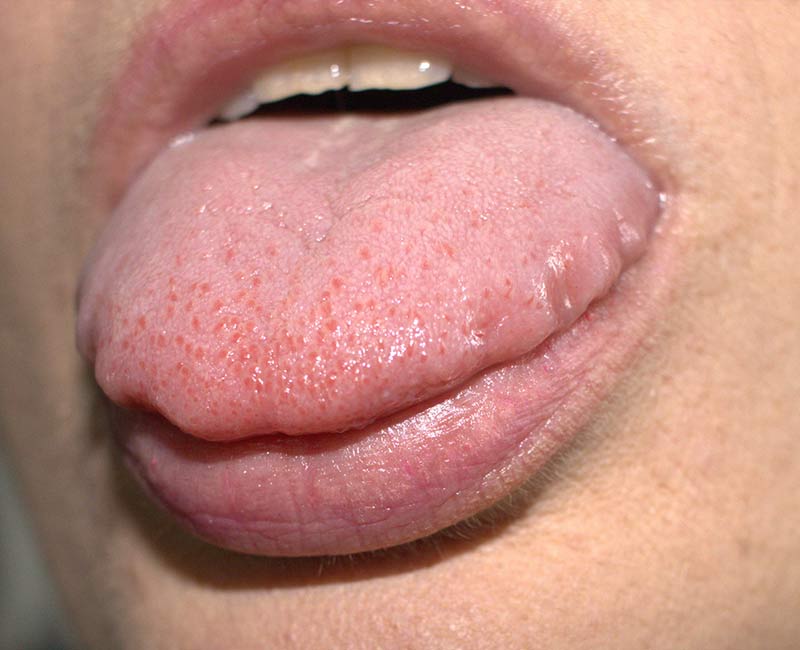
Most sore tongue cases resolve within one to two weeks with home care. However, certain signs indicate the need for professional evaluation.
Persistent soreness lasting more than two weeks should be checked by a doctor or dentist. Sores that keep recurring also need evaluation.
Seek prompt medical attention if you notice unexplained lumps, bleeding, numbness, or difficulty swallowing. These symptoms could indicate a more serious condition.
Prevention Tips
Practicing good oral hygiene can help prevent many causes of tongue soreness. Avoid excessive consumption of spicy or acidic foods.
Visit your dentist regularly to check for ill-fitting dental appliances. Maintain a balanced diet rich in essential vitamins.
Managing stress levels can also help reduce the frequency of canker sores.
Frequently Asked Questions (FAQs)
1. Why is my tongue sore for no reason?
It’s often caused by minor irritation, biting, or stress-related canker sores. Most cases resolve within a week.
2. Can vitamin deficiency cause a sore tongue?
Yes, low B12, iron, or folate levels can cause soreness. A blood test can confirm this.
3. How long does a sore tongue usually last?
Most sore tongues heal within one to two weeks. Persistent soreness should be checked by a professional.
4. Can stress cause tongue soreness?
Yes, stress can trigger canker sores and irritation. Managing stress may reduce flare-ups.
5. Is a sore tongue a sign of infection?
It can be, especially with white patches or blisters. Oral thrush and cold sores are common infections.
6. Can spicy food cause a sore tongue?
Yes, spicy and acidic foods can irritate the tongue. Reducing intake often helps soreness improve.
7. Should I see a dentist or doctor for a sore tongue?
A dentist can help with dental-related causes. A doctor is better for infections or health-related issues.
8. Can braces cause tongue soreness?
Yes, braces and dentures can rub against the tongue. This often leads to irritation and soreness.
9. When should I worry about a sore tongue?
Worry if soreness lasts more than two weeks or comes with lumps or bleeding. These need medical evaluation.
10. Can a sore tongue heal on its own?
Yes, minor causes like canker sores or bites often heal without treatment. Home care can speed up recovery.
Conclusion
Why is my tongue sore usually has a simple explanation, such as biting it accidentally, eating spicy food, or minor irritation from dental appliances. These cases are common and typically heal within one to two weeks.
However, tongue soreness can sometimes point to an infection, vitamin deficiency, or an underlying health condition. Paying attention to accompanying symptoms like white patches, swelling, or persistent pain helps identify when further evaluation is needed.
Simple home remedies like salt water rinses, avoiding trigger foods, and staying hydrated can ease most mild cases. If soreness lasts longer than two weeks, keeps recurring, or comes with unusual symptoms, seeing a doctor or dentist is the safest next step.
Taking care of your oral health today can prevent bigger problems down the road.