Why Do You Look for the Living Among the Dead? Bible Verse 2026
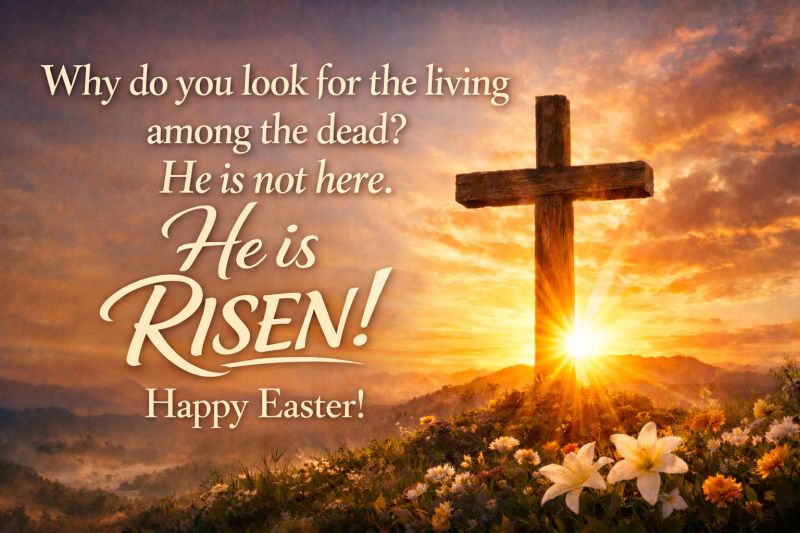
Why do you look for the living among the dead is one of the most powerful questions in the entire Bible, spoken by angels at the empty tomb on Easter morning. Found in Luke 24:5, this question was asked to the women who came looking for Jesus’ body, only to discover the tomb was empty.
It’s a question that still speaks to believers today, challenging us to stop searching for life, hope, and meaning in places where they simply cannot be found.
The Bible Verse and Its Context
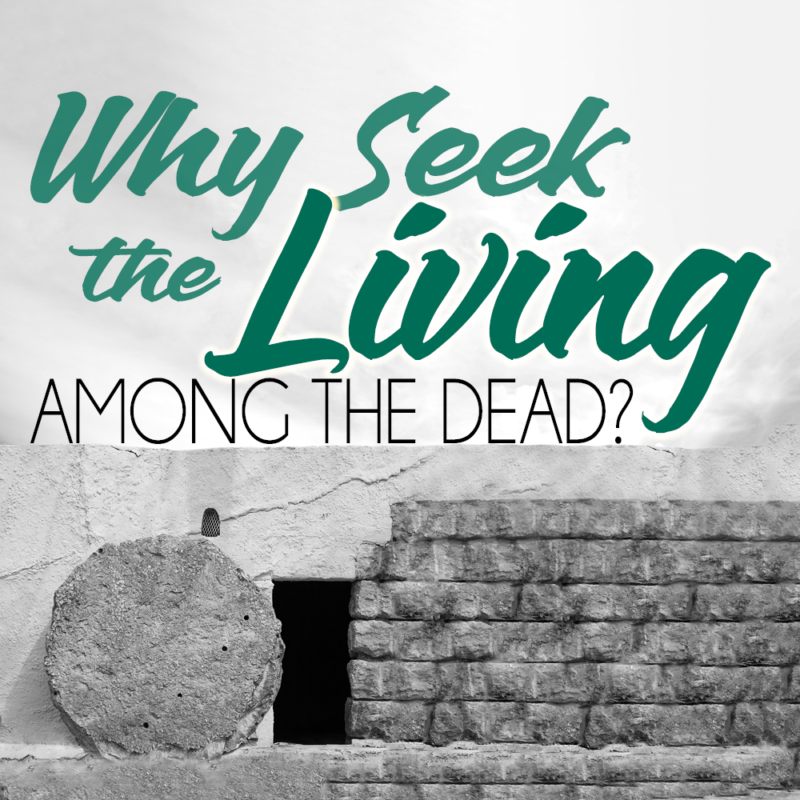
The question appears in Luke 24:5, spoken by two men in dazzling clothes who appeared at Jesus’ empty tomb.
These men were angels, sent to deliver the most important announcement in human history to the frightened women who arrived early that morning.
The women had come carrying spices, intending to anoint Jesus’ body according to Jewish burial customs of the time.
Instead of finding a sealed tomb, they found the stone rolled away and the body of Jesus missing entirely.
What Happened Right Before This Verse
Luke 24 opens with the women arriving at the tomb at early dawn on the first day of the week.
They had watched Jesus die on the cross and had seen exactly where his body was laid to rest.
Finding the stone already moved, they entered the tomb but could not find the Lord’s body anywhere inside.
While they stood there confused and uncertain, two men in shining clothing suddenly appeared beside them without warning.
The Meaning Behind the Question
This question wasn’t meant to scold the women, but to redirect their thinking toward a completely new reality.
In the natural world, dead men stay dead, and tombs are the final resting place for the deceased.
The angels were pointing out that searching a tomb for someone who is now alive simply doesn’t make sense.
This single sentence flips the entire narrative of death and hopelessness into one of victory and resurrection.
Why the Angels Asked This Specific Question
Angels often used questions in Scripture to draw people’s attention toward truth they had somehow overlooked.
This question forced the women to reconsider everything they assumed about Jesus’ fate and the finality of death.
It also tested their memory, since Jesus had already told his followers he would rise on the third day.
The question gently reminds them that Jesus’ own words should have prepared them for this exact moment.
How Different Bible Translations Phrase This Verse
Bible translations word this verse slightly differently, though the core meaning remains the same across all versions.
The table below compares how several popular translations render this famous line from Luke 24:5.
| Translation | Phrasing |
|---|---|
| NIV | Why do you look for the living among the dead |
| ESV | Why do you seek the living among the dead |
| NASB | Why are you seeking the living One among the dead |
| KJV | Why seek ye the living among the dead |
| NLT | Why are you looking among the dead for someone who is alive |
| CSB | Why are you looking for the living among the dead |
The Women Remembered Jesus’ Words
Right after the angels asked their question, something important happened inside the hearts of the women.
They suddenly remembered that Jesus had told them, while still in Galilee, that he would rise again on the third day.
This moment shows how easily fear and grief can cause people to forget promises they once held onto tightly.
Their remembering became the turning point that moved them from despair into faith and eventually into action.
Redirecting From Feelings to Truth
The women had experienced deep fear, sorrow, and confusion over the previous three days following Jesus’ crucifixion.
The angel’s question gently confronted those overwhelming emotions by pointing them back to something more reliable than feelings.
It reminded them that God’s spoken word carries more authority than even our strongest emotional experiences.
This principle still applies today, encouraging believers to anchor their hope in truth rather than shifting emotions.
Redirecting From the Cross to the Resurrection
Many believers rightly focus on the cross as the symbol of Jesus’ sacrifice for humanity’s sin.
However, this verse reminds us that the story doesn’t end at the cross, but continues into resurrection life.
Staying fixated only on death and suffering can cause believers to miss the victory that follows it.
The empty tomb shifts the entire focus from a story of loss to one of triumphant new life.
Redirecting From Current Events to God’s Plan
The women were shaken by the events of the previous days, much like we can be shaken by today’s headlines.
Being consumed by recent events can leave us unaware of what God is doing behind the scenes.
This question reminds believers that current circumstances are never the final word when God is involved.
It calls us to trust God’s bigger plan rather than basing our hope only on what we currently see.
Why People Still “Look for the Living Among the Dead” Today
This phrase has become a metaphor for searching for fulfillment in places that can never truly satisfy.
People often seek meaning through wealth, status, relationships, or achievements, expecting these things to bring lasting life.
Just like a tomb cannot hold a living person, these temporary things cannot hold true and lasting peace.
The verse challenges modern readers to examine where they are searching for life and whether it’s truly there.
The Theological Significance of the Empty Tomb
The empty tomb stands as the central proof of Christianity’s core claim that Jesus conquered death itself.
Without the resurrection, Jesus’ teachings would be remembered as wisdom, but his promises would carry no lasting power.
This event transforms Jesus from simply a respected teacher into the living Lord who offers eternal life.
The empty tomb remains one of the most examined and debated events in religious history to this day.
How This Verse Applies to Everyday Faith
Believers can apply this verse by regularly asking themselves where they are seeking comfort, security, or identity.
If those places resemble a tomb, offering nothing but temporary relief, it may be time to seek something greater.
This verse invites a shift away from chasing temporary things and toward pursuing a relationship with the living Christ.
It serves as a personal check-in question for anyone feeling spiritually stuck or searching without finding satisfaction.
Lessons From the Women at the Tomb
The women’s response teaches us several important lessons about faith, courage, and obedience in difficult moments.
They showed up early, despite their grief, demonstrating devotion even when they didn’t yet understand what would happen.
Their willingness to enter the tomb despite fear shows the courage required to face uncertainty head-on.
Their immediate sharing of the news afterward shows how transformed faith naturally leads to action and testimony.
Quick Reference: Key Themes in Luke 24:5
| Theme | What It Teaches |
|---|---|
| Resurrection | Death does not have the final word |
| Memory | Remembering God’s promises restores hope |
| Redirection | Feelings must yield to truth |
| Faith | Belief often follows confusion and questions |
| Testimony | Encountering truth leads to sharing it with others |
Frequently Asked Questions (FAQs)
What does “why do you look for the living among the dead” mean?
It means searching for life and hope in places that cannot provide them, since Jesus was no longer dead but alive.
Where is this verse found in the Bible?
This question appears in Luke 24:5, spoken by angels to the women at Jesus’ empty tomb on Easter morning.
Who said “why do you look for the living among the dead”?
Two angels, described as men in dazzling clothing, asked this question to the women who visited the tomb.
Why were the women looking for Jesus in the tomb?
They came to anoint his body with spices, following Jewish burial customs, unaware that he had already risen.
What is the spiritual lesson of this Bible verse?
It teaches believers to stop seeking fulfillment in temporary, lifeless things and instead seek the living Christ.
Does this verse appear in other Gospels too?
Similar accounts appear in Matthew, Mark, and John, though the exact wording of the angel’s question varies slightly.
Why did the women forget Jesus’ promise to rise again?
Grief, fear, and shock from the crucifixion likely clouded their memory until the angels reminded them directly.
How does this verse relate to Easter Sunday?
This verse is central to Easter readings worldwide, since it announces the resurrection that Easter Sunday celebrates.
What does this verse teach about feelings versus faith?
It teaches that emotions, while real, should not override the truth and promises found in God’s word.
How can I apply this verse to my own life?
Reflect on where you seek security or happiness, and consider redirecting that search toward lasting spiritual truth.
Conclusion
“Why do you look for the living among the dead?” remains one of Scripture’s most piercing questions, spoken at the very moment hope seemed lost. It reminded the women at the tomb, and reminds us today, that Jesus is not found among lifeless things but among the living.
This verse challenges believers to examine where they search for meaning, comfort, and identity, and to consider whether those places can truly offer lasting life. Just as the women’s grief turned to joy once they remembered Jesus’ promise, our own struggles can transform when we redirect our trust toward him.
The empty tomb stands as enduring proof that death does not have the final say, inviting every reader to stop searching in vain and instead seek the living hope found only in the risen Christ.