Why Does My Eyes Hurt? When to Worry & What to Do 2026
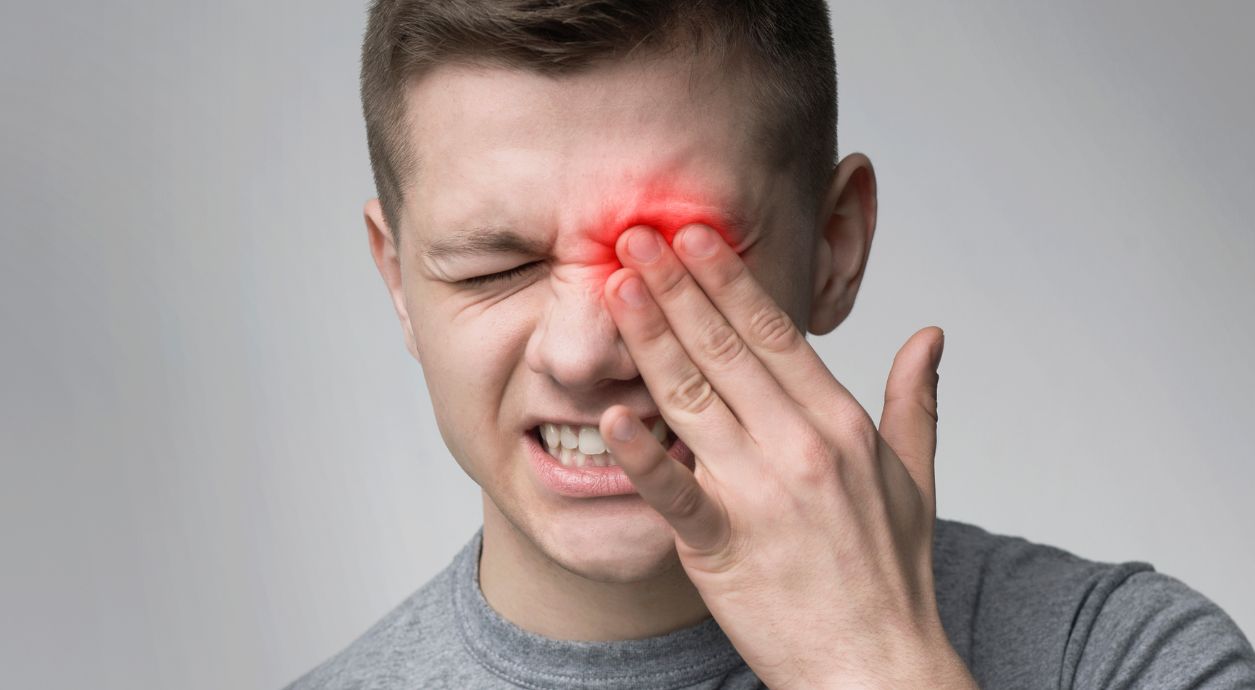
Why does my eyes hurt is one of the most common questions people type into Google after a long day of screen time, allergies, or sudden eye discomfort.
Eye pain can feel like burning, stabbing, throbbing, or grittiness, and the cause can be as simple as fatigue or as serious as an infection.
What Eye Pain Actually Feels Like
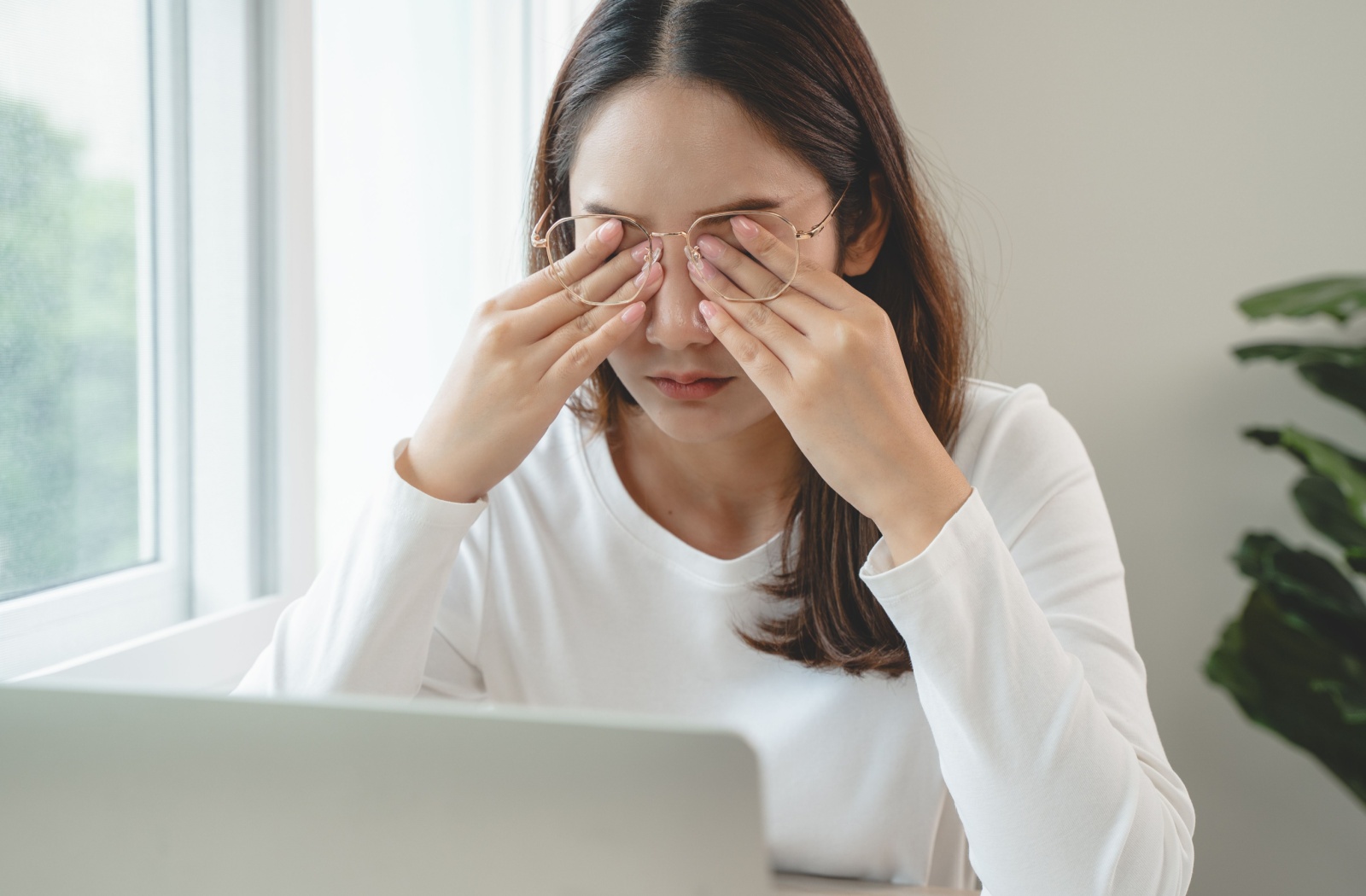
Eye pain does not show up the same way for everyone. Some people feel a dull ache behind the eye, while others feel sharp, stabbing sensations on the surface.
Common descriptions include burning, stinging, throbbing, pressure, grittiness, or the sensation that something is stuck inside the eye.
The way your pain feels often hints at the cause. Surface pain usually points to dryness or irritation, while deep aching pain may point to sinus pressure or strain.
Quick Overview Table: Eye Pain Types and Likely Causes
| Type of Pain | Common Feeling | Likely Cause |
|---|---|---|
| Gritty or sandy | Foreign body sensation | Dry eye, dust, eyelash |
| Burning or stinging | Surface irritation | Allergies, dryness, screen strain |
| Sharp or stabbing | Sudden, intense pain | Corneal scratch, infection |
| Dull throbbing | Pressure behind the eye | Sinus issue, migraine, eye strain |
| Aching with vision change | Deep, persistent pain | Glaucoma, optic neuritis, uveitis |
Digital Eye Strain From Screens
Staring at phones, laptops, or TVs for hours forces your eye muscles to work overtime, which leads to fatigue and soreness.
This condition is often called computer vision syndrome, and it gets worse with poor lighting, glare, or an outdated glasses prescription.
Symptoms usually include dull aching, blurry vision, and dryness that improves once you rest your eyes or step away from the screen.
Dry Eye Syndrome
Dry eyes happen when your tear glands do not produce enough moisture or when tears evaporate too quickly from the surface of your eye.
This often causes a burning, stinging, or scratchy feeling, and oddly enough, it can also make your eyes water excessively.
Dry eye is more common in older adults, contact lens wearers, and people who spend long hours in air-conditioned or windy environments.
Eye Infections Like Pink Eye
Conjunctivitis, commonly known as pink eye, inflames the clear layer covering the white part of your eye and eyelids.
It can be viral, bacterial, or allergic, and it often comes with redness, discharge, itching, and a gritty, sore feeling.
Bacterial pink eye is contagious and usually needs antibiotic drops, while viral pink eye tends to clear up on its own within a week or two.
Sinus Pressure and Headaches
Your sinuses sit right around your eye sockets, so pressure from a sinus infection or seasonal allergies can radiate straight into your eyes.
This usually feels like a heavy, dull ache around or behind the eyes, sometimes paired with facial pressure and nasal congestion.
Migraines and tension headaches can also cause pain behind one or both eyes, often along with light sensitivity or nausea.
Foreign Objects and Minor Trauma

Something as small as an eyelash, a speck of dust, or sand can cause surprisingly sharp discomfort when it touches the surface of your eye.
Rubbing your eyes can actually scratch the cornea, leading to a painful condition called a corneal abrasion.
Most minor scratches heal within a couple of days with lubricating drops, but they should always be checked if pain is severe or lasts longer.
Contact Lens Problems
Wearing contacts longer than recommended, sleeping in them, or using dirty lenses dramatically increases your risk of eye pain and infection.
Poorly fitted lenses can also scratch the cornea or trap debris underneath, leading to redness, soreness, and light sensitivity.
If your contacts ever feel uncomfortable, the safest move is to remove them immediately and switch to glasses until the irritation clears.
Blepharitis (Eyelid Inflammation)
Blepharitis happens when the oil glands at the base of your eyelashes become clogged, leading to swelling and irritation.
It often causes a sore, burning sensation along the eyelid margin, along with crusting or flaking near the lashes.
Warm compresses and proper eyelid hygiene usually bring relief, though stubborn cases may need a prescription ointment from your eye doctor.
Styes
A stye is a small, tender bump that forms on the edge of the eyelid due to an infected oil gland or hair follicle.
It typically causes localized pain, redness, and swelling that gets worse when you touch or blink.
Most styes resolve on their own within a few days with warm compresses, though persistent ones may need medical treatment.
Uveitis and Iritis
Uveitis is inflammation inside the eye, often triggered by trauma, infection, or an underlying autoimmune condition.
Iritis, a type of uveitis affecting the iris, can cause deep eye pain, redness, light sensitivity, and blurred vision.
Because these conditions can threaten your vision if untreated, prompt evaluation by an eye doctor is strongly recommended.
Glaucoma and Sudden Pressure Buildup
Most types of glaucoma develop slowly and painlessly, which is why regular eye exams matter even if nothing hurts yet.
However, acute angle-closure glaucoma causes a sudden spike in eye pressure, leading to severe pain, nausea, and blurred vision.
This specific type is a medical emergency and requires immediate treatment to prevent permanent vision loss.
Optic Neuritis
Optic neuritis is inflammation of the nerve that carries visual signals from your eye to your brain.
It often causes pain that worsens when you move your eye, along with blurred vision or vision loss in one eye.
This condition is sometimes linked to multiple sclerosis, so it always warrants a prompt medical evaluation.
Comparison Table: Mild vs Serious Eye Pain
| Signs of Mild Eye Pain | Signs of Serious Eye Pain |
|---|---|
| Improves with rest or eye drops | Sudden, severe, or worsening pain |
| No major vision changes | Blurred or lost vision |
| Mild redness or dryness | Halos around lights or nausea |
| Resolves within a day or two | Pain lasting more than 48 hours |
| No discharge or minimal tearing | Thick discharge or swelling |
When to See a Doctor Immediately
Certain symptoms mean you should not wait it out and should seek medical care the same day.
These include sudden severe pain, vision loss, halos around lights, nausea and vomiting with eye pain, or pain after a direct injury.
If you wear contacts and experience pain along with redness and discharge, removing the lenses and seeking care quickly can protect your vision.
How Eye Pain Is Diagnosed
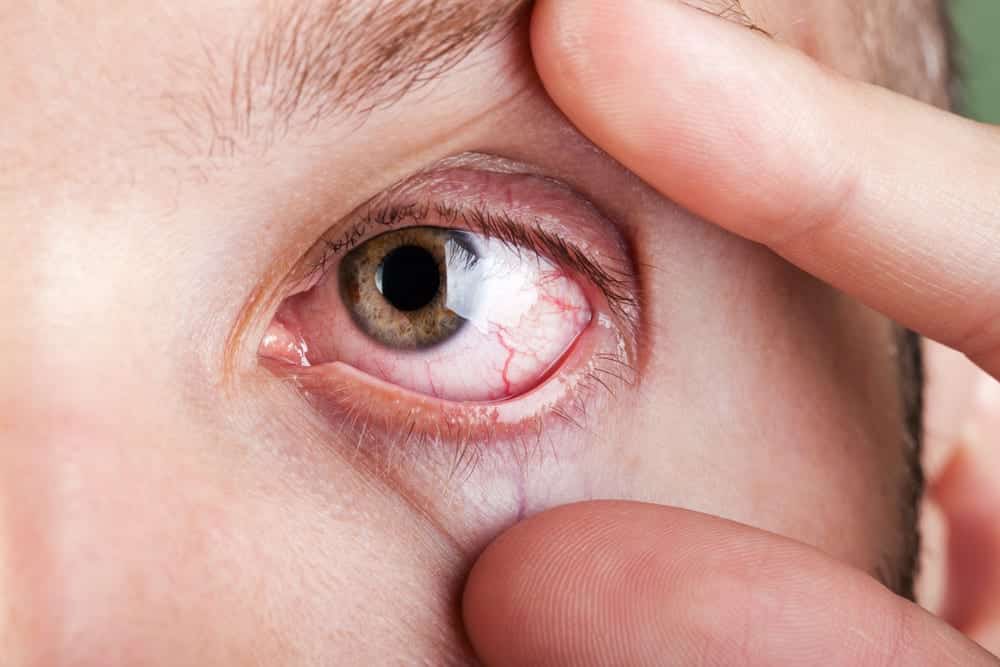
An eye doctor typically starts by asking about your symptoms, medical history, and any recent injuries or contact lens use.
They will then perform a complete eye exam using specialized microscopes, and sometimes dilating drops to check the inside of your eye.
This thorough process helps pinpoint whether your pain comes from the surface, the eyelids, or deeper structures inside the eye.
Home Remedies for Mild Eye Pain
For mild discomfort, a cool or warm compress can ease irritation, swelling, and tension around the eyes within minutes.
Lubricating artificial tears help relieve dryness, while resting your eyes away from screens reduces strain-related soreness.
Always wash your hands before touching your eyes, and avoid rubbing them even when they feel itchy or gritty.
Prevention Tips to Protect Your Eyes
Following the 20-20-20 rule, looking at something 20 feet away for 20 seconds every 20 minutes, helps prevent digital eye strain.
Wearing UV-protective sunglasses outdoors and replacing contact lenses on schedule both lower your risk of pain and infection.
Keeping your hands clean, avoiding shared eye makeup, and scheduling regular eye exams round out a solid prevention routine.
Frequently Asked Questions (FAQs)
Why does my eyes hurt when I blink?
Pain while blinking often points to a foreign object, a corneal scratch, or eyelid inflammation like blepharitis. A doctor can confirm the exact cause.
Why do my eyes hurt after crying?
Crying increases tear flow and rubbing, which can irritate the eye surface and cause temporary soreness or puffiness.
Why does my eyes hurt when I look at light?
Light sensitivity with pain may signal dry eye, corneal irritation, or inflammation like uveitis, so it should be evaluated if persistent.
Why do my eyes hurt after wearing contacts all day?
Extended contact wear reduces oxygen flow to the cornea, often causing dryness, redness, and soreness by the end of the day.
Why does my eyes hurt and feel pressure?
Pressure-type pain is commonly linked to sinus congestion, migraines, or in rare cases, elevated eye pressure from glaucoma.
Why do my eyes hurt when I move them?
Pain that worsens with eye movement can indicate optic neuritis or sinus inflammation and should be checked by a doctor promptly.
Why does my eyes hurt in the morning?
Morning eye pain often comes from dryness during sleep, sleeping with contacts in, or mild eyelid inflammation overnight.
Why do my eyes hurt after screen time?
Prolonged screen use reduces blinking and overworks focusing muscles, leading to digital eye strain and dull aching.
Why does my eyes hurt with a headache?
Eye pain paired with a headache is frequently caused by tension headaches, migraines, or sinus pressure radiating to the eyes.
Why do my eyes hurt and feel itchy?
Itchy, painful eyes are typically a sign of allergies or early conjunctivitis, especially if redness and watering are also present.
Conclusion
Eye pain can come from countless sources, ranging from simple screen fatigue and dryness to infections, inflammation, or rare emergencies like acute glaucoma. Most cases of mild eye pain improve with rest, lubricating drops, and small lifestyle adjustments like following the 20-20-20 rule.
However, sudden severe pain, vision changes, or pain following an injury should never be ignored, since these can signal conditions that threaten your eyesight.
Paying attention to how your pain feels, where it is located, and what symptoms come with it can help you and your doctor find the right answer faster. When in doubt, a quick visit to an eye care professional is always the safest choice, because protecting your vision today prevents bigger problems later.