How to Install a Wig Without Glue, Gel, or Spray
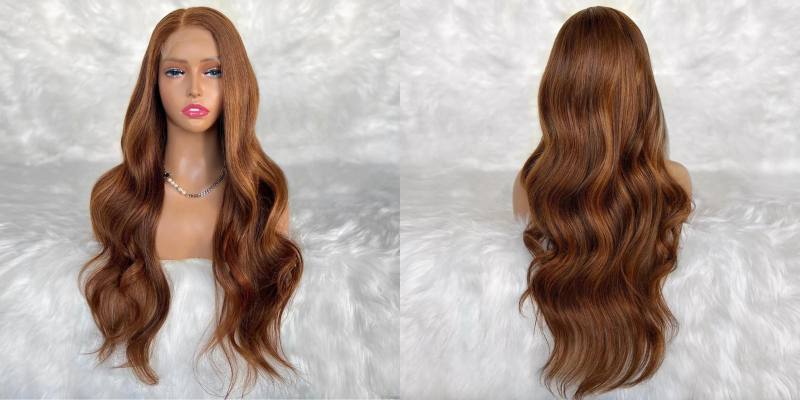
If you love wigs but hate mess, buildup, and potential damage to your edges, glueless installation is the way to go. You can wear your favorite units securely—without a drop of glue, gel, or spray—using smart cap construction, straps, combs, and a good foundation underneath. This is ideal for beginners, anyone with a sensitive scalp, or people who like taking their wig off every night.
Below is a step‑by‑step guide on how to install a wig completely glueless, plus tips on choosing the right type of wig and a featured product that makes the process even easier.
1. Choose the Right Wig for Glueless Wear
Not every wig is equally easy to wear without adhesive. The best options for glue‑free installs usually have:
- Adjustable straps at the back
- Comb(s) at the sides, back, and sometimes near the part
- Elastic band or built‑in “grip” design
- Snug, well‑designed cap structure
For beginners, some particularly friendly options include:
- V part wigs – Use your own hair for the part, no lace cutting or melting.
- U part wigs – Similar idea with a U‑shaped opening.
- Non‑lace wigs – Such as a no lace wet and wavy wig, which can be easy to wear if sized correctly and secured with combs and straps.
The key is: the cap should fit well, and it should have enough security features that you don’t rely on products to hold it in place.
2. Prep Your Natural Hair: Create a Flat Foundation
A flat base helps your wig sit naturally and comfortably.
For Short Hair
- Brush your hair straight back.
- Use a small amount of lightweight mousse or leave‑in to smooth.
- Put on a wig cap, making sure all hair is tucked in neatly.
For Medium or Long Hair
- Braid your hair into cornrows straight back, or
- Create several flat braids or twists and pin them across your head to distribute volume evenly.
- Put on a wig cap that suits your style:
- Close to your skin tone if the part/scalp will show.
- Close to your hair color if wearing a wig with leave‑out.
Avoid bulky ponytails or buns underneath—they create lumps and make it harder for the wig to sit snugly without adhesive.
3. Prep Your Hairline and Scalp
Even though you’re not using glue, your hairline and scalp should still be clean and comfortable.
- Wipe your forehead and hairline with a gentle cleanser or toner to remove oil and sweat.
- Lightly moisturize your edges and scalp with an oil or cream that absorbs well (avoid heavy, greasy products).
- Brush your edges back or set them lightly with non‑flaky gel if you plan to keep them under the wig.
A clean surface helps the elastic band and wig cap grip better and reduces slipping.
4. Prep the Wig: Straps, Combs, and Detangling
Before putting the wig on your head:
- Turn it inside out and locate:
- Adjustable straps at the nape
- Combs along the sides, back, and sometimes near the top
- Any elastic band or drawstring
Adjust the straps so the wig is slightly tighter than your head circumference—enough to feel secure, but not so tight that it causes headaches. You can fine‑tune after it’s on.
Detangle the hair:
- Use a wide‑tooth comb or wig brush.
- Start at the ends and work upward to avoid breakage and shedding.
- For curly styles, finger‑detangling may be better to maintain curl definition.
5. Put On the Wig (Without Products)
Now you’re ready to install the wig completely glueless.
- Hold the wig by the back with the front facing you.
- Line the front edge of the wig up with where you want it to sit—slightly in front of, on, or just behind your natural hairline.
- Pull the wig on from front to back like a cap.
- Adjust the ear tabs or side areas so they are even on both sides.
- Check in the mirror that the wig is centered and the part (if any) is straight.
Don’t worry yet about perfection; you’ll refine once it’s secured.
6. Secure the Wig: Straps, Combs, and Bands
To keep the wig in place without glue, you rely on built‑in features and a good fit.
- Fasten the adjustable straps in the back so the cap feels snug.
- Slide the back comb into your wig cap or braids, then secure the side combs for added stability.
- If the wig has an elastic band, position it comfortably behind your head and under the occipital bone (the bony bump at the back of your skull).
Test the security:
- Gently shake your head side to side and nod up and down.
- If the wig shifts, tighten the straps one notch or reposition the combs for better grip.
For sensitive scalps, you can secure the combs into the wig cap instead of your natural hair to reduce tension on your roots.
7. Featured Product: True Scalp Kinky Straight V Part Glueless Human Hair Wig
If you want a wig that’s specifically designed for glueless wear and easy, natural installs, a V part unit with smart construction is a great choice. One example is:
True Scalp Kinky Straight V Part Glueless Human Hair Wig – Flexi Fit & Drawstring
Why it’s ideal for installation without glue, gel, or spray:
V Part Design
- Instead of lace, it has a V‑shaped opening at the top where your natural hair can be left out. Your real scalp and roots form the part, so there’s no lace cutting, no melting, and no adhesive products needed.
True Scalp Effect
- The top is made to mimic a real scalp, helping the part area look exceptionally realistic when your leave‑out blends over and around it.
Kinky Straight Texture
- This texture looks like thick, healthy hair that’s been blown out—easy to blend with many naturally textured hair types that have been stretched or silk‑pressed.
Glueless, Flexi Fit & Drawstring
- The flexi‑fit cap, drawstring, and combs give you multiple ways to secure the unit snugly. You can adjust everything until it feels stable and comfortable, all without a single drop of glue or spray.
This kind of wig is excellent if you want a truly beginner‑friendly, low‑maintenance routine.
8. Blend and Style Without Adhesive
Once the wig is secure, blending makes the look polished.
Blending (For V Part or Leave‑Out Styles)
- Release your leave‑out and comb it gently.
- Use heat (if safe) or heatless methods to match your hair texture to the wig.
- Smooth your hair over the part area and into the wig hair so there are no visible tracks or gaps.
- Lay your edges lightly if you like, but keep the look soft for realism.
Styling
For a human hair wig:
- Apply heat protectant before using flat irons or curling tools.
- Straighten, curl, or add waves to suit your style.
- Use lightweight serums or creams on the mid‑lengths and ends—avoid overloading the roots.
Even if you occasionally choose other styles such as a curly wig with bangs that covers the hairline completely, knowing glueless techniques gives you more comfort, flexibility, and healthier edges over time.
9. Daily Removal and Care
One major benefit of glueless installs is how easy they are to remove.
Each night:
- Gently unhook the combs from your braids or wig cap.
- Loosen the adjustable straps or drawstring.
- Lift the wig off from the back toward the front.
- Place it on a wig stand or mannequin head to maintain shape.
Wrap or protect your natural hair for sleep, and your wig will be ready for quick, no‑product re‑installation the next day.
By choosing the right cap design and using straps, combs, and a good foundation, you can install a wig securely without glue, gel, or spray. It’s cleaner, kinder to your edges, and perfect for anyone who wants beautiful hair with minimal fuss. With a bit of practice, your glueless installs will feel just as secure—and often more comfortable—than adhesive‑based methods.