Why Learning Texas Hold’em Is a Total Power Move
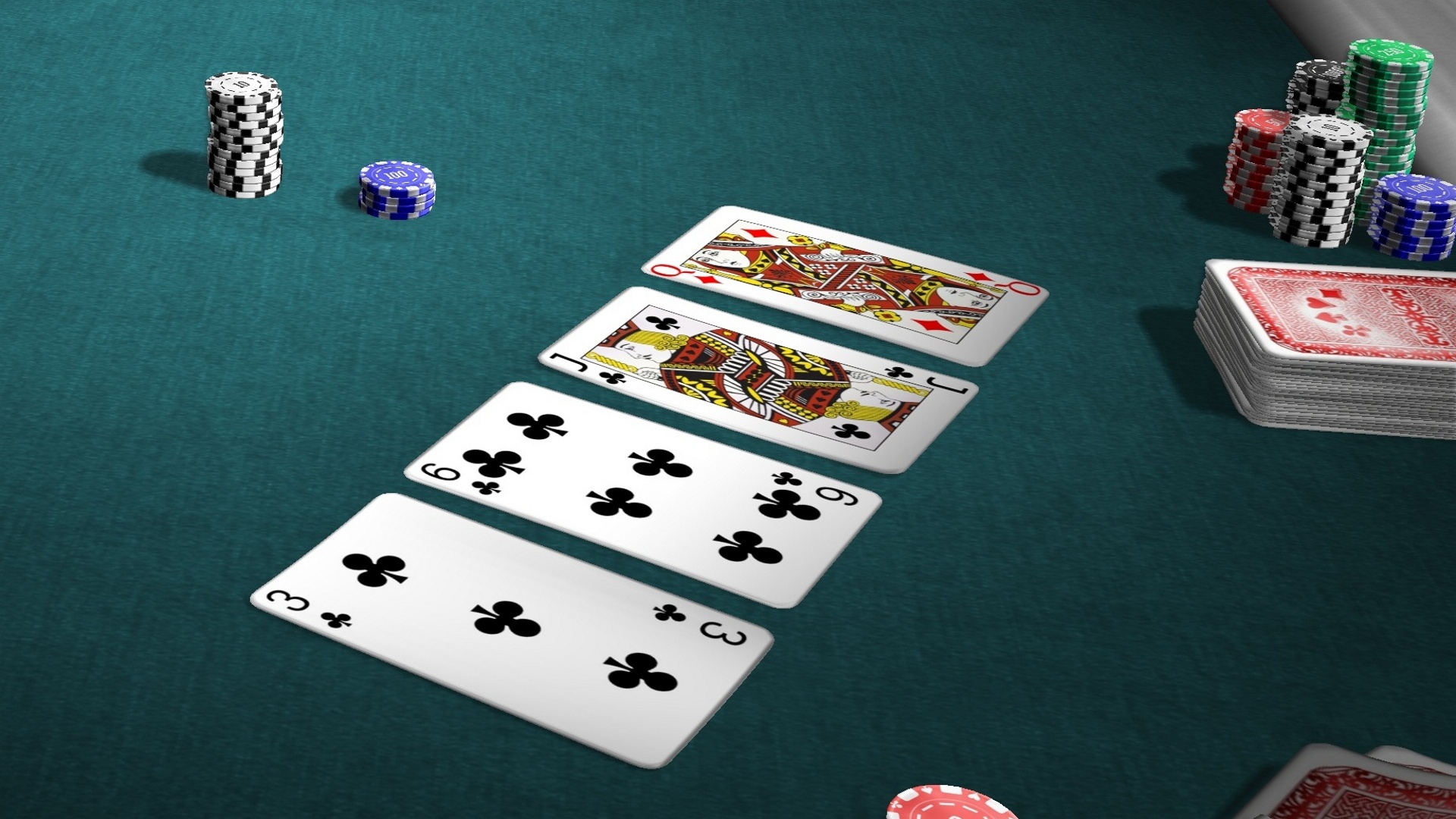
Texas Hold’em is more than a card game. Yes, it’s fun! But if you pay attention, it’s also one of the smartest games you can learn.
Many power moves you apply at the poker table will stay with you for life. The wins, the bad beats, and the long stretches of folding build something deeper within you. So, consider poker rooms a training ground for life.
The Discipline of Waiting for Your Moment
One of the first things poker teaches you is that not every hand is worth playing. In Texas Hold’em, you’ll spend a lot of time folding, just sitting back, watching, and waiting. But that’s not wasted time. In fact, it’s where discipline lives.
You learn to resist the urge to chase action. You’ll wait for a hand with real potential. And when you do get one, you’re sharper, more focused, and ready to make it count.
The discipline to sit still, to pass on short-term noise, and to hold out for something better; that’s where real growth happens. Texas Hold’em just makes you feel it more viscerally. And just like poker gaming, the best returns in a business or creative field come from waiting for the right moment and not just any moment.
Gain the Mental Edge
How do you play Texas Hold ’em under pressure? Well, you require a mix of logic, pattern recognition, and strategic thinking.
Every hand you play forces you to evaluate incomplete information, weigh probabilities, and make choices based on what you think other players might do. This way, you start learning when to play tight, when to be aggressive, and how position changes your odds.
This kind of mental juggling sharpens your strategic thinking in a real way. Over time, you develop the ability to take calculated risks without chasing every opportunity.
Mastering the Art of Reading Human Behavior
In Texas Hold’em, the cards are only half the story. The rest is reading people’s faces, their habits, and the pauses between their actions.
During poker gaming, you learn to read opponents’ posture, tone, timing, and subtle gambling patterns. Every bet, raise, or hesitation is a signal. The game teaches you how to decode human behavior quickly, assess motives, and act decisively.
It’s like getting a cheat sheet for real-world social intelligence. You’ll get a knack for noticing signs most people miss. Moreover, these skills will be useful during meetings, negotiations, interviews, and sales pitches.
Performing Under Pressure
There’s nothing like the adrenaline of a big hand! Texas Hold’em puts you in the heat of the moment, time and again, until pressure becomes familiar.
You learn to breathe through the tension at the table, think clearly when it counts, and make bold moves with calm execution. You can trust your judgment and back yourself when it matters most. This attitude will help you win the hand and own the moment.
This kind of composure carries into your professional life. Whether you pitch an idea, have job interview meetings, or make high-impact decisions, poker teaches you how to stay cool in every situation.
Building Grit and Resilience
While playing Texas Hold’em, there’s a fair chance you can lose even your perfectly played hands. You might get your chips in with pocket kings, only to watch someone hit an unlikely flush on the river. It stings.
That’s just part of the game. But over time, you start to separate the decision from the outcome.
Good players don’t let one bad beat throw off their whole game. Instead, they look at the hand, figure out if their reasoning was sound, and move on. Learning to take hits without spiraling is a skill you need for life.
You’ll know how to manage disappointment, own your decisions, and not let your ego run the show. Moreover, you start to understand that failure isn’t the opposite of progress but a part of life. This mindset shift is where real resilience begins.
A Chance to Network
Texas Hold’em is the one game that opens your doors to access an elite circle, including entrepreneurs, investors, and celebrities. Poker attracts sharp, strategic thinkers who thrive on competition and calculated risk, whether it’s a home-based social game, a charity tournament, or a high-stakes online table.
So, don’t just consider them your competitors. Instead, it’s an ideal moment for you to build relationships in real time with other players. Unlike typical networking, poker cuts through small talk. Conversations happen between hands during the game, respect is earned through imaginative play, and connections form naturally.
These gaming events bring together the right kind of people. You’ve already shared the mental battlefield, and now you’re just two people who’ve seen each other think. It’s a different kind of connection than what you’d get from a LinkedIn message, networking event, or Zoom call.
FAQs
- Is Texas Hold’em really useful outside of poker rooms?
The core poker skills of reading people, risk management, and staying composed will be helpful in business, investing, negotiations, and leadership.
- Which celebrities play Texas Hold’em poker?
Tobey Maguire, Ben Affleck, Michael Phelps, Matt Damon, Jennifer Tilly, Shannon Elizabeth, Kevin Hart, and Brad Garrett are popular celebrities often seen playing poker games.
- How is patience valuable in Texas Hold’em poker?
In Hold’em, you learn not to chase every opportunity, but to wait for the right moment. It’s a massive asset in anything long-term, like building a career, business, or creative vision.
Wrapping It Up
Learning Texas Hold’em just makes you better at real life. Sit at the table long enough, and you’ll realize you’re learning far more than how to play a hand. It can be a masterclass disguised as fun where you can learn strategy, psychology, and grit.
So, learn Texas Hold’em if you want to train your brain, sharpen your instincts, and command any room you walk into.