Is Kratom Safe? A Comprehensive Look at Risks, Benefits, and Expert Opinions
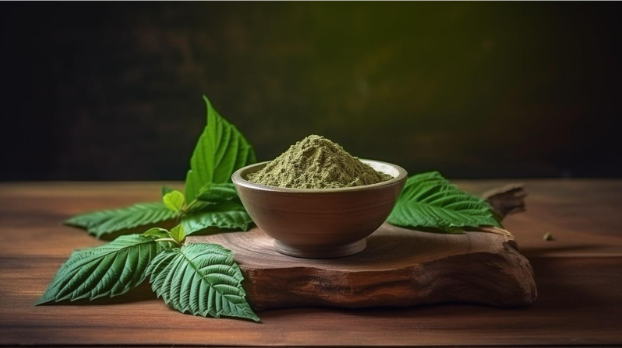
Kratom (Mitragyna speciosa) is a tropical tree native to Southeast Asia, primarily found in countries like Thailand, Indonesia, and Malaysia. Traditionally, its leaves have been used by local laborers and indigenous communities for their stimulating and pain-relieving effects. Kratom’s popularity has surged in the West, where it is marketed as a natural supplement for pain relief, mood enhancement and energy.
Despite its widespread use, kratom’s safety remains a topic of heated debate. Advocates argue that it offers a natural alternative to pharmaceuticals, while critics—especially regulatory agencies like the FDA and DEA—raise concerns about potential health risks, addiction, and lack of standardized dosing. Additionally, kratom’s legal status is complex and varies by country and even within U.S. states.
This article takes an in-depth look at kratom’s safety by examining its potential benefits, risks, scientific studies, expert opinions, and best practices for responsible use. Whether you’re a seasoned user or considering trying kratom for the first time, understanding the facts is crucial for making an informed decision.
Understanding Kratom
Kratom (Mitragyna speciosa) is a tropical evergreen tree from the coffee family, native to Southeast Asia. For centuries, people in Thailand, Indonesia, Malaysia, and other regions have chewed its leaves or brewed them into tea for their stimulant and pain-relieving effects.
The plant’s effects come primarily from its two active alkaloids:
- Mitragynine – The most abundant alkaloid, responsible for kratom’s stimulant and pain-relieving properties.
- 7-Hydroxy-Mitragynine (7-OH-Mitragynine) – A more potent alkaloid with strong analgesic and sedative effects, though present in much lower concentrations.
At lower doses, kratom acts as a stimulant, increasing energy and alertness, while at higher doses, it has sedative and pain-relieving effects.
Forms of Kratom
Kratom is available in several forms, catering to different preferences and consumption methods:
- Powder – The most common form, made by grinding dried kratom leaves. It can be brewed as tea, mixed with liquids, or taken via the “toss and wash” method (swallowing with water).
- Kratom Pills – Pre-measured doses of kratom powder, convenient for users who dislike the bitter taste.
- Extracts and Tinctures – Highly concentrated forms of kratom, providing stronger effects with smaller doses. These are often used for pain relief or quick energy boosts.
- Kratom Shots – Ready-to-drink liquid kratom extracts, popular for fast-acting effects.
- Resin and Kratom Gummies – Less common but available for those who prefer a chewable option with controlled dosing.
The Potential Benefits of Kratom
Kratom has gained popularity due to its diverse range of effects, depending on the strain and dosage. Users claim that it provides both stimulating and sedative benefits, making it a versatile natural remedy. While scientific research is still limited, anecdotal evidence and preliminary studies suggest the following potential benefits:
Pain Management
Kratom’s pain-relieving properties are one of its most well-known benefits. Its active alkaloids, mitragynine and 7-hydroxy-mitragynine, interact with opioid receptors in the brain, providing relief from chronic pain conditions such as:
- Arthritis
- Fibromyalgia
- Migraines
- Lower back pain
- Neuropathy
Unlike prescription medicines, kratom is believed to carry a lower risk of respiratory depression, which is the main cause of opioid overdoses. However, concerns about dependence still exist.
Anxiety and Mood Support
Certain kratom strains, especially red vein varieties, are known for their calming and mood-enhancing effects. Many users report feeling less anxious, more relaxed, and generally uplifted after consuming kratom. Some believe it helps manage symptoms of:
- Generalized anxiety disorder (GAD)
- Social anxiety
- Depression
- PTSD
Kratom may also stimulate dopamine and serotonin receptors, contributing to an improved mood. However, its interaction with neurotransmitters is not fully understood, and excessive use may lead to emotional instability or dependency.
Energy and Focus Enhancement
At lower doses, kratom acts as a stimulant, similar to caffeine. White and green vein kratom strains are commonly used to enhance:
- Energy levels – Popular among laborers and athletes for sustained endurance.
- Mental clarity and focus – Used by students and professionals for productivity.
- Motivation and sociability – Some users find it boosts confidence and engagement in social settings.
These effects make kratom an alternative to traditional stimulants like coffee or ADHD medications, though it is not FDA-approved for such use.
Safety Concerns and Risks
While kratom offers potential benefits, it is not without risks. The lack of regulation, inconsistent potency, and possible contamination with harmful substances make safety a major concern. Additionally, kratom’s effects vary widely between individuals, making proper dosing essential.
Short-Term Risks
Common side effects associated with kratom, particularly in higher doses, include:
- Nausea and vomiting – More frequent in first-time or high-dose users.
- Dizziness and lightheadedness – Can impair motor function and coordination.
- Dry mouth and dehydration – Common but manageable with hydration.
- Constipation – Similar to opioid-induced constipation, requiring dietary adjustments.
- Drowsiness and sedation – Especially with red vein strains or high doses.
Long-Term Concerns: Dependence
Regular kratom use can lead to physical dependence, particularly at high doses. Users who take kratom daily for extended periods may experience withdrawal symptoms similar to mild opioid withdrawal, including:
- Irritability and mood swings
- Muscle aches
- Fatigue
- Insomnia
- Cravings
While kratom withdrawal is typically less severe than opioid withdrawal, it can still be uncomfortable and disruptive.
The Debate on Kratom’s Safety
Kratom’s safety remains one of the most debated topics in the health and wellness industry. While millions of users swear by its benefits, regulatory agencies like the FDA and DEA have raised concerns about its potential health risks. The lack of comprehensive scientific research, combined with anecdotal evidence from kratom users, has led to an ongoing controversy.
FDA and DEA Stance: Lack of Regulation, Purity Concerns, and Possible Bans
The Food and Drug Administration (FDA) and Drug Enforcement Administration (DEA) have repeatedly warned against kratom use, citing the following concerns:
- Lack of Regulation – Since kratom is not FDA-approved, there are no standardized safety guidelines, making it difficult to ensure product purity and potency.
- Potential for Addiction and Abuse – The DEA has classified kratom as a “drug of concern,” and at one point, attempted to list it as a Schedule I substance (alongside heroin and LSD). The ban was delayed due to public backlash.
- Purity and Contamination Issues – The FDA has issued warnings about salmonella contamination in some kratom products and concerns over heavy metals, pesticides, and synthetic adulterants.
While the DEA has not officially banned kratom on a federal level, it remains under scrutiny, with some states enacting their own prohibitions.
Scientific Research: Conflicting Findings on Safety and Benefits
The scientific community remains divided on kratom’s safety and effectiveness due to limited clinical studies. Some research highlights its potential as a natural pain reliever and opioid alternative, while others warn about long-term health risks and addiction potential.
- Potential Benefits: A 2017 study published in The Journal of the American Osteopathic Association suggested kratom could be less addictive than opioids and might help manage withdrawal symptoms. Some studies indicate that kratom’s analgesic and mood-enhancing properties could make it a useful alternative for chronic pain and mental health conditions.
- Potential Risks: A 2019 study in Clinical Toxicology raised concerns about kratom-related liver toxicity and heart risks in heavy users. Another study found that kratom withdrawal symptoms share similarities with opioid withdrawal, though typically milder.
Because kratom is classified as a supplement, large-scale clinical trials are lacking, making it difficult to draw definitive conclusions.
Kratom Quality and Safe Usage Tips
Due to the lack of FDA regulation, ensuring kratom’s purity, potency, and safety is the user’s responsibility. Here are key tips for choosing quality kratom and minimizing risks.
Choosing Lab-Tested, High-Quality Kratom from Reputable Vendors
Look for kratom vendors who provide third-party lab testing to confirm purity and alkaloid content. Stick to kratom brands with strong reputations, verified reviews, and transparent sourcing. Reliable vendors publish Certificate of Analysis (COA) results, proving their products are free from contaminants.
Some consumers also look at resources like Kratom Online to understand how various products are described in the marketplace. While such sites can offer general background on forms and uses, it’s still essential to rely on evidence-based guidance and credible health information when assessing safety.
Recommended Dosages for Different Effects
Kratom’s effects vary based on strain and dosage. To avoid unwanted side effects, start with a low dose and gradually increase as needed.
- Mild Energy & Focus → 1-3 grams
- Moderate Pain Relief & Relaxation → 3-5 grams
- Strong Sedative & Analgesic Effects → 5-7 grams
- High Dose (Risk of Side Effects) → 7+ grams
Pro tip: To reduce tolerance buildup, rotate strains and avoid daily use.
Legal Status and Future Outlook
Kratom’s legal status remains a gray area, with different regulations across the U.S. and worldwide. While some countries and states have embraced it, others have imposed bans due to safety concerns.
In the United States, kratom is legal at the federal level but banned or restricted in certain states, including:
- Banned: Alabama, Arkansas, Indiana, Rhode Island, Vermont, Wisconsin.
- Regulated: Some states (like Arizona, Utah, and Georgia) have enacted the Kratom Consumer Protection Act (KCPA) to regulate quality and labeling.
Internationally:
- Legal or regulated: Canada, Mexico, Germany, Italy.
- Banned: Australia, Malaysia, Thailand (though Thailand has recently reconsidered kratom for medical use).
Potential Regulatory Changes and Advocacy Efforts
Kratom advocacy groups, like the American Kratom Association (AKA), are pushing for regulated access rather than prohibition. Some lawmakers are considering standardized regulations, rather than outright bans, to ensure safety while allowing responsible use.
The FDA continues to push for stricter restrictions, but public outcry has slowed down federal scheduling efforts.
What the Future of Kratom May Look Like in Medicine and Wellness
As scientific research expands, kratom could potentially be recognized as a legitimate natural remedy. Regulation efforts may lead to higher quality and safer products while maintaining access for users.
Pharmaceutical interest in kratom-derived compounds could lead to new, FDA-approved medications based on kratom’s alkaloids.
Final Thoughts: Is Kratom Safe?
Kratom’s safety depends on individual use, dosage, and product quality. While many find it beneficial, risks such as dependence, contamination, and side effects must be considered.
If used responsibly, kratom may provide pain relief, energy, and mood support without severe risks.
If misused, it can lead to dependency, withdrawal, or serious. So make sure you are careful and use kratom responsibly.
References:
- Prozialeck WC, Jivan JK, Andurkar SV. Pharmacology of kratom: an emerging botanical agent with stimulant, analgesic and opioid-like effects. J Am Osteopath Assoc. 2012 Dec;112(12):792-9. PMID: 23212430.
- Müller E, Hillemacher T, Müller CP. Kratom use for depression/anxiety self-management: challenges during the COVID-19 pandemic – A case report. Heliyon. 2021 May 10;7(5):e07039. doi: 10.1016/j.heliyon.2021.e07039. PMID: 34136676; PMCID: PMC8180622.
- Vicknasingam B, Chooi WT, Rahim AA, Ramachandram D, Singh D, Ramanathan S, Yusof NSM, Zainal H, Murugaiyah V, Gueorguieva R, Mansor SM, Chawarski MC. Kratom and Pain Tolerance: A Randomized, Placebo-Controlled, Double-Blind Study. Yale J Biol Med. 2020 Jun 29;93(2):229-238. PMID: 32607084; PMCID: PMC7309661.