Why Do Kids Hate School? Signs & Support Tips 2026
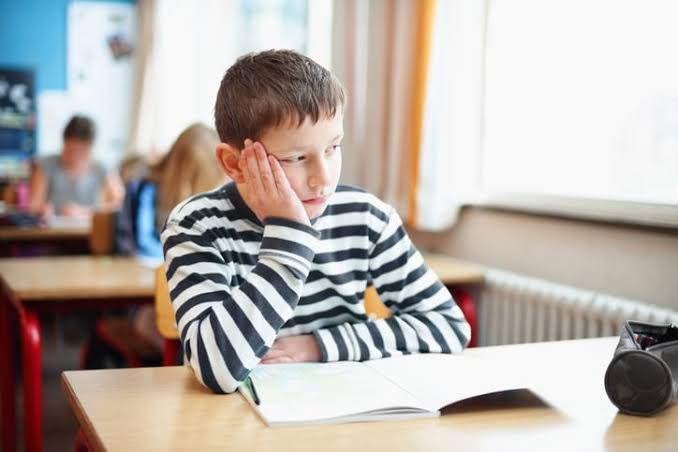
Why do kids hate school? Most of the time, it’s not really school itself they hate — it’s boredom, academic struggle, bullying, poor sleep, or anxiety they don’t have the words to explain yet.
When a child says “I hate school,” it’s rarely a simple complaint.
It’s usually a signal that something underneath needs attention, whether that’s a learning difficulty, a social conflict, or an unmet emotional need.
Quick Overview: Common Reasons Kids Hate School
Before going deeper, it helps to see the full range of causes side by side.
The table below summarizes the most frequently cited reasons, grouped by category, along with the age groups they tend to affect most.
| Reason | Category | Most Affected Age Group |
|---|---|---|
| Boredom or lack of challenge | Academic | Elementary to middle school |
| Struggling with schoolwork | Academic | All ages |
| Bullying or peer conflict | Social | Elementary to high school |
| Poor teacher relationships | Social/Emotional | Middle to high school |
| Not enough sleep | Physical | Teens especially |
| Undiagnosed learning disability | Academic | Elementary to middle school |
| Social or separation anxiety | Emotional | Early elementary |
| Sensory overload | Environmental | Neurodivergent children |
| Lack of autonomy | Emotional | All ages |
| Family stress at home | Emotional | All ages |
This table is a starting point for identifying patterns, not a diagnosis. The sections below explain each cause in more detail.
Why Do Kids Hate School? Main Causes Explained
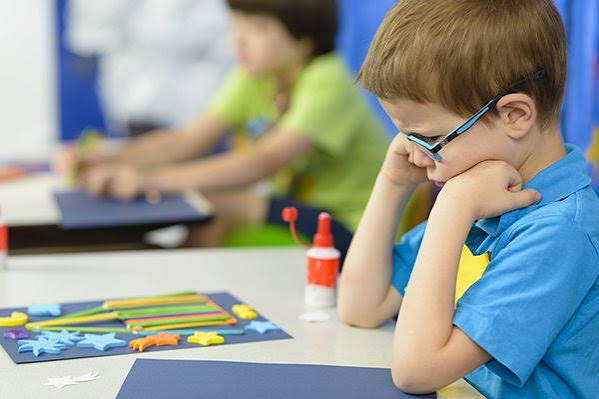
Boredom From Lack of Academic Challenge
Some kids dislike school simply because the pace feels too slow for their abilities.
When a child isn’t challenged, they may lose focus, act out, or disengage from class discussions entirely.
Boredom often looks like laziness on the surface, but it’s frequently a sign a child needs more stimulating material.
Struggling to Keep Up With the Work
For other children, the opposite is true — the material moves faster than they can absorb it.
Public school curriculums often prioritize breadth over depth, which can leave kids feeling constantly behind and frustrated.
This gap between effort and results is one of the fastest ways school starts to feel discouraging.
Undiagnosed Learning Differences
Kids with ADHD, dyslexia, or other learning differences may find school significantly more draining than their peers do.
Without a diagnosis or support plan, these children often internalize their struggles as personal failure rather than a treatable difference.
Bullying and Social Conflict
For many kids, school can feel like an unsafe or hostile environment because of bullying from peers.
The pressure to fit in socially can create constant stress that has nothing to do with academics at all.
Difficulty Making or Keeping Friends
Not every child who struggles socially is being bullied — some simply find it hard to connect with peers.
Feeling isolated at school, even without conflict, can make the entire day feel lonely and unwelcome.
Poor Teacher-Student Relationships
A child’s relationship with their teacher has a major impact on how they feel about school overall.
When a student feels misunderstood, dismissed, or unfairly treated by a teacher, that resentment often gets projected onto school as a whole.
Not Getting Enough Sleep
Teens in particular need around 9-10 hours of sleep, but most get closer to 6.5-7.5 hours due to early school start times.
Chronic tiredness makes every part of the school day feel harder, from focusing in class to managing emotions.
Wanting More Independence and Choice
As kids grow, they naturally crave more autonomy over their day, and school’s rigid structure can feel like a loss of control.
When children feel like everything is decided for them, some respond by resisting school itself.
Sensory or Environmental Overload
Bright lights, loud hallways, and crowded classrooms can be overwhelming, especially for neurodivergent students.
An overstimulating environment can make school feel exhausting even on days when the workload itself is manageable.
Anxiety, Depression, or Family Stress at Home
Sometimes the root cause has little to do with school itself and more to do with what’s happening emotionally at home or internally.
Children dealing with anxiety, depression, or family instability may struggle to concentrate or feel present at school at all.
Signs Your Child Might Actually Hate School
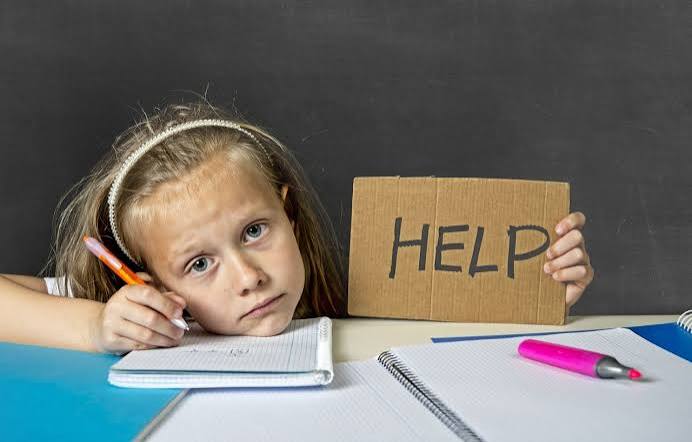
Physical Complaints Before School
Frequent headaches, stomachaches, or nausea that show up mainly on school mornings are a common early sign.
These symptoms are real to the child even when no medical cause is found.
Emotional Meltdowns or Crying in the Morning
Tears, tantrums, or panic specifically tied to getting ready for school point to more than ordinary reluctance.
This pattern tends to repeat itself on a predictable school-day schedule.
Frequent Trips to the Nurse’s Office
Kids who feel anxious at school sometimes use the nurse’s office as a safe escape from class.
A pattern of repeated visits without a clear medical reason is worth discussing with the school.
Falling Grades or Loss of Interest in Learning
A sudden drop in academic performance can signal disengagement, not just difficulty with the material.
This is especially telling if the child previously enjoyed learning or performed well.
Avoidance Behaviors at Home
Some children hide in their room, refuse to get dressed, or stall every part of the morning routine.
These behaviors are a way of communicating distress a child may not be able to put into words yet.
Changes in Sleep or Appetite
Nightmares, trouble falling asleep, or a sudden loss of appetite around school days can reflect building anxiety.
These changes often intensify the night before school and ease up on weekends.
Withdrawal From Friends or Activities
A child who once enjoyed clubs, sports, or friend groups but starts pulling away may be dealing with something deeper than school dislike.
Social withdrawal is one of the more overlooked signs parents miss early on.
School Dislike vs. School Refusal: Knowing the Difference
Ordinary School Dislike
Most kids complain about school sometimes — this is a normal part of growing up and doesn’t usually interfere with daily functioning.
Occasional grumbling about homework or early mornings falls into this category.
School Refusal or School Avoidance
School refusal is more serious: a child experiences intense, persistent distress about attending and may try everything to avoid it.
Unlike truancy, parents are usually aware, and the child genuinely wants to feel able to go but can’t.
Truancy
Truancy involves a child intentionally skipping school without a parent’s knowledge, often without visible anxiety about it.
The key difference is deliberate avoidance versus emotional distress that a child cannot control.
Recognizing which category your child falls into shapes what kind of support will actually help.
How to Help a Child Who Hates School
Start With Curiosity, Not Correction
When a child says they hate school, resist the urge to argue or offer counterexamples right away.
Listening and validating their feelings first makes it far more likely they’ll open up about the real cause.
Ask Specific, Open-Ended Questions
Instead of “How was school?” try asking what part of the day felt hardest or which class they’d change if they could.
Specific questions make it easier for kids to identify problems they can’t yet name on their own.
Rule Out Physical and Sensory Causes First
Check whether bedtime, meals, lighting, or noise levels might be contributing to daily discomfort.
Small adjustments to sleep and routine sometimes resolve reluctance that looked emotional at first.
Talk to Teachers and School Staff
Teachers see patterns during the day that parents can’t observe from home.
A short conversation with the teacher or school counselor can reveal issues like peer conflict or academic gaps quickly.
Watch for Signs of Bullying
Ask directly, and gently, whether anyone at school has been unkind or made them feel unsafe.
If bullying is confirmed, involve the school promptly and document specific incidents for follow-up.
Support Academic Gaps Without Shame
If a child is falling behind, extra help should feel supportive rather than punishing.
Tutoring, modified assignments, or a formal evaluation can rebuild confidence instead of reinforcing frustration.
Offer Choices Where Possible
Letting a child choose their study order, seating, or extracurriculars restores a small sense of control.
This can reduce the resistance that comes from feeling like every part of the day is dictated to them.
Build a Calm, Consistent Morning Routine
A predictable routine reduces the number of daily decisions and stressors a child has to manage.
Preparing bags, clothes, and lunches the night before often eases morning anxiety significantly.
Know When to Seek Professional Support
If school avoidance lasts more than a week or comes with intense physical or emotional symptoms, it’s time to involve a pediatrician or child psychologist.
Cognitive behavioral therapy is one of the most effective treatments for anxiety-driven school refusal.
Stay Calm and Consistent as a Parent
Kids pick up on parental stress, and a calm, steady response helps prevent their anxiety from escalating further.
Consistency in expectations, paired with empathy, tends to work better than either strict pressure or full avoidance.
When Professional Help Is Recommended
Symptoms Last Longer Than One Week
Short-term reluctance is common, but avoidance that persists for more than a week deserves a closer look.
Physical Symptoms Interfere With Daily Life
Ongoing headaches, stomachaches, or panic attacks tied to school are a signal to consult a doctor.
Signs of Depression or Self-Harm Talk
Any mention of hopelessness or self-harm should be taken seriously and addressed immediately with a professional.
The Child Cannot Explain Why They’re Struggling
When a child can’t articulate the cause despite trying, a school psychologist or counselor can help identify it through assessment tools.
Causes of School Dislike by Age Group
Different age groups tend to struggle with different root causes, which is useful when narrowing down what’s happening.
The table below outlines common patterns by school stage.
| Age Group | Common Cause | Typical First Step |
|---|---|---|
| Early elementary (5-7) | Separation anxiety, new routine | Gradual reassurance, consistent routine |
| Upper elementary (8-10) | Academic struggle, friendship issues | Teacher conversation, academic support |
| Middle school (11-13) | Social pressure, bullying, identity | Open dialogue, school counselor involvement |
| High school (14-18) | Sleep deprivation, academic stress, autonomy | Sleep support, workload review, therapy if needed |
Matching the cause to the age group helps parents choose the right first step instead of guessing.
Long-Term Effects of Unaddressed School Aversion
Falling Behind Academically
Chronic absenteeism or disengagement compounds over time, making it harder for a child to catch back up.
Weakened Self-Esteem
Kids who repeatedly struggle without support often internalize the belief that they are simply “bad” at school.
Strained Family Relationships
Ongoing morning battles over school attendance can create tension that spills into the rest of family life.
Increased Risk of Anxiety or Depression
Left unaddressed, chronic school-related stress can contribute to broader mental health struggles over time.
Addressing the root cause early tends to prevent these long-term effects from taking hold.
Practical Tips for Teachers Supporting Reluctant Students
Build a Personal Connection Early
A few minutes of genuine one-on-one interest can change how safe a student feels in the classroom.
Offer Quiet or Low-Stimulation Spaces
Access to a calm corner or nurture room helps overwhelmed students reset without missing the whole day.
Communicate Regularly With Parents
Sharing observed patterns, not just grades, helps families understand what’s happening during school hours.
Recognize Small Wins
Praising effort, like showing up or attempting a hard assignment, reinforces progress better than focusing only on results.
Alternative Education Options Worth Knowing About
Microschools
Small class sizes allow more personalized attention and closer monitoring of social dynamics than traditional classrooms.
Online or Hybrid Schooling
Some kids thrive with a flexible pace and fewer sensory distractions than a traditional classroom offers.
Homeschooling With Structured Curriculum
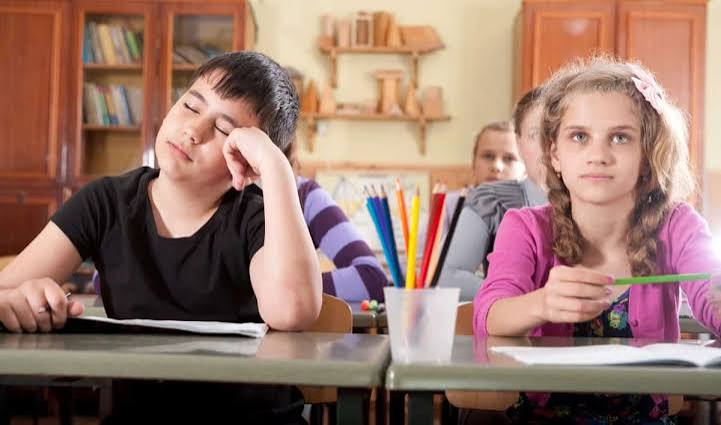
For children with severe anxiety or specific learning needs, a home-based approach can rebuild confidence before a return to a classroom setting.
These alternatives aren’t the right fit for every family, but they’re worth exploring when traditional school consistently isn’t working.
What Parents Often Get Wrong When Responding
Dismissing the Complaint Too Quickly
Saying “everyone has to go to school” without exploring the reason behind the complaint can shut down communication fast.
Kids who feel unheard early on tend to stop sharing what’s really bothering them.
Over-Focusing on Attendance Instead of the Cause
Getting a child back in the building matters, but attendance alone doesn’t fix the underlying issue driving the avoidance.
Addressing the root cause, alongside attendance, leads to more lasting improvement.
Comparing Siblings or Peers
Comparisons like “your sister never complained about school” can add shame on top of an already difficult experience.
Each child’s relationship with school is shaped by different strengths, challenges, and sensitivities.
Waiting Too Long to Involve the School
Some parents try to handle everything privately before reaching out to teachers or counselors.
Involving the school earlier often uncovers patterns and solutions parents can’t see from home alone.
Simple At-Home Strategies That Make a Difference
Create a Predictable After-School Decompression Time
Give kids 20-30 minutes of unstructured downtime right after school before jumping into homework or chores.
This buffer helps them reset emotionally before tackling anything else demanding.
Keep Homework Conversations Low-Pressure
Approaching homework with curiosity rather than frustration reduces the anxiety many kids already associate with schoolwork.
A calm tone at home can offset some of the stress built up during the school day.
Celebrate Effort Over Outcomes
Praising persistence, like trying a hard problem or asking for help, builds resilience better than focusing only on grades.
This shift in language helps kids see mistakes as part of learning rather than failure.
Model a Balanced View of School Yourself
Kids notice how parents talk about work, deadlines, and structure in their own lives.
Speaking about challenges calmly, rather than with constant complaint, helps normalize handling difficulty without dread.
How School Staff and Parents Can Work as a Team
Share Observations, Not Just Concerns
Parents can help teachers by describing specific patterns, like which mornings are hardest or what triggers tears.
Specific details are far more actionable than a general statement like “they hate school.”
Set Small, Measurable Goals Together
Instead of aiming for full attendance immediately, agree on smaller milestones like attending morning classes first.
Gradual, achievable goals build confidence without overwhelming an already anxious child.
Check In Regularly, Not Just During Crises
A quick weekly update between parents and teachers can catch new stressors before they escalate.
This ongoing communication also reassures the child that adults are working together on their behalf.
Frequently Asked Questions (FAQs)
Why do kids hate school even when they like learning?
Kids often dislike the conditions around learning — like rigid schedules, boredom, or social stress — not learning itself.
Separating “school” from “learning” helps identify what specifically needs to change.
Is it normal for kids to say they hate school sometimes?
Yes, occasional complaints are a normal part of childhood and usually don’t need intervention.
Persistent, intense distress lasting more than a week is what warrants closer attention.
How can I tell if my child is being bullied at school?
Watch for sudden reluctance to attend, unexplained belongings going missing, or a drop in social confidence.
Asking direct, gentle questions and contacting the school are the best next steps.
Can lack of sleep really cause a child to hate school?
Yes, chronic sleep deprivation makes focusing, regulating emotions, and enjoying school significantly harder.
Adjusting bedtime routines often improves both mood and attendance.
What’s the difference between school refusal and truancy?
School refusal involves visible emotional distress with parents aware of the absence, while truancy is deliberate and often hidden.
The distinction matters because the support each situation needs is very different.
Should I force my child to go to school if they hate it?
Generally yes, since prolonged avoidance makes returning to school harder over time, but the approach should stay calm and supportive.
Severe anxiety cases may need a gradual, professionally guided return instead of an abrupt one.
Can undiagnosed ADHD make a child hate school?
Yes, ADHD can make sitting still, focusing, and completing tasks feel exhausting, leading to frustration and avoidance.
An evaluation can open the door to accommodations that ease daily stress.
When should I get professional help for my child’s school anxiety?
Seek help if avoidance lasts more than a week or comes with physical symptoms, panic, or talk of hopelessness.
A pediatrician or child psychologist can assess the underlying cause and recommend treatment.
Do teachers play a role in why kids hate school?
Yes, a strained teacher-student relationship can significantly shape how a child feels about school overall.
A respectful, open conversation with the teacher can often improve the dynamic quickly.
Can changing schools fix a child’s dislike of school?
Sometimes, especially if bullying or a poor environment fit is the main cause, but it’s not a guaranteed fix.
Identifying the root cause first helps determine whether a new environment will actually solve the problem.
Conclusion
When a child says they hate school, it’s rarely about school itself — it’s a signal pointing to something deeper, whether that’s boredom, academic struggle, bullying, poor sleep, or anxiety.
Learning to read the signs, from physical complaints to sudden withdrawal, helps parents respond with curiosity instead of frustration.
Most cases improve with consistent routines, open conversations, and closer collaboration with teachers and school staff.
When distress persists beyond a week or comes with physical symptoms, professional support like a pediatrician or child psychologist can make a meaningful difference.
With patience, the right support, and early attention to root causes, most children can rebuild a healthier, more confident relationship with school over time.