WhatsApp Job Scams: Stay Safe & Secure Your Future
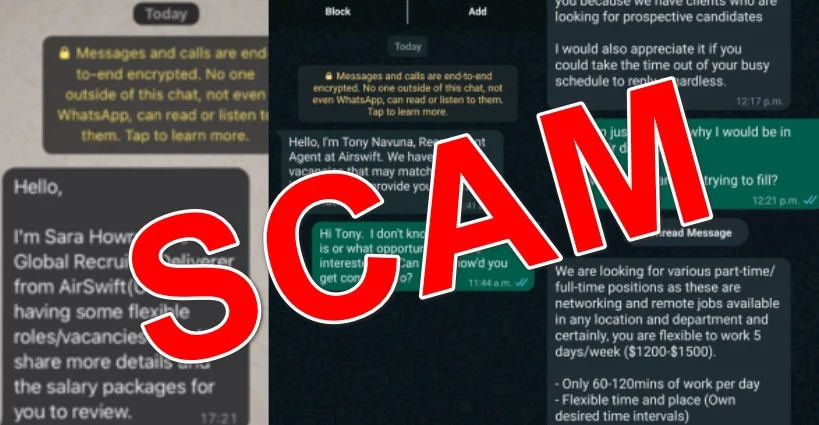
WhatsApp Job Scams are becoming increasingly common, targeting job seekers with fake offers that seem too good to be true. These scams often promise high-paying jobs with minimal effort, luring victims into sharing personal details or even making payments.
With the rise of digital communication, scammers have found new ways to exploit people through fake job postings, fraudulent recruiters, and phishing attempts on WhatsApp.
Understanding WhatsApp Job Scams can help you identify red flags, avoid financial losses, and protect your personal information.
We will cover the most common types of scams, warning signs, prevention tips, and what to do if you fall victim. Stay informed and safeguard yourself from online fraudsters who prey on unsuspecting job seekers.
WhatsApp Job Scams
| Type of Scam | How It Works | Red Flags | How to Avoid It |
| Fake Recruitment Agencies | Scammers impersonate recruiters, ask for fees | Unofficial email, payment requests | Verify recruiter details and company legitimacy |
| Phishing Scams | Fake job links steal personal data | Suspicious links, unverified domains | Never enter personal details on unknown sites |
| Advance Fee Scams | Victims pay upfront for fake job placement | Requests for security deposit or training fee | Never pay for job opportunities |
| Work-from-Home Scams | Scammers promise high pay for minimal work | Payment for registration, unrealistic salaries | Research company legitimacy |
| Fake Government Jobs | Fraudsters claim to offer secure jobs | Unofficial websites, urgent response required | Confirm through government job portals |
Common Types of WhatsApp Job Scams
1. Fake Recruitment Agencies
Scammers pretend to be recruiters from reputed companies or agencies, offering lucrative job positions. They may use professional-looking logos and names to gain credibility. The scam unfolds when they ask for processing fees or personal details.
2. Phishing Scams
These scams involve links leading to fake websites that look like official job portals. When users enter their information, scammers steal their personal and financial data.
3. Advance Fee Scams
Fraudsters ask victims to pay upfront for background verification, training, or securing a job. Once the payment is made, the scammers disappear without providing any job.
4. Work-from-Home Scams
Scammers promise easy work-from-home jobs with high pay, such as pay-per-click tasks or data entry jobs. They usually require an initial deposit, which is never refunded.
5. Fake Government Job Offers
Scammers send messages claiming to be from government organizations, offering guaranteed jobs in exchange for a registration fee or documentation charges.

How to Identify WhatsApp Job Scams
1. Too Good to Be True Offers
If a job sounds too perfect – high salary, minimal qualifications, no interviews – it’s likely a scam. Legitimate jobs require proper application processes.
2. Unprofessional Communication
Most scammers use poor grammar, informal language, and generic greetings like “Dear candidate” instead of addressing you by name.
3. Requests for Money
No genuine employer asks for money for job placement, training, or documentation. Any payment request is a red flag.
4. Suspicious Links and Websites
Scammers often send links to fake websites that mimic official job portals. Always verify URLs before clicking on them.
5. No Official Email or Website
Legitimate companies use official email addresses (e.g., @companyname.com). If a recruiter contacts you from a free email service (e.g., Gmail, Yahoo), be cautious.
6. High-Pressure Tactics
Scammers create urgency, telling you that you must respond immediately to secure the job. Genuine employers give applicants time to apply and review offers.
How to Protect Yourself from WhatsApp Job Scams
1. Verify the Recruiter
- Check the recruiter’s LinkedIn profile and company website.
- Contact the company directly to confirm if the job offer is real.
2. Never Share Personal Information
- Avoid sharing bank details, passport numbers, or passwords with unknown recruiters.
- Be cautious when asked for scanned copies of personal documents.
3. Research the Job Offer
- Search online for reviews about the company or recruiter.
- Look for scam alerts related to similar job offers.
4. Use Trusted Job Portals
- Apply only through official job websites like LinkedIn, Indeed, Glassdoor, or company career pages.
- Avoid engaging with random WhatsApp job messages.
5. Report Suspicious Activity
- Report fake job offers to WhatsApp, the local cybercrime department, and job portals.
- Block and report the scammer’s number.
What to Do If You’ve Been Scammed?
If you have fallen victim to a WhatsApp job scam, take immediate action:
- Stop Communication – Do not engage further with the scammer.
- Report to Authorities – File a complaint with cybercrime agencies in your country.
- Inform Your Bank – If you made a payment, notify your bank to check if you can recover your money.
- Warn Others – Share your experience on social media and job portals to prevent others from falling victim.

Frequently Asked Questions About WhatsApp Job Scams
How do I verify if a job offer on WhatsApp is real?
Verify the company’s official website, contact the HR department, and check the recruiter’s LinkedIn profile. If they ask for payment, it’s a scam.
Why do scammers use WhatsApp for job scams?
Scammers prefer WhatsApp because it allows easy communication, anonymity, and mass messaging without requiring email verification.
Can I recover money lost to a WhatsApp job scam?
Recovery is difficult but possible if you report the fraud to your bank, law enforcement, and WhatsApp immediately.
Are all WhatsApp job offers fake?
Not all, but legitimate companies rarely use WhatsApp as the primary method for hiring. Always double-check job offers before responding.
Conclusion About WhatsApp Job Scams
WhatsApp job scams are a growing threat, targeting job seekers with false promises of lucrative careers. Scammers use deceptive tactics to gain victims’ trust, extract money, or steal personal information.
However, by staying alert, conducting thorough research, and avoiding suspicious offers, job seekers can protect themselves from fraud. The best way to avoid WhatsApp job scams is to trust only official job portals, verify recruiter credentials, and never pay for job placements.
Awareness and vigilance are key to ensuring a safe job search experience. If you encounter a suspicious job offer, report it immediately to WhatsApp and cybercrime authorities to prevent others from falling victim.