Arthur The King True Story & Historical Facts 2026
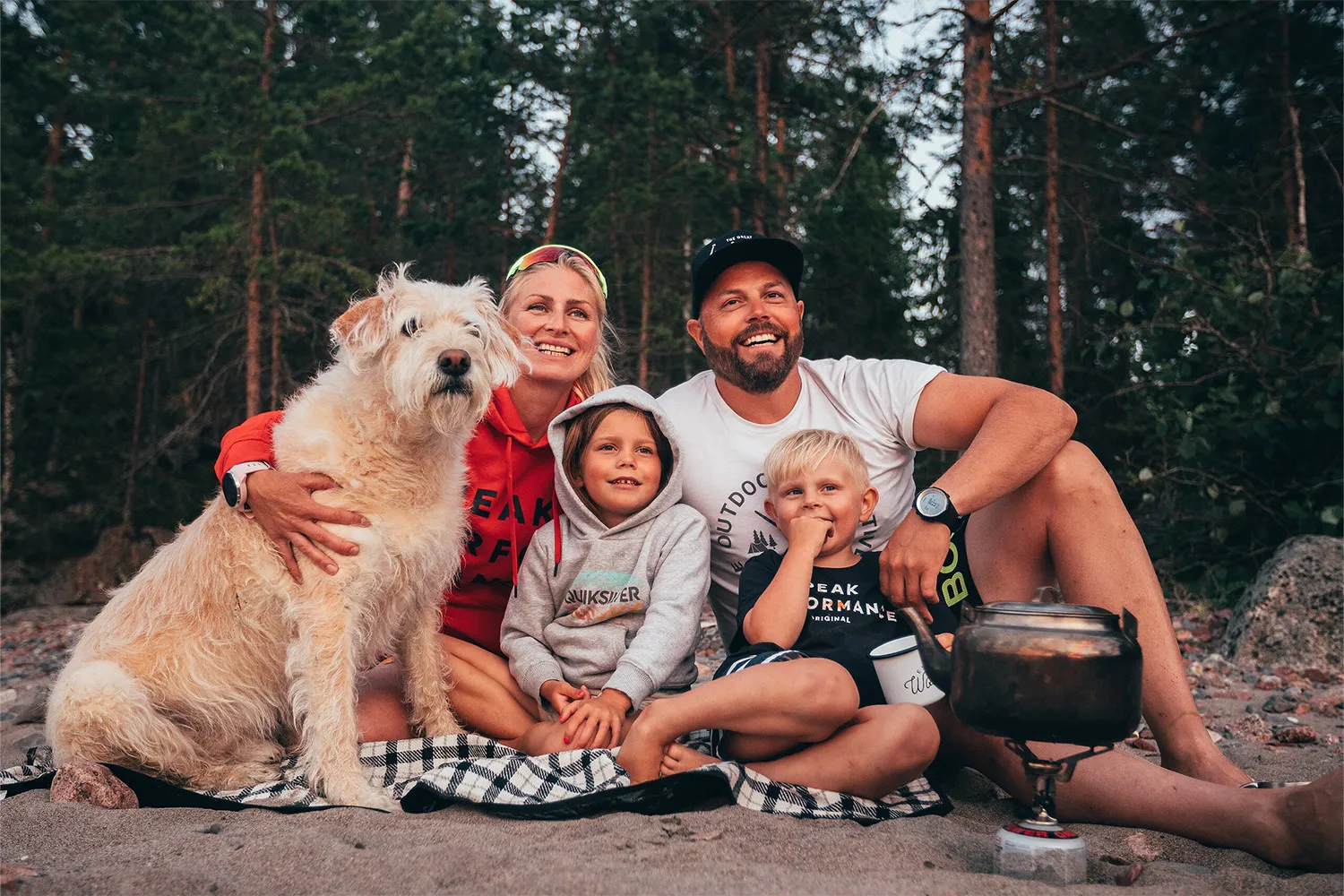
Arthur The King true story is one of the most inspiring and heartwarming tales of human-animal connection in modern cinema. T
his remarkable narrative follows the real-life adventure of Mikael Lindnord, a Swedish endurance racer who forged an unbreakable bond with a stray dog during the 2014 Adventure Racing World Championship in Ecuador.
The movie, starring Mark Wahlberg, depicts Arthur’s incredible journey as he followed Lindnord’s team across 435 miles of jungle, mountains, and rivers.
While Hollywood made several changes for dramatic effect, the core story remains a testament to loyalty, survival, and the transformative power of kindness in the harshest conditions.
Arthur The King True Story
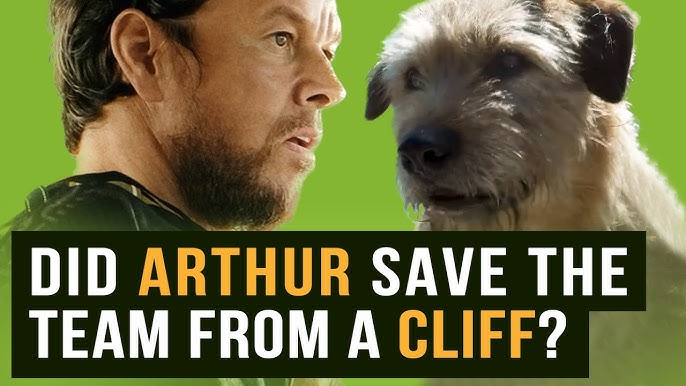
Arthur The King tells the compelling true story of an extraordinary friendship between an adventure racer and a stray dog that developed during one of the world’s most grueling endurance competitions. The story begins in November 2014 in Ecuador, where Swedish athlete Mikael Lindnord and his four-person Team Peak Performance were competing in the Adventure Racing World Championship.
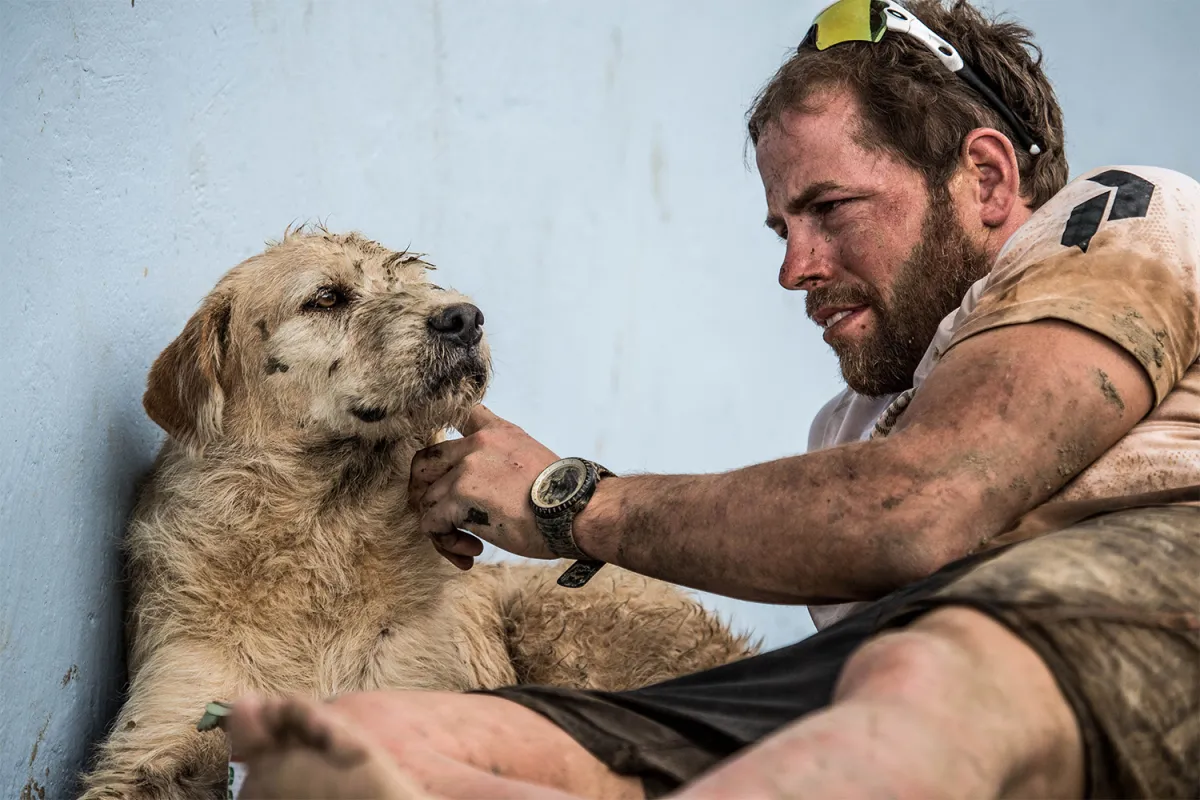
During a transition point on the fourth day of the 435-mile race, Lindnord shared a simple meatball with a wounded stray dog. This single act of kindness sparked an incredible bond. The injured dog, later named Arthur after the legendary King Arthur, decided to follow the team for the remaining 200 miles of the race through jungle terrain, river crossings, and mountain paths.
Despite his injuries including a severe infected wound on his back, Arthur refused to leave the team’s side. He swam alongside their kayaks during a 14-hour water segment, climbed treacherous mountain paths, and navigate dangerous jungle terrain. His unwavering determination captured hearts worldwide when photos and videos from the race went viral on social media.
The Real Mikael Lindnord vs. Michael Light
The 2024 film starring Mark Wahlberg makes significant changes to the protagonist’s identity. In reality, the adventure racer who befriended Arthur was Mikael Lindnord, born September 24, 1976, in Salem, Sweden. He was an experienced adventure racer and captain of Team Peak Performance.
Hollywood transformed the Swedish Lindnord into an American character named Michael Light, portrayed by Mark Wahlberg with an American accent. This change was made for commercial reasons to appeal to American audiences. Despite the nationality swap, the character’s essential qualities remained intact—his compassion, determination, and leadership.
Lindnord’s wife Helena appears in both the true story and the film, portrayed by Juliet Rylance. The couple’s support for each other during the adoption process and Arthur’s integration into their Swedish family forms an important part of the narrative. They have two children who welcomed Arthur into their home.
Team Peak Performance: The Real Racers
The actual Team Peak Performance consisted of four adventure racing athletes from different backgrounds. Captain Mikael Lindnord led the team alongside three teammates: Staffan Björklund and Simon Niemi, both Swedish racers, and Karen Lundgren, an American female competitor.
The 2024 movie significantly alters team composition for diversity and dramatic purposes. While maintaining the three-men-one-woman structure, the film changes ethnic backgrounds and names. Karen Lundgren becomes Olivia, portrayed by Nathalie Emmanuel. Staffan and Simon are replaced by characters named Leo (Simu Liu) and Chik (Ali Suliman) with Asian and Arab heritage respectively.
This Hollywood modification sparked some controversy among purists who felt the real team deserved accurate representation. However, the filmmakers argued these changes don’t diminish the core story of human-canine loyalty and survival. The team’s actual achievements and their bond with Arthur remain the narrative’s heart regardless of casting choices.
The 2014 Adventure Racing World Championship
The Adventure Racing World Championship where this story unfolded took place in Ecuador in November 2014. This multi-day endurance competition is among the world’s most challenging athletic events, requiring teams to trek, bike, and paddle across hundreds of miles of wilderness terrain.
The 2014 Ecuador race covered approximately 435 miles (700 kilometers) through diverse and difficult environments. Teams navigated dense Amazon rainforest, scaled mountain ranges, crossed rivers, and endured extreme weather conditions. The race typically lasts five to seven days with minimal rest periods.
Team Peak Performance, sponsored by the Swedish jacket company of the same name, entered as experienced competitors. They faced fierce competition from elite adventure racing teams worldwide. The race tested not just physical endurance but also navigation skills, teamwork, and mental resilience. Little did they know their journey would become famous not for their placing but for an unexpected four-legged companion.
Arthur’s Background and Condition
When Mikael Lindnord first encountered Arthur at the transition area, the dog was in poor condition. He bore the scars of harsh street life with a large, severely infected wound on his back indicating previous mistreatment or injury. Despite his injuries, Arthur maintained a dignified presence that impressed the team.
Ecuador’s street dog population faces difficult conditions. Many strays struggle with malnutrition, disease, and abuse. Arthur’s survival to that point demonstrated remarkable resilience. His wound required immediate medical attention, something he wouldn’t receive until after the race concluded.
Witnesses at the transition area remembered Arthur as different from other strays. Despite his injuries and obvious hunger, he possessed an unusual calmness and dignity. His eyes conveyed intelligence and determination. These qualities would prove essential during the grueling journey ahead through terrain that would challenge even healthy, well-trained animals.
The Meatball That Changed Everything
On the fourth day of the race at a biking-to-trekking transition area, Mikael Lindnord made a decision that would change his life. Noticing the injured stray dog watching from a distance, he threw some of his meal—Swedish meatballs—to the hungry animal. This simple act of compassion initiated their remarkable bond.
After receiving the food, Arthur began following the team when they departed the transition area. Initially staying about 20 meters behind, he gradually closed the distance. The team members noticed him persistently trailing them through increasingly difficult jungle terrain. They nicknamed him Arthur after King Arthur due to his regal bearing despite his ragged appearance.
The team didn’t initially plan to keep the dog. They assumed he would eventually give up and return to the village. However, Arthur’s determination proved extraordinary. Despite exhaustion, injuries, and dangerous conditions, he maintained pace with professional athletes navigating one of the world’s toughest races. His presence became a source of motivation for the entire team.
Arthur’s Journey Through 435 Miles
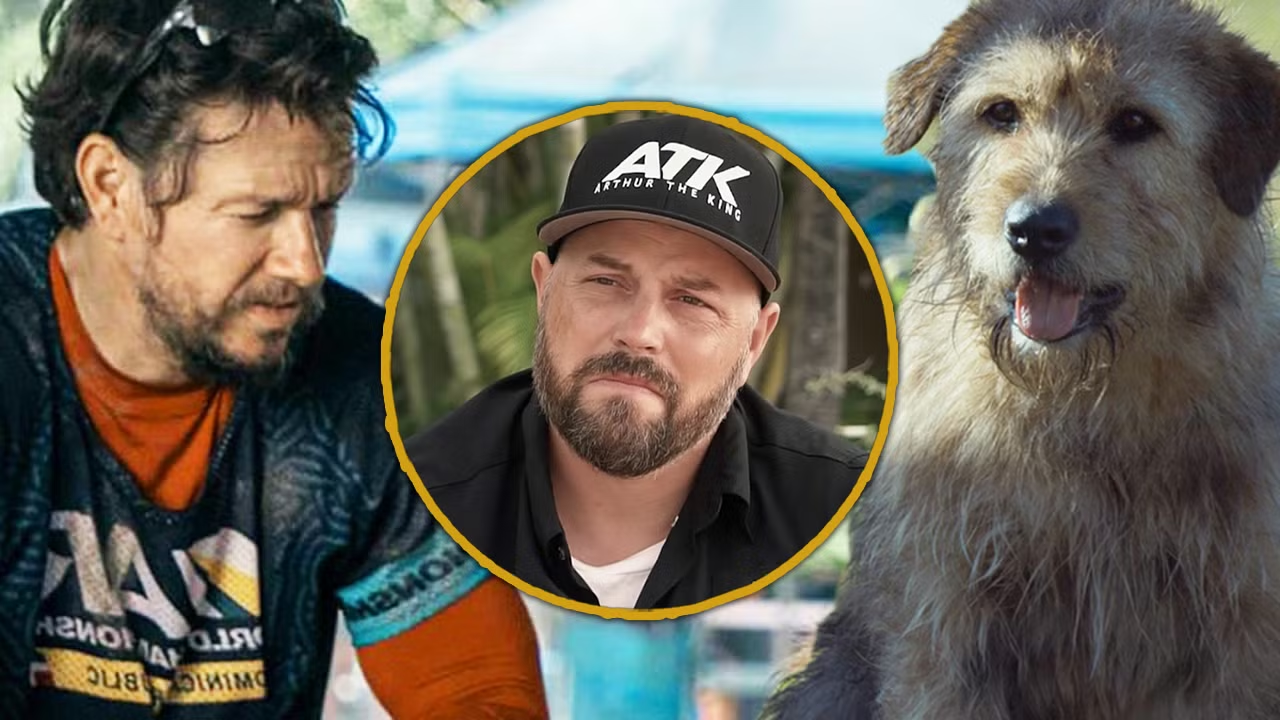
Arthur’s trek with Team Peak Performance covered more than 200 miles of Ecuador’s most challenging terrain. He navigated dense jungle undergrowth, climbed steep mountain slopes, forded rivers, and even swam alongside kayaks during water segments. His endurance astonished everyone who witnessed it.
The team quickly realized Arthur possessed exceptional instincts. He never strayed more than a few meters from Mikael Lindnord, particularly through dangerous sections. While navigating jungle paths, Arthur demonstrated uncanny awareness of obstacles and hazards. His presence became comforting rather than burdensome to the exhausted racers.
Fellow competitors and race officials watched Arthur’s progress with amazement. Video footage and photographs captured him swimming beside kayaks, running alongside bikes, and trudging through mud during trekking segments. His determination despite visible pain from his infected wound inspired widespread admiration. Social media posts about Arthur went viral even before the race concluded.
The Kayaking Segment Challenge
The race’s final stage presented the biggest challenge for Arthur’s continued participation. The 34-mile kayaking segment across open water would take approximately 14 hours. Race officials informed Team Peak Performance that Arthur couldn’t continue—dogs weren’t allowed in kayaks, and the water crossing was too dangerous for a swimming dog.
Reluctantly, the team prepared to leave Arthur behind at the transition point. They bid him farewell and launched their kayaks into the water. However, Arthur refused to accept this separation. As the kayaks pulled away from shore, the determined dog plunged into the water and began swimming after them.
Witnessing Arthur’s desperate attempt to follow them into dangerous open water proved too heartbreaking. Mikael Lindnord made a split-second decision to rescue the swimming dog and pull him aboard his kayak. According to the team’s Facebook post, this act received standing ovations from everyone on shore. Arthur completed the final leg safe in the kayak, cementing his status as the team’s fifth member.
The Cliff Scene: Hollywood vs. Reality
The movie features a dramatic scene where Arthur saves the team from plummeting off a cliff by alerting them to danger. While compelling cinema, this specific incident is heavily dramatized. The truth involves a less theatrical but equally significant moment during jungle navigation.
In reality, Team Peak Performance got turned around at a jungle fork after misreading their GPS device. They walked in the wrong direction and unknowingly passed within approximately ten feet (three meters) of a sheer 65-foot (20-meter) cliff. The team never realized the immediate danger while it was happening.
Arthur didn’t growl or physically prevent them from approaching the cliff edge. The team members back home in Sweden, including Mikael’s wife Helena, spotted the danger later while monitoring the team’s GPS coordinates on computer screens. They realized how close the team had come to disaster only after the fact. While Arthur remained close to Mikael throughout this section, he didn’t dramatically save them from certain death as depicted in the film.
The Adoption Process Begins
When Team Peak Performance crossed the finish line with Arthur still accompanying them, Mikael Lindnord knew he couldn’t abandon his loyal companion. The dog had given everything to stay with the team through 200-plus miles of brutal terrain. Lindnord decided to adopt Arthur and bring him to Sweden.
The adoption process proved far more complicated than anticipated. First, Arthur required immediate veterinary care for his infected wound and general health assessment. Lindnord took him to local veterinarians in Ecuador who treated the injury and ensured he was stable for travel. Medical clearance was just the first hurdle.
International animal adoption involves extensive paperwork, health certifications, import permits, and quarantine requirements. Sweden has strict animal import regulations to prevent disease. Initially, Swedish agricultural authorities denied the import application. This rejection devastated Lindnord, who had already formed a deep bond with Arthur. However, public pressure and social media support would soon change the situation.
The Twitter Campaign That Went Viral
As Team Peak Performance had been posting updates and photos during the race, Arthur’s story had already begun spreading on social media. The Adventure Racing World Championship official accounts shared images and videos of the determined dog following the Swedish team. These posts received thousands of shares and reactions.
When Lindnord launched a crowdfunding campaign to cover Arthur’s medical expenses and adoption costs, the response was overwhelming. People from around the world contributed money and shared the story. Within days, Arthur became an international sensation. Major news outlets picked up the heartwarming tale of loyalty and compassion.
The viral social media support accomplished two critical things. First, it raised substantial funds exceeding the costs of adoption and veterinary care. Second, and more importantly, the public pressure influenced Swedish authorities to reconsider their denial of Arthur’s import application. Government officials faced backlash for potentially separating the reunited pair. The combination of proper documentation and public advocacy eventually secured approval for Arthur to enter Sweden.
Controversy: The Barbuncho Claim
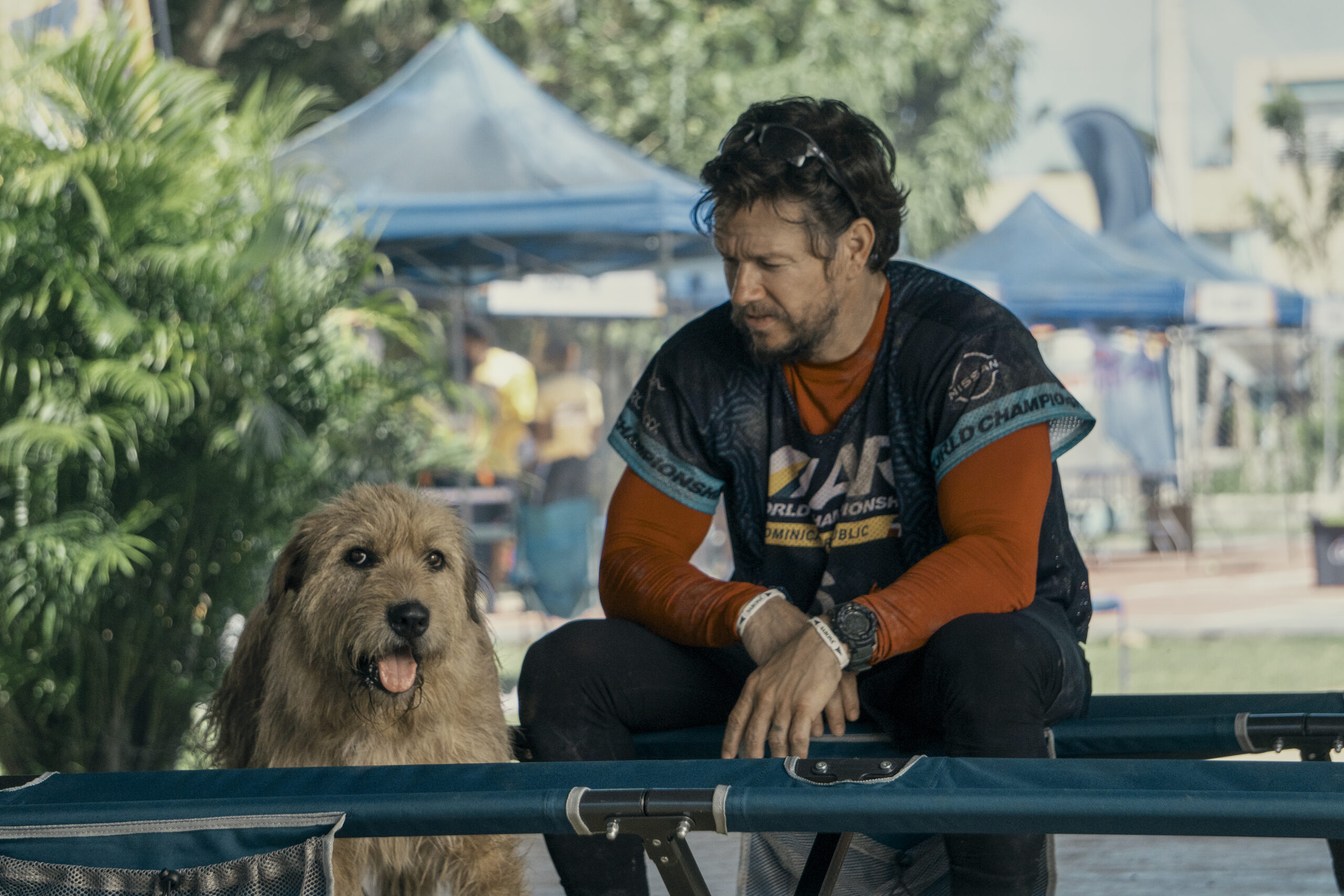
Shortly after Arthur arrived in Sweden, controversy erupted. An Ecuadorian man named Vicente Quiõnez came forward claiming that Arthur was actually his dog, whom he called Barbuncho. This assertion wasn’t merely a footnote—it sparked intense debate about pet ownership, animal welfare, and international adoption ethics.
Quiõnez described Barbuncho as a hunting companion who accompanied him on expeditions and worked with international researchers visiting the region. He claimed the dog was well-cared for and part of his family. He requested compensation for his lost pet and asked for Arthur’s return. His claims were supported by several locals who recognized the dog.
However, animal rights activists quickly silenced Quiõnez’s claims by pointing to Arthur’s condition when found. The severe infected wound, malnourishment, and Arthur’s desperate attachment to the racing team suggested a dog seeking better circumstances. Lindnord and his supporters argued that Arthur “chose” his new family through his actions. The microchip registration in Lindnord’s name in Sweden legally settled ownership, though the ethical questions remain debated.
Arthur’s Life in Sweden
After completing quarantine and import procedures, Arthur joined the Lindnord family in Sweden. Mikael, his wife Helena, and their two children welcomed the dog who had traveled so far to be with them. Arthur adapted remarkably well to Swedish life despite the dramatic climate change from tropical Ecuador to Scandinavian winters.
The family integrated Arthur into their active lifestyle. Mikael continued adventure racing and outdoor activities, often with Arthur accompanying him. The dog who survived the Amazon jungle proved equally capable in Swedish forests and mountains. He became a beloved family member, participating in daily routines and family adventures.
Arthur’s calm temperament and intelligence made him an ideal companion. Children particularly connected with him, and he showed patience and gentleness despite his rough background. The Lindnord family shared regular updates on social media, allowing Arthur’s global fan base to follow his new life. These posts showed a healthy, happy dog living his best life far from Ecuador’s streets.
Arthur’s Legacy Through Mikael’s Books
Mikael Lindnord authored several books documenting his extraordinary journey with Arthur. The first and most famous, “Arthur: The Dog Who Crossed the Jungle to Find a Home,” published in May 2016, became an international bestseller. The memoir combined adventure storytelling with emotional depth, capturing both the physical challenge of the race and the spiritual journey of connection.
The book provided detailed accounts of the race itself, Arthur’s participation, the adoption process, and the dog’s integration into Swedish life. Lindnord’s writing balanced adventure narrative with reflection on what Arthur’s loyalty revealed about human-animal bonds. The book was translated into multiple languages and sold worldwide.
In 2024, coinciding with the movie release, Lindnord published “Young Arthur,” a children’s book detailing Arthur’s early life before meeting the racing team. This book imagined Arthur’s jungle experiences and struggles, designed to teach young readers about resilience, kindness, and hope. The publishing success transformed Lindnord from professional athlete to bestselling author, with Arthur as his co-star.
The 2024 Movie Adaptation
The film “Arthur the King” premiered on March 15, 2024, bringing the inspiring story to mainstream audiences. Directed by Simon Cellan Jones and starring Mark Wahlberg in the lead role, the production represented a significant Hollywood adaptation of Lindnord’s memoir. The movie aimed to capture both adventure and emotional resonance of the original story.
Mark Wahlberg also served as producer, having first learned about Arthur’s story from an ESPN segment rather than Lindnord’s book. His involvement brought major star power and ensured substantial marketing support. Additional cast included Simu Liu, Juliet Rylance, and Nathalie Emmanuel in supporting roles representing team members.
The production faced immediate controversy by choosing to film in the Dominican Republic rather than Ecuador. Many Ecuadorians expressed disappointment that their country wouldn’t benefit economically from the film despite Arthur’s story originating there. Filmmakers cited production logistics and costs for the location change, though critics viewed it as disrespectful to the source material’s setting and the Ecuadorian people involved in the real events.
Ukai: The Dog Actor Behind Arthur
Finding the right dog to portray Arthur presented a significant casting challenge. The production needed a canine actor who could handle demanding physical scenes while conveying Arthur’s unique personality and spirit. They discovered Ukai, a dog whose resemblance to the real Arthur proved uncanny.
Mikael Lindnord personally commented on social media about Ukai’s similarities to Arthur. He noted they looked like twins and walked identically. More remarkably, Ukai shared Arthur’s calm demeanor and what Lindnord described as “spiritual wisdom.” This personality match proved as important as physical appearance for authentic portrayal.
Ukai underwent extensive training for the film’s adventure sequences. Professional animal coordinators worked with him to safely film scenes involving water, rough terrain, and interaction with human actors. The production prioritized animal welfare while achieving the realistic depiction needed to honor Arthur’s memory. Ukai’s performance received praise from critics who noted the dog’s expressive eyes and natural screen presence.
Arthur’s Death in 2020
Tragically, Arthur passed away on December 8, 2020, at 11:48 a.m., just six weeks before filming began on the movie celebrating his life. He was approximately ten to eleven years old. The cause of death was a malignant tumor located in his lower back—a cruel irony given the infected wound in that same area when Mikael first found him.
In an emotional Instagram post, Lindnord described Arthur’s final week. The dog suddenly stopped eating and drinking on his own. Initial x-rays, tests, and blood samples didn’t reveal clear answers. Concerned veterinarians transferred Arthur to a larger animal hospital where he received IV treatment and comprehensive examinations. Despite aggressive medical intervention, Arthur deteriorated rapidly.
The veterinary team fought until the end, but the cancer proved too advanced. Arthur died surrounded by the family who loved him. Lindnord’s tribute emphasized how quickly it happened and how much Arthur meant to them all. The timing meant Arthur never saw himself portrayed on screen, though his legacy lives on through the film, books, and millions of people inspired by his story.
Film Production and Locations
Production on “Arthur the King” began in January 2021 in the Dominican Republic. The Caribbean nation substituted for Ecuador’s Amazon jungle and mountain terrain. Location scouts selected areas that could convincingly double for South American landscapes while providing better production infrastructure and cost advantages.
The Dominican Republic offered established film industry support, experienced local crews, and varied terrain from beaches to mountains to jungle. However, the decision to bypass Ecuador for Dominican locations created tension. Ecuadorian officials and citizens expressed frustration that the economic benefits of a major Hollywood production wouldn’t support their country despite the story’s origins there.
The production design team worked to recreate the authentic feel of the 2014 Adventure Racing World Championship. They consulted with Mikael Lindnord and actual race organizers to ensure accuracy in depicting the competition’s various stages—biking, trekking, and kayaking segments. Despite location changes, the filmmakers aimed to honor the spirit of the original events and the extraordinary journey shared by man and dog.
Changes From True Story to Hollywood
The film adaptation makes several significant changes from historical facts for dramatic purposes and commercial appeal. Beyond the location change from Ecuador to Dominican Republic and Mikael Lindnord becoming American Michael Light, numerous other alterations occur throughout the narrative.
The team composition changes represent perhaps the most visible modification. The all-white Swedish/American team becomes ethnically diverse in the film. This decision reflects Hollywood’s contemporary commitment to representation but diverges from historical accuracy. Character names change completely except for Mikael/Michael.
The cliff scene dramatization exemplifies creative license in action sequences. While the team did inadvertently approach a cliff, Arthur didn’t heroically save them in the dramatic fashion depicted on screen. The movie also compresses timelines, emphasizes certain dramatic moments, and likely invents dialogue and interactions for emotional impact. These changes serve cinematic storytelling rather than documentary accuracy.
The Real Message of Arthur’s Story
At its core, Arthur’s story transcends the specific details of an adventure race or one man’s decision to adopt a dog. It speaks to universal themes of loyalty, compassion, and the transformative power of kindness even in the most challenging circumstances. Arthur’s unwavering determination to stay with Mikael Lindnord’s team demonstrates the depth of connection possible between humans and animals.
The story also highlights how small acts of generosity can create profound impacts. Mikael’s simple gesture of sharing food with a hungry dog initiated a chain of events touching millions of lives. This ripple effect demonstrates how individual choices matter, how compassion often costs little but means everything, and how connections transcend language, species, and circumstances.
Furthermore, Arthur’s journey emphasizes resilience and hope. A wounded street dog transformed into an endurance athlete and beloved family member. His story proves that past circumstances don’t determine future possibilities. With love, support, and determination, remarkable transformations occur. This message resonates across cultures and backgrounds, explaining the story’s global appeal.
The Dog Actor’s Training Process
Preparing Ukai to portray Arthur involved months of specialized training. Professional animal trainers worked with the dog to perform specific behaviors required for filming while ensuring his safety and well-being. The training program needed to prepare Ukai for water work, rough terrain navigation, and close interaction with Mark Wahlberg and other actors.
Water sequences required particular attention since the real Arthur swam beside kayaks for hours during the race. Trainers gradually acclimated Ukai to swimming near boats in controlled environments. They used positive reinforcement techniques to build confidence and ensure the dog associated water work with rewards and praise rather than stress or fear.
The production employed certified animal welfare officers on set at all times. These professionals monitored Ukai’s stress levels, ensured adequate rest periods, and verified that no scene put the animal at risk. Modern film productions follow strict guidelines from organizations like American Humane to protect animal actors. The “No Animals Were Harmed” certification required comprehensive safety protocols throughout filming.
Mark Wahlberg’s Connection to the Project
Mark Wahlberg’s involvement with “Arthur the King” began when he saw an ESPN segment covering the story. As both star and producer, he demonstrated passionate commitment to bringing the tale to audiences. His production company, Municipal Pictures, partnered with others to develop the project from Lindnord’s book.
Wahlberg has a documented love for dogs in his personal life, making this project personally meaningful beyond professional considerations. He connected emotionally with the story’s themes of loyalty and redemption. During promotional interviews, he frequently discussed how Arthur’s determination and Mikael’s compassion inspired him.
The actor’s star power ensured substantial marketing support and wide theatrical release. His involvement likely convinced studio executives to greenlight the production despite being an unusual mix of adventure film and animal story. Wahlberg’s participation also brought experienced crew members, strong production values, and distribution networks that independent productions struggle to access.
The Adventure Racing World Championship Reality
The Adventure Racing World Championship represents the pinnacle of multi-discipline endurance sports. These competitions test athletes’ limits through extreme physical challenges over multiple days with minimal rest. Participants must excel at various outdoor skills including navigation, teamwork, wilderness survival, and multiple sports.
A typical championship course spans 400-700 kilometers (250-435 miles) through wilderness terrain. Teams of four compete in co-ed format, navigating unmarked courses using only maps and compasses. They must stay together throughout the entire race—if one team member quits, the entire team is disqualified. This creates intense bonding and interdependence.
The 2014 Ecuador championship covered approximately 435 miles through Amazon rainforest, mountain ranges, and waterways. Teams biked rugged trails, trekked jungle paths, paddled rivers, and climbed mountains. Sleep deprivation, equipment failures, injuries, and extreme weather made it one of the toughest years in championship history. Arthur’s ability to keep pace with elite athletes through this brutal course remains almost incomprehensible.
Ecuador’s Perspective on the Story
Ecuador’s relationship with Arthur’s story carries complexity and some bitterness. On one hand, the tale originates in their country and showcases Ecuador’s challenging terrain and natural beauty. On the other hand, the perceived “rescue” narrative and film location choice generated frustration among Ecuadorians.
Many Ecuadorians question the framing of Arthur’s adoption as purely heroic. From their perspective, the story reinforces problematic narratives about Western saviors rescuing poor Third World animals while ignoring systemic issues causing street dog populations. Critics argue the focus on one dog’s happy ending obscures larger questions about animal welfare, poverty, and foreign extraction of resources—even if that resource is a compelling story.
The decision to film in the Dominican Republic rather than Ecuador particularly angered many. They argued the production could have employed Ecuadorian crews, boosted local tourism, and fairly represented the landscape where events actually occurred. The economic opportunity lost to another country felt like adding insult to injury. These critiques raise important questions about who benefits from “true story” narratives and whose truth gets centered.
Street Dogs and Animal Welfare in Ecuador
Ecuador faces significant challenges regarding stray dog populations in urban and rural areas. Estimates suggest hundreds of thousands of street dogs live in Ecuador, many suffering from malnutrition, disease, injuries, and abuse. Limited animal welfare infrastructure and resources make addressing this crisis difficult.
Cultural attitudes toward dogs in Ecuador vary widely. In cities, increasing numbers of people embrace pet ownership and animal welfare principles. However, in rural and poorer areas, dogs often serve working roles rather than being considered family members. This creates different standards for care and treatment that can shock foreign observers.
Arthur’s condition when found reflects these harsh realities. His infected wound and emaciated state weren’t unusual for Ecuadorian street dogs. Many face similar or worse conditions daily. Critics of Arthur’s story argue the attention and resources directed toward one dog’s international adoption might have been better spent addressing systemic animal welfare issues benefiting thousands of animals rather than one individual dog who happened to meet foreign athletes.
The Power of Social Media in Modern Stories
Arthur’s story demonstrates social media’s power to amplify narratives and mobilize support. Real-time updates during the 2014 race, shared by the Adventure Racing World Championship and Team Peak Performance, created a live audience following Arthur’s journey. Each post showing the dog swimming, running, or resting with the team generated emotional responses and shares.
This immediate global reach transformed a local story into an international phenomenon. Traditional media coverage would have taken days or weeks to build awareness. Social media made Arthur famous before the race even concluded. Viral sharing created pressure on Swedish authorities to approve his adoption and generated funds exceeding adoption costs.
The phenomenon also reveals social media’s emotional economy. Stories featuring animal loyalty and human compassion consistently generate massive engagement. Users share such content to signal values, experience emotional catharsis, and participate in collective narratives. Arthur’s story hit multiple engagement triggers—underdog triumph, loyalty against odds, and simple kindness changing lives. Understanding these dynamics helps explain why some true stories become cultural moments while others remain obscure.
Ethical Questions in International Animal Adoption
Arthur’s adoption raises complex ethical questions that his story’s heartwarming nature often obscures. International animal rescue and adoption involve significant moral territory beyond simple acts of kindness. These questions deserve serious consideration rather than dismissal as cynicism spoiling a beautiful story.
First, the resource question: Arthur’s journey to Sweden likely cost thousands of dollars in veterinary care, import fees, transportation, and paperwork. Could those resources have helped more animals if directed toward local shelters or spay/neuter programs? One dog’s first-class treatment versus many dogs’ basic survival needs creates mathematical and moral tensions.
Second, the ownership question: Vicente Quiõnez’s claim that Arthur was his dog Barbuncho was never definitively resolved. It was dismissed due to Arthur’s poor condition and animal rights activism, but no investigation verified his claims or the abuse allegations. If Barbuncho was indeed a hunting dog who occasionally worked with researchers and lived rural lifestyle typical for the area, was he actually in distress requiring rescue? Or did Western standards of pet care judge Ecuadorian rural practices unfairly?
The Documentary Evidence
Arthur’s story benefits from substantial documentation supporting its authenticity. Unlike some “true stories” that rely heavily on unverifiable personal accounts, Arthur’s journey occurred during a well-documented international sporting event with multiple witnesses, cameras, and real-time reporting.
The Adventure Racing World Championship maintains extensive records including GPS tracking data, official race photographs, video footage, and race reports. Multiple independent sources captured Team Peak Performance’s progress and Arthur’s participation. Fellow competitors, race officials, and local witnesses all confirmed seeing the dog following the Swedish team through various race stages.
Social media posts from 2014 provide contemporary evidence rather than retrospective accounts. These posts include timestamps, photographs, and videos impossible to fabricate after the fact. The digital record establishes definitively that a dog did follow the team, did complete extraordinary physical feats, and did capture international attention during the event itself.
Mikael Lindnord’s Current Advocacy
Following Arthur’s death and the movie’s release, Mikael Lindnord has become an advocate for animal welfare, particularly street dog rescue and adoption. He uses his platform to raise awareness about animal suffering and promote responsible pet ownership. His social media channels regularly feature animal welfare content alongside adventure racing updates.
Lindnord has partnered with various animal rescue organizations to promote adoption over purchasing from breeders. He shares stories of other rescued dogs finding homes and celebrates adoption success stories from followers. His advocacy emphasizes that Arthur wasn’t unique in deserving love—countless other dogs need homes and compassion.
He’s also promoted responsible tourism and cultural sensitivity when traveling to areas with street animal populations. Rather than simply taking animals from developing countries, Lindnord encourages supporting local animal welfare organizations, spay/neuter programs, and education initiatives. This more nuanced approach acknowledges the criticism of Arthur’s adoption while channeling the story’s emotional impact toward sustainable solutions.
The Film’s Message About Loyalty
“Arthur the King” emphasizes loyalty as its central theme beyond simple animal rescue narrative. The story presents loyalty as a choice rather than obligation—Arthur chose to follow the team despite no promise of reward. This voluntary commitment through extreme hardship demonstrates loyalty in its purest form.
The film contrasts Arthur’s unwavering loyalty with human relationships often complicated by expectations, conditions, and self-interest. The dog asks nothing except to stay near those he’s bonded with. He doesn’t calculate costs versus benefits or consider whether his loyalty is returned. This unconditional nature resonates with audiences seeking examples of pure devotion.
The movie also explores how witnessing such loyalty transforms those who receive it. Mikael’s decision to adopt Arthur despite significant complications reflects a moral obligation created by experiencing genuine loyalty. The film suggests that being the recipient of such devotion demands reciprocal commitment. This mutual loyalty transcending species boundaries forms the story’s emotional and philosophical core.
Comparing the Movie and Book
Readers who’ve experienced both Mikael Lindnord’s book and the 2024 film notice significant differences in tone, focus, and detail. The book provides a more complete picture of the adventure racing world, detailed race descriptions, and Lindnord’s internal emotional journey throughout the experience. It treats the adoption process complications with greater attention.
The film, constrained by runtime and commercial considerations, focuses more on action sequences and dramatic moments. The book’s slower, more reflective passages about Lindnord’s evolving relationship with Arthur get compressed into montages and brief scenes. The movie emphasizes visual spectacle—Arthur swimming beside kayaks, navigating jungle terrain—over interior emotional development.
The book also addresses the Barbuncho controversy and ethical questions more directly than the film. Lindnord dedicates passages to wrestling with these concerns, defending his actions while acknowledging complexity. The movie largely sidesteps these uncomfortable questions to maintain feel-good energy. This choice makes for better entertainment but perhaps less complete storytelling about the real events and their implications.
Arthur’s Impact on Adventure Racing
Arthur’s story brought unprecedented mainstream attention to adventure racing, a niche sport rarely covered by major media outside specialized outlets. Millions of people who’d never heard of the Adventure Racing World Championship learned about this extreme endurance sport through Arthur’s tale. This visibility benefited the entire sport.
Race organizers saw increased interest from potential competitors, sponsors, and spectators following the viral story. Media coverage expanded beyond previous norms. While adventure racing remains a specialized pursuit, Arthur created a broader cultural awareness that opened doors for the sport’s growth and recognition.
The story also raised questions about animals in adventure racing events. While Arthur’s participation was spontaneous rather than planned, race organizers had to consider policies about animal companions. Most races prohibit animals for safety reasons, but Arthur’s success demonstrated that, in exceptional cases, animals might handle the challenges. This led to discussions about whether special provisions might be appropriate under specific circumstances.
The Universality of the Human-Animal Bond
Arthur’s story resonates globally because it taps into universal aspects of the human-animal bond that transcend culture, language, and circumstance. Humans and dogs have evolved together for thousands of years, creating deep mutual dependencies and emotional connections. Arthur’s tale speaks to these ancient bonds in modern context.
The dog’s role in human society spans practical utility and emotional companionship. Arthur demonstrated both—he provided practical value through his presence boosting team morale during the grueling race, while also fulfilling emotional needs for connection and loyalty. This duality makes dogs particularly effective at meeting human psychological and social needs.
Research consistently shows that human-dog relationships activate similar neural pathways as human family bonds. The attachment between Mikael and Arthur mirrors parent-child or sibling relationships in its intensity and character. This biological and psychological foundation explains why Arthur’s story generates such powerful emotional responses regardless of viewers’ cultural backgrounds or personal circumstances.
Celebrity Endorsements and Animal Rescue PSAs
Following the film’s release, Mark Wahlberg and other cast members appeared in public service announcements promoting animal rescue and adoption. These PSAs leveraged the movie’s emotional impact to encourage viewers to consider adopting shelter animals rather than purchasing from breeders or puppy mills.
The campaigns highlighted statistics about shelter overcrowding, euthanasia rates, and the availability of wonderful animals awaiting homes. They emphasized that dogs like Arthur exist in shelters worldwide—loyal, loving companions who simply need someone to give them a chance. The marketing strategy connected emotional investment in the movie’s story to actionable real-world outcomes.
Various animal welfare organizations partnered with the film’s promotional campaigns. Shelters reported increased adoption inquiries and foot traffic during the movie’s theatrical run. While measuring the film’s direct impact on adoption rates proves difficult, the awareness campaigns undeniably reached millions of people who might not typically engage with animal welfare messaging.
The Controversy Over Historical Accuracy
Film critics and journalists debated “Arthur the King’s” fidelity to actual events. Some praised the adaptation for capturing emotional truth while accepting that Hollywood dramatization requires creative license. Others criticized specific changes—particularly the nationality switch and location change—as unnecessary alterations undermining the story’s authenticity.
The nationality change particularly bothered Swedish audiences who felt their countryman’s achievement was erased. Having Mark Wahlberg play an American rather than a Swedish character seemed to prioritize American box office over honoring the real hero. This reflects broader tensions in international filmmaking about whose stories get told and who gets to tell them.
However, defenders of the film’s choices argue that perfect historical accuracy doesn’t necessarily make better cinema. The core emotional truth—a man bonding with a dog during an extreme adventure and fighting to bring that dog home—remains intact regardless of whether the man is Swedish or American or whether events occurred in Ecuador or the Dominican Republic. This debate between literal truth and emotional truth continues to divide audiences.
What Happened to Team Peak Performance
After the 2014 race that made them famous, Team Peak Performance members continued their adventure racing careers with varying degrees of involvement. Mikael Lindnord remained in the sport while also pursuing his writing career and animal advocacy work. The combination of activities kept him in public view.
Teammates Staffan Björklund and Simon Niemi continued racing but maintained lower public profiles. They occasionally appeared in interviews or media coverage related to Arthur’s story, generally supporting Lindnord’s account while preferring to avoid intense spotlight. Their contributions to Arthur’s journey often get overlooked in favor of the Lindnord-Arthur narrative.
Karen Lundgren, the American team member, returned to the United States and continued adventure racing. She’s shared memories of Arthur and the race in social media posts and interviews, expressing joy that their shared experience touched so many lives. The team’s collective achievement in the race itself—finishing the challenging course—sometimes gets lost beneath the Arthur narrative, though they completed a remarkable athletic feat independent of their canine companion.
The Legacy Arthur Left Behind
Arthur’s legacy extends far beyond one dog’s individual story. He became a symbol of loyalty, second chances, and the transformative power of compassion. His tale inspired countless people to adopt shelter animals, donate to rescue organizations, and treat animals with greater kindness and respect.
The books, movie, and media coverage generated millions of dollars in donations to animal welfare causes. Organizations reported surges in support directly attributed to people citing Arthur’s story as their motivation. This tangible impact represents Arthur’s continued influence even after his death—his story keeps saving lives by inspiring human action on behalf of animals.
Perhaps most significantly, Arthur demonstrated that individual animals have stories worth telling and individual lives worth saving. In a world where suffering animals become statistics, Arthur’s specific journey captured imagination in ways that generalized advocacy often cannot. This particularity makes universal themes accessible and actionable for ordinary people seeking ways to make positive differences.
Frequently Asked Questions (FAQs)
Is Arthur the King based on a true story?
Yes, Arthur the King is based on the true story of Mikael Lindnord, a Swedish adventure racer who befriended a stray dog during the 2014 Adventure Racing World Championship in Ecuador. The dog, named Arthur, followed Lindnord’s team for over 200 miles through jungle, mountains, and rivers. The movie is adapted from Lindnord’s 2016 bestselling memoir “Arthur: The Dog Who Crossed the Jungle to Find a Home.” While Hollywood made some changes for dramatic effect, the core story of the bond between man and dog is authentic.
Did the real Arthur survive the race?
Yes, Arthur survived the grueling 435-mile race despite his injuries and harsh conditions. He successfully followed Team Peak Performance through jungle terrain, mountain paths, and even swam alongside their kayaks during the final water segment. After the race concluded, Mikael Lindnord took Arthur to local veterinarians who treated his infected wound and stabilized him for eventual transport to Sweden. However, Arthur sadly passed away from cancer on December 8, 2020, just weeks before filming began on the movie.
Where did the real Arthur the King story take place?
The true story took place in Ecuador, South America, during the 2014 Adventure Racing World Championship. The race covered approximately 435 miles through Ecuador’s diverse terrain including Amazon rainforest, mountain ranges, and rivers. However, the 2024 movie was filmed in the Dominican Republic rather than Ecuador, a change that disappointed many Ecuadorians who felt their country should have benefited from the film production since the actual events occurred there.
Was Mikael Lindnord really American?
No, the real adventure racer is Mikael Lindnord, a Swedish athlete born in 1976 in Salem, Sweden. The 2024 movie changes his character to an American named Michael Light, portrayed by Mark Wahlberg with an American accent. This nationality change was made for commercial reasons to appeal to American audiences. Lindnord’s wife Helena appears in both the true story and the film, and they have two children who welcomed Arthur into their family in Sweden.
Did Arthur really save the team from falling off a cliff?
No, this dramatic scene was heavily fictionalized for the movie. In reality, Team Peak Performance did inadvertently walk near a dangerous cliff after misreading their GPS, coming within about 10 feet of a 65-foot drop. However, Arthur didn’t alert them to the danger or save them from falling. The team never realized how close they were to the cliff until later when their support crew back in Sweden noticed their GPS coordinates showed proximity to the drop. Arthur stayed close to Mikael throughout, but didn’t heroically prevent disaster as depicted in the film.
Conclusion
The Arthur The King true story represents far more than a simple tale of man meets dog. It encapsulates themes of loyalty, compassion, resilience, and the transformative power of connection that resonate across cultures and circumstances.
Mikael Lindnord’s decision to share a meatball with a wounded stray dog during the 2014 Adventure Racing World Championship in Ecuador initiated a chain of events touching millions of lives worldwide.
While Hollywood’s 2024 adaptation starring Mark Wahlberg takes creative liberties with locations, characters, and specific events, the core truth remains powerful and authentic.
Arthur, a street dog with nothing but injuries and instinct, chose to follow a team of athletes through 435 miles of Amazon jungle, mountains, and rivers.
His unwavering determination to stay with humans who showed him kindness demonstrates the depth of animal consciousness and emotion.