How to Choose the Right Sport Court Supplier for Schools and Community Centers
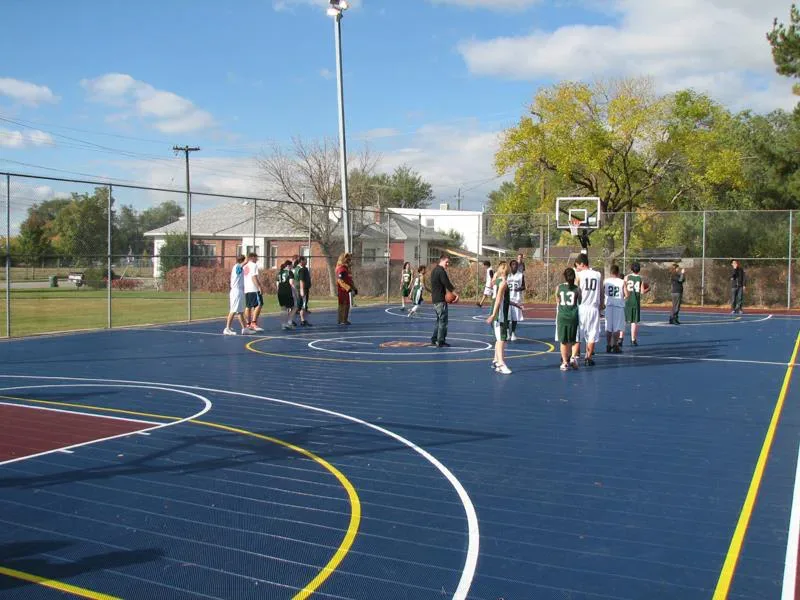
A school court is used every day by hundreds of students, in sun, rain, and heat. A community center court faces the same wear, plus families and weekend leagues. The wrong sports surface materials can lead to cracks, slippery spots, and repair bills within a few years. The right ones give you a safe, good-looking space that lasts for many years. This guide shows you how to pick a sport court supplier, step by step. You will learn how to compare acrylic court surfaces, silicone PU flooring, and modular tiles, which safety standards to ask about, and which court maintenance costs to plan for before you sign anything at all.
Key Takeaways
- Start with your users and sports, not with a price list.
- Ask for test reports, samples, and project references before you accept a quote.
- Compare the full cost over ten years, not only the first invoice.
- Choose a sport court supplier that gives clear installation guidance and answers questions after the sale.
- For play areas, check the critical fall height rating of the surface against the height of the equipment.
Why the Supplier Matters More Than the Price Tag
Most people think a court is just a flat, colored space. In reality it is a layered system: a base, one or more coating or cushion layers, and a top surface with the right grip. If any layer is weak, the whole court suffers. The company that makes and sells those layers has a direct effect on how long your court lasts and how safe it feels.
A dependable sport court supplier does more than ship buckets of material. It helps you pick the right system for the sport, explains how the layers work together, and gives clear steps for installation. That help matters most for schools and community centers, because these buyers often do not have a full-time sports facility engineer on staff.
Price still counts when you compare each sport court supplier, of course. Public budgets are tight. But the cheapest quote often leaves out things like base preparation advice, sample testing, or after-sales support. Those gaps show up later as peeling paint, puddles, or faded lines.
Know Your Project Before You Call Anyone
A good supplier will ask you questions. You will get better answers if you already know your own situation. Write down these three things first.
Which Sports and How Many Users
A basketball court that serves four school teams is very different from a multi-use court that hosts basketball, pickleball, volleyball, and PE classes all day. More users and more sports mean more wear, more line markings, and more need for a surface that can handle sliding and sudden stops.
Indoor or Outdoor
Outdoor courts face sun, rain, and temperature swings. They need a surface that resists UV rays and drains water well. Indoor courts care more about shock absorption, ball bounce, and floor friction. Maple hardwood and PVC sports flooring are common indoors, while acrylic and silicone PU systems are common outdoors.
Budget and Site Condition
Look at the ground under your court. A new concrete or asphalt pad is the best start. An old, cracked pad needs repair first, and that cost belongs in your budget. Ask each supplier how they would treat an old base. Their answer tells you a lot about their experience.
Sport Court Surfaces Compared
Every surface has strong points and trade-offs. The table below gives a quick view, followed by short notes on each option.
| Surface type | Best for | Feel underfoot | Typical recoat cycle | Main trade-off |
| Hard acrylic | Outdoor tennis, basketball, pickleball | Firm | About 4 to 8 years | Harder on joints |
| Cushioned acrylic | Schools, senior programs, daily PE | Softer | Top color coats about 4 to 8 years | Higher first cost |
| Silicone PU | Basketball, multi-sport courts | Smooth, springy | Depends on use and climate | Needs correct base and install |
| PP interlocking tiles | Quick installs, multi-use, temporary spaces | Light give | Replace damaged tiles as needed | Tile joints and edge care |
| Maple hardwood or PVC | Indoor gyms and halls | Cushioned, consistent | Periodic refinishing or cleaning | Indoor use only |
| EPDM rubber | Play areas and kids’ tracks | Soft | Check wear and bonding yearly | Thickness must match fall height |
Recoat ranges above come from court builders and tennis bodies. Several court contractors and sports venue guides give 4 to 8 years for acrylic color coats, while some club maintenance guides allow up to 10 years between full resurfacing jobs. Your climate and traffic will move that number up or down.
Hard Acrylic
Hard acrylic is the most common outdoor choice. Tennis Australia’s court guidance says acrylic surfaces generally need the least regular maintenance of all court types. It is a good fit when budget is tight and the court will be used for tennis, pickleball, or casual basketball.
Cushioned Acrylic
Cushioned acrylic adds shock-absorbing layers between the base and the color coats. Court builders note that the cushion layers stay effective for years, and only the top color coats need to be redone on the usual cycle. For schools where students play on the court for hours, the softer feel can reduce stress on knees and ankles.
Silicone PU
Silicone PU is a popular pick for basketball and multi-sport courts. It has a smooth, slightly springy feel and strong color retention when installed on a well-prepared base. Water-based versions are often chosen when a school wants a lower-odor product during installation. Ask the supplier for sample panels so you can see texture and color in your own light.
PP Interlocking Tiles
Plastic tiles click together and can be laid over a flat, solid base. They suit community centers that want a fast build or a court that may move later. Ask about tile thickness, edge pieces, and how the tiles handle heat, since poor tile quality can warp.
Maple Hardwood and PVC Flooring
For gyms and indoor halls, maple hardwood is the classic choice for basketball and volleyball. PVC sports flooring is a popular alternative that comes in many colors and is easier to clean. Both need a dry, well-ventilated space.
EPDM Rubber for Play Areas
EPDM granules bonded into a rubber layer are common for kindergarten tracks and playground zones. The key rule here is thickness. The thicker the layer, the higher the fall height it can usually protect against, as long as it has been tested.
Safety Standards You Should Ask About
Safety is where a careful buyer stands out. If your project includes a playground or a play zone, ask the supplier about ASTM F1292. This standard sets a test method for how well a surface absorbs impact under play equipment, and it reports a number called critical height.
Critical height is the highest fall from which a life-threatening head injury would not be expected. The US Consumer Product Safety Commission’s Public Playground Safety Handbook uses fall height and critical height together. In simple words, the surface must have a critical height rating equal to or greater than the fall height of the equipment above it.
Here are a few facts that help you ask better questions:
- Manufacturers and installers are expected to provide critical height ratings for their surface products, while owners are responsible for installing surfacing that meets the fall height of the equipment.
- The ASTM F1292 lab test is done on dry material. The standard itself notes that lab results do not account for wear, compaction, loss of thickness, or water.
- Field testing of an installed surface is possible, and some bids require it before the area opens to children.
- The CPSC handbook lists concrete as an unsuitable playground surface.
So do not only ask, “Is your surface safe?” Ask, “What is the tested critical height at the thickness you are quoting, and can I see the report?” A trustworthy supplier will answer without hesitation.
Seven Questions to Ask Every Sport Court Supplier
Use this list when you speak with each sport court supplier on your shortlist. Write the answers down so you can compare them side by side.
- Do you make the materials yourself, or resell them? Makers can usually explain formulas, adjust thickness or color, and fix material problems at the source.
- Can you send samples? Test color, texture, and grip before ordering a full container.
- What test reports and standards apply? Ask for documents, not promises.
- What base conditions do you require? Slope, drainage, and curing time all affect the final result.
- Do you offer installation guidance? Clear written steps or an on-site engineer can save a school thousands in rework.
- Which projects can I call or visit? Look for courts that have been in use for several years, not only new photos.
- What does after-sales support look like? Ask who answers when a problem appears in year three.
Warning Signs to Watch For
You do not need to be an expert to spot trouble. Be careful if a sport court supplier:
- Gives a price without asking about your base, sport, or climate.
- Cannot share test reports or past project details.
- Promises that a court will never need maintenance.
- Pushes you to decide the same day.
- Avoids questions about what is included and what is extra.
Think in Ten-Year Costs
A court is a long-term asset. Here is a simple way to compare quotes. Add up the first installation cost, then add the likely recoating, cleaning, crack repair, and line repainting over ten years.
| Cost item | How often | Why it matters |
| Installation | Once | Includes base repair, layers, and line marking |
| Cleaning | Often, as needed | Removes dirt and leaves that cause slips and stains |
| Crack repair | When found | Small repairs stop bigger damage later |
| Color recoat | About every 4 to 8 years | Restores color, texture, and grip |
| Full resurfacing | About every 8 to 12 years in some guides | Depends on base quality and traffic |
One Australian state tennis body publishes a maintenance guide that lists yearly inspection, regular cleaning, and periodic resurfacing as the normal rhythm for acrylic courts. Schools can copy that idea: pick one off-season week each year for a court check, and put the recoat date on the facilities calendar.
Case Study: What Published Project Feedback Shows
Real project feedback is one of the best ways to judge a supplier. Lisheng Sports, a Guangzhou-based maker of sports surface materials founded in 2016, publishes client comments on its website. These are company-published statements and should be treated as starting points for your own reference calls, but they show the kind of detail worth asking any sport court supplier for.
- A university track in China. Jiangxi University of Foreign Languages reports that it chose plastic track materials more than ten years ago. The supplier created a custom formula based on the school’s ground conditions and gave construction guidance. The school says the track has been in use for ten years and the color has held up.
- Pickleball courts in Vietnam. A buyer in Vietnam says he first met the company at the Canton Fair, received acrylic samples, and later saw engineers travel to Ho Chi Minh City to test the product with his technical team. He reports buying three containers and building many pickleball courts with the materials.
- A basketball court in Ghana. A client reports comparing several options and choosing water-based silicone PU. He credits clear usage instructions and maintenance guidance, and says wear resistance has been strong.
What can a school or community center learn from this? Three things. First, samples and joint testing build trust before a big order. Second, guidance during installation is as important as the material itself. Third, long-term use is the real proof, so ask for projects that have been playing for years. The company also states that it has installed over one million square meters of track and that about 70 percent of those projects have been in service for more than eight years. As with any claim, ask to speak with a few of those clients.
A Simple Step-by-Step Buying Plan
- List your needs. Sports, number of users, indoor or outdoor, and your rough budget.
- Check the base. Have a local contractor review slope, cracks, and drainage.
- Shortlist three sport court suppliers. Choose companies that make their own materials or can show clear production control.
- Request samples and documents. Compare color, grip, and test reports.
- Call two references each. Ask about installation, weather, and support after the sale.
- Compare ten-year costs. Use the table above as a template.
- Plan installation timing. Most outdoor coatings need dry weather and proper curing time, so book work for a stable season.
- Set a maintenance calendar. Put the first inspection and recoat dates in writing.
Final Thoughts
Choosing a sport court supplier is less about finding the lowest number and more about finding a partner who understands your project. Know your sports and users, pick a surface that fits your climate and budget, check safety standards where children play, and compare costs over ten years. Ask for samples, reports, and references, and give extra weight to suppliers who offer real installation guidance and after-sales help. Do that, and your school or community center will have a court that stays safe, bright, and ready for play for many seasons.
Frequently Asked Questions
How long does an acrylic sport court surface last?
Most guides from court builders and tennis bodies say the color coats need renewing about every 4 to 8 years, depending on use, sun, and climate. With good base preparation and regular care, the court itself can serve well beyond ten years.
What is the best surface for a school basketball court?
Cushioned acrylic and silicone PU are common choices outdoors, while maple hardwood or PVC flooring suit indoor gyms. The best option depends on your climate, how many hours the court is used, and your budget.
Why does ASTM F1292 matter for playgrounds?
ASTM F1292 is a test method that rates how well a surface absorbs impact. The result is a critical height, which should be equal to or greater than the fall height of the play equipment above it.
Should I choose a manufacturer or a reseller as my sport court supplier?
Both can work, but a manufacturer can usually explain formulas, adjust products to your needs, and respond to material questions directly. Whichever you choose, ask for samples, test reports, and references.
How do I compare quotes from different suppliers?
Check that each quote covers the same area, layers, thickness, and base work. Then add expected maintenance costs over ten years. A low first price can cost more in the long run if recoating or repairs come early.