Why Is My Car Making a Clicking Noise? Causes & Fixes 2026
Why is my car making a clicking noise, and should you be worried about it? A clicking sound can pop up in very different situations, from turning the key to cruising down the highway, and each scenario usually points to a different problem.
The good news is that clicking noises are almost always diagnosable once you know what to listen for.
Why Is My Car Making a Clicking Noise?
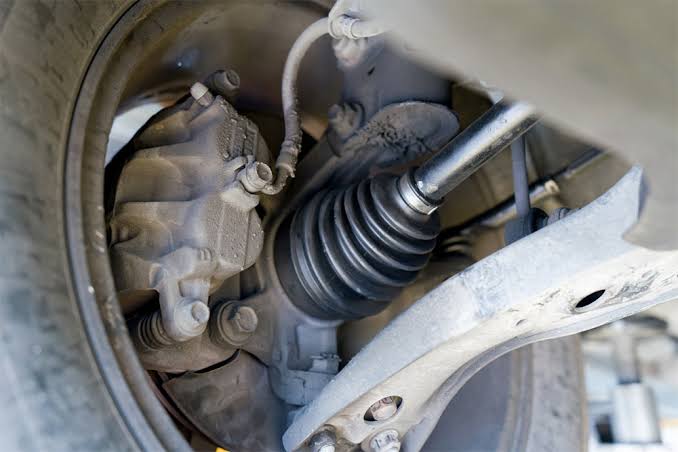
A clicking noise in your car usually comes from one of three situations. It can happen when starting the engine, while driving, or when turning the steering wheel.
Starting-related clicks often point to a dead battery, faulty starter, or bad relay. Clicks while driving or turning are more often linked to low engine oil, a worn CV axle, loose brake pads, or a damaged wheel cover.
Key Takeaways
- The timing of the click, starting, driving, braking, or turning, is the biggest clue to the cause.
- A rapid clicking sound at startup usually means a weak or dead battery.
- A single loud click at startup often points to a faulty starter or starter relay.
- Clicking during turns is a classic sign of a worn CV axle or joint.
- Ignoring a clicking noise can turn a small, cheap fix into a major repair.
Why the Timing of the Click Matters
Not all clicking noises come from the same part of the car. Identifying exactly when the sound happens is the fastest way to narrow down the cause.
Clicks when turning the key point toward the electrical or starting system. Clicks while driving usually come from the engine, suspension, or drivetrain instead.
Clicks specifically during turns almost always trace back to the CV axles near the front wheels. Clicks during braking typically point to worn or loose brake components.
Clicking Noise When Starting the Car
This is one of the most common and most stressful clicking scenarios, especially when you are trying to leave for work.
Rapid Clicking Sound
A fast, repeated clicking noise when you turn the key is the classic sign of a weak or dead battery. The starter is not receiving enough power to fully engage, so it rapidly turns on and off instead.
Single Loud Click
One loud click, even after a successful jump start, usually points to a faulty starter motor or starter relay. This is an electrical or mechanical fault rather than a power supply issue.
Faint Single Click
A very weak, faint click can indicate a severely drained battery that cannot deliver enough current to engage the starter at all. This often requires a jump start or full battery replacement.
Corroded or Loose Battery Terminals
Corrosion or loose connections at the battery terminals can prevent power from reaching the starter properly. Cleaning the terminals or tightening the connections sometimes resolves the issue immediately.
Starting Noise Causes at a Glance
| Sound Pattern | Likely Cause | Next Step |
|---|---|---|
| Rapid clicking | Weak or dead battery | Jump start or test battery |
| Single loud click | Faulty starter or relay | Have starter system tested |
| Faint single click | Severely drained battery | Jump start, consider replacement |
| No sound at all | Blown fuse or major electrical fault | Professional diagnosis needed |
Clicking Noise While Driving
A clicking sound that happens once the car is already moving points to a different set of possible causes.
Low or Dirty Engine Oil
Engine oil lubricates the moving metal parts inside the engine. When oil runs low or becomes contaminated, those parts can tap and grind against each other, producing a clicking or ticking sound.
Worn Valve Train Components
Lifters, cam followers, or pushrods that are worn or under-lubricated can create a steady clicking or tapping noise. This often changes pitch or speed along with engine RPM.
Loose Timing Chain
A loose timing chain can produce a rhythmic clicking sound that matches the engine’s speed. This issue tends to worsen over time if left unaddressed.
Exhaust Leak Near the Manifold
A small leak near the exhaust manifold can cause a ticking or clicking sound as metal expands and contracts with heat. This noise is often more noticeable right after starting the engine.
Loose Wheel Cover
A loose hubcap or wheel cover can spin slightly and bump against other components as the wheel turns. This is a minor, inexpensive fix compared to most other causes.
Clicking Noise When Turning
This specific pattern has a much narrower list of likely causes than general driving noise.
Worn CV Axle or Joint
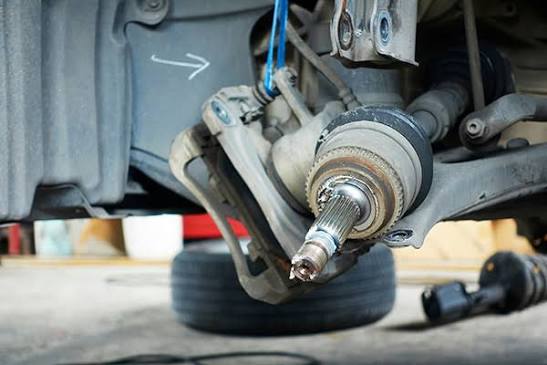
A clicking sound that appears specifically when turning is a hallmark sign of a worn CV axle. The constant velocity joint allows the wheels to move while receiving power from the transmission.
Torn CV Axle Boot
The rubber boot covering the CV joint keeps grease sealed in and dirt out. Once it tears, grease leaks out and the joint runs dry, producing a distinct clicking sound during turns.
Clicking Noise When Braking
A clicking sound tied specifically to braking usually points toward the brake components themselves.
Loose Brake Pads
A loose or worn brake pad can shift slightly and click against the caliper or rotor. This is often accompanied by squealing or grinding as the pad wears further.
Worn Brake Hardware
Clips, shims, or other small brake hardware pieces can loosen over time and rattle or click during braking. A brake inspection can usually identify this quickly.
Comparing Common Clicking Sounds
| Scenario | Common Cause | Urgency |
|---|---|---|
| Rapid clicking at startup | Weak or dead battery | Moderate, address soon |
| Single loud click at startup | Faulty starter or relay | Moderate, address soon |
| Clicking while driving | Low oil, valve train, exhaust leak | Moderate to high |
| Clicking when turning | Worn CV axle or joint | High, can worsen quickly |
| Clicking when braking | Loose brake pad or hardware | High, safety related |
How to Check for the Source Yourself
A few basic checks can help you narrow down the cause before calling a mechanic.
Step 1: Note Exactly When the Click Happens
Pay attention to whether the sound occurs at startup, while driving straight, when turning, or when braking. This single detail dramatically narrows down the likely cause.
Step 2: Check the Engine Oil Level
Pop the hood and check the oil dipstick for both level and color. Low or dark, gritty oil can point directly to a lubrication-related clicking noise.
Step 3: Inspect the Battery Terminals
Look for corrosion or looseness around the battery terminals. Clean, tighten, or replace as needed if you notice buildup or a loose connection.
Step 4: Listen During a Slow Turn
In a safe, open area, turn the steering wheel slowly at low speed and listen for clicking. A sound that appears only during turns strongly suggests a CV axle issue.
Step 5: Check the Wheels and Brake Pads
If it is safe to do so, visually inspect the wheel covers and brake pads for looseness or wear. Uneven or thin brake pads are usually visible without removing the wheel.
When to See a Mechanic Immediately
Certain clicking noises should not wait, since they can signal safety issues or rapidly worsening damage.
- Clicking when turning, since a failing CV axle can eventually fail completely
- Clicking during braking, since it may involve worn safety components
- Any clicking paired with a burning smell or smoke
- Clicking combined with a warning light on the dashboard
- Clicking that gets noticeably louder or more frequent over a short time
Mistakes to Avoid
Avoid these common missteps when dealing with a clicking car noise.
- Do not ignore a new clicking sound, hoping it will go away on its own.
- Do not keep driving with a suspected CV axle click, since it can fail suddenly.
- Do not attempt battery or electrical repairs without proper safety gear.
- Do not assume every clicking noise is minor without checking the pattern.
- Do not delay an oil check if the clicking started around the time of your last oil change interval.
Expert Tip
Mechanics often note that the click does not come from the battery itself, only from the starter or relay. Knowing this distinction helps you describe the problem accurately when calling for service or requesting a diagnosis.
How Mechanics Diagnose a Clicking Noise
A professional diagnosis usually starts with a conversation about when the noise happens, followed by a hands-on inspection. This combination narrows down the cause far faster than guesswork alone.
Listening Test
A technician will often recreate the conditions where you hear the click, whether that means starting the car, driving it, or turning the wheel. Reproducing the sound is the fastest way to confirm the source.
Battery and Electrical Testing
A voltmeter or battery load tester checks whether the battery is holding an adequate charge. This also helps rule out or confirm issues with the alternator, which keeps the battery charged while driving.
Visual Inspection Under the Vehicle
Mechanics inspect CV axle boots, brake components, and exhaust connections for visible wear, tears, or looseness. Many clicking causes are identifiable simply by looking closely at the affected part.
Oil and Fluid Checks
Checking oil level, color, and consistency helps confirm or rule out lubrication-related engine noise. This is often one of the first and simplest checks performed.
Clicking Noise by Vehicle Location
Understanding roughly where the sound is coming from can help you communicate more clearly with a mechanic.
| Location of Sound | Likely System Involved |
|---|---|
| Under the hood at startup | Battery, starter, or relay |
| Engine bay while driving | Oil lubrication, valve train, exhaust |
| Front wheels during turns | CV axles or joints |
| Near the wheels while braking | Brake pads or hardware |
| Wheel area, constant light tapping | Loose wheel cover or hubcap |
Preventing Common Causes of Clicking Noises
Routine maintenance can catch many of these issues before they turn into a clicking noise at all.
- Check engine oil level and condition regularly, and change it on schedule.
- Have your battery tested annually, especially before extreme heat or cold seasons.
- Inspect CV axle boots periodically for cracks or tears.
- Address brake pad wear before it reaches the point of clicking or squealing.
- Tighten or replace loose wheel covers as soon as you notice movement.
DIY Fix vs Professional Repair
| Cause | DIY Friendly | Recommended Approach |
|---|---|---|
| Weak battery | Yes | Jump start, then test or replace |
| Corroded terminals | Yes | Clean and tighten connections |
| Loose wheel cover | Yes | Tighten or replace cover |
| Low engine oil | Yes | Top up or schedule an oil change |
| Faulty starter or relay | No | Professional testing and replacement |
| Worn CV axle | No | Professional inspection and replacement |
| Brake pad or hardware issue | No | Professional brake inspection |
DIY Fix vs Professional Repair
| Cause | DIY Friendly | Recommended Approach |
|---|---|---|
| Weak battery | Yes | Jump start, then test or replace |
| Corroded terminals | Yes | Clean and tighten connections |
| Loose wheel cover | Yes | Tighten or replace cover |
| Low engine oil | Yes | Top up or schedule an oil change |
| Faulty starter or relay | No | Professional testing and replacement |
| Worn CV axle | No | Professional inspection and replacement |
| Brake pad or hardware issue | No | Professional brake inspection |
What Happens if You Ignore a Clicking Noise
Clicking sounds rarely fix themselves, and delaying attention often turns a minor issue into a costly repair. A torn CV axle boot, for example, starts as a simple part replacement.
Left unaddressed, the exposed joint runs dry and wears down, eventually requiring replacement of the entire axle assembly instead. Loose brake hardware follows a similar pattern, since continued wear can affect braking performance and safety.
Addressing a clicking noise as soon as you notice it is almost always the cheaper and safer path forward.
Frequently Asked Questions (FAQs)
Why is my car making a clicking noise when I try to start it?
A rapid clicking noise usually points to a weak or dead battery. A single loud click more often points to a faulty starter motor or relay.
Why does my car click only when I turn?
Clicking specifically during turns is a classic sign of a worn or damaged CV axle. The joint often runs dry after its protective rubber boot tears.
Is it safe to keep driving with a clicking sound?
It depends on the cause, but clicking during turns or braking should not be ignored. These patterns often point to safety-related components that can fail without warning.
Can low engine oil cause a clicking sound?
Yes, low or dirty engine oil can cause metal parts to tap and grind against each other. This often produces a ticking or clicking sound while driving.
What does a single loud click mean when starting my car?
A single loud click, especially after a failed jump start, typically points to a faulty starter motor or starter relay. This is different from the rapid clicking caused by a weak battery.
How much does it cost to fix a clicking CV axle?
Costs vary by vehicle and location, but replacing a CV axle is a common and well-understood repair. A mechanic can provide an accurate estimate after inspection.
Can a loose wheel cover cause a clicking noise?
Yes, a loose hubcap or wheel cover can spin slightly and click against nearby components. This is usually one of the least expensive causes to fix.
Why does my car click when I brake?
Clicking during braking often points to a loose brake pad or worn brake hardware. A brake inspection can confirm the exact cause.
Does a clicking noise always mean a serious problem?
Not always, since causes range from a loose wheel cover to a failing CV axle. The timing and pattern of the click are the best clues to how serious it is.
When should I take my car to a mechanic for a clicking noise?
Take your car in immediately if the clicking happens when turning or braking, or if it comes with a warning light or burning smell. Less urgent clicks, like at startup, should still be checked soon.
Conclusion
A clicking noise in your car can come from several very different sources, but the timing of the sound almost always points you in the right direction.
Startup clicks usually trace back to the battery or starter, while driving and turning clicks more often involve oil, the exhaust, or the CV axles.
Paying attention to when the click happens, and pairing that with a quick visual check, can help you understand the urgency before you even reach a mechanic.
Clicking during turns or braking deserves prompt attention, since these patterns are tied to safety-related components.
Addressing a clicking noise early almost always means a simpler, cheaper repair than waiting until the problem grows worse.