
Why Do My Eyes Burn When I Cry? Causes & Relief 2026

Why do my eyes burn when I cry? In most cases, it’s simply the natural chemistry of your tears. Emotional tears contain more salt, proteins, and stress hormones than the tears that normally keep your eyes moist, and that unique mix can sting.
It can feel strange, since tears are supposed to soothe and protect your eyes. But the burning sensation is usually harmless and fades once the crying stops and your eyes return to their normal tear balance.
Sometimes, though, the burn points to something more, like dry eye, allergies, or an eyelid condition called blepharitis.
Why Do My Eyes Burn When I Cry? Understanding Your Tears First

Your eyes actually produce three distinct types of tears, and each one has a different job and a different chemical makeup.
Basal tears are always present, quietly lubricating and protecting your cornea throughout the day.
Reflex tears appear suddenly to flush out irritants like smoke, dust, or onion fumes, and they carry extra antibodies to fight bacteria.
Emotional tears are triggered by feelings like sadness, stress, or joy, and they contain higher levels of hormones and proteins than the other two types.
Knowing which type of tear is at play can help explain why the burning sensation varies from one crying episode to the next.
Who Is Most Likely to Experience Burning Tears?
People with pre-existing dry eye disease often notice stronger burning during crying, since their tear film is already unstable.
Contact lens wearers can be more prone to burning, especially if lenses trap irritants or dry out during emotional crying.
Anyone with seasonal allergies is more likely to experience intensified burning during allergy season, especially when crying adds extra tear volume.
People who wear heavy eye makeup or use fragranced skincare products near the eyes also face a higher risk of irritation while crying.
Why Emotional Tears Feel Different
Emotional tears aren’t just water; they carry a more concentrated mix of salt, stress hormones, and proteins compared to basal tears.
This unique composition is thought to be one of the biggest reasons emotional crying can leave your eyes feeling raw or stinging afterward.
Researchers believe this may even serve a biological purpose, helping the body release stress-related chemicals through tears.
Some studies suggest this stress-hormone release is part of why people often feel calmer after a good cry, despite the temporary discomfort.
The Tear Film and Why It Matters
Healthy eyes rely on a three-layer tear film that keeps the surface smooth, moist, and protected.
The outer oily layer, made by the meibomian glands, prevents tears from evaporating too quickly.
The middle watery layer delivers moisture and nutrients, while the inner mucin layer helps tears spread evenly across the eye.
When any of these layers is out of balance, crying can expose that imbalance and trigger a burning sensation.
Even a small disruption to one layer can throw off the entire tear film, since all three work together to protect the eye’s surface.
Common Causes of Burning Eyes When Crying
Burning eyes during or after crying usually traces back to one of several well-known causes.
Below are the most common triggers, starting with the most frequent ones.
Natural Tear Composition
As mentioned, emotional tears carry more salt and protein than everyday tears, which can cause mild stinging on their own.
This is the most common and least concerning reason your eyes burn after a good cry.
Reflex Tears From Irritants
Exposure to smoke, dust, fragrances, or soap can trigger reflex tears designed to wash the irritant away.
These reflex tears often come with a stronger burning sensation than emotional tears, since they’re actively flushing out something harmful.
Once the irritant is removed, the burning typically fades fairly quickly.
Sweat Mixing With Tears
Sweat is mostly water and salt, and when it drips into your eyes, that added salt can intensify the sting of crying.
Sweat can also carry other irritants along with it, like sunscreen, moisturizer, or makeup residue.
Dry Eye Disease
Dry eye occurs when your eyes don’t produce enough quality tears, or when tears evaporate too fast to keep the surface comfortable.
Ironically, dry eyes often trigger excess tear production as the body tries to compensate, but these tears frequently lack the oily layer needed for real relief.
Crying can make dry eye symptoms more noticeable since it disrupts an already unstable tear film.
Blepharitis (Eyelid Inflammation)
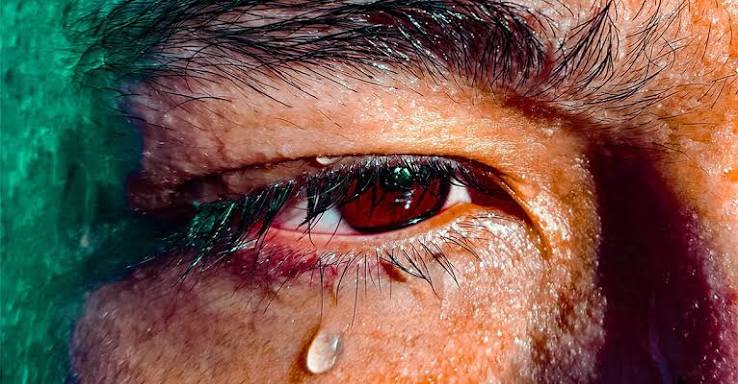
Blepharitis is inflammation of the eyelids, often caused by bacterial buildup or clogged oil glands along the lash line.
It commonly causes redness, crusting, and irritation, all of which can make crying feel especially uncomfortable.
People with naturally oily skin or rosacea are more prone to developing blepharitis.
Allergies
Seasonal or environmental allergies trigger the release of histamine, a chemical that can cause intense burning and itching in the eyes.
Crying while your eyes are already inflamed from allergies often intensifies the stinging sensation significantly.
Dehydration
When you’re dehydrated, your body has less water available overall, which can make your tears saltier and more likely to sting.
Staying well hydrated supports a healthier tear balance, even during emotional crying.
Makeup and Skincare Products
Mascara, eyeliner, and facial creams can migrate into your eyes during crying, especially as tears wash down your face.
These products often contain fragrances or chemicals that weren’t designed for direct eye contact, leading to irritation.
Chronic Crying Episodes
Extended or repeated crying sessions can overwhelm your eyes’ natural tear balance, leading to a cycle where every new tear feels like it stings more.
This happens because your eyes keep producing watery tears without enough time to restore the protective oily layer in between.
Causes at a Glance
| Cause | Typical Trigger | Usual Relief Time |
|---|---|---|
| Natural tear composition | Emotional crying | Minutes after crying stops |
| Reflex tears | Smoke, dust, soap, fumes | Fades once irritant is removed |
| Sweat mixing with tears | Exercise, heat, sweating | Clears after washing face |
| Dry eye disease | Reduced or poor-quality tears | Ongoing until treated |
| Blepharitis | Bacterial buildup, clogged glands | Improves with lid hygiene |
| Allergies | Pollen, dust, pet dander | Improves with antihistamines |
| Dehydration | Low fluid intake | Improves with hydration |
| Makeup/skincare products | Cosmetics washing into eyes | Clears after rinsing |
| Chronic crying | Extended emotional episodes | Settles as tear film recovers |
Signs It’s More Than Just Emotional Tears
Occasional mild burning after crying is normal and usually nothing to worry about.
But certain signs suggest an underlying condition rather than simple tear chemistry.
These include burning that lingers for hours after crying stops, along with redness, crusting, or swelling around the eyelids.
Persistent dryness, blurry vision, or a gritty feeling even when you’re not crying can also point to dry eye or blepharitis.
When Burning Eyes Signal an Eye Condition
If burning happens every single time you cry, regardless of the trigger, it’s worth mentioning to an eye doctor.
Frequent styes, crusty eyelashes, or ongoing redness are common signs of blepharitis that need targeted treatment.
Watery eyes combined with itching and sneezing point toward allergies rather than a purely emotional response.
When to See an Eye Doctor
See an eye doctor if burning is severe, doesn’t improve after a few hours, or happens with every crying episode.
You should also seek care if you notice vision changes, significant swelling, discharge, or eye pain unrelated to crying.
An eye exam can confirm whether dry eye, blepharitis, or allergies are behind the discomfort so you can get targeted treatment.
How Eye Burning Is Diagnosed
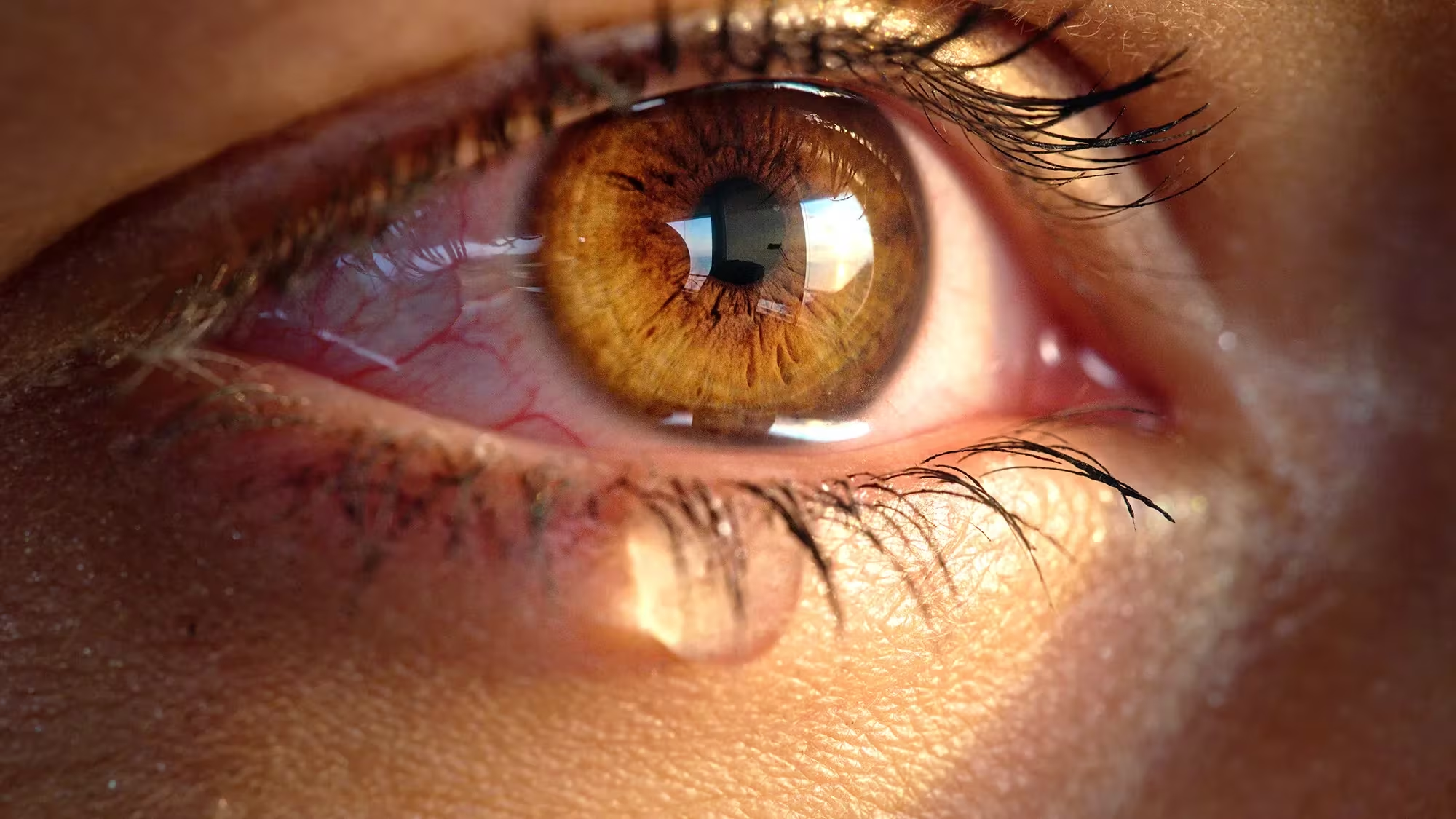
An eye doctor typically starts with a visual exam of your eyelids, lashes, and the surface of your eyes.
A tear film evaluation can measure tear quantity and quality, helping confirm or rule out dry eye disease.
Allergy testing may be recommended if your doctor suspects environmental or seasonal allergies are contributing to the burning.
In some cases, a sample from the eyelid margin may be examined to check for bacterial involvement in blepharitis.
Relief Tips for Burning Eyes
Most cases of burning eyes after crying respond well to simple, at-home relief methods.
Rinse With Cool Water
Splashing cool water on your closed eyes can help dilute salt residue and calm irritation after crying.
Avoid rubbing your eyes, since this can worsen irritation and introduce more bacteria to the area.
Use a Cold Compress
A cold, damp washcloth placed gently over closed eyes can reduce puffiness and soothe the burning sensation.
Leave it in place for 10 to 15 minutes for the best calming effect.
Try Preservative-Free Artificial Tears
Artificial tears can help restore a healthy tear film, especially if dry eye is contributing to the burning.
Preservative-free formulas are gentler for frequent use and less likely to cause additional irritation.
Stay Hydrated
Drinking enough water throughout the day supports better tear quality and reduces the chances of overly salty, irritating tears.
Aim for consistent hydration rather than large amounts all at once.
Practice Eyelid Hygiene
Gently cleaning your eyelids with a warm compress and mild cleanser can help prevent blepharitis-related burning.
This is especially helpful if you notice crusting or flaking around your lash line.
Remove Makeup Before Crying Episodes (When Possible)
If you know an emotional moment is coming, removing eye makeup in advance can prevent it from washing into your eyes.
Keeping makeup remover wipes nearby can help if this isn’t practical in the moment.
Manage Allergies
Over-the-counter antihistamines or allergy eye drops can reduce histamine-related burning during allergy season.
Avoiding known allergy triggers, like heavy pollen days, also helps reduce eye sensitivity overall.
Avoid Touching or Rubbing Your Eyes
Rubbing spreads irritants further across the eye surface and can introduce bacteria, worsening burning and increasing infection risk.
Pat the area gently with a clean tissue instead.
Table: Relief Options Matched to Cause
| Cause | Recommended Relief |
|---|---|
| Natural tear composition | Cool water rinse, cold compress |
| Reflex tears / irritants | Remove irritant, rinse eyes |
| Sweat-related burning | Wash face, avoid rubbing |
| Dry eye disease | Preservative-free artificial tears |
| Blepharitis | Warm compress, eyelid hygiene |
| Allergies | Antihistamines, allergy eye drops |
| Dehydration | Increase water intake |
| Makeup irritation | Remove makeup, rinse gently |
Lifestyle Habits for Healthier Eyes
Eating a diet rich in Omega-3 fatty acids supports the oily layer of your tear film and may reduce dry eye symptoms.
Limiting screen time and taking regular breaks reduces overall eye strain, which can make burning sensations feel worse.
Using a humidifier in dry indoor environments helps prevent tears from evaporating too quickly.
Getting enough sleep supports your eyes’ natural recovery process and reduces general irritation and sensitivity.
Can Stress Make Eye Burning Worse?
Yes, emotional stress increases the release of stress hormones that show up in your tears, potentially intensifying the burning sensation.
Chronic stress can also disrupt sleep and hydration habits, indirectly worsening tear quality over time.
Managing stress through relaxation techniques may help reduce how intensely your eyes react during emotional crying.
Common Myths About Burning Eyes When Crying
Myth: burning tears always mean something is medically wrong. In reality, mild burning from emotional tears is completely normal.
Myth: rubbing your eyes helps relieve the burning faster. Rubbing usually makes irritation worse and can introduce bacteria.
Myth: only allergy sufferers experience burning tears. Anyone can experience burning tears due to sweat, dehydration, or tear composition alone.
Myth: burning eyes always require medication. Many cases improve with simple hydration, hygiene, and avoiding known irritants.
Frequently Asked Questions (FAQs)
1. Why do my eyes burn every time I cry?
It’s often the natural salt and protein content in emotional tears. If it happens every time, consider an eye exam.
2. Is it normal for tears to sting?
Yes, mild stinging from emotional or reflex tears is common and usually resolves shortly after crying stops.
3. Can dehydration cause burning eyes when crying?
Yes, dehydration can make tears saltier and more irritating, intensifying the burning sensation.
4. Can allergies cause my eyes to burn when I cry?
Yes, allergies trigger histamine release, which can combine with tears to cause stronger burning and itching.
5. What is blepharitis and how does it relate to burning eyes?
Blepharitis is eyelid inflammation from clogged glands or bacteria, often making crying feel more painful.
6. How can I stop my eyes from burning after crying?
Rinse with cool water, use a cold compress, and avoid rubbing your eyes to ease the burning faster.
7. Are artificial tears helpful for burning eyes?
Yes, preservative-free artificial tears can restore a healthy tear film and reduce dryness-related burning.
8. Can makeup cause burning eyes when I cry?
Yes, mascara and other cosmetics can wash into your eyes with tears, causing irritation and stinging.
9. When should I see a doctor about burning eyes?
See a doctor if burning is severe, persistent, or comes with redness, swelling, or vision changes.
10. Does stress make burning eyes worse?
Yes, stress hormones present in emotional tears can intensify the burning sensation during crying.
Conclusion
Burning eyes after crying are usually nothing to worry about. Emotional tears simply carry more salt, hormones, and protein than the tears that normally keep your eyes moist, and that difference is often enough to cause a temporary sting.
Sometimes, though, the burning points to something more, like dry eye disease, blepharitis, allergies, or dehydration. Paying attention to how often it happens, and whether it comes with redness, crusting, or lingering discomfort, can help you tell the difference between a normal reaction and something worth treating.
Simple habits like staying hydrated, practicing good eyelid hygiene, and using preservative-free artificial tears can bring quick relief in most cases. If the burning is severe, persistent, or happens every time you cry, don’t hesitate to see an eye doctor. A quick exam can pinpoint the cause and get your eyes back to feeling comfortable again.


