Why Do My Toenails Smell? How to Stop the Odor 2026

Why do my toenails smell is a question far more people search for than actually talk about out loud. That musty, sometimes cheese-like odor coming from under your nails can feel embarrassing, but it is more common than most people realize.
In most cases, the smell traces back to fungus, bacteria, or trapped debris living in the warm, damp space under the nail. The good news is that once you understand the actual cause, the odor is very manageable at home or with simple medical treatment.
What Causes Toenail Odor?
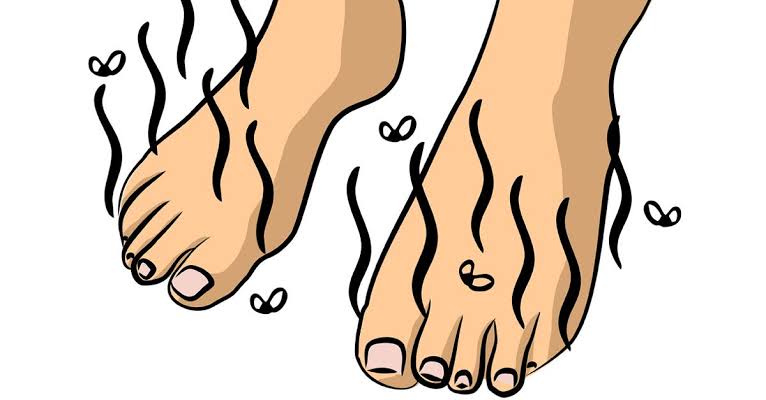
The medical term for foul-smelling feet and toenails is bromodosis. It describes odor caused by bacteria and fungi breaking down sweat, skin cells, and keratin in warm, enclosed spaces.
Shoes and socks create the perfect environment for this to happen. Heat, moisture, and darkness allow bacteria and fungus to multiply quickly under and around the nail.
Once these organisms settle in, they release compounds with a strong, unpleasant smell. This explains why the odor often gets stronger the longer feet stay inside closed shoes.
Top Reasons Your Toenails Smell
Several different issues can produce toenail odor, and more than one can be happening at once. Here is a quick overview before looking at each cause individually.
| Cause | Typical Smell Description |
|---|---|
| Fungal nail infection | Musty, sometimes sour smell |
| Bacterial infection | Sharp, unpleasant odor |
| Keratin debris buildup | Mild, stale smell |
| Sweat and trapped moisture | Damp, sour odor |
| Brevibacterium bacteria | Strong cheese-like smell |
| Poor hygiene | General foul odor |
| Non-breathable footwear | Intensifies any existing odor |
Fungal Nail Infection (Onychomycosis)
Fungal infections are one of the leading causes of smelly toenails. The fungus breaks down keratin, the protein that makes up your nail, releasing byproducts that smell unpleasant.
Infected nails often look thickened, discolored, or crumbly in addition to smelling bad. The odor frequently becomes stronger right after trimming, since cutting releases trapped fungal debris.
Bacterial Infection Under the Nail
Bacteria thrive in the same warm, moist space that fungus prefers. When bacteria multiply under or around the nail, they release volatile compounds responsible for a sharp, unpleasant smell.
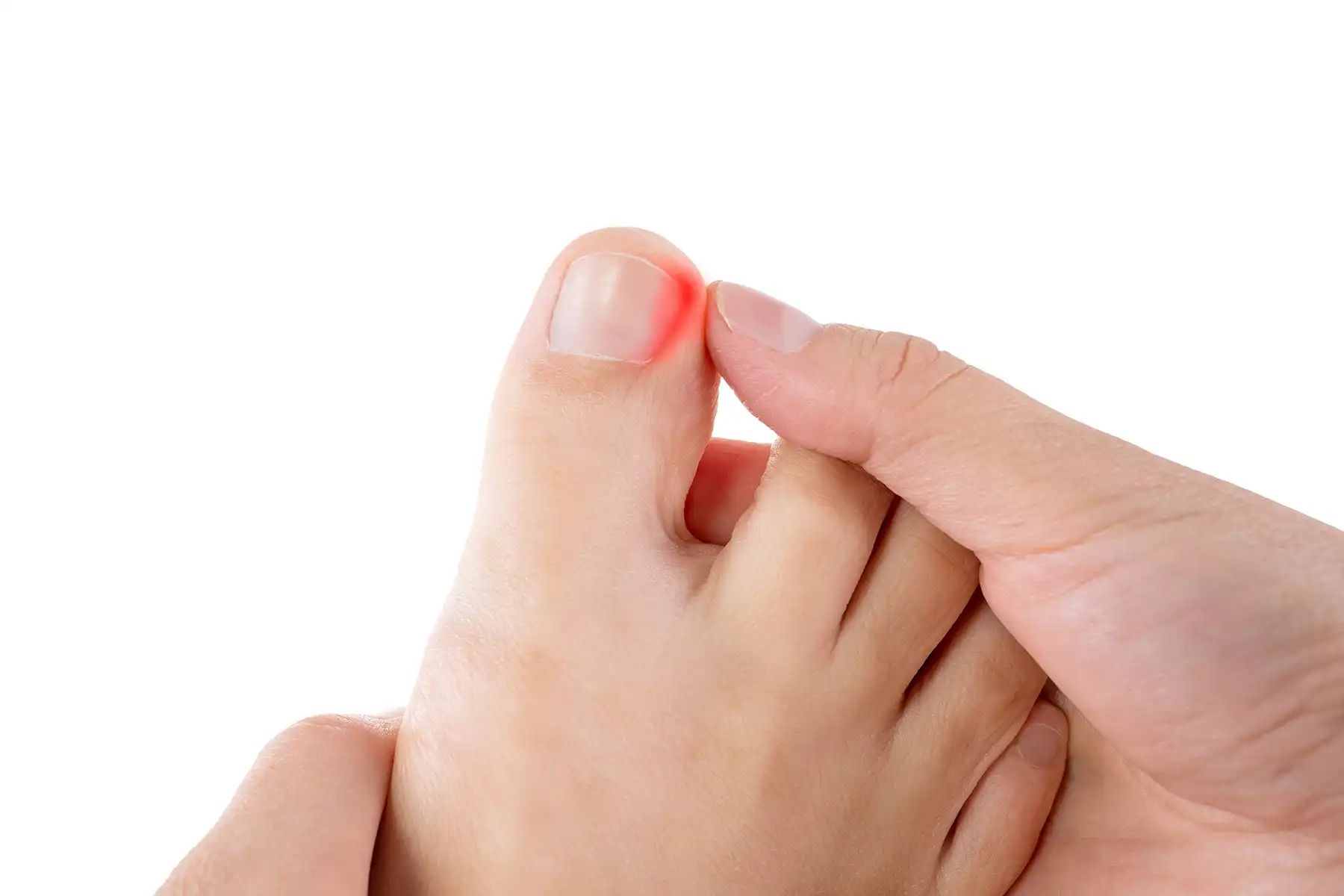
Redness, swelling, or slight drainage can accompany a bacterial infection. This is different from fungal infections, which usually show discoloration and thickening instead of inflammation.
Keratin Debris and Dead Skin Buildup
Dead skin cells, cuticle fragments, and sock fibers can collect underneath the toenail over time. As this debris breaks down, it produces a mild but noticeable odor.
This buildup does not always mean infection is present. Regular cleaning and trimming often resolves odor caused by debris alone.
Sweat and Trapped Moisture
Feet contain more sweat glands per square inch than almost any other part of the body. When that sweat gets trapped inside shoes and socks, it creates a damp environment that intensifies odor.
Conditions like hyperhidrosis, which causes excessive sweating, can make this problem worse. People with hyperhidrosis often notice stronger foot and toenail odor even with good hygiene habits.
Brevibacterium and the Cheese-Like Smell
A specific bacteria called Brevibacterium is responsible for the cheese-like smell some people notice from their toenails. This same bacteria is used in the cheese-making process for strong-smelling cheeses like Limburger.
Brevibacterium thrives in the same dark, warm, moist conditions as fungus. This is why cheese-like odor and fungal infections often appear together.
Poor Foot Hygiene
Infrequent washing, skipping thorough drying, or rarely changing socks all contribute to odor buildup. Bacteria and fungus multiply faster when feet stay dirty or damp for long periods.
This cause is the easiest to fix, often within just a few days of improved routine. Consistent hygiene habits prevent most mild cases of toenail odor from developing further.
Non-Breathable Shoes and Socks
Synthetic materials that trap heat and moisture make any existing odor much worse. Shoes made from non-breathable materials keep feet damp for longer after sweating.
Switching to breathable materials does not cure an infection on its own. It does, however, significantly reduce how quickly odor-causing bacteria and fungus can multiply.
Fungal vs Bacterial vs Hygiene-Related Odor
Since the causes often overlap, this comparison table helps you narrow down what is likely happening with your nails.
| Sign | Fungal Infection | Bacterial Infection | Hygiene-Related |
|---|---|---|---|
| Nail color | Yellow, brown, or white | Usually normal | Usually normal |
| Nail texture | Thick, brittle, crumbly | Normal texture | Normal texture |
| Swelling or redness | Rare | Common | Rare |
| Smell intensity | Strong, worsens over time | Sharp, sudden | Mild, comes and goes |
| Responds to washing alone | No | No | Yes |
If washing and drying alone does not reduce the smell within a week or two, an infection is more likely responsible. Persistent odor combined with nail changes is a stronger signal than smell by itself.
Warning Signs Your Toenail Smell Needs Medical Attention
Most toenail odor is manageable, but certain signs suggest it is time to see a professional rather than continue home care alone.
Thickened or Crumbly Nails
A nail that has become noticeably thicker, more brittle, or crumbly usually indicates a fungal infection has progressed. Home remedies alone are less effective once the nail structure has changed this much.
Discoloration That Spreads
Yellow, brown, or white patches that grow larger over time point to an active, worsening infection. Catching this early makes treatment faster and more effective.
Redness, Swelling, or Drainage
These symptoms suggest a bacterial infection rather than a purely fungal or hygiene-related issue. Drainage in particular should be evaluated by a healthcare provider promptly.
Pain Around the Nail
Discomfort, throbbing, or sensitivity around the nail bed is not typical of simple odor buildup. Pain combined with smell usually means an infection needs targeted treatment.
How to Stop Toenail Odor Fast
If you need quick relief before deeper treatment, several simple steps can noticeably reduce the smell within days.
Wash and Dry Thoroughly
Wash feet daily with soap and warm water, paying close attention to the area under and around the toenails. Dry completely, especially between the toes, since leftover moisture feeds bacteria and fungus.
Trim Nails Properly
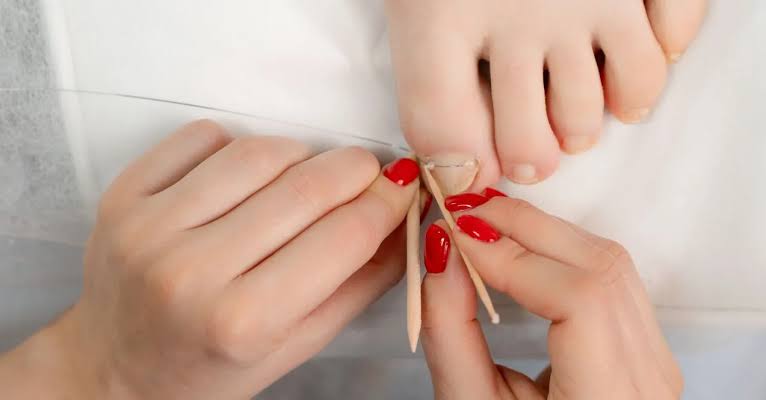
Keep nails trimmed straight across and filed smooth to prevent debris buildup underneath. Always sanitize clippers before and after use to avoid spreading infection.
Change Socks Daily
Wearing the same socks for multiple days traps sweat and bacteria against the skin and nails. Changing socks at least once daily, more often if feet sweat heavily, helps control odor quickly.
Use Antifungal Powder or Spray
Over-the-counter antifungal powders and sprays can reduce surface bacteria and fungus inside shoes. These work best as a preventive step alongside proper hygiene, not as a standalone cure for existing infections.
Step-by-Step Daily Foot Hygiene Routine
Building a consistent daily routine prevents most cases of toenail odor from developing in the first place.
| Step | Action |
|---|---|
| 1 | Wash feet with soap and warm water daily |
| 2 | Dry thoroughly between toes and under nails |
| 3 | Trim nails straight across and file smooth |
| 4 | Apply antifungal powder if feet sweat heavily |
| 5 | Put on clean, moisture-wicking socks |
| 6 | Rotate shoes to allow full drying between wears |
Following this routine consistently, even for just two weeks, often produces a noticeable improvement. Skipping steps like drying between toes is one of the most common reasons odor returns.
Home Remedies for Smelly Toenails
Several natural remedies can help manage mild odor, especially when combined with good hygiene habits.
Vinegar Soaks
Soaking feet in a mixture of warm water and white vinegar helps create an environment less friendly to bacteria and fungus. A 15 to 20 minute soak two to three times a week is a common starting point.
Tea Tree Oil Application
Tea tree oil has natural antibacterial and antifungal properties that some people use on affected nails. It should always be diluted with a carrier oil before applying directly to skin or nails.
Baking Soda Soaks
Baking soda can help neutralize odor and create a less acidic environment on the skin’s surface. Adding a few tablespoons to warm water for a foot soak is a simple, low-cost option.
Epsom Salt Soaks
Epsom salt soaks can help with overall foot hygiene and mild odor, though evidence for fungal treatment specifically is limited. Many people use this as a relaxing addition to a broader hygiene routine.
Medical Treatments for Fungal Toenail Odor
When home remedies are not enough, several medical treatment options exist depending on the severity of the infection.
Topical Antifungal Treatments
Medicated nail lacquers and creams can treat mild to moderate fungal infections over several months. These treatments work by slowly penetrating the nail to reach the fungus underneath.
Oral Antifungal Medication
For more severe or stubborn infections, doctors may prescribe oral antifungal medication. These treatments work from the inside and often show faster results than topical options alone.
Laser Therapy
Laser treatments target fungus beneath the nail without the need for oral medication. This option has grown more popular for people looking to avoid potential medication side effects.
Professional Nail Trimming and Debridement
In cases with thick, damaged nails, a podiatrist may need to trim and clean the nail to allow topical treatments to work properly. This step is often necessary before other treatments can be fully effective.
How to Prevent Toenail Smell From Returning
Once odor is under control, a few ongoing habits keep it from coming back.
Rotate Shoes Regularly
Wearing the same pair of shoes every day does not give them time to fully dry between uses. Rotating between at least two pairs allows moisture and odor to clear before the next wear.
Choose Breathable Materials
Shoes and socks made from breathable, moisture-wicking materials reduce how much sweat gets trapped against the skin. This single change can meaningfully lower the risk of recurring odor.
Disinfect Nail Tools Regularly
Clippers and files can harbor fungus and bacteria if not cleaned between uses. Disinfecting tools with alcohol after each use prevents reinfection.
Avoid Sharing Personal Footwear Items
Sharing socks, shoes, or nail tools increases the risk of spreading fungal or bacterial infections between people. This is especially important in households where one person has an active infection.
Best Socks and Shoe Choices for Odor Prevention
Material choice plays a bigger role in odor prevention than most people expect.
| Material | Odor Prevention Level |
|---|---|
| Cotton socks | Moderate, absorbs but retains moisture |
| Moisture-wicking synthetic blends | High, pulls moisture away from skin |
| Wool blend socks | High, naturally odor-resistant |
| Leather shoes | Moderate, breathable but slower drying |
| Synthetic non-breathable shoes | Low, traps heat and moisture |
Choosing moisture-wicking socks paired with breathable shoes offers the strongest odor prevention combination. This pairing keeps feet noticeably drier throughout the day compared to cotton and synthetic combinations.
When to See a Podiatrist
While many cases of toenail odor improve with home care, certain situations call for professional evaluation.
Odor Persists Despite Good Hygiene
If daily washing, drying, and clean socks do not reduce the smell within two weeks, an underlying infection is likely. A podiatrist can confirm the cause with a simple examination or lab test.
Nail Changes Are Progressing
Thickening, crumbling, or spreading discoloration that continues to worsen needs professional treatment. Waiting too long can make fungal infections harder to fully clear.
You Have Diabetes or Circulation Issues
People with diabetes or poor circulation should seek professional care for any foot or nail infection promptly. These conditions increase the risk of complications from untreated infections.
Who Is Most at Risk for Smelly Toenails
Certain groups experience toenail odor and fungal infections more frequently than others. Understanding these risk factors can help explain why the problem develops for some people and not others.
| Risk Factor | Why It Increases Risk |
|---|---|
| Excessive sweating (hyperhidrosis) | Creates constant moisture around the nail |
| Frequent gym or pool use | Increases exposure to fungal spores |
| Diabetes | Reduces circulation and immune response in feet |
| Older age | Nails grow slower and repair less efficiently |
| Wearing closed shoes for long hours | Traps heat and moisture throughout the day |
| Previous fungal infection | Higher chance of recurrence without prevention |
People who fall into multiple categories on this list often see odor return more quickly without consistent prevention habits. Recognizing your personal risk factors makes it easier to stay ahead of the problem.
Athletes and Frequent Gym-Goers
Locker rooms, showers, and pool decks are common places where fungal spores spread between people. Wearing sandals in these shared spaces significantly lowers the risk of picking up an infection.
People With Diabetes
Reduced circulation and slower healing make foot infections more likely and potentially more serious for people with diabetes. Regular foot checks are especially important for catching early signs of infection.
Older Adults
As nails age, they often become thicker and grow more slowly, making them more vulnerable to fungal invasion. This is part of why toenail fungus becomes more common later in life.
Common Myths About Toenail Odor
A few persistent myths make it harder for people to correctly identify and treat toenail odor. Clearing these up helps set realistic expectations for treatment.
Myth: Toenail Smell Always Means Poor Hygiene
While hygiene plays a role, fungal and bacterial infections can occur even with regular washing. Blaming hygiene alone can delay proper treatment for an underlying infection.
Myth: Nail Polish Hides and Solves the Problem
Nail polish can trap moisture underneath, potentially making fungal growth worse rather than better. It masks the smell temporarily without addressing the actual cause.
Myth: Toenail Fungus Clears Up on Its Own
Fungal infections rarely resolve without some form of treatment, since the fungus continues feeding on the nail. Waiting it out usually allows the infection to spread further.
Myth: Only Older Adults Get Smelly Toenail Fungus
While more common with age, fungal infections and odor can affect people of any age, especially athletes and those with sweaty feet. Assuming it only affects older individuals can delay younger people from seeking treatment.
Diet and Lifestyle Factors That Influence Foot Odor
While hygiene and footwear play the biggest role, a few lifestyle factors can also influence how much feet and toenails sweat and smell.
Stress Levels
Higher stress can increase sweat gland activity throughout the body, including the feet. Managing stress through regular exercise or relaxation techniques may indirectly reduce excessive sweating.
Hydration and Diet
Some people report that spicy foods or excessive caffeine intake can temporarily increase overall body sweat. Staying well hydrated supports healthy skin, though diet alone will not resolve an existing infection.
Standing for Long Periods
Jobs or activities that involve standing for extended hours can increase foot sweating throughout the day. Taking breaks to remove shoes and allow feet to air out when possible can help reduce moisture buildup.
Frequently Asked Questions (FAQs)
Why do my toenails smell like cheese?
This is usually caused by a bacteria called Brevibacterium, the same bacteria used in cheese-making. It thrives in warm, damp conditions similar to those that support fungal growth.
Can toenail odor go away with just washing?
Mild, hygiene-related odor often improves with consistent washing and drying. Odor caused by fungal or bacterial infection usually requires additional treatment.
Is smelly toenail odor a sign of infection?
It can be, especially if paired with discoloration, thickening, or crumbling nails. Odor alone without nail changes is more often linked to hygiene or sweat.
How long does it take to get rid of toenail fungus smell?
Mild cases may improve within a few weeks of consistent care. Fungal infections often take several months of treatment to fully clear.
Do antifungal sprays actually stop toenail odor?
They help manage surface bacteria and fungus but rarely reach infection under the nail. They work best as prevention alongside proper hygiene.
Can sweaty feet alone cause toenail smell without infection?
Yes, excessive sweating combined with trapped moisture can produce noticeable odor on its own. This is common in people with hyperhidrosis even without any infection present.
What home remedy works best for smelly toenails?
Vinegar soaks are one of the most commonly used and accessible home remedies. They help create an environment less favorable to bacteria and fungus.
Should I stop wearing shoes if my toenails smell?
You do not need to avoid shoes entirely, but rotating pairs helps them dry fully. Choosing breathable materials also reduces how quickly odor builds up.
Can toenail fungus spread to other nails?
Yes, fungal infections can spread to nearby nails, especially with shared tools or footwear. Treating the infection early helps prevent it from spreading further.
When should I see a doctor about smelly toenails?
See a doctor if the smell persists despite good hygiene or if nail changes appear. This is especially important for people with diabetes or circulation issues.
Conclusion
Why do my toenails smell usually comes down to fungus, bacteria, trapped moisture, or a combination of all three thriving in the warm space under your nail. Most mild cases respond well to consistent washing, drying, and clean socks within a couple of weeks.
When odor comes with thickening, discoloration, or crumbling nails, an infection is more likely and may need topical or oral antifungal treatment.
Home remedies like vinegar soaks can help manage mild symptoms, but persistent cases benefit from a podiatrist’s evaluation.
Heading into 2026, a simple daily foot care routine combined with breathable socks and shoes is the most reliable way to keep toenail odor from coming back. Taking action early, rather than waiting, makes treatment faster and far more effective in the long run.