Why Isn’t My Heat Working in My Car? Fix & Solutions 2026
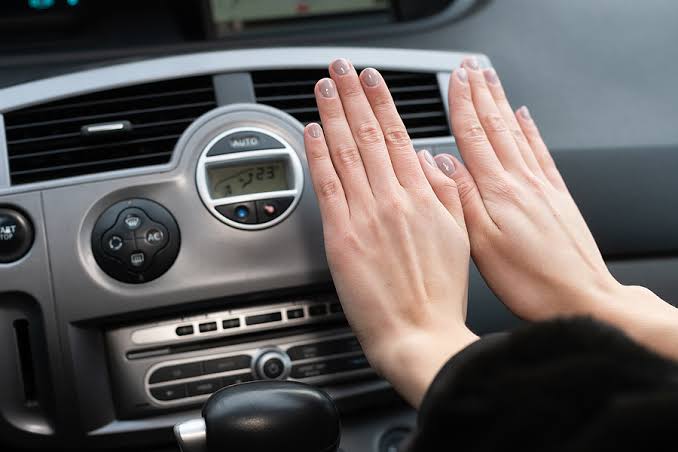
Why isn’t my heat working in my car is one of the most common questions drivers ask the moment cold weather hits.
A blast of cold air instead of warm comfort usually points to a handful of well-known culprits, ranging from low coolant to a failing blower motor.
The good news is that most causes are easy to identify once you know what to look for.
Why Isn’t My Heat Working in My Car? How Your Car’s Heating System Actually Works
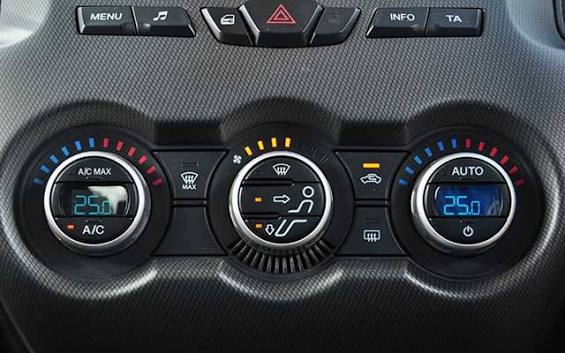
Your car heater doesn’t generate heat on its own. It borrows heat from your engine’s cooling system.
Hot coolant flows from the engine through the heater core, which works like a small radiator inside your dashboard.
A blower fan pushes air across the heater core and sends warm air into the cabin through your vents.
If any part of this chain breaks down, coolant flow, the heater core, the blower motor, or the controls, you’ll feel cold air instead of heat.
Quick Overview: Common Causes of No Heat in a Car
| Cause | How Common | Difficulty to Fix |
|---|---|---|
| Low coolant level | Very common | Easy (DIY) |
| Stuck thermostat | Common | Moderate |
| Clogged heater core | Common | Hard (Mechanic) |
| Faulty heater control valve | Occasional | Moderate |
| Blower motor failure | Common | Moderate |
| Bad blower motor resistor | Occasional | Moderate |
| Air pocket in cooling system | Common | Easy (DIY) |
| Clogged cabin air filter | Common | Easy (DIY) |
| HVAC control or blend door issue | Occasional | Moderate to Hard |
| Blown fuse or wiring issue | Occasional | Easy (DIY) |
| Head gasket problem | Rare but serious | Hard (Mechanic) |
Low Coolant Level
Low coolant is the single most common reason a car heater stops blowing hot air.
Your heater relies on hot coolant to warm the air, so if the level drops, there simply isn’t enough heat to share.
Low coolant usually comes from a slow leak in a hose, the radiator, the coolant reservoir, or the water pump.
Check the coolant level when the engine is cool, top it off with the correct mixture, and watch for repeat leaks.
Stuck Thermostat
The thermostat controls when your engine reaches its normal operating temperature.
If it gets stuck in the open position, the engine may never get hot enough to send warm coolant to the heater core.
You’ll often notice the temperature gauge staying low or fluctuating strangely along with weak heat.
Thermostat replacement is inexpensive, though the labor can vary depending on where it’s located in your engine bay.
Clogged or Failing Heater Core
The heater core is essentially a mini radiator tucked inside your dashboard.
Over time, rust, scale, and debris can build up inside it, restricting coolant flow and reducing heat output.
A telltale sign of a failing heater core is a sweet smell inside the cabin, which usually means coolant is leaking internally.
A minor clog might be fixed with a coolant system flush, but a badly damaged core often needs full replacement.
Faulty Heater Control Valve
Some vehicles use a heater control valve to manage how much hot coolant flows into the heater core.
When this valve sticks closed or fails electronically, warm coolant never reaches the core even if everything else works fine.
This part isn’t found on every car, so it’s worth checking your owner’s manual or asking a technician.
Replacement is usually straightforward once a mechanic confirms the valve is the actual cause.
Blower Motor Problems
The blower motor is the fan responsible for physically pushing warm air through your vents.
If it fails completely, you may get no airflow at all, hot or cold, even if the rest of the system works.
Common causes include a blown fuse, worn-out motor brushes, or a wiring fault.
A mechanic can usually diagnose blower motor issues quickly with a simple electrical test.
Blower Motor Resistor Failure
The blower motor resistor controls your fan speed settings, from low to high.
When it fails, you might notice the fan only works on one speed, often just the highest setting.
This is a very common and relatively inexpensive part to replace on most vehicles.
If your fan speed selector isn’t behaving normally, this resistor is one of the first things to check.
Air Pockets in the Cooling System
Air pockets can form in the cooling system, especially after a coolant top-off, flush, or repair.
Trapped air prevents coolant from circulating properly, which can starve the heater core of the hot fluid it needs.
You may notice heat that comes and goes, or air that starts cool and only warms up briefly.
Bleeding the cooling system according to your owner’s manual usually resolves this issue on its own.
Clogged Cabin Air Filter
A dirty or clogged cabin air filter can restrict airflow through your entire HVAC system.
While it won’t stop heat generation, it can make the airflow feel weak or uneven from the vents.
This filter is usually located behind the glovebox and is one of the easiest parts to replace yourself.
Replacing it typically costs very little and takes only a few minutes with basic tools.
HVAC Control or Blend Door Issues
Your HVAC controls tell the system how much heat to blend with incoming air.
If the blend door actuator fails, either mechanically or electronically, the system may get stuck blowing only cold air.
You might hear a clicking or ticking noise from behind the dashboard when this component is failing.
Diagnosing blend door problems often requires a professional scan tool, especially on newer vehicles.
Blown Fuse or Electrical Wiring Issue
Sometimes the heating system itself is fine, but the electrical connection powering it isn’t.
A blown fuse can instantly cut power to the blower motor or control module, leaving you with no heat at all.
Check your fuse box using the diagram in your owner’s manual before assuming a bigger repair is needed.
If fuses keep blowing repeatedly, there may be a deeper wiring short that needs professional attention.
Head Gasket Problems
A failing head gasket is a more serious issue that can also affect your heater.
It can allow coolant to leak internally, drop coolant levels, and even introduce air into the cooling system.
Warning signs include white exhaust smoke, overheating, and a milky residue under the oil cap.
This repair should always be handled by a professional mechanic due to its complexity and cost.
Symptoms Table: Match Your Issue to the Likely Cause
| Symptom You Notice | Likely Cause |
|---|---|
| Cold air only, no warmth at all | Low coolant or heater core issue |
| Weak airflow but warm | Clogged cabin air filter |
| No airflow at any speed | Blower motor failure |
| Fan only works on high speed | Bad blower motor resistor |
| Heat comes and goes | Air pocket in cooling system |
| Sweet smell inside the car | Leaking heater core |
| Clicking noise from dashboard | Blend door actuator issue |
| Engine overheating with no heat | Thermostat or head gasket issue |
How to Diagnose a Car Heater Problem Step by Step
Start by checking your coolant level when the engine is completely cool.
Next, let the engine warm up fully and feel both heater core hoses; they should feel equally hot.
Test your blower fan at every speed setting to see if airflow changes correctly.
Finally, check your fuse box for any blown fuses related to the HVAC or blower system.
DIY Fixes vs Professional Repairs
Many car heater issues can be fixed at home with basic tools and a little patience.
Topping off coolant, replacing a cabin air filter, or swapping a fuse are all beginner-friendly tasks.
More complex repairs, like heater core replacement, thermostat swaps, or blend door actuator repair, are best left to a mechanic.
If you’re ever unsure, a quick diagnostic visit can save you time and prevent a small issue from becoming an expensive one.
Estimated Repair Cost Table
| Repair | Estimated Cost Range |
|---|---|
| Coolant top-off | $10 to $25 |
| Cabin air filter replacement | $30 to $60 |
| Thermostat replacement | $20 to $200 (parts and labor) |
| Blower motor resistor | $50 to $150 |
| Blower motor replacement | $150 to $400 |
| Heater core replacement | $500 to $1,000+ |
| Heater control valve replacement | $150 to $350 |
| Head gasket repair | $1,000 to $2,500+ |
Preventive Maintenance Tips to Avoid Heater Problems
Flush and replace your coolant according to your manufacturer’s recommended schedule.
Inspect hoses and belts regularly for cracks, softness, or visible wear.
Replace your cabin air filter every 12,000 to 15,000 miles or as recommended.
Address any coolant leaks immediately instead of simply topping off the fluid repeatedly.
When You Should See a Mechanic Right Away
If your engine temperature gauge is climbing toward the red zone, stop driving and get it checked immediately.
A sweet smell inside the cabin combined with foggy windows can signal a heater core leak that needs prompt attention.
Repeated fuse failures or strange electrical behavior should be diagnosed before they cause further damage.
Any sign of head gasket failure, like white smoke or milky oil, requires urgent professional evaluation.
Frequently Asked Questions (FAQs)
Why is my car heater blowing cold air suddenly?
This usually happens because of low coolant, an air pocket, or a stuck thermostat. Check coolant levels first before assuming a bigger repair is needed.
Can low coolant really stop my car heater from working?
Yes, coolant carries the heat your heater relies on. Without enough of it, there’s simply no warmth to circulate into the cabin.
How do I know if my heater core is bad?
Common signs include a sweet smell inside the car, foggy windows, and weak or lukewarm airflow. A mechanic can confirm it with a pressure test.
Is it safe to drive with no heat in winter?
It’s not dangerous mechanically, but reduced visibility from foggy windows can be unsafe. Get it checked as soon as possible for safety.
Why does my heater only work on the highest fan setting?
This points to a failing blower motor resistor. It’s an inexpensive part that’s usually quick for a mechanic to replace.
Can a clogged cabin air filter cause no heat?
It won’t stop heat generation, but it can weaken airflow significantly. Replacing the filter often improves comfort right away.
How much does it cost to fix a car heater?
Costs range from under $25 for a coolant top-off to over $1,000 for a heater core replacement. The price depends entirely on the root cause.
Why does my heat work sometimes but not always?
Inconsistent heat often points to an air pocket in the cooling system or a failing thermostat. Bleeding the system can sometimes resolve it.
Can I fix my car heater myself?
Simple fixes like coolant top-offs, fuse replacement, and cabin air filter swaps are DIY-friendly. Heater core or blend door repairs usually need a professional.
What does it mean if my heater smells sweet?
A sweet smell almost always indicates a coolant leak, often from the heater core. This should be inspected by a mechanic right away.
Conclusion
A car heater that suddenly stops working is almost always traceable to one of a few common culprits: low coolant, a stuck thermostat, a clogged heater core, a failing blower motor, or a simple blown fuse.
Most of these issues give off clear warning signs, from weak airflow to strange smells to inconsistent warmth, that can help you pinpoint the cause before you even visit a mechanic.
Simple problems like topping off coolant or swapping a cabin air filter are easy enough to handle yourself, while bigger repairs like heater core replacement are best left to a professional.
Staying on top of routine cooling system maintenance is the best way to avoid getting caught with cold air on a freezing morning.
If your heat still isn’t working after checking these common causes, it’s time to book a diagnostic appointment so the issue doesn’t turn into a bigger, more expensive repair down the road.