Why Do Dogs Scoot on Their Butt? Meaning & Treatment 2026
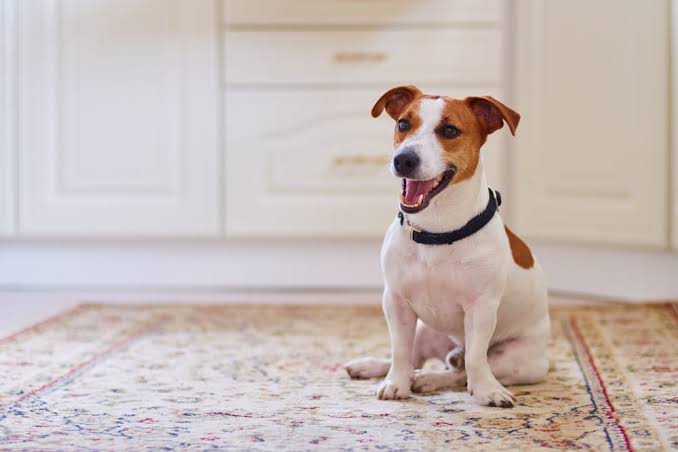
Why do dogs scoot on their butt? It’s one of the most common questions pet parents ask, and the short answer is discomfort.
Dragging the rear end across the floor can look funny, but it is almost always your dog’s way of telling you something itches, hurts, or feels blocked.
Full anal glands are the leading cause, though parasites, allergies, and infections can also be behind it. Some scooting is harmless and clears up on its own, while frequent scooting can point to a problem that needs veterinary attention.
What Does It Mean When a Dog Scoots on Their Butt?
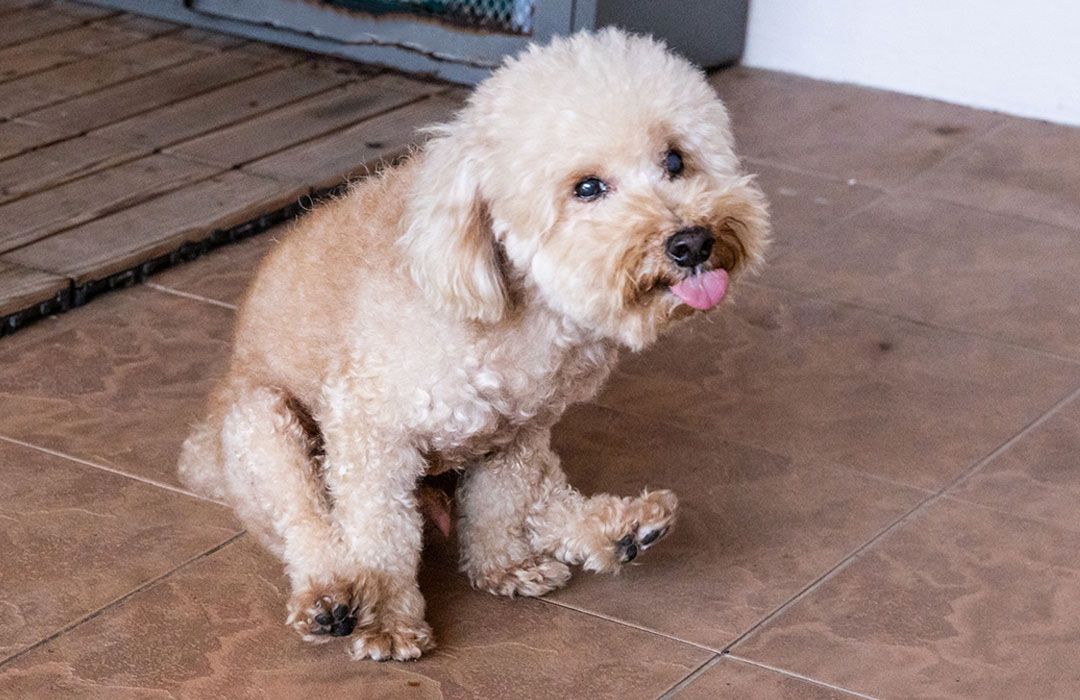
Scooting is the act of a dog dragging its bottom across the floor, carpet, or grass while sitting down and pushing with its front legs.
It’s an instinctive way for dogs to relieve an itch or pressure they can’t reach with their paws or mouth. In most cases, it signals irritation around the anus, tail base, or genital area.
Occasional scooting after a messy bowel movement is normal. Repeated scooting over several days usually means an underlying issue needs to be addressed.
Top Reasons Why Dogs Scoot on Their Butt
There isn’t just one cause of scooting. Vets group the common triggers into a handful of categories, ranging from mild to serious.
Below are the most frequent reasons dogs drag their rear ends, along with how each one typically presents.
Anal Gland Impaction
Every dog has two small anal glands near the 4 o’clock and 8 o’clock positions of the anus that release scent-marking fluid during bowel movements.
When these glands don’t empty properly, they become full, swollen, and uncomfortable, pushing your dog to scoot for relief.
A strong, fishy odor and visible swelling near the anus are the biggest giveaways of impacted anal glands.
Intestinal Parasites and Worms
Tapeworms and other intestinal parasites can cause intense itching around the anus as segments pass through during bowel movements.
Rice-like grains near the anus or in your dog’s bedding are a telltale sign of tapeworm infestation.
Regular deworming and fecal exams at the vet help catch and prevent parasite-related scooting early.
Food and Environmental Allergies
Allergic reactions to certain proteins, grains, or environmental triggers like pollen and dust mites often cause widespread itching, including around the rear end.
Dogs with allergies may also lick their paws, scratch their ears, or develop skin rashes alongside scooting.
Identifying and eliminating the allergen, often through a diet trial, is usually necessary to stop the behavior long term.
Diarrhea and Soft Stool
Soft or loose stool doesn’t provide enough pressure to naturally empty the anal glands during a bowel movement.
Over time, this can lead to gland buildup, irritation, and scooting, especially in dogs with chronic digestive issues.
Adding fiber or addressing the root cause of diarrhea often resolves this type of scooting.
Skin Fold Irritation and Obesity
Breeds with stocky bodies, loose skin, or corkscrew tails are prone to skin fold infections near the anus and tail base.
Overweight dogs also carry extra pressure and moisture in this region, which increases the risk of irritation and infection.
Keeping the area clean, dry, and well-groomed reduces the odds of fold-related scooting.
Urinary Tract Infections
Though less common, a urinary tract infection can cause burning and itching that prompts a dog, especially a female dog, to scoot.
Frequent urination, straining, or blood in the urine alongside scooting should prompt an immediate vet visit.
Rectal Prolapse
Rectal prolapse happens when part of the rectal tissue protrudes through the anus, often after straining from constipation or diarrhea.
This condition looks alarming, with visible pink tissue near the anus, and requires prompt veterinary treatment.
Scooting from a prolapse is usually accompanied by visible tissue rather than just odor or swelling.
Anal Sac Abscess or Infection
When impacted anal glands go untreated, they can become infected and form a painful abscess that may rupture on its own.
Signs include severe swelling, redness, discharge, and a foul smell near the anus.
An abscess always requires veterinary care, including drainage and antibiotics in most cases.
Anal Sac Disease: The Three Stages
Anal sac disease usually progresses through three recognizable stages, and catching it early makes treatment much simpler.
In stage one, the glands are mildly full but not yet painful. Regular emptying during bowel movements is usually enough to prevent problems.
In stage two, the glands become impacted and uncomfortable, causing noticeable scooting, licking, and a stronger odor than usual.
In stage three, the impaction turns into an infection or abscess, which can rupture through the skin if left untreated for too long.
Male vs Female Dogs: Does Scooting Differ?
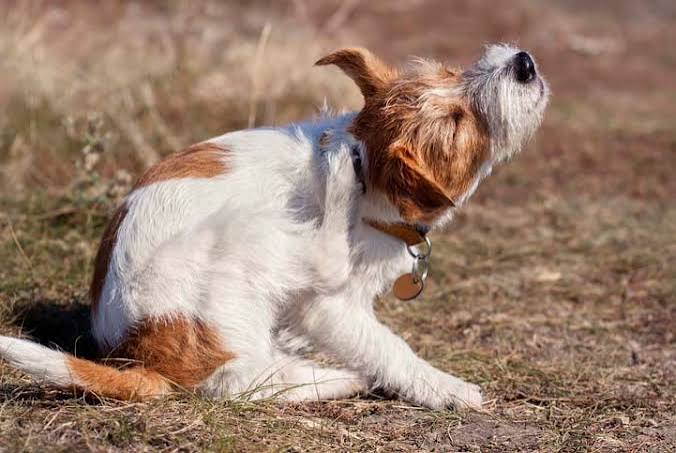
Both male and female dogs experience anal gland issues at roughly the same rate, since the glands are unrelated to reproductive anatomy.
Female dogs, however, are somewhat more prone to scooting linked to urinary tract infections or vaginal irritation.
Male dogs are slightly more likely to develop skin fold issues if they carry extra weight around the tail base.
Puppy Scooting: Is It Normal?
Puppies scoot for many of the same reasons as adult dogs, most commonly mild allergies or early anal gland sensitivity.
Occasional scooting in a puppy is usually harmless and doesn’t require treatment unless it becomes frequent or persistent.
If a puppy scoots daily, a vet visit is recommended to rule out parasites, which are common in young dogs.
Common Myths About Dog Scooting
Many pet owners believe scooting always means worms, but parasites are only one of several possible causes.
Another common myth is that scooting is purely behavioral or a sign of boredom, when in most cases it reflects genuine physical discomfort.
Some also assume only small dogs scoot, but larger breeds can develop the same gland, allergy, or skin issues that trigger the behavior.
Cost of Treating Dog Scooting
Treatment costs vary widely depending on the underlying cause and whether the issue is caught early or has progressed.
| Treatment | Approximate Cost Range |
|---|---|
| Manual gland expression | $20–$50 per visit |
| Deworming medication | $15–$40 |
| Antibiotics for infection | $30–$80 |
| Abscess drainage | $150–$400 |
| Anal sacculectomy surgery | $800–$1,500 |
Catching the issue early, through regular checkups and gland expression, is almost always cheaper than treating an advanced infection or abscess.
Groomer vs Veterinarian: Who Should Express the Glands?
Many groomers offer anal gland expression as part of a standard grooming package, and this works fine for straightforward, non-infected glands.
A veterinarian is the better choice if there’s any swelling, discharge, bleeding, or suspected infection near the anus.
Vets can also access deeper internal expression techniques and diagnose complications that a groomer isn’t trained to identify.
Long-Term Management for Dogs Prone to Scooting
Some dogs, particularly small and stocky breeds, need lifelong management to keep anal gland issues from recurring.
Scheduling gland expression every four to six weeks can prevent chronic impaction in dogs with a history of the problem.
Maintaining a consistent high-fiber diet and healthy body weight reduces the frequency and severity of flare-ups over time.
Routine monitoring for early signs, like mild odor or slight scooting, helps you address issues before they become painful infections.
Dog Scooting vs Other Rear-End Behaviors
Scooting is sometimes confused with other rear-end behaviors, like tail chasing, excessive licking, or sitting oddly.
Tail chasing is often more behavioral or compulsive, while scooting is a direct physical response to itching or pressure near the anus.
Excessive licking without scooting can still indicate the same underlying causes, including allergies, parasites, or gland issues, so it shouldn’t be ignored either.
Dog Breeds More Prone to Scooting
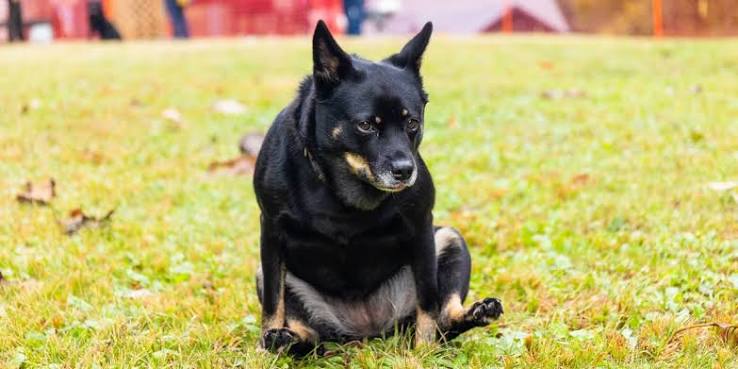
Certain breeds are more likely to scoot due to body shape, coat type, or genetic sensitivity to allergies and gland issues.
| Breed | Common Reason for Scooting |
|---|---|
| Chihuahua | Small anal glands that impact easily |
| Dachshund | Long body shape, gland sensitivity |
| Toy Poodle | Curly coat traps debris and fecal matter |
| Bulldog | Skin folds prone to irritation |
| Pug | Stocky build, skin fold infections |
| Cocker Spaniel | Allergy-prone skin and coat |
Small and stocky breeds tend to top this list, but any dog, regardless of size, can develop scooting at some point in its life.
Signs That Often Accompany Scooting
Scooting rarely happens in isolation. Watching for accompanying signs helps you and your vet pinpoint the exact cause faster.
Common signs include excessive licking or biting near the tail, a strong fishy odor, visible swelling or redness, and blood or discharge near the anus.
Behavioral changes like restlessness, reduced appetite, or reluctance to sit can also appear when the discomfort is significant.
When Should You Worry About Dog Scooting?
Occasional, one-off scooting after a messy stool is generally nothing to worry about and often resolves on its own.
Frequent scooting, however, especially combined with odor, swelling, bleeding, or visible tissue, is a clear signal to book a vet visit.
Waiting too long on gland or infection-related scooting can lead to abscesses, which are more painful and costly to treat.
How Vets Diagnose the Cause of Scooting
A veterinarian typically starts with a physical exam, checking the anal glands, skin folds, and surrounding tissue for swelling or infection.
Fecal tests are used to rule out intestinal parasites like tapeworms, roundworms, or hookworms.
In some cases, blood work or allergy testing is recommended if food or environmental allergies are suspected as the root cause.
Home Remedies for Dog Scooting
For mild, occasional scooting, a few simple home steps can bring quick relief without a vet visit.
Gently cleaning the rear end with a pet-safe wipe removes debris, dried stool, or irritants that might be causing discomfort.
Adding fiber to the diet, such as canned pumpkin, can firm up stool and support natural gland emptying.
Regular trimming of fur around the tail base helps prevent matting and buildup, especially in long-haired breeds.
Veterinary Treatment Options
If home care doesn’t resolve the scooting, a vet will recommend treatment based on the diagnosed cause.
| Cause | Typical Treatment |
|---|---|
| Impacted anal glands | Manual gland expression |
| Infected or abscessed glands | Antibiotics, drainage, warm compresses |
| Chronic gland issues | Anal sacculectomy (surgical removal) |
| Intestinal parasites | Deworming medication |
| Allergies | Dietary changes, antihistamines, medicated shampoo |
| Rectal prolapse | Manual repair or surgery |
Chronic cases that don’t respond to expression or medication may eventually require the surgical removal of the anal glands.
How to Express a Dog’s Anal Glands Safely
Anal gland expression is a delicate procedure best left to a vet or professional groomer, especially for first-time pet owners.
It involves applying gentle, controlled pressure near the 4 and 8 o’clock positions of the anus to release built-up fluid.
Attempting this at home without guidance can cause pain, tissue damage, or infection if done incorrectly.
How to Prevent Dog Scooting
Prevention largely comes down to diet, hygiene, and regular veterinary checkups that catch small issues before they escalate.
Feeding a high-fiber, balanced diet supports firm stool, which naturally helps empty the anal glands during bowel movements.
Routine grooming, especially trimming fur around the rear end, reduces the buildup of debris and moisture that leads to irritation.
Scheduling annual vet visits allows early detection of gland problems, parasites, or allergies before they cause chronic scooting.
Diet and Fiber Tips for Anal Gland Health
Diet plays a bigger role in anal gland health than most pet owners realize, since stool consistency directly affects gland emptying.
| Food or Supplement | Benefit |
|---|---|
| Canned pumpkin | Adds soluble fiber, firms stool |
| Psyllium husk | Supports regular bowel movements |
| High-fiber dog food | Reduces gland impaction risk |
| Probiotics | Improves overall digestive health |
| Omega-3 fatty acids | Supports skin and coat, reduces itching |
Introducing dietary changes gradually and consulting your vet first helps avoid digestive upset while improving long-term gland health.
Grooming Habits That Reduce Scooting
Regular hygiene around the rear end plays a major role in preventing irritation-related scooting, especially in long-haired breeds.
Trimming the fur around the anus keeps fecal matter from sticking and causing buildup that leads to itching.
Bathing with a gentle, dog-safe shampoo removes allergens, dirt, and residue that could otherwise irritate sensitive skin near the tail base.
Checking the area weekly for redness, swelling, or odor allows you to catch problems before they turn into a bigger issue.
Exercise, Weight, and Anal Gland Health
Maintaining a healthy weight reduces pressure on the anal glands and lowers the risk of chronic impaction.
Overweight dogs often carry extra fat around the tail base, which can compress the gland openings and prevent natural emptying.
Regular exercise supports healthy digestion and firmer stool, both of which help the glands empty properly during bowel movements.
What to Expect During a Vet Visit for Scooting
A typical vet visit starts with a physical exam of the anus, tail base, and surrounding skin for swelling or discharge.
The vet may manually express the anal glands to check the fluid’s color, consistency, and smell for signs of infection.
Depending on findings, a fecal test, skin scrape, or blood panel may follow to confirm the underlying cause.
Most appointments for scooting are quick, and many dogs feel noticeably more comfortable immediately after gland expression.
Warning Signs That Require Emergency Care
Certain symptoms alongside scooting mean you shouldn’t wait for a regular appointment and should seek care right away.
These include a large, painful swelling that ruptures, heavy bleeding, visible tissue protruding from the anus, or a dog that suddenly stops eating.
A rapidly worsening abscess can become a medical emergency, so same-day veterinary attention is always the safer choice in these cases.
Supplements and Products That Support Anal Gland Health
A number of vet-recommended products can help dogs prone to scooting stay comfortable between checkups.
| Product Type | Purpose |
|---|---|
| Fiber supplements | Firms stool for natural gland emptying |
| Medicated wipes | Cleans and soothes irritated skin |
| Anal gland supplements | Supports gland fluid consistency |
| Hypoallergenic shampoo | Reduces allergy-related skin irritation |
| Omega-3 chews | Supports skin health and reduces inflammation |
These products work best as part of a broader routine that includes diet, grooming, and regular veterinary monitoring.
Always check with your vet before adding a new supplement, especially if your dog has an existing health condition or is on medication.
Can Scooting Be Completely Prevented?
While scooting can’t always be prevented entirely, most cases are manageable with consistent diet, grooming, and vet care.
Dogs with a genetic predisposition, like small breeds with naturally small gland openings, may always be somewhat more prone to occasional flare-ups.
The goal isn’t necessarily zero scooting, but rather catching and managing the underlying cause before it turns into pain or infection.
Tracking Your Dog’s Scooting Pattern
Keeping a simple log of when scooting happens can help your vet spot patterns tied to diet, stool consistency, or seasonal allergies.
Note the date, how often it happens in a day, and any accompanying signs like odor, licking, or swelling.
This record makes vet visits more productive, since you can describe frequency and triggers instead of relying on memory alone.
Frequently Asked Questions (FAQs)
1. Why do dogs scoot on their butt occasionally?
Occasional scooting is often from mild irritation or leftover debris after a bowel movement. It usually resolves on its own within a day.
2. Is dog scooting always related to anal glands?
No, scooting can also stem from parasites, allergies, infections, or skin fold irritation. Anal glands are just the most common cause.
3. Can I express my dog’s anal glands at home?
It’s possible but risky without proper training. A vet or groomer can do it safely and prevent injury.
4. Does scooting mean my dog has worms?
It can, especially if you notice rice-like segments near the anus. A fecal test confirms parasite infection.
5. How often should anal glands be expressed?
Most dogs never need manual expression if glands empty naturally. Dogs prone to impaction may need it every few weeks.
6. Can diet really stop scooting?
Yes, a high-fiber diet firms stool and supports natural gland emptying, reducing the frequency of scooting episodes.
7. Is scooting more common in small dogs?
Yes, small and stocky breeds like Chihuahuas and Bulldogs are more prone due to gland size and skin folds.
8. When should I take my dog to the vet for scooting?
See a vet if scooting is frequent, or paired with odor, swelling, blood, or discharge near the anus.
9. Can scooting cause an infection if ignored?
Yes, untreated impacted glands can become infected and form a painful abscess that may rupture.
10. Are there breeds that never scoot?
No breed is completely immune, though large, lean dogs with efficient gland emptying scoot less frequently overall.
Conclusion
Scooting is your dog’s way of communicating discomfort, and understanding the cause is the first step toward relief.
Full anal glands remain the top culprit, but parasites, allergies, infections, and even urinary issues can trigger the same behavior.
Occasional scooting rarely needs intervention, while frequent episodes, odor, swelling, or bleeding call for prompt veterinary care.
Simple habits like feeding a fiber-rich diet, maintaining regular grooming, and scheduling routine checkups go a long way in preventing recurring problems.
If your dog is scooting more than usual, don’t dismiss it as a quirky habit. A quick vet visit can rule out serious issues, ease your dog’s discomfort, and keep those embarrassing living-room moments to a minimum.