Why Reusable Menstrual Cups Are Finally Going Mainstream
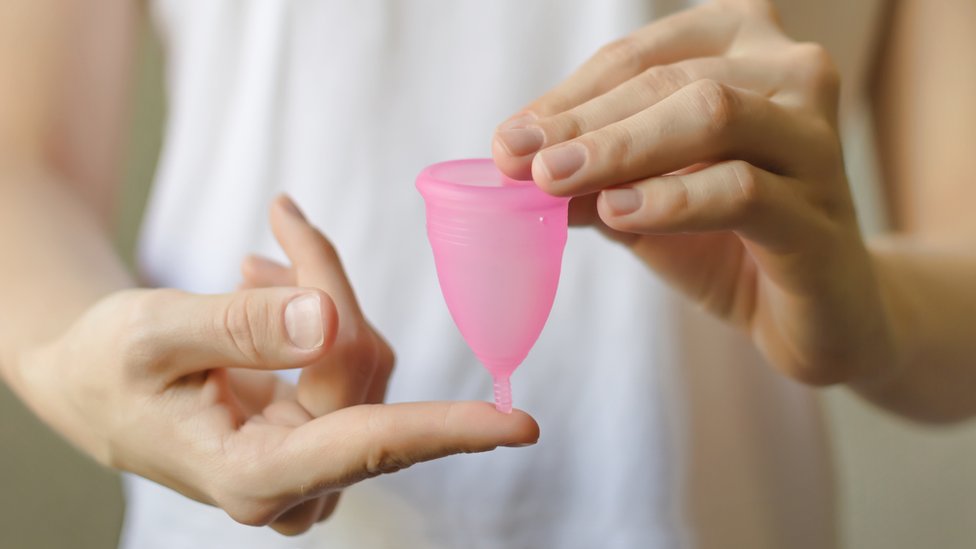
For decades, period care was a category with almost no meaningful innovation for the average consumer. Pads and tampons dominated, and most people used what their parents had used without much thought. That is changing. Reusable menstrual cups and discs have crossed over from wellness niche to genuine mainstream consideration, and the women making the switch are not doing it for one single reason. They are doing it because the case stacks up on multiple fronts at once.
What a Menstrual Cup Actually Does
The concept is straightforward. A menstrual cup is a small, flexible cup made from medical-grade silicone. Rather than absorbing fluid the way a tampon does, it collects it. You fold the cup, insert it, and it creates a gentle seal inside the vaginal canal. Depending on your flow, it can typically be worn for eight to twelve hours before needing to be emptied, rinsed, and reinserted.
Brands like Saalt have helped bring real quality to this category. Their reusable menstrual cups are made from soft medical-grade silicone and come in multiple sizes to suit different bodies, cervix heights, and flow levels. They also offer menstrual discs as an alternative format, which sit at the vaginal fornix rather than in the canal and suit people for whom the cup shape is not the right fit.
The Environmental Argument Is Compelling
The average person who menstruates uses an estimated 11,000 to 17,000 disposable period products in their lifetime. Most of those end up in landfill. Conventional pads and tampons frequently contain plastic, synthetic fibres, and components that do not biodegrade for centuries.
A single reusable cup, used consistently and cared for properly, can last several years. The lifetime waste reduction is significant by any measure. For anyone already making intentional choices about single-use plastics in other areas of their life, the period care category is a natural area to revisit.
The Financial Case Is Just As Strong
This is where the argument becomes particularly straightforward. A box of tampons costs roughly £3 to £5, and most people use several boxes per cycle. Across a full year, that adds up to somewhere between £60 and £150 or more depending on flow and brand preferences.
A reusable cup costs between £20 and £35 upfront. With basic care, including boiling between cycles, it can last five years. Most users recoup the initial cost within the first couple of months and then spend close to nothing on period products for the years that follow.
The Learning Curve Is Real, and Temporary
The most honest thing to say about menstrual cups is that there is usually an adjustment period. The first one or two cycles often involve some trial and error around folding technique, placement, and getting the seal right. Many first-time users find it helpful to watch short video tutorials, and patience during the learning phase makes a significant difference.
Once that curve is behind you, most users report being unable to feel the cup when it is inserted correctly. Beyond that, cups do not create the dryness that tampons sometimes cause, since they collect rather than absorb. They can be worn for significantly longer stretches between changes, which matters practically for long days, overnight use, and physical activity including swimming.
Getting the Right Size
Fit is more relevant with menstrual cups than with disposable products, which is why reputable brands offer multiple sizes. The main variables are cervix height, flow volume, and whether you have had a vaginal birth. Most brands, including Saalt, publish detailed sizing guidance to help first-time buyers choose.
If the traditional cup shape does not work well for your anatomy, the disc format is worth exploring. Discs sit differently in the body and suit a different fit profile. Many users who could not get comfortable with a cup find that a disc works far better for them.
FAQ
Are menstrual cups safe to use? Yes. Medical-grade silicone cups like those from Saalt are non-porous, body-safe, and widely recommended by gynaecologists as a safe internal period product. Proper cleaning and handling are important, but the material itself is designed for internal use.
How do you clean and care for a menstrual cup? During your cycle, empty and rinse with water or mild unscented soap. At the end of each cycle, sterilise by boiling in water for a few minutes. Store it dry in a breathable bag between cycles, not in an airtight container.
Can you use a menstrual cup if you have an IUD? This varies by individual. Some healthcare providers advise caution because of theoretical concerns about suction near IUD strings. Many IUD users use cups without issue. It is a decision best made in conversation with your GP or gynaecologist.
How many cycles does it take to feel comfortable? Most people feel confident by their second or third cycle. The first cycle is usually the steepest learning curve. Video tutorials showing different folding techniques are genuinely helpful during this stage.
Is a menstrual cup suitable for someone who has never used an internal period product? Yes, though it may take more patience during the learning phase. Starting with a smaller, softer cup and taking the time to read the sizing and insertion guidance carefully gives first-time users the best chance of a positive experience.