What’s Different About Moisturizer for Acne Prone Skin?
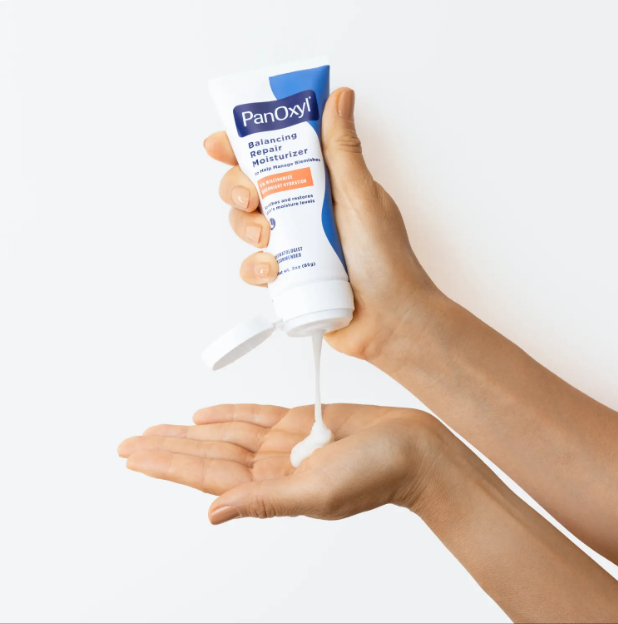
TL;DR: The right moisturizer won’t clog pores and helps keep your skin balanced while acne treatments do their job. Skip it, and your skin can dry out, produce more oil, and end up breaking out even more.
When you have acne prone skin, picking up a moisturizer can feel more than a little counterintuitive. Putting more product on already oily, breakout-prone skin – what could go wrong? Well, actually plenty, if you pick the wrong one. So, rather than reaching for moisturizer for acne prone skin, some people don’t bother, and that’s where the trouble starts.
Here’s what actually happens when you skip it. Acne treatments are quite harsh by design, as they have a job to do. Benzoyl peroxide, salicylic acid, retinoids: they work, but they also dry your skin out, leaving it feeling tight and uncomfortable.
Your skin then responds to that by cranking up oil production, and before long you’re breaking out more than you were before you started treating it. The moisturizer wasn’t the problem. Not using one was.
What Makes Moisturizer For Acne Prone Skin Different?
What sets moisturizer for acne prone skin apart from other products on the market? Well, it comes down to what happens once it comes into contact with the skin. Regular, thicker moisturizers are great for dry skin but something of a nightmare when you get regular breakouts. They tend to be heavier, oil-based and liable to block pores.
Moisturizers made for acne prone skin are typically lighter, usually gel-based or water-based, and designed to absorb without leaving anything behind. But the real difference isn’t just the texture. It’s what the product is actually doing in your routine.
A moisturizer for acne prone skin isn’t meant to feel luxurious, rather it’s there to protect your skin barrier while your treatments do their job. That means less redness, less peeling, and less of the kind of irritation that makes people give up on their routine.
How Should You Use Moisturizer With Breakouts?
When and how often you use moisturizer both matter more than most people realize. You can have the right product and still not get much from it if you’re only reaching for it when your skin feels uncomfortably tight, or layering it on before your acne products have had a chance to absorb.
As a general rule, it goes on last, after your cleanser, and your treatment products. That way your actives aren’t being diluted or blocked, and the moisturizer is sealing everything in rather than sitting on top of dry, untreated skin.
A few other things worth keeping in mind:
- Apply it after treatments, not before, so active ingredients can work effectively
- Use it consistently, even on days your skin feels oily
- Don’t overapply – a thin, even layer is enough
- Adjust the amount you use when you get dry skin
The goal is balance. You don’t want squeaky clean and stripped skin. The aim is to have skin that’s calm enough to respond well to whatever you’re putting on it and with the right moisturizer, you’ll get that.
Get Better Results With Moisturizer for Acne Prone Skin
Moisturizer doesn’t clear acne on its own. But without it, a lot of people find their acne-fighting routine stops working like it should. That’s not usually because the treatments have failed in some way, but because their skin is too irritated and off-balance to respond properly. It’s one of those things that quietly holds everything else together.
So, in summary – Keep everything consistent, don’t swap products every few weeks out of impatience, and give your skin time to settle. Progress with acne is slow and rarely linear, there will be good weeks and frustrating ones. But when your skin is properly supported, the good ones tend to outweigh the bad.