Why Do My Gums Bleed When I Brush My Teeth? Facts 2026
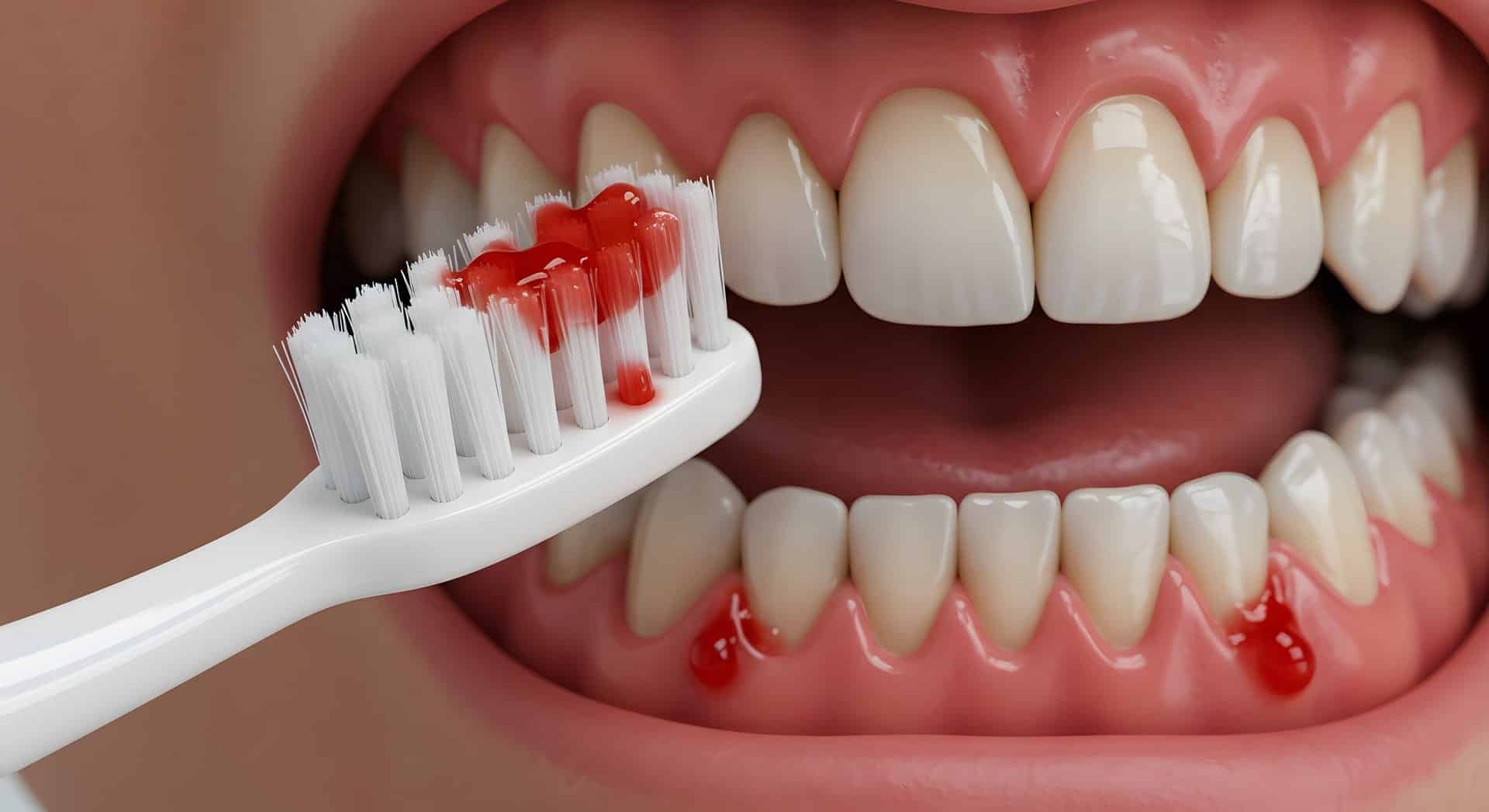
Why do my gums bleed when I brush my teeth is one of the most common dental questions people search for after noticing blood in the sink. It can be alarming, but in most cases, the cause is treatable and even reversible.
According to the CDC, nearly 46 percent of adults aged 30 and older show signs of gum disease, and bleeding gums are often the very first warning sign.
Quick Facts Table: Bleeding Gums Overview
Here is a quick summary of the most important facts about bleeding gums before diving into the full details.
| Fact | Detail |
|---|---|
| Most common cause | Gingivitis from plaque buildup |
| Adults affected by gum disease | Nearly 46 percent (age 30+) |
| Normal healing time with better care | 1 to 2 weeks |
| When to see a dentist | Bleeding lasting more than 2 weeks |
| Recommended toothbrush type | Soft-bristled |
| Recommended brushing frequency | 2 to 3 times daily |
| Recommended flossing frequency | Once daily |
| Key vitamins linked to bleeding gums | Vitamin C, Vitamin K, Vitamin B12 |
What Does It Mean When Your Gums Bleed?
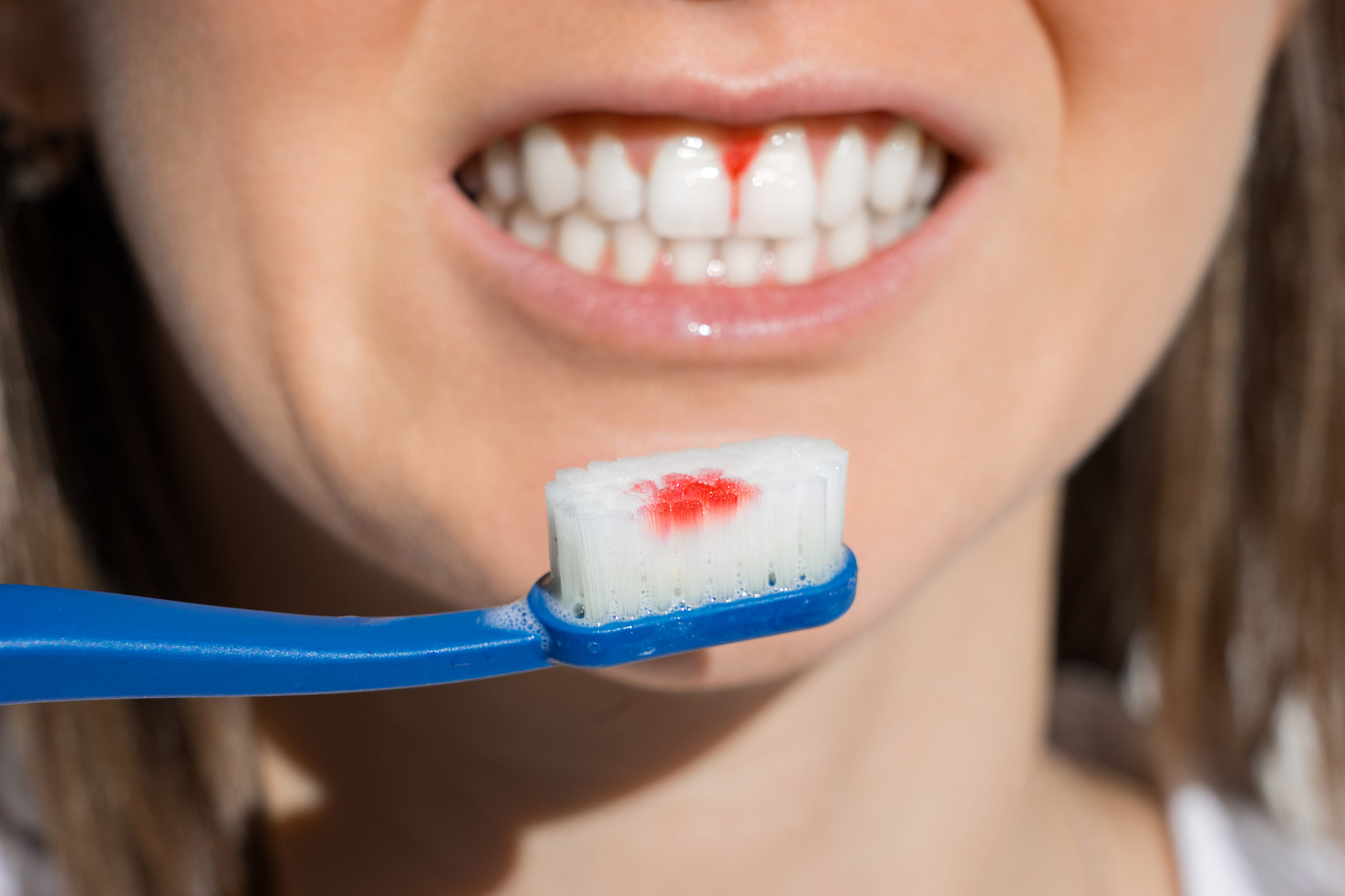
Healthy gums should not bleed during normal brushing or flossing. Bleeding is your body’s way of signaling inflammation or irritation somewhere in your mouth.
In most cases, this points to early gum disease. However, bleeding gums can also relate to your brushing technique, diet, medications, or general health.
Understanding the exact cause helps you choose the right fix, whether that means switching toothbrushes or scheduling a dental visit.
Why Do My Gums Bleed When I Brush My Teeth: Main Causes
There are several possible reasons behind bleeding gums. Some are simple habit-related issues, while others may need professional dental treatment.
1. Gingivitis (Early Gum Disease)
Gingivitis is the leading cause of bleeding gums. Plaque buildup along the gumline irritates gum tissue, causing redness, swelling, and bleeding.
The good news is that gingivitis is completely reversible with better brushing, flossing, and professional dental cleanings in most cases.
2. Brushing Too Hard
Using a hard-bristled toothbrush or applying too much pressure can damage delicate gum tissue and create tiny cuts that bleed.
Switching to a soft-bristled brush and using gentle, circular motions can quickly reduce this type of gum irritation.
3. Starting or Restarting Flossing
If you have not flossed regularly, your gums may bleed the first few times you start. This usually stops within one to two weeks.
Consistent daily flossing helps your gums adjust and become stronger, reducing bleeding over time as gum health improves.
4. Plaque and Tartar Buildup
Skipping regular brushing allows plaque to harden into tartar, which cannot be removed at home and irritates the gumline constantly.
Only a dental professional can remove tartar safely, which is why regular cleanings are important for gum health.
5. Periodontitis (Advanced Gum Disease)
When gingivitis is left untreated, it can progress into periodontitis, a serious infection that damages gum tissue and bone.
This condition can cause loose teeth, gum recession, and chronic bleeding, and requires professional periodontal treatment to manage.
6. Pregnancy Hormones
Hormonal changes during pregnancy can make gums more sensitive and prone to bleeding, a condition often called pregnancy gingivitis.
This usually improves after childbirth, but maintaining good oral hygiene during pregnancy is still important for gum health.
7. Vitamin C Deficiency
Vitamin C supports tissue repair and wound healing. A deficiency can weaken gum tissue and make it bleed more easily.
Severe long-term deficiency can even lead to scurvy, though this is rare in people with a balanced modern diet.
8. Vitamin K Deficiency
Vitamin K plays a key role in helping blood clot properly. Low levels can cause gums to bleed more than usual.
Leafy green vegetables are a good natural source of vitamin K that can help support healthy clotting function.
9. Blood-Thinning Medications
Medications like aspirin or anticoagulants reduce the blood’s ability to clot, which can make gums bleed more easily during brushing.
If you take blood thinners and notice gum bleeding, it is important to inform your dentist during checkups.
10. Underlying Health Conditions
Conditions such as diabetes, blood-clotting disorders, and in rare cases leukemia, can also cause unexplained gum bleeding unrelated to brushing habits.
If bleeding continues despite good oral hygiene, your dentist may recommend testing to rule out other health conditions.
Gingivitis vs Periodontitis Comparison Table
Understanding the difference between these two stages of gum disease helps you know how urgent your situation might be.
| Feature | Gingivitis | Periodontitis |
|---|---|---|
| Stage | Early, mild | Advanced, serious |
| Reversible | Yes, with proper care | No, but manageable |
| Symptoms | Redness, swelling, bleeding | Gum recession, loose teeth, bone loss |
| Treatment | Better hygiene, cleaning | Deep cleaning, possible surgery |
| Risk if untreated | Progresses to periodontitis | Tooth loss |
How Brushing Technique Affects Bleeding Gums
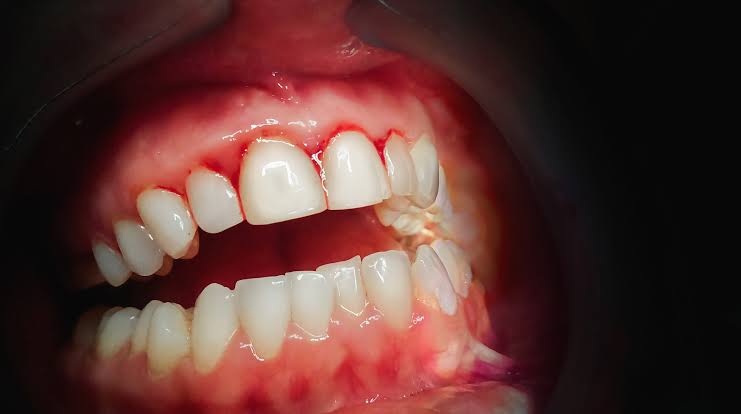
The way you brush matters just as much as how often you brush. Aggressive back-and-forth scrubbing can injure gum tissue over time.
Dentists recommend gentle circular motions instead, which clean effectively without putting excess pressure on the sensitive gumline.
Replacing your toothbrush every three to four months, or sooner if bristles look frayed, also helps protect your gums from irritation.
Electric vs Manual Toothbrush for Bleeding Gums
Many people wonder whether switching toothbrush types can help reduce gum bleeding. Both options can work well with proper technique.
Electric toothbrushes often apply more consistent, gentle pressure than manual brushing, which can help reduce irritation for some users.
Regardless of the type you choose, always select soft bristles and avoid pressing too hard against the gumline while brushing.
The Role of Flossing in Gum Health
Flossing removes plaque and food particles from between teeth where a toothbrush cannot reach, directly supporting healthier gums.
Skipping flossing allows plaque to build up between teeth, which can lead to localized gum irritation and bleeding in those areas.
If flossing causes bleeding at first, do not stop. Gentle, consistent flossing usually resolves the bleeding within one to two weeks.
Diet and Bleeding Gums
What you eat plays a bigger role in gum health than many people realize. Certain nutrient deficiencies directly weaken gum tissue.
| Nutrient | Role in Gum Health | Food Sources |
|---|---|---|
| Vitamin C | Tissue repair and healing | Citrus fruits, bell peppers |
| Vitamin K | Blood clotting support | Leafy greens, broccoli |
| Vitamin B12 | Tissue and cell health | Eggs, dairy, fish |
| Calcium | Supports bone and teeth | Milk, cheese, yogurt |
A balanced diet rich in these nutrients supports stronger gums and can reduce the likelihood of bleeding over time.
Smoking and Gum Bleeding
Smoking significantly increases the risk of gum disease and bleeding gums by weakening the immune system’s ability to fight infection.
It also slows down gum healing, which means bleeding gums in smokers may take longer to improve, even with good hygiene.
Quitting smoking is one of the most effective long-term steps toward healthier, less irritated gums.
When Bleeding Gums Are a Medical Emergency
While most cases of bleeding gums are not emergencies, certain symptoms should prompt immediate medical attention rather than waiting.
Seek urgent care if you notice heavy bleeding that will not stop, fever, facial swelling, or signs of a serious infection.
These symptoms could indicate a more serious dental infection or an underlying blood-clotting disorder that needs prompt evaluation.
Signs You Should See a Dentist
Occasional light bleeding may not be urgent, but certain warning signs mean it is time to schedule a dental appointment.
| Warning Sign | What It May Indicate |
|---|---|
| Bleeding lasting more than 2 weeks | Possible gingivitis or periodontitis |
| Loose or shifting teeth | Advanced gum disease |
| Persistent bad breath | Bacterial buildup or infection |
| Gum recession | Long-term periodontal damage |
| Swelling or facial pain | Possible dental infection |
If you notice any of these signs, don’t wait. Early treatment prevents gum disease from progressing into more serious problems.
How Dentists Diagnose the Cause of Bleeding Gums
During a dental visit, your dentist will examine your gums for swelling, redness, and pocket depth around each tooth.
They may also review your medical history, medications, and diet to identify any non-dental causes contributing to the bleeding.
In some cases, blood tests may be recommended to check for diabetes, vitamin deficiencies, or clotting disorders.
Professional Treatments for Bleeding Gums
Depending on the diagnosis, your dentist may recommend one or more treatments to address the root cause of your bleeding gums.
Professional cleanings remove plaque and tartar buildup above and below the gumline, often resolving gingivitis-related bleeding quickly.
Scaling and root planing, a deeper cleaning method, is typically used for more advanced periodontitis cases with gum pocket buildup.
In severe cases, procedures like osseous surgery or laser periodontal therapy may be needed to restore gum health.
Home Remedies to Stop Bleeding Gums
Along with professional care, several home habits can help reduce and prevent bleeding gums between dental visits.
Rinse your mouth with warm saltwater to reduce inflammation and help soothe irritated gum tissue naturally.
Use an antibacterial mouthwash to reduce harmful bacteria that contribute to plaque buildup and gum inflammation.
Apply gentle pressure with clean gauze if you notice active bleeding after brushing, and avoid touching the area unnecessarily.
Daily Oral Hygiene Routine to Prevent Bleeding Gums
Building a consistent daily routine is the most effective long-term strategy for preventing bleeding gums from returning.
| Step | Recommended Frequency |
|---|---|
| Brushing with soft-bristled brush | 2 to 3 times daily |
| Flossing | Once daily |
| Antibacterial mouthwash | Once or twice daily |
| Toothbrush replacement | Every 3 to 4 months |
| Professional dental cleaning | Every 6 months |
Following this routine consistently can significantly reduce plaque buildup and keep gum tissue healthy over time.
Can Bleeding Gums Heal on Their Own?
Mild bleeding gums caused by starting a new flossing habit or occasional aggressive brushing often heal on their own within days.
However, bleeding linked to gingivitis or plaque buildup usually requires improved hygiene habits, not just time, to fully resolve.
If bleeding does not improve within two weeks despite better care, a dental evaluation is strongly recommended.
Long-Term Risks of Ignoring Bleeding Gums
Ignoring persistent bleeding gums can allow gum disease to progress silently, eventually affecting the bone and tissue supporting your teeth.
Advanced gum disease has also been linked to broader health issues, including heart disease and complications related to diabetes.
Addressing bleeding gums early protects not just your smile, but potentially your overall long-term health as well.
Bleeding Gums in Children
Children can also experience bleeding gums, often due to inconsistent brushing habits or the natural process of losing baby teeth.
Teaching kids proper brushing technique early, using a soft-bristled brush sized for their age, helps prevent gum irritation over time.
If a child’s gums bleed frequently or heavily, a pediatric dentist visit is recommended to rule out other causes.
Bleeding Gums vs Other Mouth Bleeding Causes
Not all bleeding in the mouth comes from the gums themselves. It helps to understand other possible sources of oral bleeding.
Canker sores, small ulcers inside the mouth, can bleed slightly if irritated, but they look different from gum tissue bleeding.
Injuries from sharp foods, dental appliances, or recent dental work can also cause temporary bleeding unrelated to gum disease.
If you are unsure of the exact source of bleeding, a dentist can quickly identify whether it is gum-related or something else.
Common Myths About Bleeding Gums
Several misconceptions exist about bleeding gums that can lead people to ignore symptoms or use ineffective treatments at home.
Myth: Bleeding Gums Always Mean Poor Hygiene
While poor hygiene is a common cause, bleeding gums can also result from medications, pregnancy, or vitamin deficiencies unrelated to brushing habits.
Myth: You Should Brush Harder If Gums Bleed
Brushing harder often worsens gum irritation. Gentle, consistent brushing with a soft brush is the better long-term solution.
Myth: Bleeding Gums Always Need Antibiotics
Most bleeding gum cases improve with better hygiene and professional cleaning. Antibiotics are only needed for specific infections.
The Connection Between Bleeding Gums and Overall Health
Research increasingly links gum health to broader health conditions, making bleeding gums more than just a dental cosmetic concern.
Chronic gum inflammation has been associated with an increased risk of heart disease due to bacteria entering the bloodstream through inflamed tissue.
People with diabetes are also more prone to gum disease, and in turn, untreated gum disease can make blood sugar control more difficult.
This two-way relationship is why dentists often recommend informing your doctor if you have both bleeding gums and a chronic health condition.
Age and Bleeding Gums Risk
The risk of bleeding gums and gum disease tends to increase with age, partly due to years of accumulated plaque exposure.
Adults over 30 show significantly higher rates of gum disease symptoms compared to younger age groups, according to national health data.
Regardless of age, consistent oral hygiene remains the most effective way to lower the risk of developing bleeding gums over time.
How Stress May Contribute to Gum Bleeding
Emerging research suggests that chronic stress may weaken the immune system’s ability to fight off gum inflammation and infection.
Stress can also lead to habits like teeth grinding or neglecting oral hygiene, both of which can indirectly worsen gum bleeding.
Managing stress through regular sleep, exercise, and relaxation techniques may offer indirect benefits for long-term gum health.
Best Products for Bleeding Gum Care
Choosing the right oral care products can make a noticeable difference in reducing gum bleeding and supporting overall gum health.
| Product Type | What to Look For |
|---|---|
| Toothbrush | Soft bristles, small head for better reach |
| Toothpaste | Contains fluoride, gentle formula |
| Mouthwash | Antibacterial, alcohol-free preferred |
| Floss | Waxed floss for easier gliding between teeth |
Using the right combination of these products daily supports a stronger, more resilient gumline over time.
Bleeding Gums Prevention Checklist
Use this simple checklist to review your current oral care habits and identify areas that may need improvement.
Check that you are using a soft-bristled toothbrush and replacing it every three to four months without exception.
Confirm you are flossing once daily and brushing gently in circular motions rather than aggressive back-and-forth strokes.
Make sure your diet includes enough vitamin C, vitamin K, and calcium to support strong, resilient gum tissue.
Schedule a professional dental cleaning every six months, even if your gums currently feel healthy and pain-free.
Frequently Asked Questions (FAQs)
1. Why do my gums bleed when I brush my teeth?
The most common cause is gingivitis from plaque buildup. Brushing too hard or vitamin deficiencies can also cause bleeding.
2. Is it normal for gums to bleed a little when brushing?
Occasional light bleeding when starting new habits can be normal. Frequent or heavy bleeding is not and needs attention.
3. How long does it take for bleeding gums to heal?
With improved hygiene, bleeding usually improves within one to two weeks. Persistent bleeding needs a dental checkup.
4. Can brushing too hard cause bleeding gums?
Yes, hard brushing or stiff bristles can damage gum tissue. Switching to a soft-bristled brush usually helps quickly.
5. Should I stop flossing if my gums bleed?
No, continue flossing gently. Bleeding from new flossing habits typically stops within one to two weeks.
6. Can vitamin deficiency cause bleeding gums?
Yes, low vitamin C or vitamin K levels can weaken gum tissue. A balanced diet can help improve this.
7. When should I see a dentist for bleeding gums?
See a dentist if bleeding lasts more than two weeks. Also seek care for swelling, pain, or loose teeth.
8. Can bleeding gums be a sign of a serious disease?
Yes, in rare cases it can indicate diabetes, clotting disorders, or leukemia. Persistent unexplained bleeding should be evaluated.
9. Does smoking make bleeding gums worse?
Yes, smoking weakens the immune system and slows gum healing. This can worsen and prolong gum bleeding.
10. What toothbrush is best if my gums bleed?
A soft-bristled toothbrush is best. Electric or manual options both work well with gentle brushing technique.
Conclusion
Why do my gums bleed when I brush my teeth is a question with several possible answers, ranging from simple brushing habits to early gum disease. In most cases, gingivitis caused by plaque buildup is the culprit, and it is completely reversible with better brushing, daily flossing, and regular professional cleanings.
Other factors like vitamin deficiencies, pregnancy hormones, blood-thinning medications, and smoking can also contribute to bleeding gums, so it helps to look at your overall health and habits together. Occasional light bleeding when starting new hygiene routines is usually nothing to worry about.
However, bleeding gums that last more than two weeks, or come with swelling, pain, or loose teeth, deserve prompt attention from a dentist. Taking bleeding gums seriously today can protect your smile, prevent advanced gum disease, and support your overall health well into the future.