Why Did Vincent van Gogh Cut Off His Ear? The Truth 2026
Why did Vincent van Gogh cut off his ear? On the night of December 23, 1888, in the depths of a severe mental breakdown, the Dutch painter sliced off part of his own left ear after a tense confrontation with fellow artist Paul Gauguin.
He then wrapped the wound, carried the severed piece to a nearby brothel in Arles, France, and handed it to a woman, asking her to keep it safe.
The exact reason behind the act has never been fully confirmed, but historians point to a mix of psychological distress, a volatile friendship with Gauguin, and possible underlying illness.
The Night Vincent van Gogh Cut Off His Ear
Setting the Scene in Arles
By late 1888, van Gogh was living in the “Yellow House” in Arles, southern France, hoping to build an artists’ community there. He had invited Paul Gauguin to join him.
The two men shared the house for about nine weeks, painting side by side, but tension between them grew steadily as their artistic visions clashed.
The Argument With Gauguin
On the evening of December 23, the two artists had a heated argument. Gauguin later recalled van Gogh approaching him with an open razor before suddenly backing away.
Gauguin chose to spend the night elsewhere, leaving van Gogh alone in the Yellow House in a state of extreme emotional distress.
The Act Itself
Alone that night, van Gogh used a razor to cut off most of his left ear. Accounts differ on whether he removed the entire ear or just the lobe.
Recent research using a doctor’s original medical drawing suggests the cut was far more severe than the “just the lobe” version long accepted by historians.
Delivering the Ear
After the injury, van Gogh wrapped the severed piece in cloth or paper and walked to a brothel in the red-light district of Arles.
He presented it to a woman who worked there, reportedly asking her to “keep this object carefully” before she fainted at the sight of it.
Found the Next Morning
Police discovered van Gogh at home the following morning, unconscious in a pool of blood. He was rushed to the Hôtel-Dieu hospital in Arles for treatment.
Van Gogh later claimed he could not remember anything about the incident and reportedly called it “purely a personal matter.”
Why Did He Do It? The Leading Theories
| Theory | Core Explanation |
|---|---|
| Mental health crisis | A psychotic or dissociative episode triggered the self-mutilation |
| Conflict with Gauguin | The breakdown of their friendship pushed van Gogh over the edge |
| Theo’s engagement | News of his brother’s engagement may have triggered abandonment fears |
| Absinthe consumption | Heavy drinking may have intensified an existing mental episode |
| Self-punishment | The act may have been a form of guilt-driven self-harm |
| Cry for help | Some historians view it as a desperate bid for attention and support |
| Gauguin’s blade theory | A controversial claim that Gauguin, not van Gogh, caused the wound |
A Severe Mental Health Episode
Many historians and psychiatrists believe van Gogh experienced a sudden, severe psychiatric episode that night, possibly involving psychosis or a dissociative state.
This aligns with his later documented struggles, including repeated breakdowns that eventually led to his voluntary admission to an asylum.
The Breakdown of the Gauguin Friendship
Van Gogh deeply admired Gauguin and had hoped their time together in Arles would launch a lasting artistic partnership and community.
When that vision started collapsing under personality clashes and artistic disagreements, the emotional loss may have been more than van Gogh could bear.
Fear of Losing His Brother Theo
Van Gogh relied heavily on his brother Theo, both financially and emotionally, for most of his adult life.
Some researchers suggest a letter revealing Theo’s engagement to Johanna Bonger arrived around this time, possibly triggering intense fear of abandonment, though no such letter has been definitively proven to exist.
The Role of Absinthe
Van Gogh was known to drink absinthe heavily during this period of his life. The high-proof spirit was linked at the time to hallucinations and erratic behavior.
While not considered the sole cause, many historians believe alcohol consumption likely intensified whatever psychological crisis he was already experiencing.
Self-Punishment and Guilt
Another theory frames the act as a form of self-punishment, possibly tied to guilt over the deteriorating friendship with Gauguin or feelings of personal failure.
This theory fits a broader pattern some psychologists identify in cases of severe depressive or guilt-driven self-harm episodes.
A Desperate Cry for Help
Some experts interpret the act less as random violence and more as an extreme, desperate signal that van Gogh urgently needed support and intervention.
In the months that followed, he did seek help, eventually checking himself into the Saint-Paul-de-Mausole asylum for treatment.
The Controversial Gauguin Theory
What the Theory Claims
In their book “Van Gogh’s Ear: Paul Gauguin and the Pact of Silence,” historians Hans Kaufmann and Rita Wildegans proposed a very different version of events.
They argued that Gauguin, a skilled fencer, may have actually struck van Gogh with a blade during their argument, severing part of the ear himself.
The “Pact of Silence”
According to this theory, van Gogh chose to take the blame to protect his friend from legal trouble and shield their relationship from collapsing entirely.
The two men allegedly agreed never to reveal what truly happened, creating what researchers call a “pact of silence” between them.
Why It Remains Disputed
Mainstream historians and institutions, including the Van Gogh Museum, have not accepted this theory as established fact, citing a lack of direct corroborating evidence.
Most experts still maintain that van Gogh inflicted the wound himself during a severe mental health crisis, based on contemporary accounts and medical records.
What Happened to the Ear and the Woman Who Received It
The Long-Held Belief
For decades, the woman who received the ear was widely identified as a prostitute named Rachel. This detail appeared in countless retellings of the story.
Bernadette Murphy’s Research
Historian Bernadette Murphy later uncovered evidence suggesting the woman’s real name was Gabrielle, not Rachel, and that she worked as a cleaner rather than a prostitute at the brothel.
Murphy traced Gabrielle’s descendants, who explained she had taken the job to repay medical bills from a rabid dog bite years earlier.
How Much Was Actually Cut Off
A rediscovered medical drawing from the treating doctor showed a clean incision across the entire base of the ear, not just the lobe as long assumed.
This finding overturned the popular belief that van Gogh had spared most of his ear, confirming the injury was far more extensive than previously thought.
Life After the Incident
Hospitalization and Recovery
Van Gogh spent roughly two weeks recovering at the Hôtel-Dieu hospital in Arles before returning to the Yellow House to resume painting.
Gauguin, meanwhile, left Arles for Paris almost immediately after the incident, and the two artists never saw each other again.
The Bandaged Self-Portrait
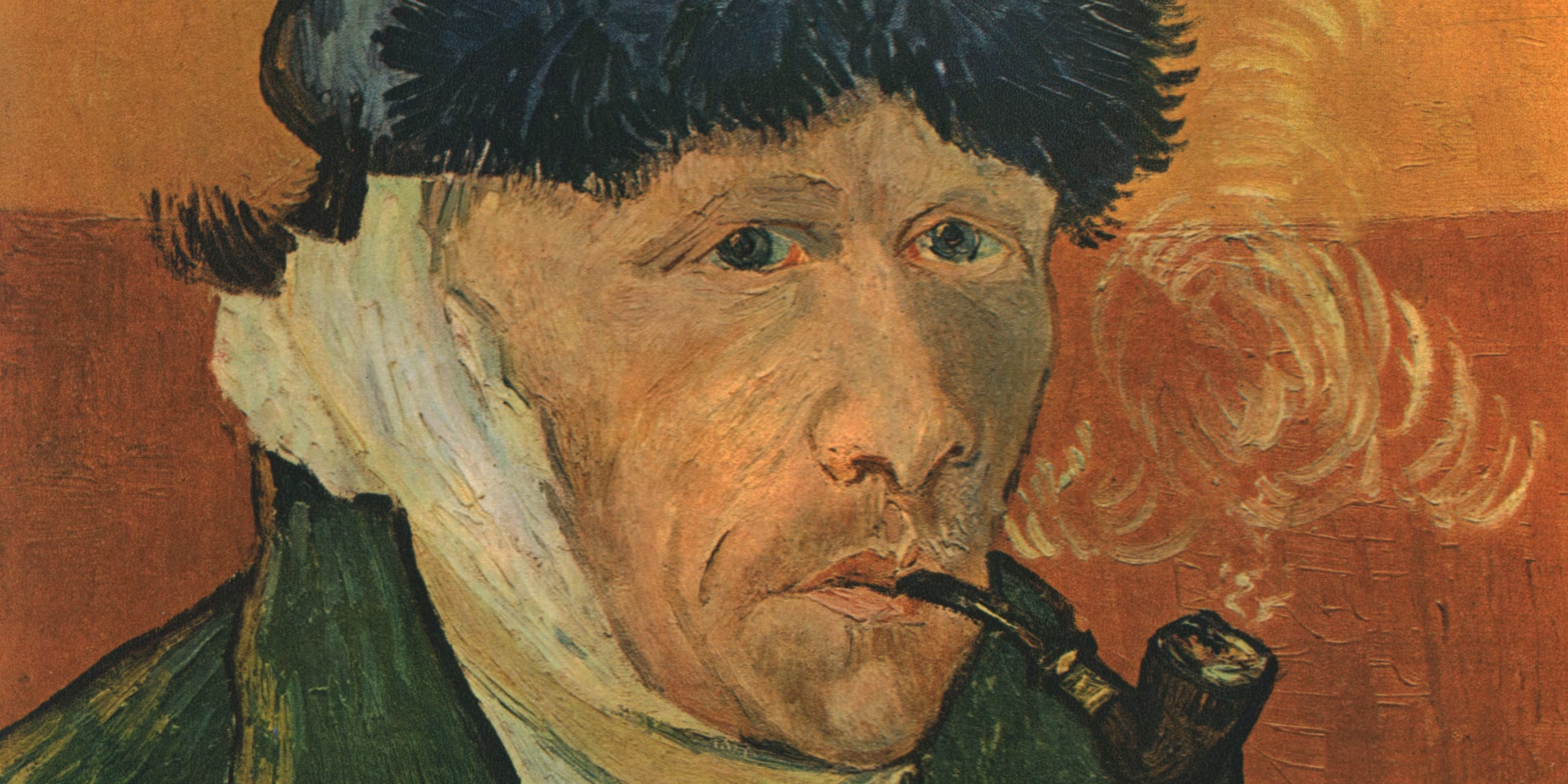
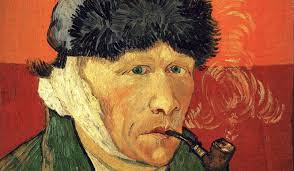
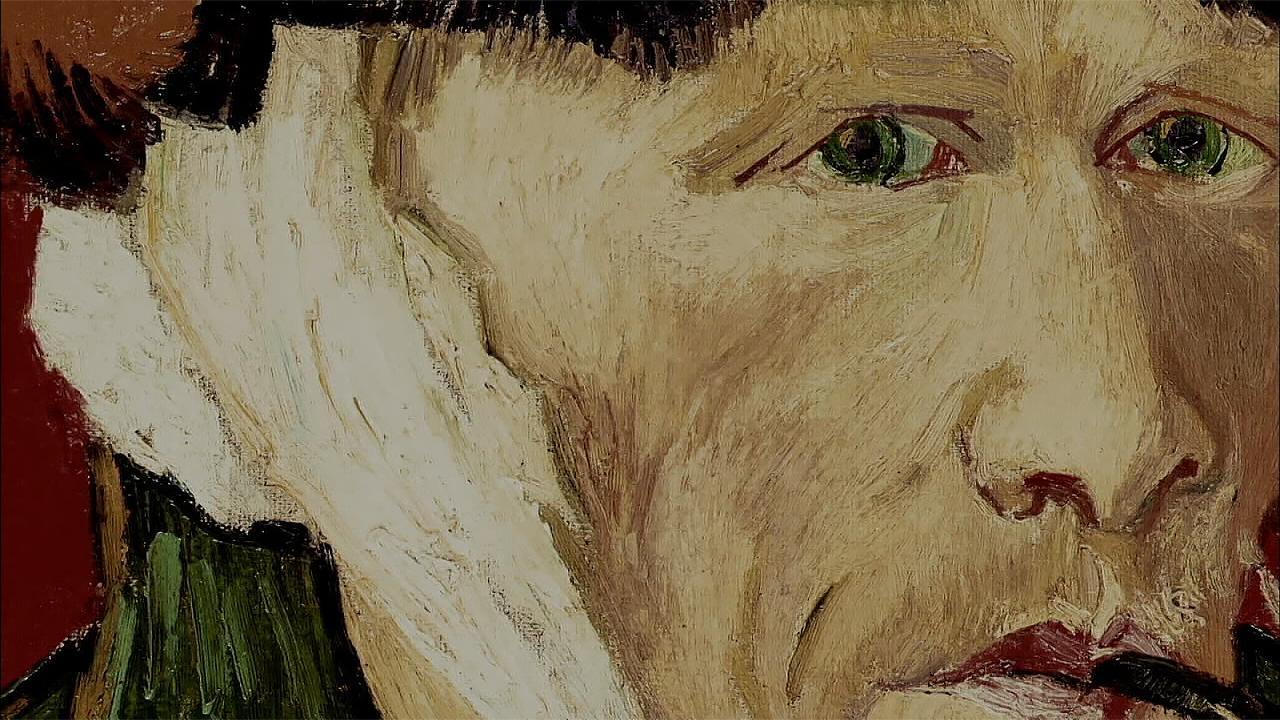
Shortly after returning home, van Gogh painted “Self-Portrait with Bandaged Ear,” a striking mirror-image work documenting the aftermath of the injury.
The painting remains one of his most recognized works and a haunting visual record of this period in his life.
Further Breakdowns and the Asylum
Van Gogh suffered additional psychological episodes in the months that followed, eventually leading neighbors in Arles to petition for his removal from the community.
He voluntarily admitted himself to the Saint-Paul-de-Mausole asylum in Saint-Rémy-de-Provence in May 1889, seeking stability and treatment.
His Final Years
Despite his declining mental health, van Gogh remained remarkably productive, painting some of his most celebrated works, including “The Starry Night,” during his time at the asylum.
He died in 1890 at age 37, just two years after the ear incident, from a self-inflicted gunshot wound.
Quick Facts Table
| Detail | Information |
|---|---|
| Date of incident | December 23, 1888 |
| Location | Arles, southern France |
| Body part affected | Left ear (full ear or majority of it) |
| Who he gave it to | A woman at a local brothel, later identified as Gabrielle |
| Companion at the time | Paul Gauguin |
| Van Gogh’s age | 35 years old |
| Where he recovered | Hôtel-Dieu hospital, Arles |
| Famous resulting artwork | Self-Portrait with Bandaged Ear (1889) |
| Eventual outcome | Admitted to Saint-Paul-de-Mausole asylum in 1889 |
Frequently Asked Questions (FAQs)
Why did Vincent van Gogh cut off his ear?
Most historians believe a severe mental health crisis, intensified by conflict with Paul Gauguin, led van Gogh to cut off part of his ear.
Did Van Gogh cut off his whole ear or just the lobe?
Recent medical evidence suggests he cut off nearly the entire ear, not just the lobe, as previously believed for decades.
Who did Van Gogh give his ear to?
He gave it to a woman at a brothel in Arles, long believed to be named Rachel but later identified as Gabrielle, a cleaner.
Was Paul Gauguin involved in the incident?
A disputed theory suggests Gauguin may have caused the wound during a fight, but mainstream historians reject this as unproven.
What triggered the argument with Gauguin?
Their artistic disagreements and a strained friendship reached a breaking point, with Gauguin announcing plans to leave Arles for Paris.
Did Van Gogh remember cutting off his ear?
He later claimed to remember nothing about the incident, calling it “purely a personal matter” after waking in the hospital.
What happened to Van Gogh after the incident?
He recovered at a hospital in Arles, returned home briefly, then was eventually admitted to an asylum for ongoing treatment.
Did Van Gogh paint anything about the incident?
Yes, he painted “Self-Portrait with Bandaged Ear” shortly after the event, depicting himself with a large bandage covering the wound.
Was alcohol a factor in the incident?
Many historians believe his heavy absinthe consumption may have intensified the psychological crisis that led to the act.
How did Van Gogh die?
He died in 1890, about two years after the ear incident, from a self-inflicted gunshot wound at age 37.
Conclusion
The true reason Vincent van Gogh cut off his ear remains one of art history’s most debated mysteries. What’s clear is that on the night of December 23, 1888, following a tense breakdown of his friendship with Paul Gauguin, van Gogh suffered a severe psychological crisis that led him to sever part of his left ear and deliver it to a woman at a nearby brothel.
Theories range from psychosis and absinthe-fueled distress to fear of losing his brother Theo, while a more controversial account suggests Gauguin himself may have caused the wound during a heated argument.
Regardless of the exact cause, the incident marked a turning point in van Gogh’s life, leading to repeated hospitalizations and his eventual admission to an asylum. It remains a haunting reminder of the mental anguish behind some of the world’s most celebrated art.