What Are the Distinct Types of Japanese Swords
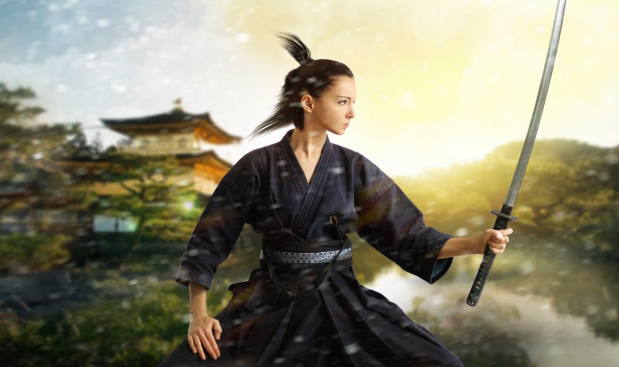
Most people assume a katana and a Japanese sword are the same. However, this general categorization erodes the weapon’s deep diversity. Japan has a long tradition of sword making. For centuries, the country has produced various unique blades. Each piece is crafted with unique features and intended use.
From the classic katana to the little-known tanto, these blades offer a glance into the soul of Japanese culture. This article will explore these differences and uncover what makes each piece unique.
Classification by Blade Length
Japanese swords are traditionally categorized by blade length. Each type is designed for specific uses and combat scenarios. This classification provides a clear framework for understanding their form and function.
Tachi
The tachi is a long, curved sword. Mounted warriors primarily used it for slashing and cutting on the battlefield. Unlike the katana, the tachi is worn with the blade facing downward, allowing smooth, sweeping strikes from horseback. It was famous during the Kamakura and the Heian eras, reflecting the dominance of mounted units in warfare.
Katana
The katana is a prominent long weapon in Japan that has a signature curved blade. Samurai wore it blade-up, making it ideal for quick, precise draws in combat. Its sharp edge and balanced design made it a versatile weapon and became the preferred choice during the Muromachi period.
Wakizashi
The wakizashi is a short weapon with a 30 to 60-cm blade size. It was commonly paired with the katana, creating the daishō. This pairing symbolized a samurai’s status. While it could be used for combat, it also served ceremonial purposes like rituals. Its small size made it excel in tightly packed spaces.
Tantō
The tantō is a small Japanese blade. It’s designed for stabbing and slashing. The sword was also used as a backup weapon. Its compact size made it easy to carry and use for personal protection. These swords featured intricate designs beyond their practicality. This highlighted the artistry of their makers.
Classification by Historical and Functional Evolution
Japanese swords evolved over centuries. They adapted to warriors’ changing needs and advancements in craftsmanship. Each type reflects a specific era and purpose.
Chokutō
The chokutō is one of the earliest Japanese swords, featuring a straight, single-edged blade. These swords predate the curved designs that later defined Japanese swordsmithing. They were primarily used before the 10th century during the Kofun period. Chinese and Korean blades influenced the chokutō’s design. It marked the beginning of Japan’s sword-making tradition.
Uchigatana
The uchigatana originated as a versatile weapon. It bridged the gap between early straight blades and the iconic katana. It’s lighter and shorter than the tachi, making it easier to wield in close combat. Worn blade-up allowed for rapid unsheathing, a feature later defining samurai fighting styles. The uchigatana gained popularity during the Sengoku period when practicality in battle was paramount.
Nodachi/Odachi
The nodachi is Japan’s traditionally crafted massive sword. These heavy weapons were primarily used on battlefields. Their long reach allowed them to dominate opponents easily. However, their size made them impractical and difficult to carry. Nodachi swords were often used as symbols of power or for ceremonial purposes.
Shinobigatana
The shinobigatana is a simplistic and practical sword associated with ninja. These swords were shorter and straighter than samurai blades, focusing on functionality over aesthetics. Their design prioritized stealth and versatility, aligning with the covert operations for which ninjas were known.
The historical and functional evolution of Japanese swords highlights the adaptability of their designs to meet the demands of different eras and combat styles.
Classification by Craftsmanship and Specialty Use
Beyond their practical use, Japanese swords are renowned for their exceptional craftsmanship and specialized designs. Some swords were made for specific roles, while others became works of art.
Hamon and Blade Patterns
Hamon refers to the decorative tempering lines that run along the edge of a sword. These patterns are created during the forging process and indicate the blade’s quality and strength. Popular designs, like midareba (irregular waves) or suguha (straight lines), showcase the artistry of the swordsmith. The hamon enhances the sword’s beauty and reflects its functional durability.
Ceremonial Swords (Shinken)
Shinken are highly ornate swords crafted for religious or ceremonial duties. These blades often feature elegant colors and a subtle appearance. Despite lacking practicality in battle, they express respect and reverence and are used as gifts for dignitaries.
Training Swords (Bokken and Iaitō)
Bokken and iaitō are non-lethal swords. They are primarily used for martial arts training. Bokken weapons feature a wooden construction. They are used in elite practice to learn the secrets of certain specific movements. Laitō swords don’t have a cutting edge and are designed to practice drawing and cutting. These training tools allow learners to develop skills safely while preserving traditional techniques.
Japanese swords’ craftsmanship and specialized designs reveal a deep respect for artistry and tradition, extending their significance beyond the battlefield.
Modern Context and Influence
Japanese swords remain influential in modern times and are celebrated for their craftsmanship and cultural symbolism. While their original use in combat has faded, their legacy endures in various ways.
Replica Swords and Collectibles
Japanese Makoto Swords are in high demand. Collectors and enthusiasts worldwide appreciate katanas as art pieces. Genuine antique blades are treasured for their historical value. Alternatively, modern replicas offer accessible options. Many replicas adhere to traditional designs, showcasing the skill of contemporary artisans.
Martial Arts Training and Demonstrations
Traditional swordsmanship is a key component of martial arts. Practitioners utilize specific types of swords to train techniques such as kendo and kenjutsu. These disciplines carry deep historical and cultural significance while adapting to modern contexts.
Pop Culture and Media Representation
Japanese swords are prominent in global pop culture. In movies, anime, and video games, they are often depicted as symbols of honor, skill, and heroism. This universal representation has significantly popularized their history and abilities. This has helped to introduce new audiences to their cultural heritage.
Conclusion
Japanese swords are more than weapons—they are windows into a world of artistry, history, and tradition. Each type, from the elegant tachi to the compact tantō, tells a story of adaptation and innovation. Understanding their distinct features reveals how form and function were shaped by the demands of their time. But there’s more to explore beyond these classifications. What secrets do their forging techniques hold? How did the samurai’s philosophy influence their design? These blades continue to inspire curiosity, bridging ancient craftsmanship with modern fascination. Dive deeper, and you’ll uncover more layers of their remarkable legacy.