Understanding Varifocal Glasses for First-Time Users
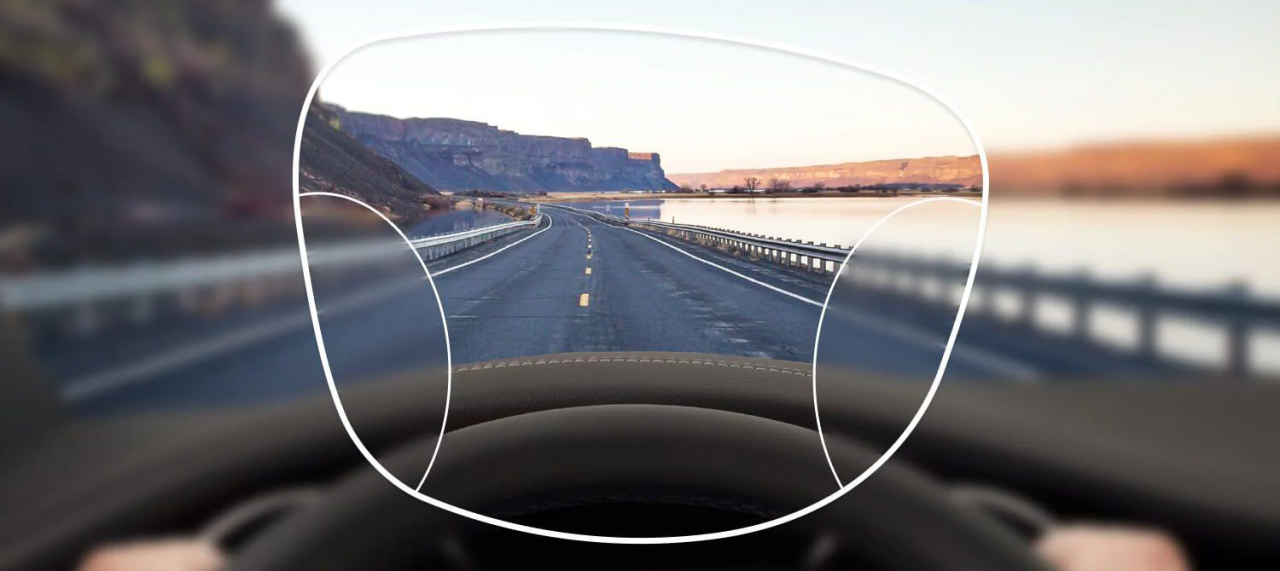
Varifocal lenses are being adapted quite widely. If you’re new to varifocals or are considering varifocals, this guide will help you understand everything about varifocal lenses.
If you have multiple prescriptions and need two pairs of glasses, you might have a condition called presbyopia. It is an age-related condition that causes the eyes to weaken and lose the ability to focus on objects. This means carrying and switching between two pairs for glasses with different prescriptions – which is inconvenient.
To solve this problem, bifocal glasses were invented. Bifocals correct vision for near and far distances in a single pair of lenses. Since bifocal lenses are limited to only two prescriptions with a distinct line that separates them, it makes the transition less smooth. To provide a smoother transition, varifocal glasses were introduced to help you see a wider range of distances in a single pair.
What are varifocal glasses?
Varifocal glasses are also known as progressive glasses. They look like single vision lenses but provide a smooth transition between the prescriptions, without any visible lines.
How do varifocal lenses work?
Varifocal lenses ease the hassle of carrying multiple frames. Varifocal lenses are built with multiple zones to include multiple prescriptions – gradually changing the optical power from the top of the lens to the bottom, without any boundaries or sharp lines. This allows a seamless transition and helps your eyes naturally adjust as you look up, down or sideways. A typical varifocal lens has three zones to look through:
- The distance zone- The top of the lens is designed for seeing objects far away. It is ideal for activities like driving, walking or watching TV.
- The intermediate zone- The middle of the lens is ideal for distances at intermediate/arm’s length, such as computer work, scrolling through your phone or using the car’s dashboard.
- The bottom zone- The bottom of the lens provides clear vision for close-up work like reading or writing.
What are the benefits of varifocal glasses?
Although varifocal glasses tend to be more expensive, they save you from a lot of hassle. The benefits of varifocal lenses are:
- Convenient- You don’t need to switch between or carry multiple glasses as varifocal lenses correct vision for multiple distances in a single frame.
-
- Smooth transition – Since progressive lenses do not have a visible line, they give you a smoother transition between prescriptions, making it easier on the eyes.
- Aesthetically appealing- Thanks to the absence of visible lines, no one can tell you have varifocal lenses on. This might be a good hack for people who feel embarrassed to wear bifocals.
- Cost effective – Having to buy just one frame, instead of two saves you the cost of one complete glass and pair of lenses.
What to expect as a first-time user?
Progressive glasses may take time to get used to (depends on person to person) but with some persistence, you can easily adapt to them. Here is what you should expect as a first-time wearer:
- Patience is the key: It might take your eyes some time to adjust to the new visual zones, making you feel slightly disoriented while looking up, down or sideways, which is completely normal. Just remember to be patient with the change.
- Be consistent: Even if they feel off in the beginning, continue to wear them throughout the day and every day with breaks. This will help with the adjustment.
- Adjust your head movement: Here’s a hack- instead of moving your eyes, try tilting your head slightly to look through the lens. It will help you to not feel disoriented.
- Get regular eye exams: Even if you have adjusted well to the lenses, always get regular eye tests as your prescription might change over time. Your optician will test your eyes and change the lenses.
Remember, it takes some time to adjust to the lenses but with consistent usage and the right guidance, you will enjoy sharp, seamless vision easily. Shop wide range of prescription glasses from Feel Good Contacts and customise with your choice of lens coatings and packaging.