The Best Non-Toxic Ways to Remove Mold from Your Bathroom Ceiling
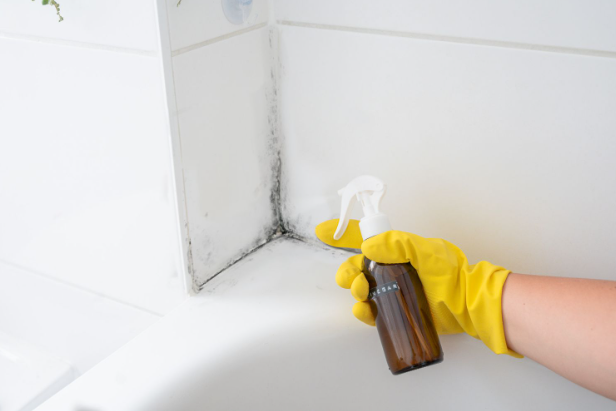
Let’s be honest—finding mold on your bathroom ceiling can feel a bit gross, a little scary, and totally overwhelming. You’re not alone if your first instinct is to shut the door and pretend it’s not there. But here’s the thing: mold is more than just a cosmetic problem—it can cause health issues, damage your space, and throw off your entire bathroom aesthetic.
If you’re looking for gentle, non-toxic ways to get rid of mold on your bathroom ceiling, this guide is for you. Whether you’re a beauty-conscious renter, a first-time flat owner, or a wellness-seeker who avoids harsh chemicals, we’ve rounded up the safest (and easiest) ways to handle mold without bleach or drama.
Why Does Mold Show Up in Bathrooms?
Before we jump into the solutions, let’s talk about why mold loves your ceiling so much. Bathrooms are like spas for mold:
- High humidity from hot showers
- Poor airflow
- Moisture trapped near the ceiling
- Infrequent deep cleaning.
Add a few bathroom ceiling stains into the mix, and suddenly you’re Googling “how to remove mold from bathroom ceiling without bleach” in a panic.
How to Get Rid of Mold on Bathroom Ceiling (Without Harsh Chemicals)
Spoiler: You don’t need bleach to beat mold. In fact, many non-toxic solutions work just as well and are gentler on your lungs, skin, and bathroom surfaces.
1. The Vinegar Spray Method
White vinegar is a powerhouse against mold.
Steps:
- Pour vinegar (undiluted) into a spray bottle
- Spray directly onto moldy patches
- Let it sit for at least 1 hour
- Wipe clean with a microfiber cloth
- Repeat weekly if needed.
2. Baking Soda Boost
Baking soda not only kills mold—it absorbs moisture, too.
Steps:
- Mix 1 tsp baking soda + 2 cups water
- Spray the solution onto mold
- Scrub with a soft brush
- Wipe clean and let air dry.
3. Hydrogen Peroxide Power
Great for tough spots and ceiling corners.
Steps:
- Spray 3% hydrogen peroxide directly
- Let it bubble for 10–15 mins
- Scrub and rinse.
Mold-Safe Cleaners Worth Trying
If DIY isn’t your thing or you’re short on time, there are also store-bought mold-safe cleaners that are non-toxic and eco-friendly. Look for ones that are:
- Fragrance-free
- Labelled as “non-bleach” or “plant-based”
- Safe for enclosed spaces.
Brands like ECOS, Method, and Seventh Generation offer mold-fighting products you can feel good about using.
Prevention is the Real Power Move
The real flex? Keeping mold away before it comes back. After cleaning, shift your focus to prevention.
Improve Ventilation
Poor air circulation = moisture buildup = mold central.
Installing a ceiling extractor fan for a bathroom is a smart, long-term fix, especially in rental flats or small bathrooms with no windows.
Wipe Down Walls and Ceilings After Hot Showers
Yes, it’s a bit of a chore—but trust us, it works. Mold feeds off leftover moisture, and those invisible droplets on your tiles, ceiling, and corners? They’re basically an open invite.
Quick fix: Keep a microfiber cloth or squeegee nearby and give the walls and ceiling a quick swipe after every shower. It only takes 30 seconds and saves you major cleanup later.
Leave the Door Open After Showering
It might not feel “aesthetic,” but closing the bathroom door after a steamy shower traps moisture inside.
Try this: Leave the door open and, if you can, crack a window or turn on your extractor fan for at least 20 minutes post-shower to let all that hot, moist air escape.
Use a Dehumidifier for Persistent Dampness
If your bathroom just won’t dry out—especially in older homes or shared flats—a compact dehumidifier can be a game-changer.
Why it works: It pulls excess moisture out of the air, making it much harder for mold to thrive. Bonus: Your towels and bathmats will dry faster too.
Repaint Ceilings with Mold-Resistant Paint
Got peeling paint or old stains? Repainting your bathroom ceiling isn’t just about looks—it’s about protection.
Look for: Mold-resistant or anti-condensation paint specifically designed for humid environments. These create a barrier that mold struggles to stick to, so your ceiling stays fresh longer.
- Pro tip: Some mold-resistant paints come in matte finishes that also hide imperfections—perfect if you’re renting and want a subtle, clean upgrade.
What About Bathroom Ceiling Stains?
Sometimes, even after the mold is gone, bathroom ceiling stains can linger. These yellow or brown spots are often leftover moisture damage. If cleaning doesn’t help, a fresh coat of stain-blocking paint might be your next best bet.
Why This Matters to Your Wellness Routine
If you care about clean skincare, mindful living, and creating a healthy home environment, mold control belongs on your self-care checklist. Mold spores in the air can mess with your breathing, trigger allergies, and just… feel off. Especially for beauty influencers or wellness-focused women, the vibe of your space matters.
Final Thoughts
Mold doesn’t mean you’re messy—it just means your space needs a little love (and ventilation). Now that you know how to get rid of mold on bathroom ceiling the natural way, you’re empowered to act without bleach, drama, or guesswork.
So next time you look up mid-face-mask and spot a patch of mold, you’ll know exactly what to do—and it’ll be non-toxic, safe, and doable.