Latin American Flags: Colors, Meanings and More
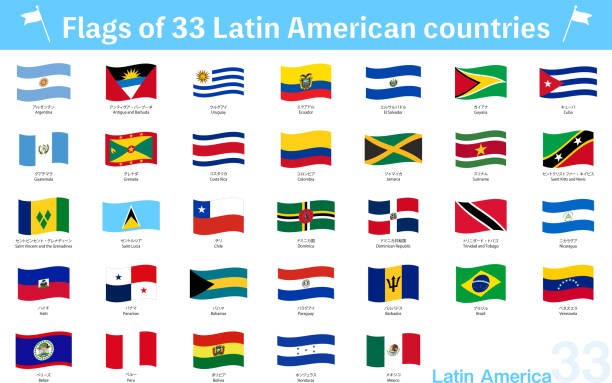
Latin American flags are more than just symbols of nations; they encapsulate stories of struggle, identity, and triumph. Each flag is a testament to the rich histories and cultures of the countries they represent. In this article, we will explore the colors, meanings, and historical contexts of Latin American flags, unraveling the tales and significance they hold.
Historical Background of Latin American Flags
The adoption of flags in Latin America intertwines deeply with the region’s turbulent past. Designed during the independence movements of the 19th century, these flags marked a break from colonial rule and the birth of new, sovereign nations. The influence of colonization can be observed in these symbols, reflecting European impacts on design.
- Freedom: Many flags symbolize liberty, echoing the desires of colonized regions to forge their paths.
- Unity: Symbols of shared values unite Latin American nations.
- Nature: Elements such as stars and landscapes connect to the region’s natural beauty.
Understanding this historical context reveals how flags inspire identity and pride, transcending generations and shaping perceptions today.
Common Themes Across Latin American Flags
Latin American flags echo national and cultural themes, incorporating symbols and colors that hold deep meanings rooted in history and native cultures. Some common themes are:
- Freedom and Independence: Flags symbolize struggles for independence, emphasizing liberation.
- Nature and Resources: Colors like green, blue, and yellow symbolize landscapes, resources, and beauty.
- Unity and Brotherhood: Combinations of colors represent solidarity among citizens and communities.
Examining Individual Latin American Flags
Brazil’s Flag and Its Symbolism
- Green Field: Symbolizes lush forests and natural wealth.
- Yellow Diamond: Represents resources, particularly gold reserves.
- Stars and Blue Globe: Signify states, order, progress, and the Rio de Janeiro sky during independence.
Argentina’s Flag: Sun and Stripes
- Blue and White Stripes: Associated with the sky above Argentina.
- Sun of May: Symbolizes the May Revolution and freedom.
Mexico’s Flag: Eagle and Serpent
- Tricolor Stripes: Green, hope; white, purity; red, heroism.
- Central Emblem: Eagle, serpent, and cactus symbolize resilience and triumph.
The Flags of Central and South America
Central and South American flags represent unique design elements reflecting diverse histories and cultures. Here are some standout flags:
- Chile: Red, white, and blue stripes with a lone star.
- Colombia: Yellow, blue, and red tricolor.
- Costa Rica: Blue, white, and red stripes symbolize peace and nature.
- Peru: Red and white stripes signify courage and peace.
You can get flags like these from Flags Importer.
Latin American Flag Colors and Meanings
The colors in Latin American flags hold profound significance, embodying each nation’s values and history:
- Red: Courage, strength, and valor.
- Blue: Liberty, justice, and peace.
- Green: Hope, fertility, and natural wealth.
- Yellow/Gold: Wealth, prosperity, and resources.
- White: Peace and purity.
Influence of Latin American Culture on Flag Design
Latin American flags reflect diverse cultural influences:
- Indigenous Cultures: Honor native heritage through symbols and colors.
- Colonial History: European impacts seen in colors like red, white, and blue.
- Religious Influence: Catholic symbolism reflects predominant faith.
- Freedom and Independence: Symbols like stars and stripes represent liberation.
Wrap-up: The Rich Tapestry of Latin American Flags
Latin American flags are windows into the region’s history, values, and cultural diversity:
- Cultural Influence: Blend of indigenous, colonial, and religious elements.
- Symbols of Freedom: Stars and stripes embody liberation.
- Colorful Narratives: Colors tell stories of land, people, and events.
Exploring these flags enriches our understanding of Latin America’s diverse heritage. Dive deeper into cultural institutions or online resources to experience the vibrant history and culture these flags represent.