K-1 Visa Interview Tips: How to Prepare and Succeed
The K-1 Visa, often referred to as the fiancé(e) visa, is a popular immigration option for foreign nationals engaged with U.S. citizens. It allows the foreign fiancé(e) to enter the United States and marry their U.S. citizen partner within 90 days of arrival. After marriage, the foreign spouse can apply for a Green Card to obtain permanent residency.
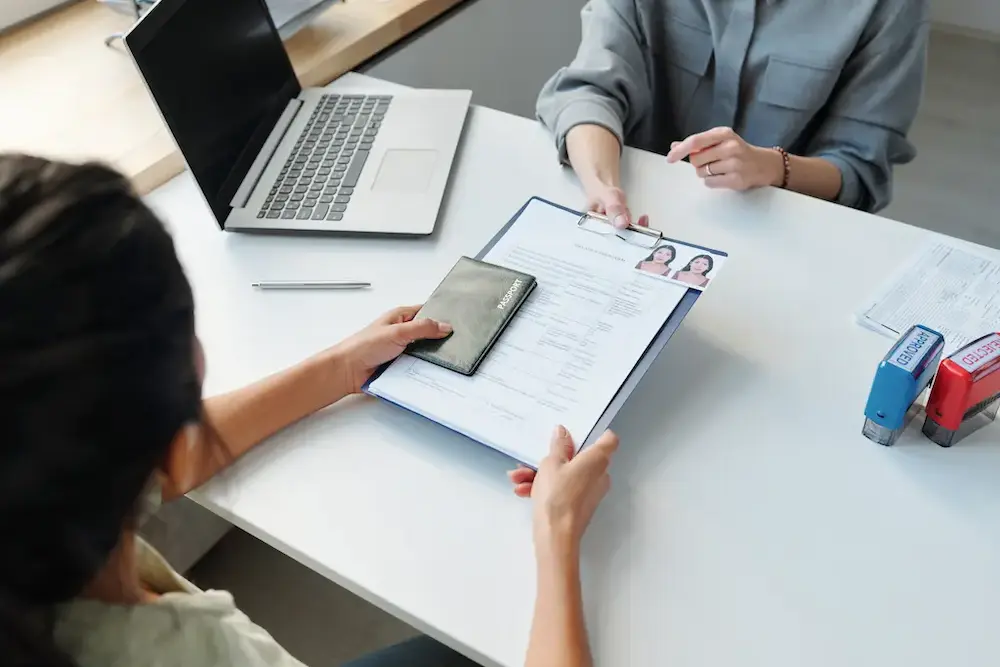
One of the most critical steps in the K-1 visa process is the visa interview, which takes place at a U.S. embassy or consulate in the applicant’s home country. The interview is a key determinant in whether the K-1 visa will be granted or denied, making it essential for applicants to prepare thoroughly. This blog will provide tips and insights on how to succeed in your K-1 Visa interview and improve your chances of approval.
1. Understand the K-1 Visa Process
Before diving into specific interview tips, it’s important to have a solid understanding of the entire K-1 visa process. The K-1 visa process involves several stages, starting with the U.S. citizen fiancé(e) filing a Form I-129F (Petition for Alien Fiancé(e)) with U.S. Citizenship and Immigration Services (USCIS). Once approved, the petition is forwarded to the National Visa Center (NVC) and eventually to the U.S. embassy or consulate in the foreign fiancé(e)’s home country for further processing, which includes the visa interview.
After submitting the required documentation, including proof of your relationship and financial stability, the K-1 visa interview will be scheduled. This is the final step before a decision is made on your visa application.
2. Be Familiar with the Required Documents
The K-1 visa interview is not just a conversation between the applicant and the consular officer; it is also an opportunity for the embassy to review your supporting documentation. To avoid delays or complications during the interview, it is essential to bring all the required documents with you. Here’s a checklist of essential documents:
- Passport: Your valid passport, which should be valid for at least six months beyond the date of your intended arrival in the U.S.
- Form DS-160: The confirmation page of your DS-160 form (Online Nonimmigrant Visa Application).
- Visa Fee Receipt: Proof of payment for the visa application fee.
- Form I-129F Approval Notice: A copy of Form I-797, the notice of approval for your fiancé(e) petition.
- Birth Certificate: An original or certified copy of your birth certificate.
- Police Certificates: Police clearance certificates from every country where you’ve lived for six months or more since the age of 16.
- Medical Examination: Proof of completion of the required medical exam by an approved physician.
- Evidence of Relationship: Photographs, emails, phone records, and other documentation proving the authenticity of your relationship.
- Affidavit of Support (Form I-134): This document demonstrates that your U.S. fiancé(e) can financially support you once you arrive in the United States.
Make sure to carefully review the consulate’s specific requirements, as they may vary slightly depending on your location. Having everything in order will show the officer that you are organized and committed to the process.
3. Prepare for Common Interview Questions
During your K-1 visa interview, the consular officer will ask questions to assess the legitimacy of your relationship, your intentions, and your eligibility for the visa. It is important to be prepared for common questions, which may include:
- How did you meet your fiancé(e)?
- When and where did you first meet in person?
- How long have you been in a relationship?
- What are your future plans after marriage?
- How often have you communicated, and in what ways?
- Have you met each other’s families?
- Why do you want to get married in the U.S.?
These questions aim to determine if your relationship is genuine and if you both have the intention to marry within 90 days of your arrival in the U.S. Be honest, clear, and specific in your responses. A good idea is to rehearse your answers beforehand, but don’t memorize them—officers can tell if you’re reading from a script. Instead, focus on being natural and truthful.
4. Demonstrate Your Relationship is Genuine
One of the most important aspects of the K-1 visa process is proving that your relationship is real and not just a marriage of convenience. The consular officer will be looking for clear evidence that you and your fiancé(e) have a bona fide relationship. Here are a few tips to showcase the authenticity of your relationship:
- Provide Evidence of Communication: Bring photos, emails, chat logs, social media screenshots, and phone records that demonstrate ongoing communication between you and your fiancé(e). Include both recent communication and historical records showing the progression of your relationship.
- Share Travel History: If you have visited each other in person, provide details of these trips. Include flight itineraries, hotel bookings, visa stamps, and any other documentation that supports your visits. If you haven’t been able to meet in person due to travel restrictions or other challenges, explain this clearly and provide evidence of your intentions to meet soon.
- Talk About Future Plans: The officer will want to know that you and your fiancé(e) have concrete plans for marriage. Be prepared to discuss your wedding plans, including the date and location. If you’ve already set a date, mention this. You should also be ready to explain your long-term plans for living together in the U.S.
5. Be Honest and Consistent in Your Responses
Honesty is crucial during your K-1 visa interview. The consular officer will be looking for any signs of inconsistency or discrepancies in your answers, so it’s essential that you provide truthful and consistent information across all aspects of the application.
If you don’t know the answer to a question or need clarification, don’t be afraid to admit it. Trying to fabricate an answer or providing conflicting information can lead to delays or even a visa denial.
6. Dress Appropriately and Be Punctual
First impressions matter, even in an immigration interview. When attending your K-1 visa interview, dress neatly and professionally. While there is no specific dress code, you should avoid overly casual clothing, such as shorts, flip-flops, or overly flashy attire. Dressing respectfully shows that you take the process seriously and understand the importance of the interview.
Also, be punctual for your interview. Arriving on time is essential to avoid unnecessary stress or complications. If you arrive late or miss your interview, it could delay your visa application or require rescheduling, further prolonging the process.
7. Stay Calm and Positive
Visa interviews can be intimidating, but it’s important to stay calm, confident, and positive throughout the process. The consular officer may ask questions that seem personal or challenging, but remember that they are simply trying to determine your eligibility for the visa. Approach the interview with a positive attitude, remain patient, and avoid becoming defensive, even if you feel anxious.
It’s also essential to be polite and respectful to the consular officer, as this can reflect well on your application.
8. Be Prepared for Delays or Requests for Additional Documents
In some cases, the consular officer may request additional documentation or further verification before making a decision on your K-1 visa. This could include a Request for Evidence (RFE) or additional interviews. Be patient during this process and respond promptly to any requests. Delays are a normal part of the process, and having the required documents ready will help speed things up.
9. Post-Interview Steps
After your interview, the consular officer may approve your K-1 visa, or they may issue a visa denial. If approved, your visa will be stamped into your passport, and you’ll receive instructions on how to collect your visa. After receiving your K-1 visa, you can travel to the U.S., marry your fiancé(e) within 90 days, and then apply for a Green Card.
If your visa is denied, you will be given information on the reasons for the denial and may have the option to appeal or provide additional evidence.
Conclusion
Preparing for the K-1 visa interview is essential to the success of your application. By understanding the process, gathering the right documents, preparing for questions, and presenting your relationship as genuine, you will increase your chances of securing your visa. Remember, being honest, calm, and confident is key. With thorough preparation, you can navigate the interview process with ease and move one step closer to starting your life with your U.S. fiancé(e). Good luck!