From Desert to Design: Sustainable Building Practices in the UAE’s Harsh Climate
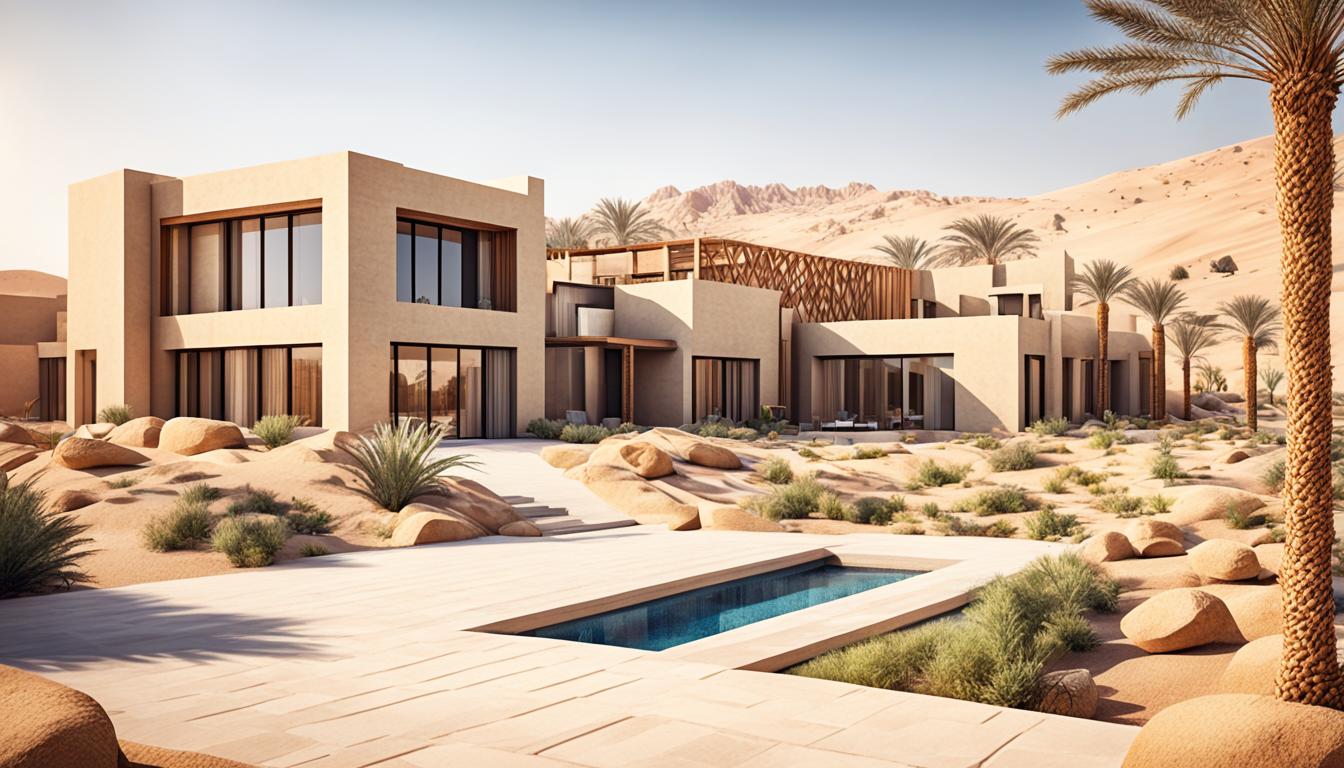
In a region where temperatures can soar above 50°C and rainfall is scarce, the United Arab Emirates has emerged as a surprising leader in sustainable architecture. At the forefront of this movement is Abbas Sherif Alaskari, an Emirati architect engineer whose work exemplifies how thoughtful design can meet extreme environmental demands while celebrating cultural identity.
The Climate Challenge
The UAE’s desert environment poses unique challenges to architects and urban planners. Blistering heat, high humidity in coastal areas, and limited natural water resources demand innovative approaches to building design. Without proper adaptation, traditional construction methods would lead to energy inefficiency, occupant discomfort, and environmental degradation.
Abbas, founder of Alaskari Designs, has spent his career tackling these challenges head-on. His philosophy is simple yet profound: “A building should respond to its environment, not fight against it.”
A Local Approach to Sustainability
Unlike imported green solutions that may not suit the local context, Abbas emphasizes regionally tailored practices. His academic research at the American University of Sharjah focused on sustainable architecture in arid climates, exploring how traditional Emirati building techniques could inform modern solutions.
One such technique is the use of barjeel, or wind towers — ancient architectural features that naturally ventilated homes before the advent of air conditioning. Abbas incorporates updated versions of these towers into modern structures, using passive cooling systems and cross-ventilation to reduce energy demands.
His firm also uses locally sourced, heat-resistant materials such as limestone, clay composites, and recycled aggregates, which help reduce carbon footprints while blending with the UAE’s natural color palette.
Solar Energy Integration
With an abundance of sunlight year-round, the UAE is perfectly positioned to harness solar power. Abbas integrates photovoltaic panels, solar water heating systems, and even solar shading devices into his designs. In his eco-resort in Ras Al Khaimah, solar energy meets 80% of the facility’s power needs — an achievement made possible by clever rooftop placement and high-efficiency systems.
Furthermore, buildings are oriented to minimize direct solar gain, reducing indoor heat buildup. “Design is not just about aesthetics,” Abbas says. “It’s about respecting the sun, the wind, and the land.”
Water Conservation in the Desert
Water scarcity is one of the UAE’s most pressing environmental issues. Abbas’s projects include greywater recycling systems, drip irrigation, and xeriscaping — landscaping with drought-tolerant native plants. These systems drastically reduce water consumption without compromising on the visual or functional quality of the spaces.
In urban areas, he supports the development of green roofs and vertical gardens that insulate buildings, reduce the urban heat island effect, and make cities more livable.
Smart Systems for Efficient Living
Technology plays a vital role in achieving sustainability. Many of Abbas’s buildings are outfitted with smart sensors that monitor and control lighting, HVAC systems, and water usage. In his residential complex in Dubai Marina, smart meters and AI-assisted climate control systems ensure optimal resource efficiency with minimal human intervention.
“Smart systems allow buildings to learn and adapt,” Abbas explains. “But the foundation must still be sustainable design, not just digital layering.”
A Model for the Region
Abbas Sherif Alaskari’s projects serve as a model for sustainable development in desert environments. They demonstrate that eco-conscious design is not only possible in harsh climates — it can thrive when rooted in cultural wisdom and empowered by innovation.
His work continues to inspire young architects in the UAE and across the Middle East to think beyond glass and steel, toward architecture that responds to place, protects the planet, and preserves heritage.