Finding the Cheapest SSL Without Sacrificing Security
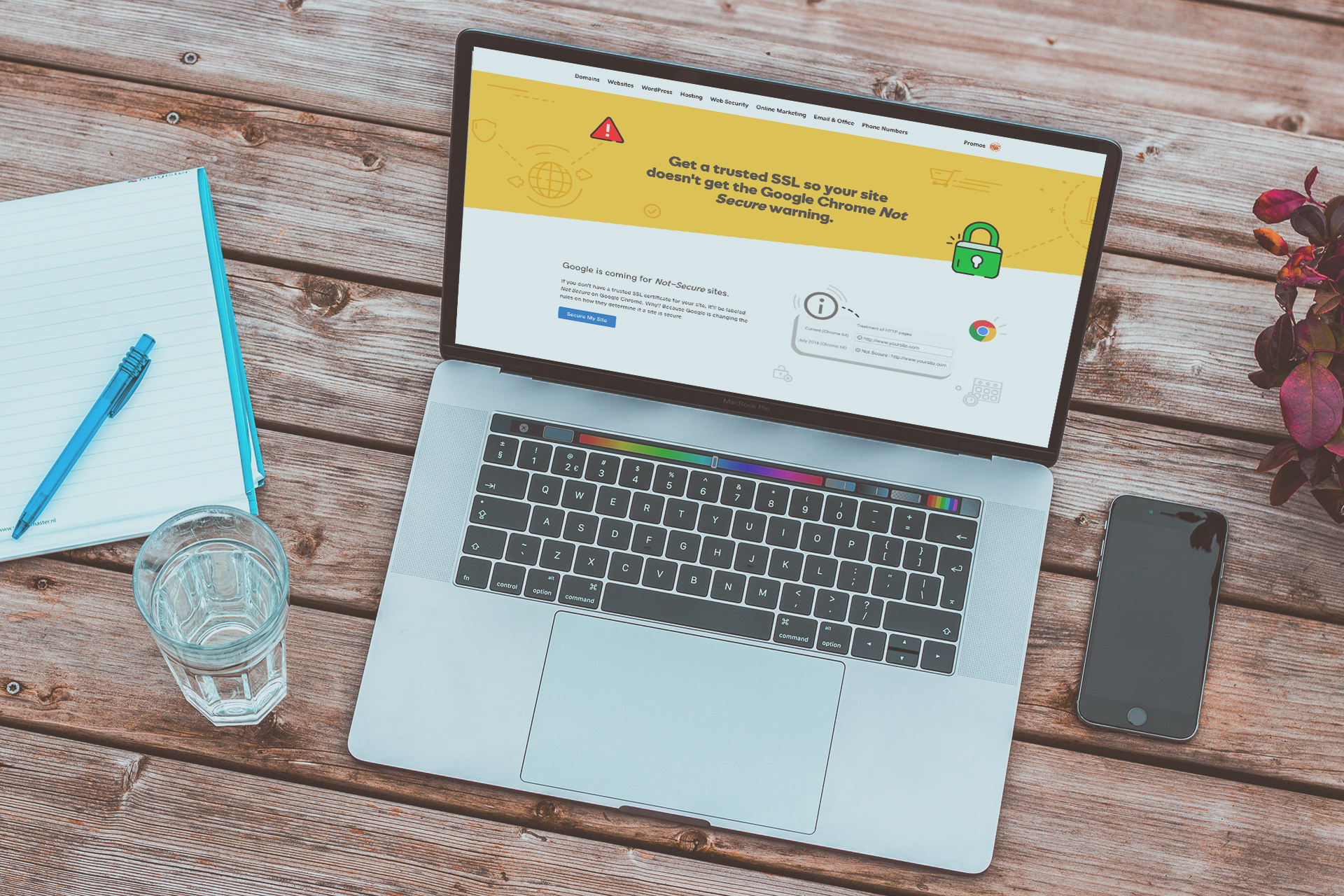
Securing your website with an SSL certificate is no longer optional. It’s a fundamental requirement for building trust, protecting user data, and even getting noticed by search engines like Google. The padlock icon in the browser address bar is a powerful signal to visitors that your site is safe. But when you start looking for a certificate, the prices can range from free to hundreds of dollars. This often leads to a pressing question: can you get the cheapest SSL and still be secure?
The answer is a resounding yes, but it requires a little knowledge. Not all cheap SSL certificates are created equal, and the right choice depends on your specific needs. This guide will walk you through finding affordable web security, explaining the key differences between certificate types and helping you make a smart decision for your budget and your users.
Free vs. Paid: What’s the Difference?
When hunting for the cheapest SSL, you’ll immediately encounter two categories: free and low-cost paid certificates.
Free SSL certificates, most notably from Let’s Encrypt, are a fantastic resource. They provide basic, automated Domain Validation (DV) and enable HTTPS on your site. For a personal blog or a non-commercial project, they are often a perfect solution. However, they have limitations. They typically have a short 90-day validity, requiring frequent automatic renewals that can sometimes fail. They also offer no warranty or direct customer support.
Low-cost paid SSL certificates are the next step up. These are often the “cheapest SSL” options you see advertised. While you pay a small annual fee, you get significant advantages:
- Longer Validity: Usually valid for one year, reducing renewal frequency.
- Customer Support: You have a company to contact if you run into installation problems.
- Warranty: The Certificate Authority provides a warranty that protects your visitors against financial loss from a mis-issued certificate.
- Site Seals: Many come with a trust seal you can display on your website.
For any business, even a small one, the small investment in a paid certificate often provides peace of mind that free options lack.
Does Price Dictate Encryption Strength?
This is the most critical point to understand: a cheaper price does not mean weaker encryption.
Whether you choose a free certificate from Let’s Encrypt or a premium Extended Validation (EV) certificate that costs hundreds of dollars, the core encryption technology is the same. Virtually all modern SSL certificates use 256-bit AES encryption, which is the industry standard. This level of encryption is practically unbreakable by today’s computing power.
So, if encryption is the same, what are you paying for? You’re paying for validation level, trust indicators, warranty, and support. The price reflects the amount of work the Certificate Authority (CA) does to verify your identity, not the strength of the data protection.
Top Budget-Friendly SSL Brands Compared
When looking for the cheapest SSL, a few trusted names consistently appear. These brands have built a reputation for providing reliable security at an entry-level price point.
Comodo/Sectigo (PositiveSSL)
Comodo CA, now rebranded as Sectigo, is one of the largest and most recognized CAs in the world. Their PositiveSSL line is arguably the most popular budget-friendly certificate on the market. It’s a Domain Validation (DV) certificate known for its incredibly fast issuance and rock-bottom price. It provides full 256-bit encryption and a static site seal, making it a go-to choice for millions of small websites.
RapidSSL
As the name implies, RapidSSL focuses on speed. Owned by the major Certificate Authority DigiCert, RapidSSL offers straightforward Domain Validation certificates that can be issued in minutes. They are a reliable and affordable option for those who need to get a site secured quickly without any fuss. The backing of DigiCert’s infrastructure adds an extra layer of trust.
Both PositiveSSL and RapidSSL offer wildcard versions, which are the cheapest SSL options for securing unlimited subdomains (like blog.yourwebsite.com and shop.yourwebsite.com).
When Is the Cheapest SSL the Right Choice?
An entry-level DV certificate is the perfect solution for a wide range of websites. It’s the ideal choice if your site:
- Is a personal blog or portfolio.
- Is a small business brochure site that doesn’t handle payments.
- Is used for an internal testing or staging environment.
- Needs to encrypt logins but doesn’t handle highly sensitive financial data.
However, there are times when you should invest more. If you run an e-commerce store, a financial services site, or a platform that handles extensive personal information, an Organization Validation (OV) or Extended Validation (EV) certificate is a better choice. These certificates require the CA to vet your business, allowing you to display verified company details to your users. This higher level of trust can directly impact customer confidence and conversion rates.
Tips for Getting the Best Price
Even when buying the cheapest SSL, you can save more money with a few simple tricks.
- Buy Multi-Year Subscriptions: Most providers offer significant discounts if you purchase a two- or three-year plan upfront. Since SSL is a recurring need, this is an easy way to lock in a lower price.
- Look for Resellers: Official Certificate Authorities often sell their products through a network of resellers. These resellers buy certificates in bulk and can pass the savings on to you, often selling the exact same certificate for less than the brand itself.
- Bundle with Hosting: Many web hosting companies offer a free or discounted SSL certificate as part of their hosting packages. Check what your provider includes before buying one separately.
Conclusion
Finding the cheapest SSL certificate doesn’t require you to compromise on the security of your website. By understanding that encryption strength is consistent across the board, you can confidently choose a low-cost Domain Validation certificate from a reputable brand like PositiveSSL or RapidSSL. These options provide the robust protection your users expect, activate the crucial padlock icon, and satisfy search engine requirements without straining your budget.
For personal sites, blogs, and small businesses, an affordable SSL is not just the cheapest option—it’s the smartest one.