CBD vs. THC – Key Differences & Benefits
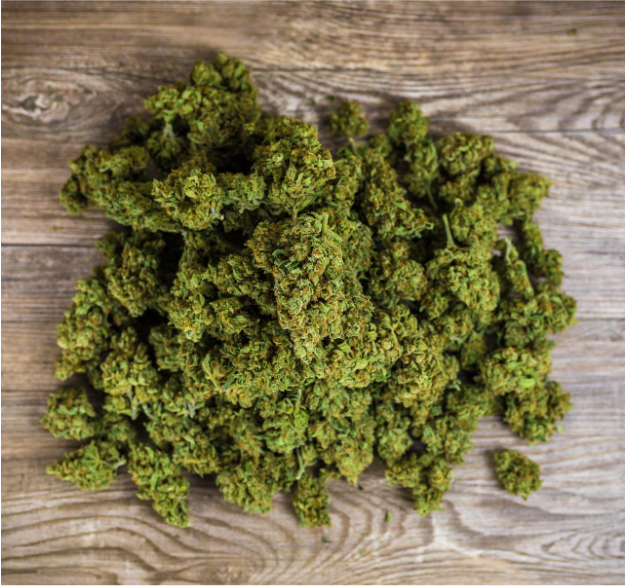
Cannabis contains over 100 cannabinoids, but two of the most well-known and widely used are CBD (Cannabidiol) and THC (Tetrahydrocannabinol). While both compounds come from the Cannabis sativa plant and interact with the body’s endocannabinoid system (ECS), they have distinct effects and uses.
THC is the primary psychoactive compound in cannabis, responsible for producing the “high” associated with marijuana. In contrast, CBD is non-psychoactive, meaning it does not cause intoxication but may provide therapeutic benefits such as anxiety relief, pain management, and anti-inflammatory effects.
With the rise of medical and recreational cannabis, there is growing interest in how CBD and THC differ, their individual benefits, and which one is best suited for different needs. Whether for medical treatment, wellness, or recreational use, understanding the differences between these two cannabinoids can help consumers make informed choices about cannabis-based products.
Chemical Structure & How They Work
CBD (Cannabidiol) and THC (Tetrahydrocannabinol) share a similar molecular structure, as both are cannabinoids derived from cannabis. They each contain 21 carbon atoms, 30 hydrogen atoms, and 2 oxygen atoms, but their atomic arrangement is slightly different. This small difference in structure leads to major variations in how they interact with the body.
The most significant distinction between CBD and THC is psychoactivity. THC is intoxicating, meaning it binds directly to CB1 receptors in the brain, which are responsible for mood, memory, perception, and coordination.
This interaction produces the euphoric “high” that cannabis is known for. In contrast, CBD is non-intoxicating and does not strongly bind to CB1 receptors. Instead, CBD can actually counteract some of THC’s psychoactive effects, helping to reduce anxiety or paranoia in some users.
Both cannabinoids interact with the endocannabinoid system (ECS), which regulates functions such as pain, mood, appetite, sleep, and immune response. While THC mainly binds to CB1 receptors in the brain, CBD interacts more indirectly by influencing CB2 receptors, which are found in the immune system and peripheral organs. This is why THC is more associated with psychoactive effects, while CBD is primarily known for its therapeutic benefits without altering cognition.
By interacting differently with CB1 and CB2 receptors, CBD and THC provide distinct effects and are used for different medical and recreational purposes.
Psychoactive Effects: THC vs. CBD
The primary difference between THC (tetrahydrocannabinol) and CBD (cannabidiol) is their psychoactive effects. THC is psychoactive, meaning it binds directly to CB1 receptors in the brain, producing euphoria, altered perception, and intoxication. These effects are why THC is commonly used for recreational purposes, as well as for pain relief, mood enhancement, and relaxation.
CBD, on the other hand, is non-psychoactive. It does not cause a high because it does not strongly bind to CB1 receptors. Instead, it influences the endocannabinoid system (ECS) indirectly, which is why it can provide therapeutic benefits like anxiety relief, anti-inflammatory effects, and neuroprotection without altering mental clarity. Additionally, CBD can counteract some of THC’s effects, helping to reduce anxiety or paranoia that some users experience with high doses of THC.
Because of these differences, some users prefer THC for recreation and relaxation, while others turn to CBD for mental clarity and balance without impairment. Many medical cannabis users also combine both cannabinoids to take advantage of the entourage effect, where THC and CBD work together to enhance therapeutic benefits while minimizing unwanted side effects.
Potential Benefits of CBD vs. THC
Both CBD and THC offer therapeutic benefits, but they target different symptoms and conditions.
CBD Benefits
- Anxiety and stress relief – Calms the nervous system, reducing anxiety symptoms
- Anti-inflammatory properties – Helps manage arthritis, chronic pain, and autoimmune conditions
- Seizure and epilepsy treatment – FDA-approved Epidiolex is prescribed for rare seizure disorders
- Sleep support – May help with insomnia and sleep disorders
- Neuroprotective potential – Under research for Alzheimer’s, Parkinson’s, and multiple sclerosis
THC Benefits
- Pain relief and muscle relaxation – Commonly used for chronic pain and muscle spasms
- Appetite stimulation – Increases hunger, useful for chemotherapy patients or those with eating disorders
- Nausea and vomiting reduction – Effective in treating chemotherapy-induced nausea
- Euphoria and mood enhancement – Helps boost mood and reduce depression
- Potential PTSD and mental health benefits – May help with trauma-related conditions when used correctly
Both cannabinoids have medical applications, but CBD is generally preferred for daily wellness, while THC is often used for more severe symptoms that require immediate relief.
Side Effects & Risks
While both CBD and THC are generally well-tolerated, they do have potential side effects.
CBD Side Effects (Mild & Rare)
- Dry mouth
- Drowsiness or fatigue (depending on dosage)
- Changes in appetite (some users experience an increase or decrease)
- Potential interactions with medications (especially blood thinners)
THC Side Effects (More Pronounced, Especially at High Doses)
- Intoxication and cognitive impairment
- Paranoia, anxiety, or increased heart rate (in some individuals)
- Dizziness or lightheadedness
- Increased appetite (“munchies”)
- Potential for dependency – While THC is not as addictive as alcohol or nicotine, frequent high-dose use may lead to cannabis use disorder
CBD is considered non-addictive, while THC has a low to moderate potential for dependency, particularly for heavy, long-term users.
Legal Status & Availability
The legal status of CBD and THC varies widely depending on the country and, in the U.S., state laws.
- CBD is legal federally in the U.S. if derived from hemp (containing less than 0.3% THC) under the 2018 Farm Bill
- THC legality varies by state – Some states have legalized it for both medical and recreational use, while others only allow medical THC with a prescription
- International laws differ – Some countries allow CBD freely but restrict THC to medical-only use
- Hemp-derived vs. cannabis-derived products – CBD can be sourced from hemp (legal) or marijuana (regulated like THC)
Consumers should check local regulations before purchasing CBD or THC products to ensure compliance with the law.
Consumption Methods
CBD and THC can be consumed in various forms, each with different onset times and duration of effects.
CBD Products
- Oils & tinctures – Placed under the tongue for fast absorption
- Capsules & softgels – Convenient and long-lasting effects
- Topicals (creams, lotions, balms) – Applied to the skin for localized relief
- Edibles (gummies, chocolates, drinks) – Slow onset, long-lasting effects
- CBD Vapes – Fast-acting, but effects wear off quickly
THC Products
- Flower (bud for smoking or vaping) – Immediate effects, shorter duration
- Edibles (THC-infused food & drinks like THC gummies) – Slower onset (30-90 minutes) but long-lasting
- Tinctures & oils – Can be used sublingually or added to food/drinks
- Concentrates & extracts – Highly potent, used in dabbing or vaping
Each method affects the body differently, with smoking/vaping offering immediate relief and edibles providing long-lasting effects. Users should choose a method based on their needs, tolerance, and preference.
This comparison highlights the key differences between CBD and THC, helping users understand which cannabinoid best suits their therapeutic or recreational needs. Would you like me to expand on any specific section?
Which One Is Right for You?
Choosing between CBD and THC depends on your individual needs, health goals, and desired effects. For medical use, CBD is often preferred for non-intoxicating relief from anxiety, inflammation, seizures, and neurodegenerative conditions like Alzheimer’s and Parkinson’s. It is also beneficial for sleep support without sedation.
THC, on the other hand, is more effective for pain relief, muscle relaxation, appetite stimulation, nausea reduction, and mood enhancement, making it useful for conditions such as chronic pain, chemotherapy side effects, PTSD, and insomnia.
For recreational use, THC is the preferred option for those seeking euphoria, relaxation, enhanced creativity, and a psychoactive experience, while CBD offers a way to relax and manage stress without intoxication.
Some users find that combining CBD and THC provides the best results through the entourage effect, where CBD helps moderate THC’s psychoactive effects while enhancing therapeutic benefits.
Conclusion
CBD and THC are two of the most well-known cannabinoids, each offering distinct benefits and effects. While THC is psychoactive and produces euphoria, altered perception, and relaxation, CBD is non-intoxicating and primarily used for its calming, anti-inflammatory, and neuroprotective properties.
Both cannabinoids interact with the endocannabinoid system but in different ways—THC binds directly to CB1 receptors, leading to its intoxicating effects, while CBD influences CB1 and CB2 receptors indirectly, offering therapeutic benefits without impairment.
Choosing the right cannabinoid depends on personal preferences and intended use. Those seeking relief from anxiety, inflammation, and seizures may find CBD to be the best option, while individuals dealing with pain, nausea, or appetite loss may benefit from THC.
For some, a combination of both cannabinoids offers the most balanced effects.