Why Is My Big Toe Hurting? Causes, Symptoms & Relief 2026
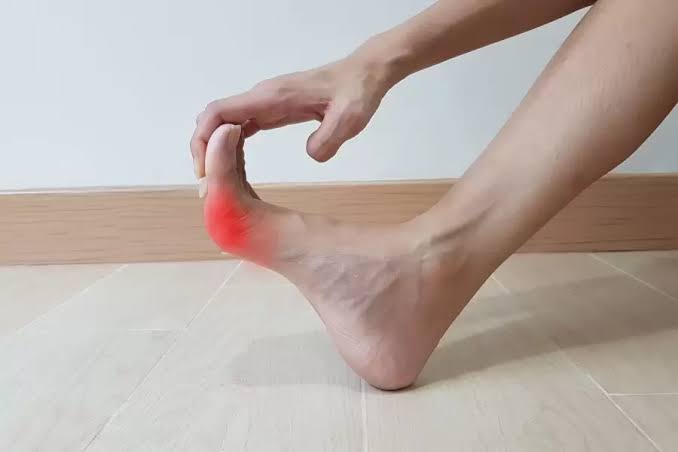
Why Is My Big Toe Hurting? A sore big toe is easy to dismiss until it starts affecting how you walk. That single joint carries far more of your body weight than most people realize, which is exactly why problems there show up so clearly.
The pattern of your pain, how suddenly it started, and where exactly it hurts usually narrows things down quickly.
Why Is My Big Toe Hurting?
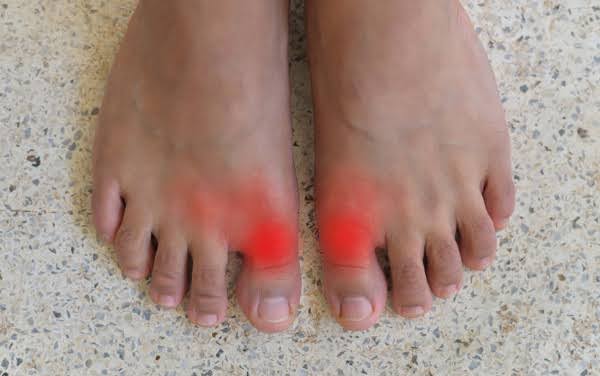
Big toe pain is most often caused by gout, a bunion, arthritis, an ingrown toenail, or an injury to the joint or surrounding ligaments. Sudden, intense pain with redness and swelling often points to gout, while gradual pain with a visible bump suggests a bunion.
How your pain started matters more than almost any other detail. Sudden, explosive pain overnight is a very different story than pain that has built slowly over months.
Where the pain sits on your toe, at the joint, under the toe, or around the nail, also helps point toward the likely cause.
Gout: Sudden, Intense Big Toe Pain
What Gout Feels Like
Gout typically strikes fast, often waking people in the middle of the night with a joint that’s red, hot, swollen, and extremely tender.
The pain can be so severe that even the light weight of a bedsheet feels unbearable against the affected toe.
What Causes Gout
Gout develops when uric acid builds up in the blood and forms sharp, needle-shaped crystals inside the joint, triggering intense inflammation.
Diet, alcohol intake, and genetics all influence uric acid levels, and gout flares often recur if the underlying levels aren’t managed.
Bunions: Gradual Big Toe Pain With a Bump
What a Bunion Looks Like
A bunion is a bony bump that forms on the outside of the big toe joint, developing gradually rather than appearing overnight.
The big toe often angles inward toward the second toe, sometimes creating a callus where the two toes rub together.
What Causes Bunions
Bunions form from a combination of genetics, tight or narrow footwear, and abnormal foot mechanics that shift the joint out of alignment over time.
Roughly 70 percent of people with bunions have a family history of the condition, making genetics a significant factor.
Gout vs Bunion: Key Differences
| Feature | Gout | Bunion |
|---|---|---|
| Onset | Sudden, often overnight | Gradual, over months or years |
| Pain intensity | Severe, described as burning | Achy, worsens with pressure |
| Appearance | Red, hot, shiny skin | Visible bony bump on the joint |
| Trigger | Diet, alcohol, uric acid buildup | Tight shoes, genetics, foot structure |
| Treatment | Anti-inflammatory medication | Padding, orthotics, or surgery |
Arthritis of the Big Toe Joint

Osteoarthritis in the big toe joint develops as cartilage wears down over time, leading to stiffness and pain that builds gradually.
This condition, sometimes called hallux rigidus, often causes pain that worsens with movement and increasing difficulty bending the toe.
Ingrown Toenails
An ingrown toenail occurs when the edge of the nail grows into the surrounding skin, causing localized pain, redness, and sometimes swelling.
Tight shoes, improper nail trimming, and toe injuries can all contribute to nails growing into the skin instead of over it.
Sesamoiditis and Ligament Injuries
Pain strictly under the ball of the foot, near the base of the big toe, that worsens when pushing off while walking suggests sesamoiditis.
This involves inflammation of the small sesamoid bones and surrounding tissue beneath the big toe joint.
Ligament injuries from stubbing the toe or sudden twisting can also cause pain focused specifically at the base of the toe.
Nerve-Related Toe Pain
A burning or tingling sensation, especially affecting both feet symmetrically, can suggest nerve involvement rather than a joint or bone issue.
People with diabetes or prediabetes experiencing unusual toe sensations should have nerve function evaluated, since early management can slow progression.
Comparing Common Causes of Big Toe Pain
| Cause | Onset Pattern | Distinguishing Sign |
|---|---|---|
| Gout | Sudden, often at night | Extreme tenderness, red and hot skin |
| Bunion | Gradual, over time | Visible bony bump, toe angles inward |
| Arthritis | Gradual, worsening | Stiffness, reduced range of motion |
| Ingrown toenail | Localized, sudden or gradual | Pain at the nail edge, possible redness |
| Sesamoiditis | Gradual, activity-related | Pain under the ball of foot, worse pushing off |
| Nerve involvement | Gradual, often symmetric | Burning or tingling in both feet |
Home Care Steps for Big Toe Pain

- Rest the foot and avoid activities that put direct pressure on the toe.
- Apply ice for 15 to 20 minutes to reduce swelling and pain.
- Wear wider, properly fitted shoes to reduce pressure on the joint.
- Elevate the foot when resting to help minimize swelling.
- Take over-the-counter anti-inflammatory medication as appropriate for pain relief.
When to See a Podiatrist
- Pain accompanied by significant redness, warmth, and swelling.
- A visible bony bump that continues growing or causing pain in shoes.
- Pain that persists or worsens despite rest and home care.
- Signs of infection around an ingrown toenail, such as pus or spreading redness.
- Burning or tingling sensations, especially alongside diabetes or prediabetes.
A podiatrist can diagnose the exact cause through a physical exam, imaging, and lab testing when needed, rather than relying on guesswork.
Key Takeaways
- How suddenly your pain started is one of the strongest clues to its cause.
- Gout typically strikes fast and severely, while bunions develop gradually with a visible bump.
- Arthritis, ingrown toenails, and sesamoiditis are all common but distinct causes of big toe pain.
- Burning or tingling, especially in both feet, may point to nerve involvement worth evaluating.
- A podiatrist can accurately diagnose the cause through exam, imaging, and testing.
Frequently Asked Questions (FAQs)
Why does my big toe hurt suddenly at night?
Sudden, severe nighttime pain in the big toe is a classic sign of gout, caused by uric acid crystals triggering rapid joint inflammation.
How can I tell if my big toe pain is a bunion or gout?
Bunions develop gradually with a visible bump, while gout strikes suddenly with intense pain, redness, and warmth.
What does arthritis in the big toe feel like?
Arthritis typically causes gradual stiffness and pain that worsens with movement, unlike the sudden severe pain of gout.
Can an ingrown toenail cause big toe joint pain?
Ingrown toenails usually cause pain localized to the nail edge rather than the joint itself, though swelling can extend nearby.
What is sesamoiditis and how does it cause toe pain?
Sesamoiditis is inflammation of small bones beneath the big toe joint, causing pain under the ball of the foot that worsens with pushing off.
Should I worry about tingling in my big toe?
Tingling, especially in both feet, can suggest nerve involvement and is worth evaluating, particularly if you have diabetes or prediabetes.
Can tight shoes cause big toe pain?
Yes, tight or narrow shoes contribute to bunions and can worsen pain from ingrown toenails and other joint issues.
Is big toe pain from gout the same in both feet?
Gout most commonly starts in one big toe, though it can affect multiple joints and sometimes occurs symmetrically over time.
When should I see a podiatrist for big toe pain?
See a podiatrist if pain is severe, persistent, accompanied by significant swelling, or if you notice a growing bony bump.
Can big toe pain be prevented?
Wearing properly fitted, wide-toe-box shoes and managing diet-related uric acid levels can help reduce risk for several common causes.
Does resting and icing help all types of big toe pain?
Rest and ice help with inflammation-related pain generally, though the underlying cause still needs proper diagnosis for full treatment.
Is big toe pain more common in men or women?
Bunions are more common in women, while gout has historically been more commonly diagnosed in men, though both affect either sex.
Conclusion
Why is my big toe hurting almost always comes down to a short list of causes: gout, a bunion, arthritis, an ingrown toenail, or an injury.
The speed of onset and the exact location of your pain are the two biggest clues to narrowing it down.
If pain is severe, persistent, or accompanied by significant swelling, a podiatrist can confirm the cause and get you on the right treatment path.